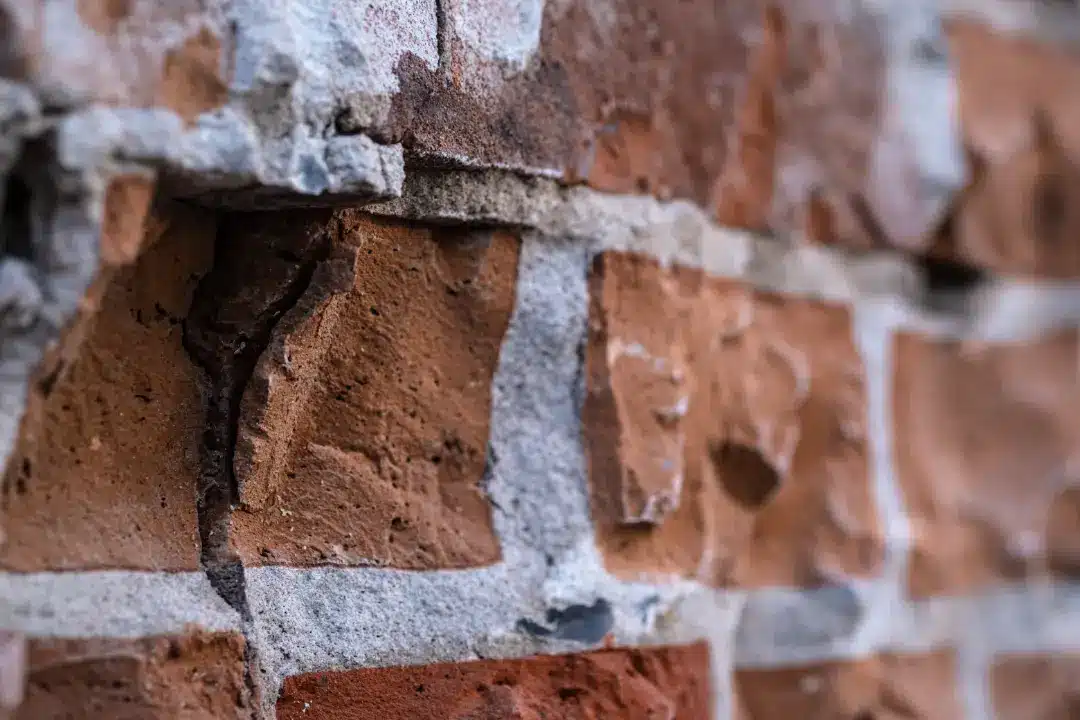
Brick repointing renews mortar joints to preserve structure and appearance, increasing masonry durability and preventing moisture ingress. In this guide, we cover when repointing is needed, the standard process, mortar selection for period properties, expert techniques, and when to hire professionals.
What is Brick Repointing?
Repointing is the controlled removal of failed mortar from joints and replacement with a compatible new mortar. The work reduces water entry, slows brick decay, and restores a neat façade.
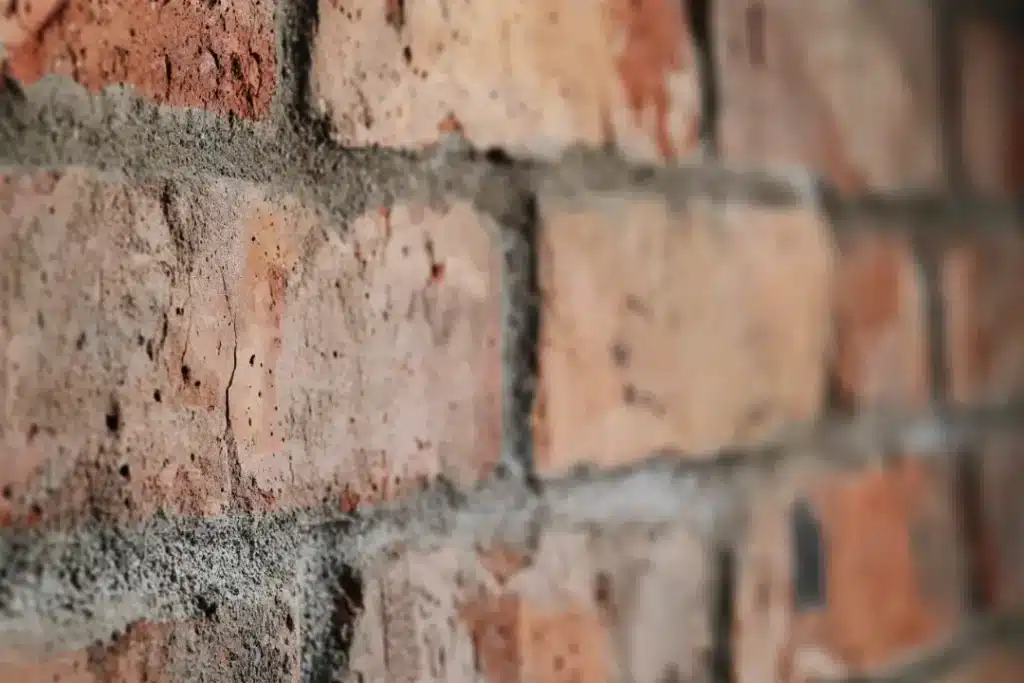
Why Repointing is Important for Maintaining Brickwork Integrity and Appearance
Repointing extends the life of brickwork by addressing common problems that compromise masonry performance.
- Structural Integrity Restoration: Repointing replaces eroded mortar to restore joint strength and overall stability.
- Moisture Protection: New, well-bedded mortar seals joints to reduce water ingress, freeze-thaw damage, and mould risk.
- Aesthetic Appeal Enhancement: Fresh joints improve the look of façades and signal proper maintenance.
What are the Signs Your Brickwork Needs Repointing?
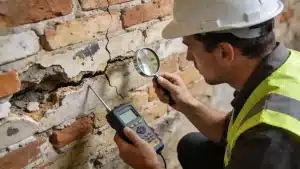
Inspect masonry regularly and look for clear indicators that repointing is due.
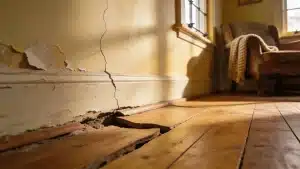
- Cracked or Missing Mortar Joints: Gaps or loose mortar are direct signs that joints need attention.
- Bulging Walls: Localised bulging or leaning can indicate widespread joint failure requiring professional assessment.
- Signs of Dampness: Interior water stains or damp patches may mean moisture is penetrating through failed mortar.
Step-by-Step Brick Repointing Process: Assessment, Removal, and Replacement Explained
The basic sequence is assess, remove, and replace: evaluate mortar, extract deteriorated material carefully, then repoint with a compatible mortar and finish the joints.
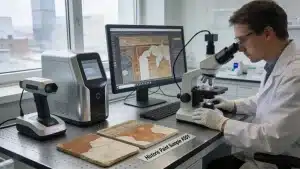
- Assessment of Existing Mortar: Determine mortar composition, joint profile, and the depth of decay to plan the work.
- Mortar Extraction Techniques: Remove old mortar with hand tools or grinders as appropriate, protecting the bricks.
- Application of New Mortar: Pack new mortar to the correct depth and profile, then finish and cure under controlled conditions.
Environ Restoration Services offers quotes and enquiries for brick repointing in London.
What is Mortar Selection for Period Properties?
Choosing a mortar that matches the original properties, flexibility, vapour permeability, and hardness prevents damage to historic brickwork.
- Lime Mortar Benefits: Lime mortars are flexible and breathable, allowing moisture movement and reducing brick stress.
- Cement Mortar Drawbacks: Cement mixes are rigid and can trap moisture or crack older masonry if used inappropriately.
- Natural Hydraulic Lime Mortar Advantages: NHL offers intermediate strength with better durability than pure lime, suitable for many repairs.
| Mortar Type | Characteristics | Best Use |
|---|---|---|
| Lime Mortar | Flexible, breathable | Period properties |
| Cement Mortar | Strong, rigid | Modern constructions |
| Natural Hydraulic Lime Mortar | Balanced strength and flexibility | Various masonry applications |
Using the appropriate mortar is essential to preserve historic character and prevent moisture-related failures.
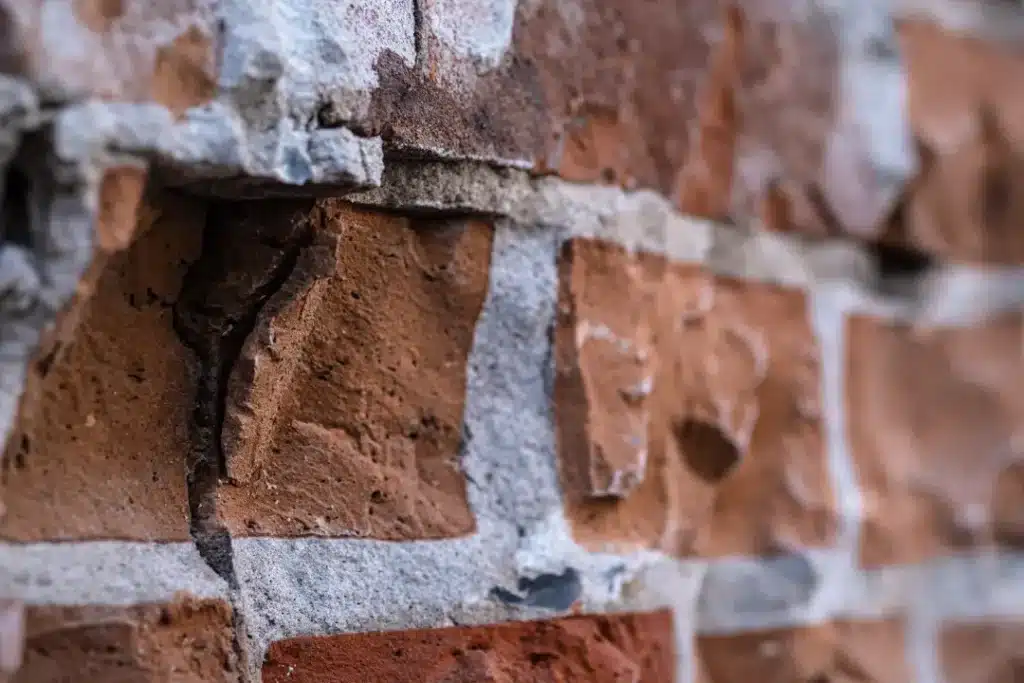
Expert Techniques for Durable and Sympathetic Brick Repointing: Matching, Testing, and Curing
Apply these practical methods to deliver durable, sympathetic repointing.
- Matching Mortar Composition: Match colour, texture, and physical properties of the new mortar to the original.
- Trial Repairs: Small test panels confirm mix proportions and joint finishing before full works.
- Controlled Curing: Protect fresh mortar from rapid drying or freezing to avoid premature cracking.
When to Hire Professionals?
DIY is possible for small, simple repairs, but hire specialists for larger, high, or structurally sensitive work.
- Large Areas of Failing Mortar: Professionals ensure uniform appearance and durable workmanship on extensive façades.
- Signs of Structural Movement: Movement or severe cracking requires professional diagnosis and repair strategies.
- Work Involving Height: Ladders, scaffolding, and safety regulations make professional teams the safer choice.
Proper repointing protects property value. Environ Restoration Services offers brick repointing and building survey services in London.
Environ Restoration Services for Trusted Property Solutions
At Environ Restoration Services, we specialize in comprehensive brick repointing and masonry restoration solutions tailored to preserve and enhance the longevity of your property. We understand the critical role that proper mortar selection and expert application play in maintaining the structural integrity and aesthetic appeal of brickwork, especially in period properties.
Our team is committed to delivering high-quality workmanship by carefully assessing existing mortar conditions, recommending compatible materials, and employing proven techniques to ensure durable and sympathetic repairs. We offer detailed consultations and precise quotes to guide you through the restoration process, ensuring that every project meets both functional and historical preservation standards.
Frequently Asked Questions
What tools are necessary for brick repointing to ensure effective and safe mortar removal and application?
To effectively repoint brickwork, you’ll need a variety of tools. Essential items include a mortar rake or grinder for removing old mortar, trowels for applying new mortar, and a pointing tool for finishing joints. Additionally, safety gear such as gloves, goggles, and a dust mask is crucial to protect yourself during the process. Depending on the scale of the project, you may also require scaffolding for access to higher areas. Having the right tools ensures a smoother and more efficient repointing job.
How long does the brick repointing process typically take from start to finish?
The duration of the repointing process can vary significantly based on several factors, including the size of the area being repointed, the extent of damage, and the weather conditions. Generally, a small section may take a few hours, while larger projects can span several days or even weeks. Proper planning and assessment are essential to estimate the time required accurately. Additionally, allowing adequate curing time for the new mortar is crucial for achieving optimal results.
Is it advisable to repoint brickwork during winter months, and what precautions should be taken?
Repointing in winter is possible, but it requires special considerations. Cold temperatures can affect the curing process of mortar, leading to potential cracking or failure. If you must repoint during winter, use a suitable mortar for the conditions and ensure that the new mortar is protected from freezing. Additionally, avoid working in wet or snowy conditions, as moisture can compromise the integrity of the repair. Always check local weather forecasts to choose the best days for your project.
What factors influence the cost of professional brick repointing services?
The cost of professional brick repointing can vary widely based on factors such as the size of the area, the complexity of the work, and regional labor rates. On average, homeowners can expect to pay rates that vary by project scope, access, mortar type, and location for repointing services. Additional costs may arise if extensive repairs or scaffolding are needed. It’s advisable to obtain multiple quotes from reputable contractors to ensure you receive a fair price and quality service for your repointing project.