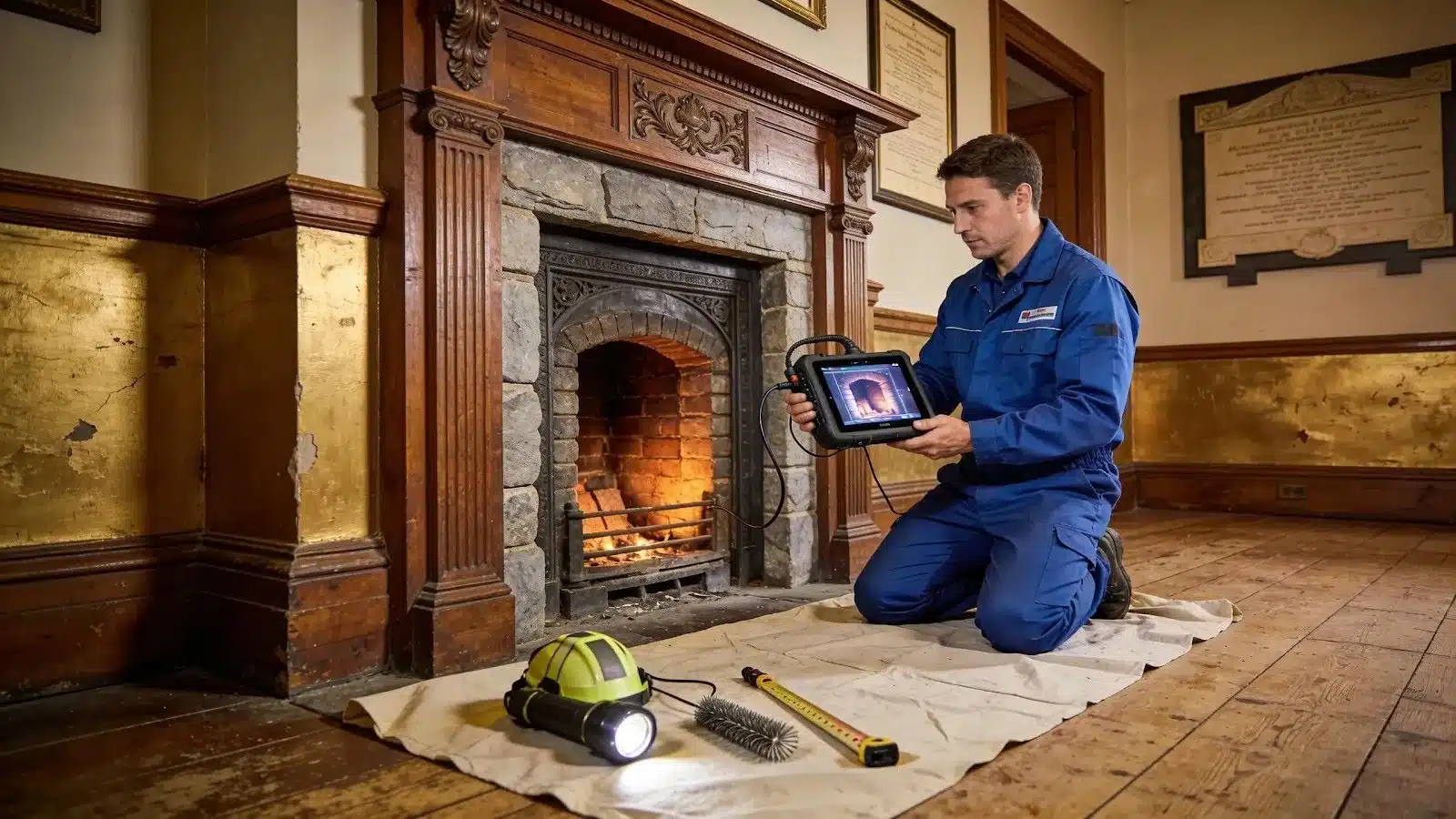
Restoring “historic fireplaces” not only preserves the beauty and character of a home but also contributes significantly to the overall value of historic properties. Today, this comprehensive guide delves into effective techniques and preservation advice for properly restoring these architectural gems.
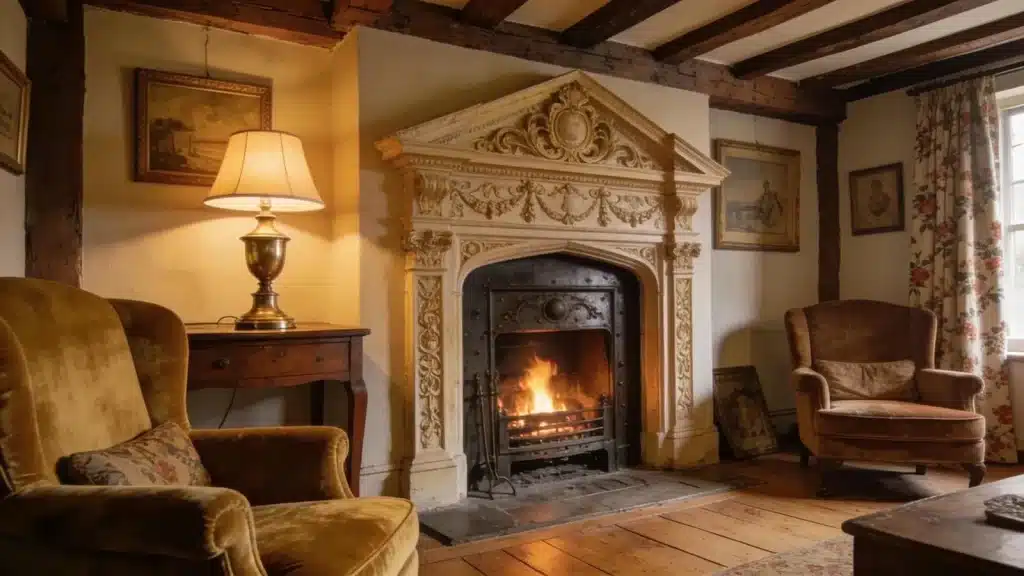
Homeowners often face challenges when attempting to maintain or restore their fireplaces, such as identifying the right materials and methods that honor the original craftsmanship.
What Are the Key Types of Historic Fireplaces and Their Materials?
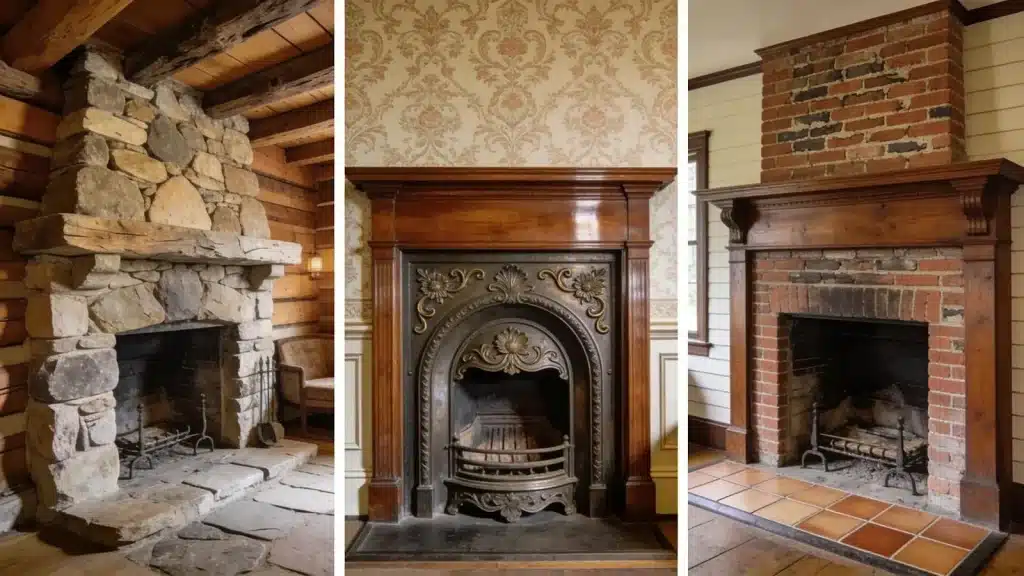
Historic fireplaces come in various styles and materials, each requiring tailored restoration techniques. Common types include stone, cast iron, and brick fireplaces, which all possess unique characteristics and preservation challenges.
Understanding these differences is crucial for effective restoration, as each material has specific needs that can affect both cleaning and overall integrity. For instance, stone fireplaces often require careful moisture management, while cast iron units may need specific cleaning solutions that prevent rusting or damage.
Restoration Needs for Stone, Cast Iron, and Brick Fireplaces
Restoration needs vary greatly among stone, cast iron, and brick fireplaces. Stone fireplaces demand gentle cleaning methods to avoid damaging the porous surface, while cast iron requires rust prevention techniques and specialized cleaning agents that can safely remove soot.
Brick fireplaces often face issues with mortar decay, necessitating restoration methods that focus not just on the bricks themselves but on the entire structure to ensure stability and aesthetic value. Each type of fireplace requires a unique approach, highlighting the complexity and importance of understanding the individual restoration needs of these materials.
What Defines a Period Fireplace in Heritage Properties?
Period fireplaces are characterized by specific architectural elements that reflect the historical context in which they were built. Key features include the design style, materials used, and the overall craftsmanship, all of which tell a story about the home’s history and its inhabitants.
Understanding these characteristics is essential for restoration work, as it helps maintain the historical integrity of the property. Proper documentation of architectural styles and local building traditions can significantly enhance the authenticity of the restoration process.
Which Cleaning and Maintenance Techniques Preserve Historic Fireplaces Safely?
Maintaining the integrity of a historic fireplace involves the use of appropriate cleaning and maintenance techniques that avoid damaging original features. Regular cleaning prevents soot and grime buildup, which can not only mar the appearance but also pose safety hazards.
Safe Cleaning Methods for Historic Fireplaces
To clean a historic fireplace safely, it is crucial to use non-abrasive cleaning solutions and soft-bristle brushes. Begin by removing loose debris with a gentle sweep, followed by a careful application of a mild detergent mixed with water. Avoid harsh chemicals that can erode the original materials.
When cleaning cast iron, utilize special rust-inhibiting sprays designed for the surface. Always make sure to test any cleaning agents on a small, inconspicuous area first to assess any potential damage.
Regular Maintenance for Preventing Antique Fireplace Deterioration
Regular maintenance of antique fireplaces involves scheduled inspections, routine cleaning, and prompt repairs to any identified issues. Homeowners should replace worn-out mortar joints, inspect the flue and chimney for blockages, and ensure that any seals and dampers are functioning correctly.
Regular checks can identify early signs of deterioration, which can help in preserving the fireplace’s functionality and aesthetic appeal, reducing long-term restoration costs.
What Repair and Restoration Methods Ensure Authentic Fireplace Conservation?
Restoring a historic fireplace is not only about aesthetics; it also involves ensuring its functionality and safety. This requires utilizing repair methods that respect and maintain the original craftsmanship and materials as much as possible.
Structural Repairs for Stone and Brick Fireplaces
Structural repairs on stone and brick fireplaces may involve repointing joints with appropriate mortar materials designed to match the original. Restoration specialists often employ traditional methods to ensure that repairs are not only visually consistent but also structurally sound. Assessing the stability of the fireplace structure is crucial, as inadequate repairs can lead to larger issues down the road.
Cast Iron Fireplace Restoration Methods
Restoration of cast iron fireplaces is appropriate when there are significant signs of wear or when deterioration affects functionality. This can include issues such as rust, crumbling mortar, or warping.
Restoration involves stripping old paint, applying rust inhibitors, and sometimes re-casting missing parts. Maintaining the historical finish is essential, and using powder coating can protect the surface while respecting the fireplace’s aesthetic.
How to Comply with Safety Standards and Hire Restoration Experts in London?
Understanding safety standards and hiring qualified restoration experts is essential for any restoration project, particularly in heritage properties where regulations may be stringent.
Fire and Chimney Safety Regulations for Historic Fireplaces
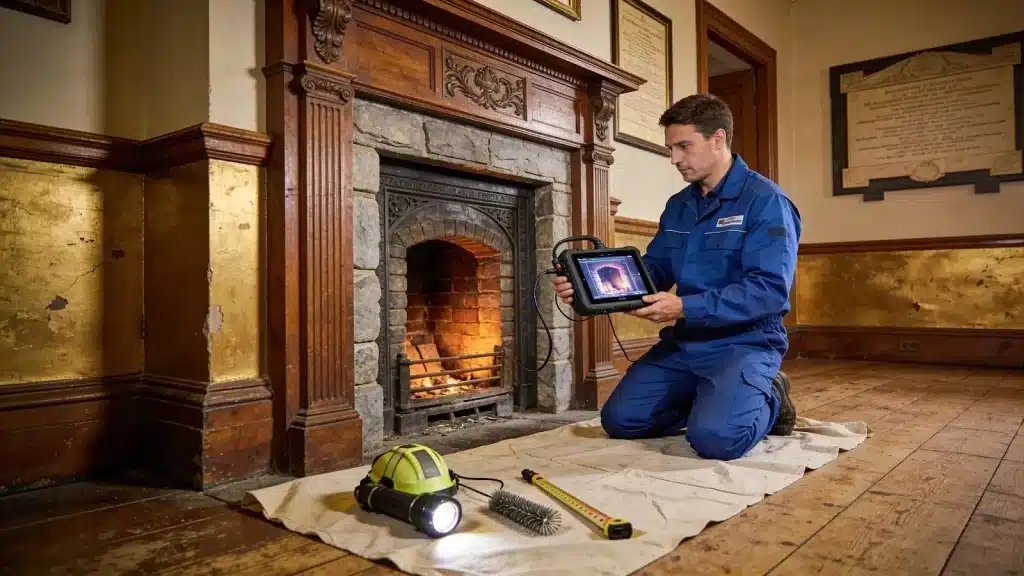
Key safety regulations for historic fireplaces often include ensuring proper ventilation, compliance with building codes, and adherence to local fire safety ordinances.
Homeowners should familiarize themselves with these regulations to avoid legal and safety issues during the restoration process. Regular chimney inspections should be part of any maintenance routine, ensuring proper functioning and safety.
Choosing a Fireplace Restoration Specialist for Period Properties
When selecting a “fireplace restoration specialist”, look for practitioners with a proven track record in historic preservation. Ask potential contractors about their project experience and request references.
Assessing their previous work can provide insights into their attention to detail and expertise. Ensure that they are knowledgeable about both local regulations and best practices in preservation, particularly regarding historic materials and techniques.
Historic Fireplace Restoration with Environ Restoration Services
At Environ Restoration Services, we restore and repair period properties across London. Our work focuses on preserving original character and historic details. We understand that features such as fireplaces need careful treatment and suitable restoration methods.
Our period property services include open fireplace restoration. We also carry out brickwork, repointing, and chimney repairs where required. These services can help address deterioration around historic fireplaces while respecting the materials and design of the property.
Environ Restoration Services, we assess each period building before planning the work. Our team uses traditional craftsmanship alongside modern restoration techniques. We aim to retain original features wherever practical and provide repairs suited to the individual property.
Frequently Asked Questions
Why is restoring a historic fireplace better than replacing it?
Restoring a historic fireplace preserves the beauty and character of a period property while safeguarding its architectural heritage. Unlike replacement, restoration retains original craftsmanship, materials, and design details that reflect the home’s history and its inhabitants. This approach also protects the property’s value, as historic properties with intact original features are generally more desirable. Effective restoration addresses both aesthetics and functionality, using techniques suited to the fireplace’s specific material, whether stone, cast iron, or brick, so the structure remains safe, stable, and authentic. Choosing restoration over replacement therefore supports both heritage preservation and long-term property value.
What are the signs that a historic fireplace needs restoration?
Common signs that a historic fireplace needs restoration include mortar decay in brick and stone fireplaces, which can compromise structural stability, and rust, crumbling mortar, or warping in cast iron units. Soot and grime buildup can also mar the fireplace’s appearance and pose safety hazards if left unaddressed. Worn-out mortar joints, blocked flues or chimneys, and malfunctioning seals and dampers are further indicators identified during regular inspections. Recognizing these issues early allows homeowners to schedule prompt repairs, preserving both the fireplace’s functionality and its aesthetic appeal while reducing the scope and cost of future restoration work.
How often should a historic fireplace be inspected?
Historic fireplaces should be inspected on a scheduled, regular basis as part of routine maintenance rather than only when problems become visible. This includes checking for worn-out mortar joints, inspecting the flue and chimney for blockages, and confirming that seals and dampers are functioning correctly. Regular chimney inspections should also be built into any ongoing maintenance routine to ensure proper functioning and safety. Consistent inspection schedules help homeowners catch early signs of deterioration before they escalate, preserving the fireplace’s functionality and appearance while helping to reduce the long-term costs associated with more extensive restoration work.
What should homeowners ask a fireplace restoration specialist before hiring them?
Homeowners should ask a prospective fireplace restoration specialist about their project experience and request references from previous historic preservation work. Reviewing past projects offers insight into their attention to detail and overall expertise with period properties. It is also important to confirm that the specialist is knowledgeable about local regulations, including building codes and fire safety ordinances, as well as best practices for working with historic materials and traditional techniques. Choosing a specialist with a proven track record in heritage restoration helps ensure the work respects the fireplace’s original craftsmanship while meeting safety standards.