Maintaining the appearance and integrity of brick surfaces is essential for both aesthetic appeal and structural longevity. Whether dealing with modern constructions or historic properties, proper brick cleaning techniques help remove dirt, stains, and biological growth while preserving the masonry.
Today, this article addresses common questions about brick cleaning, recommends effective products and eco-friendly methods, and highlights the benefits of professional services. Additionally, it offers practical maintenance tips to ensure your brick facades remain in excellent condition for years to come.
Common Brick Cleaning Questions
Owners and managers commonly ask about methods, risks, and outcomes. Understanding correct practices helps ensure effective cleaning while avoiding harm to the brickwork.
- What are the first steps in preparing for brick cleaning? Preparation is crucial. Start by assessing the bricks and identifying areas of heavy staining or damage. Remove loose debris, such as dirt or moss, and cover nearby plants or surfaces to protect them from cleaning solutions.
- What are the common cleaning methods for bricks? There are several methods for cleaning bricks, including soft washing, steam cleaning, and chemical cleaning. Soft washing uses low-pressure water combined with eco-friendly detergents to gently remove dirt and stains. Steam cleaning employs high-temperature steam to lift grime without harsh chemicals. Chemical cleaning uses specific agents designed for brick surfaces and should be applied with caution to avoid damage.
- Why is it important to hire professional services for brick cleaning? Professional services bring expertise in handling various types of brick and masonry. They understand the specific needs of historic properties and can select appropriate cleaning methods and products to avoid damage. Professionals also ensure the cleaning process is safe and effective, ultimately saving time and money in the long run.
Recommended Brick Cleaning Products
Select products that clean effectively while preserving the masonry. The following options are commonly recommended for different levels of soiling:
| Product | Type | Effectiveness |
|---|---|---|
| Vinegar and Water Mixture | Natural Cleaning Solution | Effective for light cleaning and removing stains |
| Mild Detergent | General Cleaning Agent | Suitable for regular maintenance and dirt removal |
| Eco-Friendly Brick Cleaner | Chemical Cleaner | Designed specifically for brick surfaces, safe for the environment |
When used appropriately, these products help maintain brick appearance while reducing environmental impact.
How to Choose Safe and Effective Products for Brick Facade Maintenance
Match product strength to the brick type and the stain. Vinegar solutions suit light soiling; purpose‑made cleaners work better for stubborn residue. Prefer eco‑friendly products that clean thoroughly without harming masonry or the surrounding environment.
Eco-Friendly Cleaning Techniques
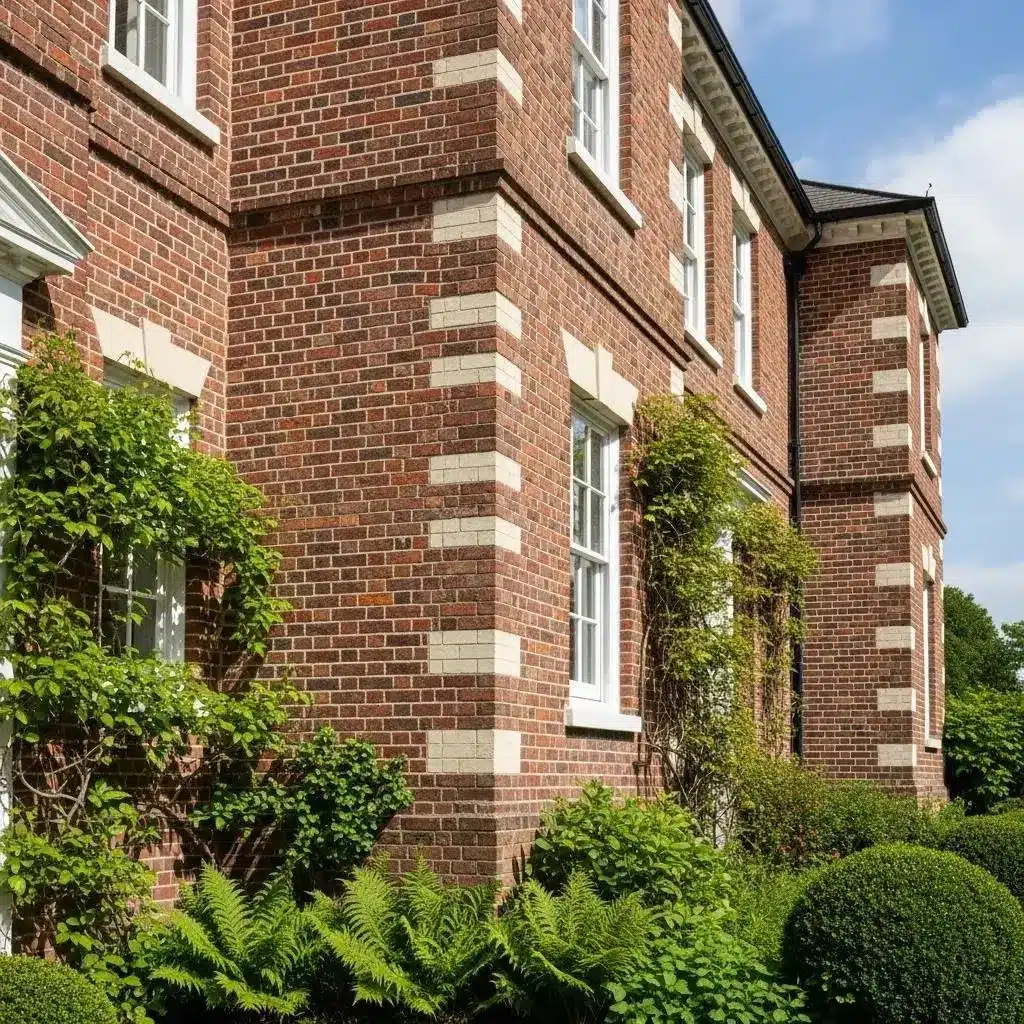
Eco‑friendly techniques protect both the environment and the masonry. They are increasingly preferred for sustainable property maintenance.
- Gentle Cleaning Methods: Techniques such as soft washing utilize low-pressure water and biodegradable detergents to clean bricks without causing damage.
- Biodegradable Cleaning Agents: Opting for cleaning agents that break down naturally helps minimize environmental impact while effectively cleaning surfaces.
- Water Conservation Techniques: Using methods that require less water, such as steam cleaning, can significantly reduce water usage during the cleaning process.
Professional Brick Cleaning Services
Engaging professional brick cleaning services delivers clear benefits, especially for historic properties that require specialist care. Trained technicians bring the knowledge and equipment to manage complex cleaning tasks safely and effectively.
- Expertise in Handling Historic Properties: Professionals understand the unique requirements of older bricks and can tailor their cleaning methods accordingly.
- Long-Term Cost Efficiency: While hiring professionals may seem like a higher upfront cost, it can save money over time by preventing damage and ensuring the longevity of the brickwork.
- Health Benefits of Professional Cleaning: Professionals can safely remove mold, mildew, and other harmful substances that may pose health risks to occupants.
Maintenance Tips for Historic Properties
Preserving historic brick properties requires proactive care to maintain longevity and appearance. The following measures support long‑term preservation:
- Regular Cleaning Schedules: Establish a routine cleaning schedule to prevent the buildup of dirt and grime, which can lead to more significant issues over time.
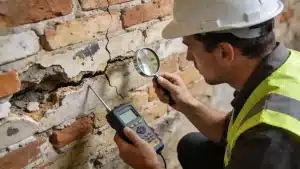
- Inspection Tips: Regularly inspect the brickwork for signs of damage or deterioration, such as cracks or loose mortar, and address these issues promptly.
- Protective Measures Post-Cleaning: After cleaning, consider applying a breathable sealant to protect the bricks from moisture and staining while allowing them to breathe.
Following these maintenance measures helps owners preserve the integrity and appearance of historic brickwork over time.
Environ Restoration Services: Expert Brick Cleaning & Preservation
At Environ Restoration Services, we specialize in professional brick cleaning and restoration tailored to both modern and historic properties. Our team combines expert knowledge with eco-friendly techniques to ensure your brickwork is cleaned safely and effectively, preserving its integrity and appearance.
We understand the unique challenges of maintaining historic masonry and offer customized solutions that protect your investment while minimizing environmental impact. Whether you need routine maintenance or specialized restoration, Environ Restoration Services is committed to delivering high-quality results with a focus on sustainability and care.
Contact us today to learn more about our services and how we can help maintain the beauty and longevity of your brick facades.
Frequently Asked Questions
What are the signs that my brick needs cleaning?
Visible dirt, staining, or discoloration, especially where the masonry is exposed to moisture or pollution, indicates a need for cleaning. Growth of moss, mold or mildew shows the surface is retaining moisture. If bricks appear dull or have lost their original color, cleaning is advisable. Regular inspections help detect these issues early and prevent more extensive deterioration.
Can I use pressure washing for brick cleaning?
High‑pressure washing is generally unsuitable for brick and is particularly inappropriate for historic or delicate masonry. Excessive pressure can damage mortar joints and the brick face, accelerating deterioration. Choose gentler approaches such as soft washing or steam cleaning, which use lower pressure and reduce risk. Always assess brick condition before selecting a cleaning method.
How often should I clean my brick surfaces?
Cleaning frequency depends on location, exposure, and brick type. As a guideline, plan cleaning every 1 to 3 years to limit dirt and staining. Properties in high‑pollution or high‑moisture areas may require more frequent attention. Use routine inspections to set the optimal schedule for your site.
Are there any DIY methods for cleaning bricks?
There are effective DIY options for light maintenance. A vinegar‑and‑water solution works for minor stains; a mild detergent suits routine cleaning. For persistent staining, a purpose‑made, eco‑friendly brick cleaner can be used. Test any product on a small, inconspicuous area first and use appropriate personal protective equipment when handling cleaners.