Repairing historic masonry is essential for preserving the integrity and beauty of period properties. Employing the right techniques not only ensures the longevity of the structure but also maintains the historical authenticity that defines these unique buildings.
Today, this article explores effective techniques for repairing historic masonry, detailing traditional methods, appropriate materials, structural assessments, and maintenance practices. Readers will gain insights into how these techniques contribute to sustainable restoration efforts and the preservation of historic buildings.
What Are the Traditional Masonry Repair Methods Used in Historic Restoration?
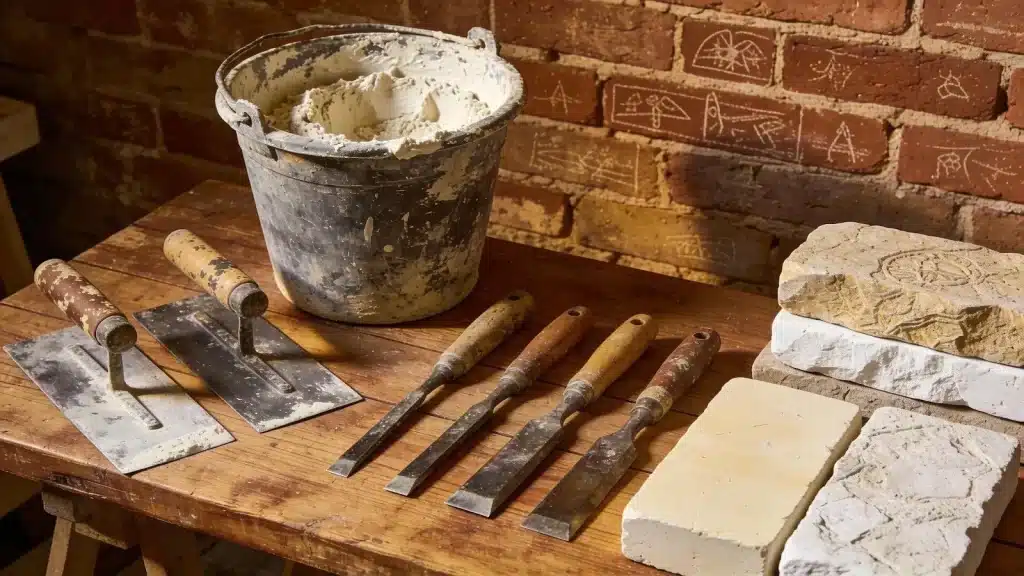
Traditional masonry repair methods are the cornerstone of effective historic restoration. These techniques emphasize the need to maintain the integrity and appearance of the original structure, often using materials and practices that are compatible with historic methods.
Among the most relied-upon traditional techniques is the use of lime mortar. It can offer greater flexibility and breathability than harder cement-rich mortars.
Lime mortar allows for the natural movement of masonry structures, which is critical in older buildings where settling or minor shifts can occur. Using these traditional approaches can help preserve the aesthetics of historic buildings and support their structural integrity over time.
Lime Mortar Repointing for Heritage Stonework
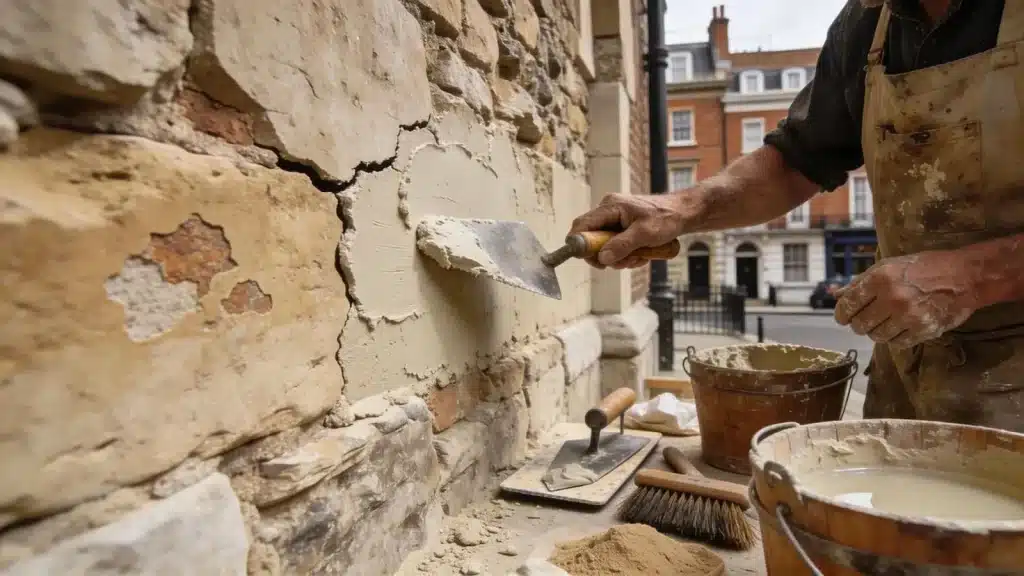
Lime mortar repointing for heritage stonework involves several steps to help the new mortar remain compatible with the existing masonry. Initially, the old mortar is carefully removed to a suitable depth based on the joint condition and conservation requirements. Once the joint is clear, it’s essential to dampen the stone to prevent it from absorbing moisture from the new mortar too quickly.
The repointing procedure requires mixing lime with aggregates and water to achieve the appropriate consistency. Applying the mortar should be executed in layers, allowing each to slightly set before applying the next for better adhesion.
Proper tooling helps the new mortar follow the original profile, supporting the building’s historical appearance. This technique can help maintain the visual character and serviceability of masonry work in historic structures.
Stone Repair Techniques for Period Property Walls
Various stone repair techniques are crucial for preserving the walls of period properties. Depending on the damage, repairs may include indenting with compatible stone, specialist mineral consolidation, or carefully selected conservation treatments. For more serious damage, it may be necessary to replace entire stones. New pieces should closely match the original visually and physically.
One recommended method is stone indent repair, which uses carefully selected compatible stone shaped to fit the damaged area. This approach can minimise the impact on the original structure while addressing localised damage. Each technique requires skilled craftsmanship to maintain the delicate balance between restoration and preservation.
Which Materials Are Best Suited for Conservation of Historic Stonework?
Choosing the right materials is paramount in the conservation of historic stonework. Suitable options often include compatible lime-based materials, selected according to the existing masonry and its moisture behaviour.
Lime mortar and conservation-compatible materials can accommodate limited movement and moisture transfer. This may reduce cracking and spalling associated with hard, incompatible repairs.
The importance of selecting materials compatible with the original fabric cannot be overstated, as improper choices can lead to accelerated deterioration. Each material’s properties should be carefully assessed to ensure compatibility with the historic fabric of the building.
Lime Mortar and Conservation-Compatible Materials for Masonry
Lime mortar is favored in historic masonry for several reasons. First, its breathability allows for moisture management, reducing the risk of trapped water within the walls, which can lead to decay. Secondly, an appropriately specified lime mortar can be more compatible with historic stone than hard cement-rich mortar. This can reduce the risk of damaging adjacent masonry.
Choosing conservation-compatible materials is vital. Suitable materials should work with older structures without unnecessarily compromising their aesthetic or physical qualities.
Material Impact on Structural Integrity and Sustainable Repairs
The impact of materials on the structural integrity and sustainability of repairs is significant. Using inappropriate materials can lead to a host of issues, including increased moisture retention, which exacerbates decay and could potentially lead to structural failure.
Moreover, durable, compatible repair materials can support the building’s long-term preservation for future generations. The careful selection of historically accurate and compatible materials directly influences the overall health and longevity of masonry.
How Is Structural Assessment Conducted Before Historic Masonry Repair?
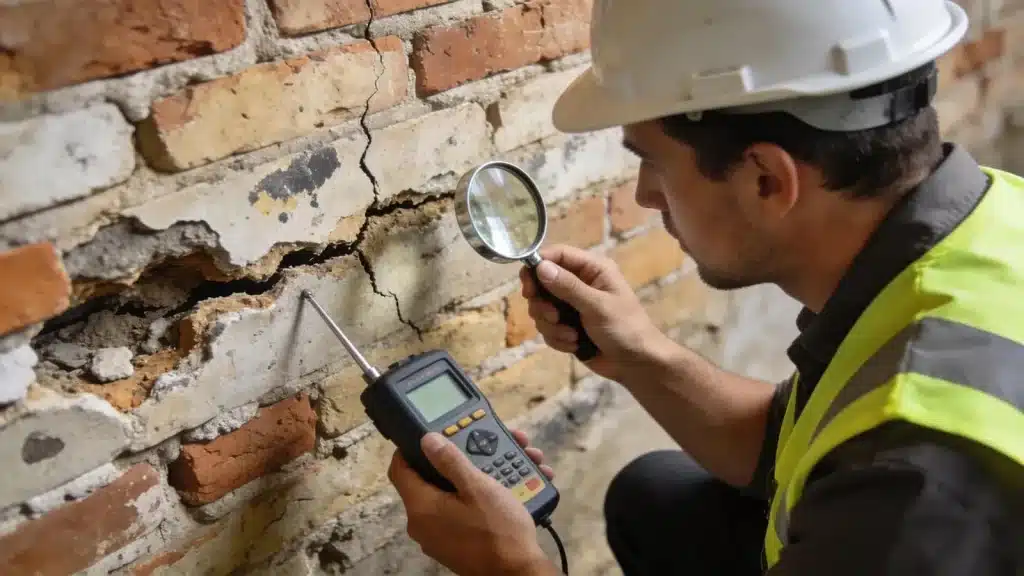
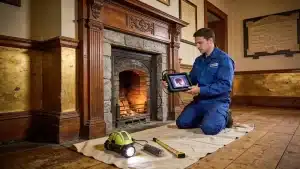
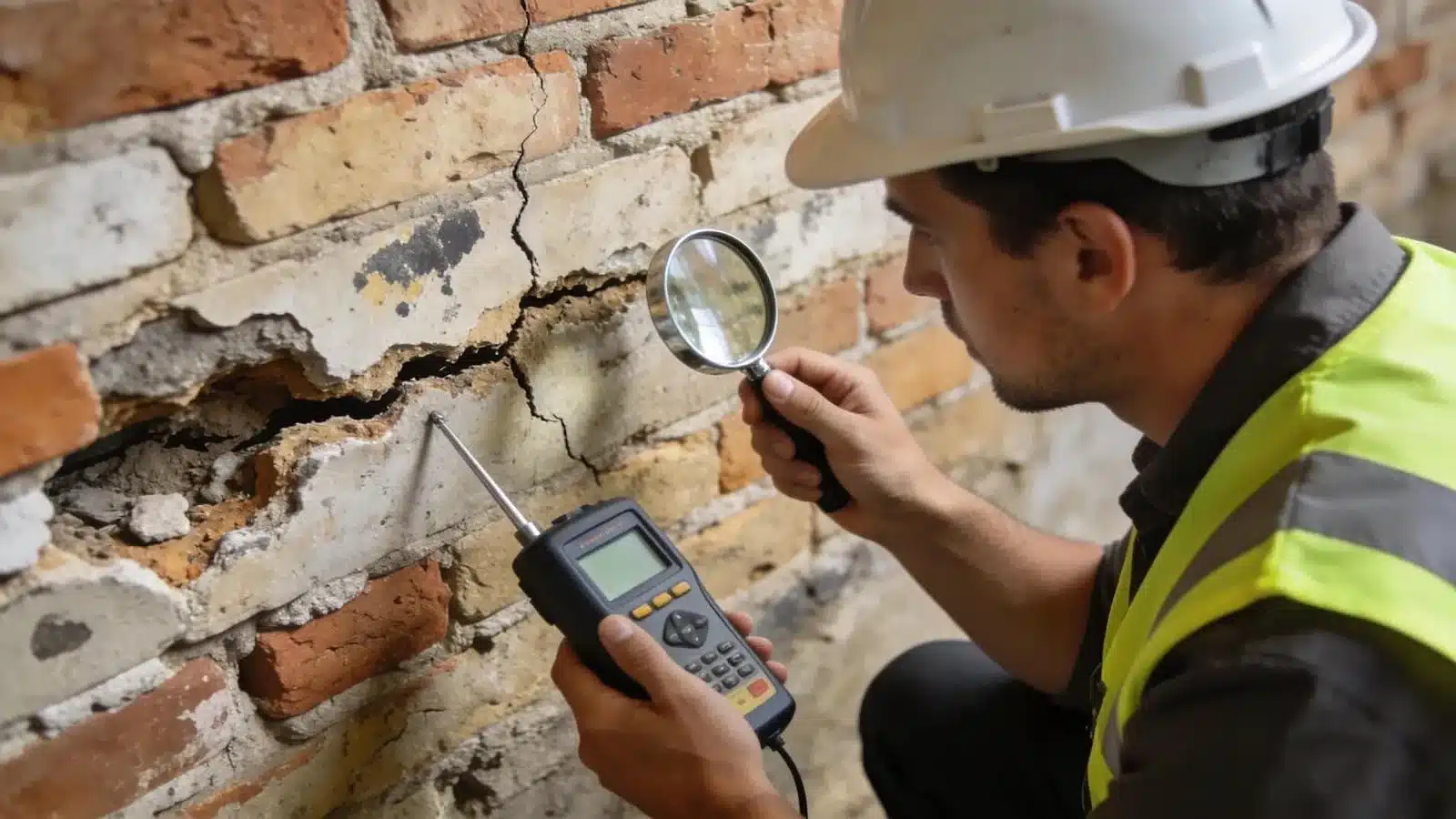
Conducting thorough structural assessments prior to any repair is crucial for the long-term success of masonry restoration. These assessments involve examining the extent of deterioration, identifying any damage such as cracks or moisture issues, and determining the underlying causes. Advanced diagnostic methods, including infrared thermography and moisture mapping, may be used where appropriate to investigate specific conditions.
A comprehensive assessment helps restoration professionals develop tailored repair plans that address specific issues. This supports effective and appropriate restoration work.
Damage Diagnosis Methods for Masonry Cracks and Decay
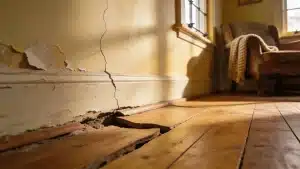
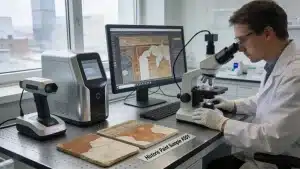
Several techniques are available for diagnosing damage in masonry structures. Visual inspections remain a fundamental approach, supplemented by more advanced methods like moisture meters and ultrasonic testing. Different methods can provide evidence about cracks, decay, and other potential issues that might otherwise go unnoticed.
These diagnostic techniques are critical in determining the right course of action for repairs, as they provide valuable data that informs the methods and materials selected for restoration.
Structural Assessment for Tailored Masonry Repair Plans
Tailored masonry repair plans are a direct result of structural assessments. By comprehensively understanding the specific issues present in a building, restoration professionals can customize their approach to each unique situation. This might involve selecting appropriate repair methods, determining the materials needed, or specifying structural interventions where necessary.
Aligning repair strategies with assessment findings can reduce the risk of recurring damage and improve the effectiveness of restoration efforts.
What Are Effective Maintenance and Preventive Care Practices for Historic Masonry?
Effective maintenance and preventive care practices are essential in prolonging the life of historic masonry. Regular inspections and timely repairs help identify issues before they escalate, making maintenance a proactive approach to preserving historic properties.
Routine care can help keep buildings structurally sound and visually appealing. Skilled professionals can address the unique challenges associated with historic masonry.
Regular Inspections to Prevent Period Property Wall Deterioration
Regular inspections focus on identifying signs of deterioration, such as efflorescence, cracking, or failing mortars. Setting a suitable inspection schedule based on the building’s condition and exposure allows for timely interventions.
Effective maintenance addresses visible wear and underlying moisture sources. Appropriate cleaning and compatible protective measures may help limit further deterioration.
Conservation Standards for Sustainable Historic Masonry Care
Adhering to established conservation standards is vital for supporting appropriate, sustainable care of historic masonry. Standards set forth by recognized bodies provide guidelines on the appropriate methods and materials to use for restoration, aiming to achieve a balance between preservation and functionality.
Following these standards promotes good conservation practice and supports the long-term preservation of historic properties for future generations.
Historic Masonry Repair with Environ Restoration Services
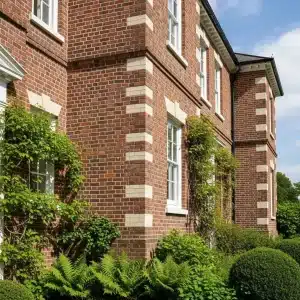
At Environ Restoration Services, we restore and maintain historic and period properties across London. Our team works with traditional masonry, brickwork, stonework, and heritage buildings. We understand that older structures require careful repair methods and compatible materials.
We provide stone restoration, brickwork repairs, and specialist repointing. Our repointing work can use traditional lime mortar to help retain the character and integrity of period masonry. We also carry out heritage and listed building refurbishment.
Environ Restoration Services can assess the condition of a property before restoration work begins. We use our findings to determine suitable repairs for the existing building fabric. We aim to preserve original architectural features while addressing damaged or deteriorated masonry with appropriate restoration techniques.
Frequently Asked Questions
What causes historic masonry to deteriorate over time?
Historic masonry typically deteriorates due to a combination of moisture issues, cracking, and failing mortar joints. Trapped water within walls, often caused by non-breathable repair materials, exacerbates decay and can eventually threaten structural integrity. Natural settling or minor shifts in older buildings can also produce cracks, while efflorescence signals moisture moving through the stone. Using materials incompatible with the original fabric accelerates this deterioration further. Because these issues often develop gradually and are not always visible, regular structural assessment and diagnostic testing are essential to catch damage early, before it compromises the building’s long-term stability.
How is a damaged stone repaired without replacing the entire wall?
Rather than removing a whole section of walling, restoration professionals often use stone patch repairs, carefully selecting a compatible stone and shaping it to fit seamlessly into the existing structure. Where damage is less severe, consolidating the stone with epoxy resin or applying protective surface treatments can halt further decay without removal. These targeted approaches minimise disruption to the original masonry while restoring both its appearance and structural performance. For more extensive damage, full stone replacement may still be necessary, but wherever possible, conservation favours the least invasive method that maintains historical authenticity.
How does moisture affect the condition of historic masonry?
Moisture is one of the most damaging factors for historic masonry, as trapped water accelerates decay and can ultimately lead to structural failure if left unaddressed. This is why breathable, lime-based materials are favoured over modern cement, since they allow moisture to escape naturally rather than becoming sealed within the walls. Diagnostic tools such as moisture meters and moisture mapping help restoration professionals identify problem areas before damage becomes severe. Preventive measures, including waterproofing treatments and routine surface cleaning, further help manage moisture exposure and protect period properties from ongoing deterioration.
What is stone consolidation and when is it used?
Stone consolidation is a conservation technique used to strengthen deteriorating stonework, typically by applying epoxy resin to stabilise stones that are cracked, crumbling, or structurally weakened. It is generally chosen when a stone retains enough of its original material to be saved, offering an alternative to full replacement. This method allows restoration teams to preserve as much original fabric as possible, which is central to maintaining a building’s historical authenticity. Consolidation is often used alongside other techniques, such as surface treatments or stone patching, depending on the specific extent and nature of the damage present.