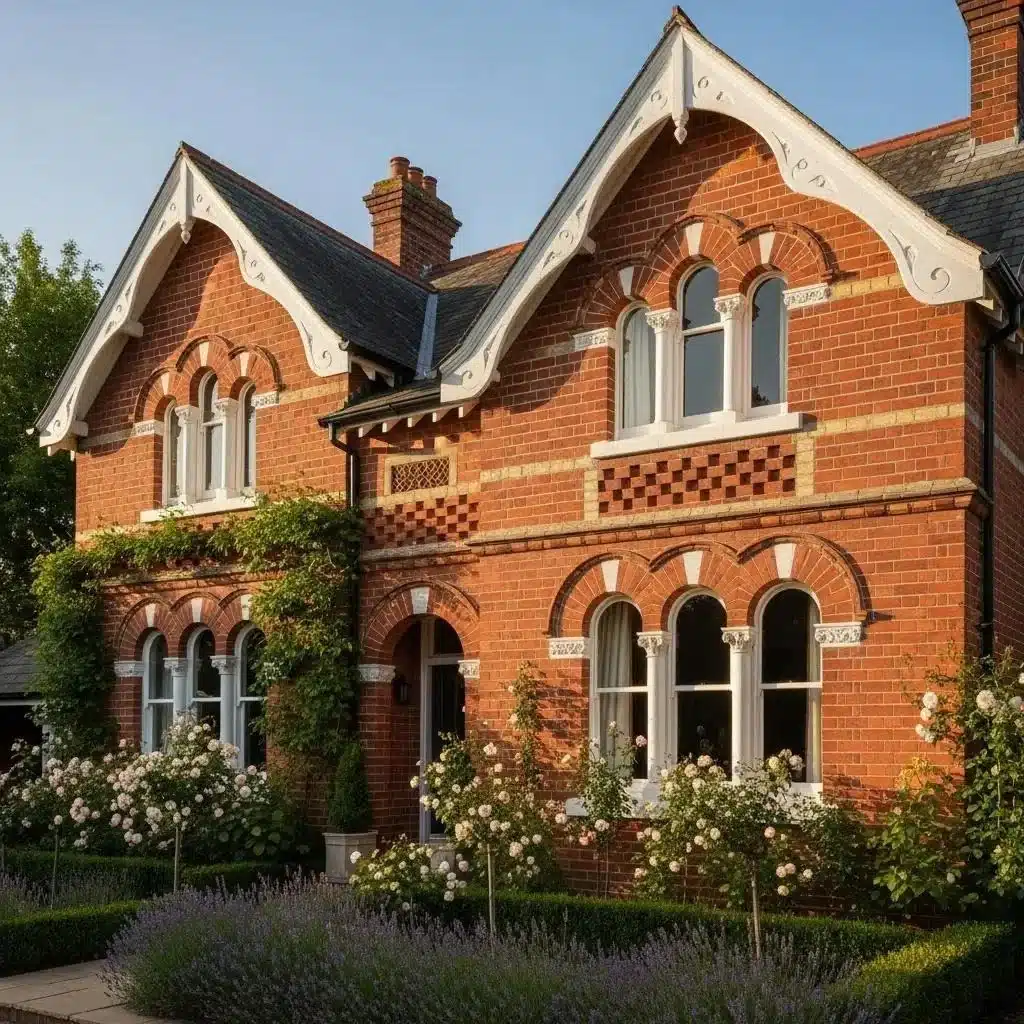
Maintaining heritage brickwork needs careful, material-sensitive cleaning. Historic bricks and mortars have different compositions and patinas, so methods must remove dirt and biological growth while protecting the original fabric.
Below, we summarise suitable techniques, common challenges, the influence of lime mortar, and conservation-led professional options.
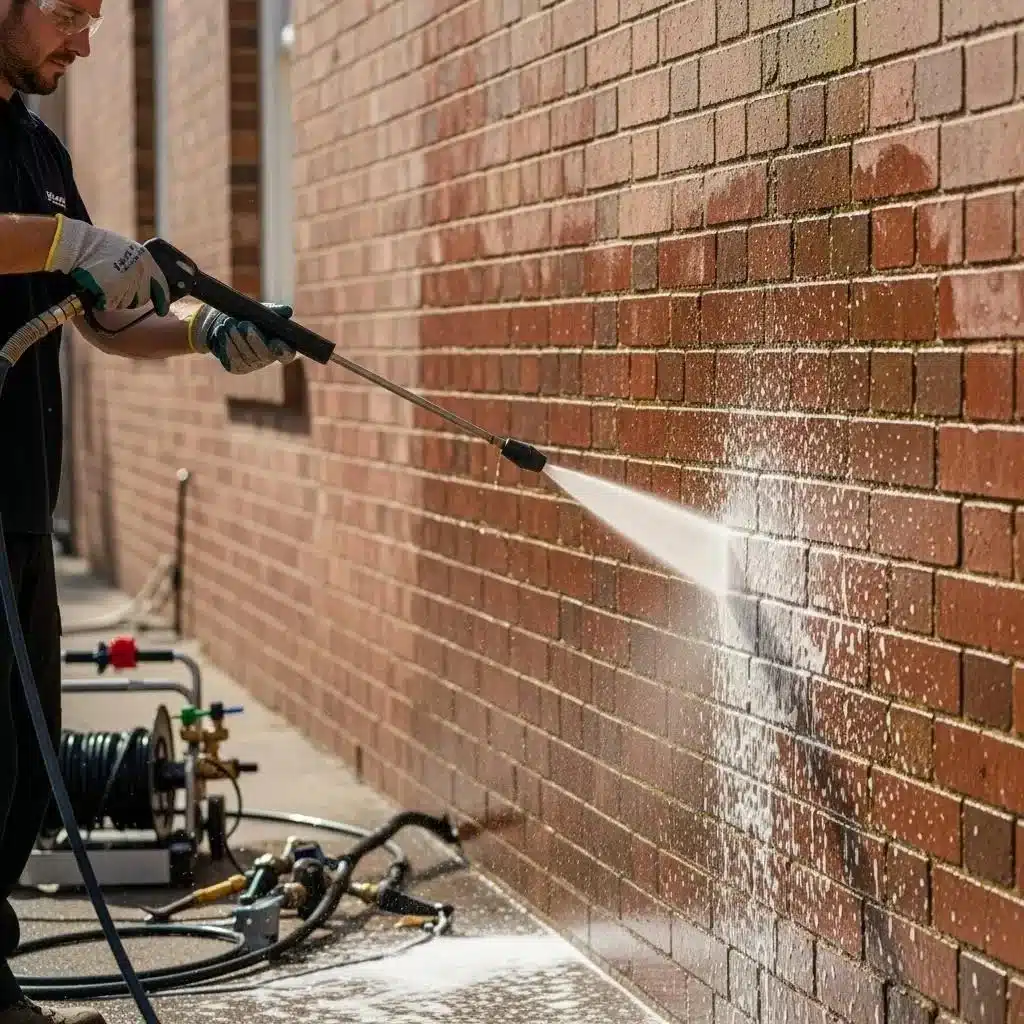
The most effective brick cleaning methods for preserving and maintaining heritage homes include:
Choose low-impact, tested techniques that suit the masonry and its mortar.
- Gentle Cleaning Techniques: Soft washing and low-pressure methods remove surface grime with minimal risk.
- Steam Cleaning: High-temperature steam removes biological growth without strong chemicals.
- Natural Cleaning Solutions: Mild agents such as diluted vinegar or baking soda can work for light soiling.
For specialist work, Environ Restoration Services offers brick cleaning and heritage restoration services in London designed to match specific material needs.
What Are the Key Challenges in Cleaning Heritage Brickwork?
Historic masonry is vulnerable to inappropriate tools, unsuitable chemicals, and poor rinsing. These mistakes can cause surface loss, mortar erosion, or lasting residue.
- Overuse of Abrasive Tools: Abrasives can scratch and remove surface character.
- Harsh Chemicals: Strong cleaners may erode brick and mortar.
- Poor Rinsing: Residues attract dirt and can accelerate decay.
Understanding these risks helps select methods that remove contaminants while preserving original materials.
Lime Mortar Influences Cleaning Techniques
Lime mortar is more porous and flexible than cement mortars; it absorbs moisture differently and tolerates gentler cleaning better. Identifying mortar type informs testing and the choice of compatible cleaning methods.
- Easier to Clean: Lime mortar often accepts milder cleaning without damage.
- Compatibility: Traditional, low-impact approaches tend to work well with lime-based joints.
Risks That Traditional Cleaning Methods Pose to Period Properties
Generic or aggressive cleaning can strip protective layers, erode material, or damage mortar. Common problems arise from unsuitable chemicals, excessive pressure, or inexperienced techniques.
- Harsh Chemicals: Can cause long-term material loss and costly repairs.
- High-Pressure Washing: May remove surface texture and weaken joints.
- Improper Techniques: Inexperienced treatment risks irreversible harm.
Choose conservation-led methods that prioritise material integrity and long-term performance.
Which Professional Brick Cleaning Services Best Preserve Heritage Facades?
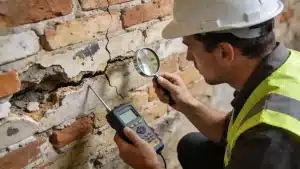
Use teams experienced in heritage conservation; they will test small areas, prepare site-specific plans, and document outcomes to avoid unintended damage.
- Heritage Specialisation: Contractors versed in historic fabric tailor methods to the building.
- Modern Conservation Practices: Eco-friendly products and monitored techniques minimise risk.
Environ Restoration Services is presented on its website as a provider of brick cleaning and heritage restoration services in London.
Environmentally Sensitive Cleaning Agents
Prefer biodegradable and low-toxicity products or simple household agents for light soiling; always follow test-panel results.
- Natural Solutions: Diluted vinegar or baking soda for minor stains.
- Eco-Friendly Agents: Biodegradable cleaners for tougher deposits.
Appropriate agent selection protects both the building and the local environment.
Cleaning Plans Protect Architectural Integrity
Bespoke plans begin with inspection and material assessment, followed by test panels and clear outcome criteria. They minimise over-treatment and guide safe intervention.
- Specialist Methods: Custom approaches based on brick-and-mortar characteristics.
- Preventing Damage: Tailored work reduces the risk posed by generic cleaning.
Careful planning aligns treatments with conservation principles.
What Are the Most Effective Brick Cleaning Methods for Heritage Homes?
Low-impact cleaning, appropriate natural agents, and specialist professionals are the core options. Combined, they remove contaminants while retaining historic material.
- Gentle Cleaning Techniques: Soft washing and low-pressure methods to preserve surfaces.
- Natural Cleaning Solutions: Mild, tested agents for light soiling.
- Professional Services: Engage qualified specialists like Environ Restoration Services for complex work.
These approaches reduce repair needs and help retain a property’s historic and aesthetic value.
Steam Cleaning Safely Removes Dirt and Biological Growth
Steam cleaning uses controlled hot steam to loosen grime and growth with minimal chemicals. It is suitable where gentle, non-abrasive action is required.
- High-Temperature Steam: Penetrates deposits to free dirt without strong solvents.
- Eco-Friendly: Reduces chemical use and associated runoff.
Steam is often preferred for conserving delicate masonry when used by trained operators.
Chemical Cleaning and Its Safe Application
Chemical cleaners are for persistent stains that resist mechanical or steam methods. Apply only after test panels, using controlled dosing and thorough rinsing.
- Preparation: Test small areas before wider application.
- Safety: Use protective equipment and follow manufacturer guidance.
Follow test results and guidance to protect masonry and adjacent materials.
How Can Heritage Property Owners Maintain Brickwork After Cleaning?
Post-cleaning care extends results: schedule inspections, use gentle upkeep, and apply targeted treatments only when needed.
- Regular Inspections: Spot issues early to avoid major work.
- Gentle Maintenance: Soft washing for minor soiling between major cleanings.
Conservative, regular maintenance preserves historic materials and minimises interventions.
Best Practices for Ongoing Brickwork Maintenance in London
Urban factors such as pollution and moisture require tailored maintenance. Regular assessment and appropriate protective measures help limit deterioration.
- Frequent Assessments: Monitor effects of pollution and moisture.
- Sealants: Use suitable, breathable products where recommended.
These steps help heritage brickwork withstand urban stressors with minimal invasive treatment.
Facade Cleaning Should Be Scheduled to Preserve Heritage Quality
Frequency depends on exposure, pollution, and masonry condition. Base schedules on inspections and evidence rather than fixed intervals.
- Condition-Based Frequency: High-traffic or polluted sites require more frequent attention.
- Environmental Drivers: Local climate and pollution influence timing.
A tailored schedule maintains aesthetic and structural quality while avoiding unnecessary work.
Why Choose Environ Restoration Services?
At Environ Restoration Services, we specialise in London property restoration and maintenance, offering expert care tailored to the unique needs of historic properties. We understand the delicate nature of heritage masonry and the importance of preserving original materials while effectively removing dirt, biological growth, and pollutants.
Our team employs low-impact, tested cleaning methods such as soft washing, steam cleaning, and environmentally sensitive agents to ensure the integrity of your brickwork is maintained. We conduct thorough assessments and test panels before any work, creating bespoke cleaning plans that align with conservation principles and the specific characteristics of your property.
Frequently Asked Questions
What are the signs that heritage brickwork needs cleaning?
Signs that heritage brickwork requires cleaning include visible dirt, discoloration, biological growth like moss or algae, and efflorescence (white powdery deposits). Additionally, if the brick appears to be absorbing moisture or shows deterioration, such as crumbling mortar or loose bricks, it may indicate that cleaning or repair is necessary. Regular inspections can help identify these issues early, allowing for timely intervention to preserve the integrity of the masonry.
Can I use pressure washing on heritage brickwork?
Pressure washing is generally not recommended for heritage brickwork due to the risk of damaging the surface and mortar. High-pressure water can strip away protective layers, erode the material, and lead to long-term deterioration. Instead, low-pressure methods or soft washing techniques are preferred, as they effectively clean without causing harm. Always consult with a professional experienced in heritage conservation before deciding on cleaning methods.
How can I choose the right cleaning service for my heritage home?
When selecting a cleaning service for your heritage home, look for companies with experience in heritage conservation. Check their credentials, ask for references, and ensure they follow best practices for preserving historic materials. A reputable service will conduct a thorough assessment, provide a tailored cleaning plan, and use appropriate techniques and products. Additionally, inquire about their approach to environmental sustainability and the safety of their cleaning agents.
What maintenance practices can help prevent the need for frequent cleaning?
To minimize the need for frequent cleaning of heritage brickwork, implement regular maintenance practices such as routine inspections, gentle cleaning methods for minor soiling, and addressing any issues promptly. Applying breathable sealants may help protect the brick from moisture and pollutants where appropriate. Additionally, ensuring proper drainage around the property can prevent water accumulation, which contributes to biological growth and deterioration.