Tuck pointing is a masonry restoration method that repairs and refines the mortar joints between bricks using a carefully mixed mortar. The work improves appearance, reduces water ingress, and helps preserve masonry fabric.
In this guide, we cover what tuck pointing is, how it differs from repointing, common materials and tools, benefits for historic properties, and typical cost considerations.
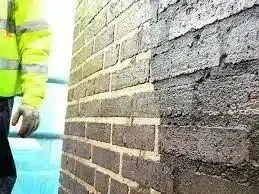
What is tuck pointing, and how does it differ from repointing?
Both tuck pointing and repointing repair mortar joints, but their aims differ. Understanding the distinction helps choose the right approach.
Defining tuck pointing as a masonry restoration technique
Tuck pointing emphasises visual line definition and careful colour matching while also repairing joints. It can help recreate original joint lines and support weather-resistant joints suited to conservation work.
Key differences between tuck pointing and brick repointing
Repointing focuses on renewing exposed mortar to restore strength and weather resistance and may prioritise performance. Tuck pointing adds precise colour and line definition to match historic finishes where appearance is a priority.
What materials and tools are used in professional tuck pointing?
Good results rely on selecting compatible mortars and using the right tools. Contractors use mixes and tooling that suit the masonry, so repairs perform and look correct.
Types of mortar and their composition for tuck pointing
Common mortars are lime-based mixes and proprietary synthetics. Lime mortar offers flexibility and breathability for older masonry; harder repair mortars should only be used where compatible.
Choice depends on existing materials, exposure, and conservation needs. Careful mortar selection is crucial for long-lasting masonry restoration, especially where new work must match existing materials.
Optimizing Mortar for Durable Masonry Restoration
Historic masonry deterioration remains a current challenge. Masonry material properties affect durability and preservation, so restoration methods must be chosen carefully. Successful repairs depend on compatibility with original materials and often require a detailed, time-consuming process to select suitable mortar compositions.
Essential tools and equipment for precise mortar application
Professional tuck pointing requires specific tools to ensure accuracy and quality. Key equipment includes pointing trowels for applying mortar neatly, joint rakers to remove old mortar, brushes for cleaning joints, and mortar boards to hold and mix mortar.
Additionally, masons use pointing irons and tuck pointers to create fine, defined lines that replicate original joint profiles. Proper scaffolding and safety gear are also essential for working at height and maintaining a safe environment.
What are the benefits of tuck pointing for historical and period properties?
Tuck pointing helps retain original character through accurate colour, texture, and tooling while restoring joint integrity. Preserving historic detail can improve appearance and may protect or enhance market value.
Enhancing structural integrity and aesthetic appeal
Replacing worn or missing mortar restores the bond between bricks, reduces moisture paths, and improves structural performance. The finished wall is cleaner and more defined, improving the building’s presentation.
Preserving heritage through expert colour matching and craftsmanship
Skilled masons match mortar colour, texture, and tooling to original work so repairs blend seamlessly and maintain authenticity, an essential factor for conservation projects.
How much does tuck pointing cost in the UK, and what factors influence pricing?
Estimating costs requires assessing property type, scale, access, and mortar choice. Labour, materials, and access needs determine the final price.
Typical cost ranges for tuck pointing services in London
Typical London costs can be higher than standard repointing rates. Specialist tuck pointing may cost significantly more on period properties. It is advisable to obtain multiple quotes to compare proposals and specifications to ensure the best value and quality for your project.
Factors affecting pricing: property type, mortar materials, and project scope
Price is influenced by several factors, including the age of the property, the extent of deteriorated mortar, and the need for scaffolding or special access arrangements. Additionally, the choice of compatible mortar impacts cost. Older or listed buildings often require specialist materials and slower, more careful work.
Why Choose Environ Restoration Services?
At Environ Restoration Services, we specialise in expert tuck pointing and masonry restoration tailored to preserve the integrity and beauty of historic and period properties. We understand the importance of matching original mortar colours, textures, and tooling to maintain authenticity and enhance structural performance.
Our team uses carefully selected materials and precise techniques to support durable, weather-resistant repairs that respect the heritage of your building.
We pride ourselves on combining craftsmanship with modern restoration knowledge to deliver results that not only improve appearance but also help protect your property from moisture ingress and deterioration. Whether your project involves lime-based mortars for breathability or another compatible repair mortar, we customise our approach to suit your specific needs and conservation requirements.
Frequently Asked Questions
How long does the tuck pointing process typically take?
The duration of the tuck pointing process can vary significantly based on the size of the project and the condition of the masonry. Small repairs may take a few days, while larger or complex projects can take several weeks. Factors such as weather conditions, the intricacy of the work, and the availability of materials can also influence the timeline. It’s advisable to consult with a professional for a more accurate estimate based on specific project details.
Can I perform tuck pointing myself, or should I hire a professional?
While DIY tuck pointing is possible, it is often recommended to hire a professional due to the skill and precision required. Professionals have the necessary tools, experience, and knowledge of materials to ensure that the work is done correctly and matches the original masonry. Improper techniques can lead to further damage or aesthetic issues. If you choose to attempt it yourself, thorough research and practice are essential to achieve satisfactory results.
What are the signs that my property needs tuck pointing?
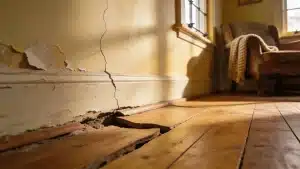
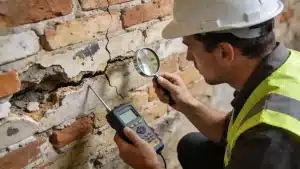
Signs that your property may need tuck pointing include visible cracks or gaps in the mortar joints, crumbling or missing mortar, and water stains on interior walls. Additionally, if you notice bricks that appear loose or are shifting, it may indicate that the mortar has deteriorated. Regular inspections can help identify these issues early, reducing the risk of more extensive damage and costly repairs in the future.
Is tuck pointing suitable for all types of masonry?
Tuck pointing is generally most suitable for brickwork, especially where fine joint definition is needed. However, the specific materials and techniques used may vary depending on the type of masonry and its condition. For historic or delicate masonry, specialized techniques and materials may be required to ensure compatibility and preservation. Consulting with a masonry expert can help determine the best approach for your specific situation.