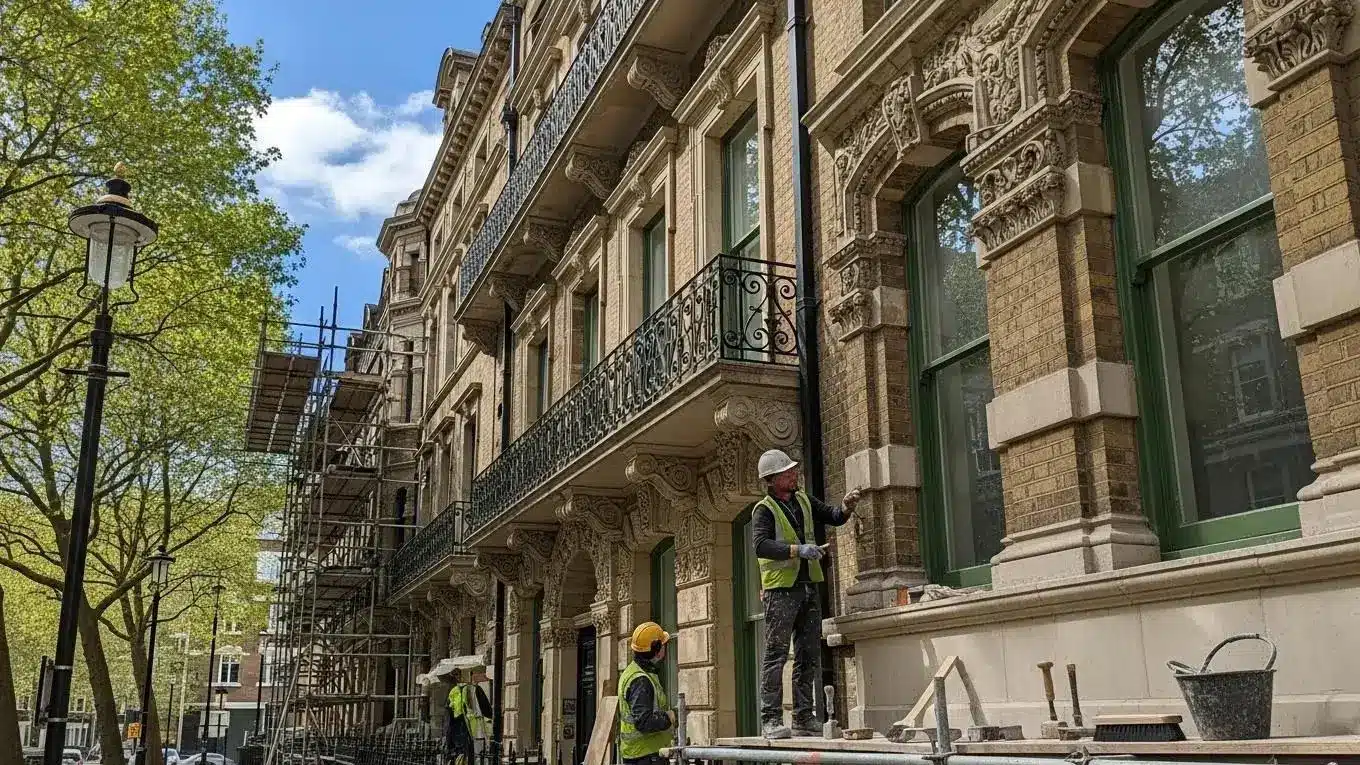
Heritage building restoration in London presents a unique set of challenges that require specialised knowledge and skills to help maintain the historical integrity and structural safety of period properties.
We address these challenges through key topics, including moisture issues, structural integrity, traditional materials, heritage regulations, and restoration planning. Expert solutions are tailored to the particular needs of London’s historic buildings.
Are You Facing Moisture And Damp Issues In Your Heritage Building In London?
Moisture problems in London heritage buildings often include rising damp, penetrating damp, and condensation. Poor insulation and limited ventilation can worsen decay and damage the original building fabric.
Moisture Damage Impacting Structural Integrity In Period Properties
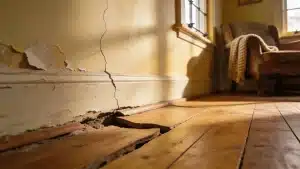
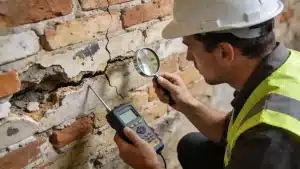
Moisture damage can undermine the structural integrity of period properties. Persistent dampness can cause timber elements to rot and metal fixtures to corrode, which may weaken their load-bearing capacity. Masonry can suffer from salt deposits and frost damage as moisture freezes and expands within pores, leading to cracking and eventual failure.
Damp environments can foster mould growth, posing health risks and further compromising materials. Timely identification and treatment of moisture damage are important for supporting the longevity and safety of heritage buildings.
Effective Damp Control Methods Recommended For Historic Buildings
Effective damp control in heritage buildings focuses on traditional and sympathetic methods that help protect the structure without compromising historical authenticity. One key approach is installing or repairing suitable damp-proof courses, which can help control rising damp effectively.
Maintaining roofs and gutters is also important for reducing water ingress, while improving ventilation systems helps to reduce internal condensation, addressing one of the fundamental causes of dampness. The application of breathable protective coatings further aids in allowing moisture to escape rather than being trapped within walls.
Regular inspections play an essential role, enabling early identification of damp issues before they escalate. Collaborating with specialists helps ensure that all damp control measures are appropriate for the building’s specific materials and conservation status, thus helping preserve its historic integrity.
Do You Know The Most Common Structural Integrity Challenges In London’s Historic Properties?
London’s historic properties can face subsidence, timber decay, and damaged brick or stonework, all requiring careful repair to support long-term stability.
Typical Repair Techniques For Structural Damage
- Structural repairs in heritage buildings should help protect the original construction while improving safety.
- Detailed inspections help identify the extent, cause, and location of structural damage.
- Damp control is often needed to reduce the risk of moisture causing further deterioration.
- Traditional materials, such as lime mortar and seasoned timber, help maintain historic compatibility.
- Foundation issues may require underpinning or stabilisation by specialists experienced in period buildings.
Influence Of Traditional Building Materials
- Traditional materials strongly influence how heritage buildings should be restored.
- Lime mortar, handmade bricks, and historic timber need specialist handling.
- Lime mortar is breathable and flexible, helping moisture escape from masonry.
- Timber repairs should help preserve original grain, strength, and historic character.
- Suitable restoration methods help protect authenticity while improving long-term durability.
Are You Prepared To Navigate London’s Heritage Conservation Regulations?
Heritage property owners must check the listed status, conservation rules, and required permissions before starting restoration work. Early planning authority advice and specialist guidance can reduce delays and support smoother approval.
Permissions Required For Listed Building Restoration
Restoration projects involving listed buildings in London generally require owners to obtain listed building consent for any alterations that have the potential to affect the building’s character or structure.
Depending on the scope and nature of the work, securing planning permission might also be required, especially if the property is located within a conservation area.
It is advisable that property owners liaise directly with their local authority at an early stage to confirm the full range of permissions necessary. This proactive approach can help ensure all legal obligations are met and that restoration work proceeds with fewer regulatory interruptions.
Effects Of Conservation Area Rules On Restoration Projects
Conservation area regulations introduce an additional layer of protection intended to preserve the historic and aesthetic character of specific neighbourhoods. These rules impose stricter controls on external alterations, demolition, and new developments, influencing restoration projects considerably.
Material choices may be limited to those that maintain visual and structural harmony with the area’s heritage, while design approaches often require alignment with traditional architectural styles.
Compliance with conservation area regulations requires thorough documentation and adherence to relevant guidelines to avoid enforcement actions and to support the broader goal of community heritage preservation.
Do You Want To Use Traditional Materials And Techniques Correctly In Your Restoration?
Traditional materials and skilled craftsmanship are essential for sensitive heritage restoration. Lime mortar, careful timber preservation, and accurate construction details help protect authenticity and long-term durability.
Comparison Of Traditional Lime Mortar To Modern Alternatives
- Breathability: Lime mortar allows moisture to escape and helps prevent trapped damp.
- Masonry Protection: Unlike cement mortar, it reduces the risk of damage to historic brick and stone.
- Authentic Repairs: Lime mortar blends with original materials and supports long-lasting restoration.
Importance Of Expertise In Historic Materials
- Material Compatibility: Expert knowledge helps ensure repairs suit the original construction.
- Damage Prevention: Skilled methods reduce the risk of harm to historic fabric.
- Conservation Standards: Proper techniques support compliance with heritage requirements.
- Authenticity Protection: Specialist care preserves the building’s integrity and character.
Why Choose Environ Restoration Services For Heritage Building Restoration?
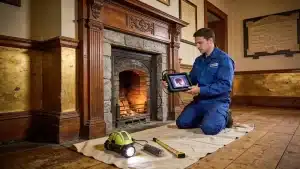
At Environ Restoration Services, we specialise in the sensitive and professional restoration of heritage buildings across London. We address unique challenges from moisture control to structural repairs, helping preserve historical integrity.
Our expert team uses traditional methods and materials to respect each building’s character while supporting careful, compliant restoration. We help owners understand complex regulations for listed buildings and conservation areas.
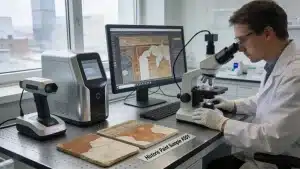
Our services include detailed surveys, tailored restoration planning, traditional materials, and skilled craftsmanship tailored to historic structures. Emphasizing damp control, structural stability, and authentic repairs with breathable lime mortars and appropriate timber restoration methods, we prioritise quality, authenticity, and sustainability.
Frequently Asked Questions
What Are The Environmental Considerations In Heritage Restoration?
Environmental considerations in heritage restoration include the impact of building materials on sustainability and climate. Using traditional materials like lime mortar and sustainably sourced timber can minimise environmental impact.
How Can I Find A Qualified Heritage Restoration Contractor In London?
Finding a qualified heritage restoration contractor in London involves several steps. Start by researching specialised firms with experience in period buildings and positive client reviews. Check for certifications in conservation and heritage conservation, and ask for examples of previous projects similar to yours.
What Role Do Community Consultations Play In Heritage Restoration?
Community consultations can be important in heritage restoration as they gather local input and foster a sense of ownership among residents. Engaging the community can help the restoration not only meet regulatory standards but also resonate with the values and preferences of local inhabitants.
How Can Technology Assist In The Planning Of Restoration Projects?
Technology can assist in planning restoration projects by providing advanced tools for assessment and visualisation. Digital tools like 3D modelling can help create accurate representations of heritage buildings, aiding in restoration planning and design.