Repointing is an important maintenance task for brick structures, particularly in London, where historic properties and distinctive architectural styles require careful attention. Homeowners and property managers should consider repointing costs, the work involved, and the factors that influence pricing before starting a project.
Mortar type, property condition, access requirements, labour, and the scale of repairs can all affect the final cost. Clear quotes from experienced professionals support better budgeting and help support the longevity of London masonry.
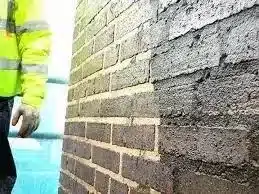
What Are The Key Pricing Details For Repointing?
Repointing costs in London vary by mortar type, property condition, and job complexity, with lime mortar often costing more for heritage work.
Steps Involved In The Repointing Process
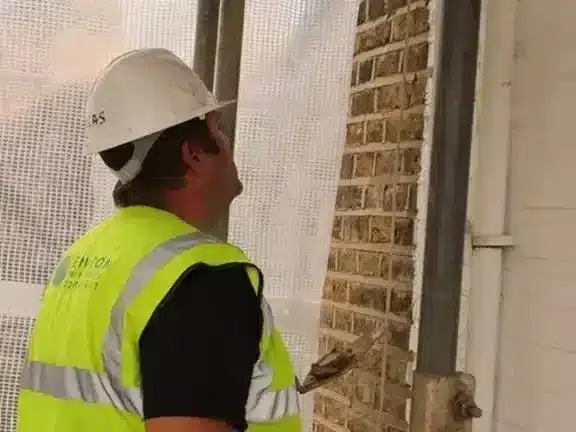
The repointing process involves several critical steps to ensure the integrity and aesthetic appeal of brickwork. These steps can help property owners appreciate the value of professional services.
- Removal of Damaged Mortar: The first step involves carefully removing the old, damaged mortar to prepare the surface for a new application.
- Cleaning the Area: After the old mortar is removed, the area is cleaned to remove dust and debris, helping ensure proper adhesion of the new mortar.
- Application of New Mortar: Finally, the new mortar is applied, filling the joints and providing a fresh, durable finish.
Factors Influencing Repointing Costs
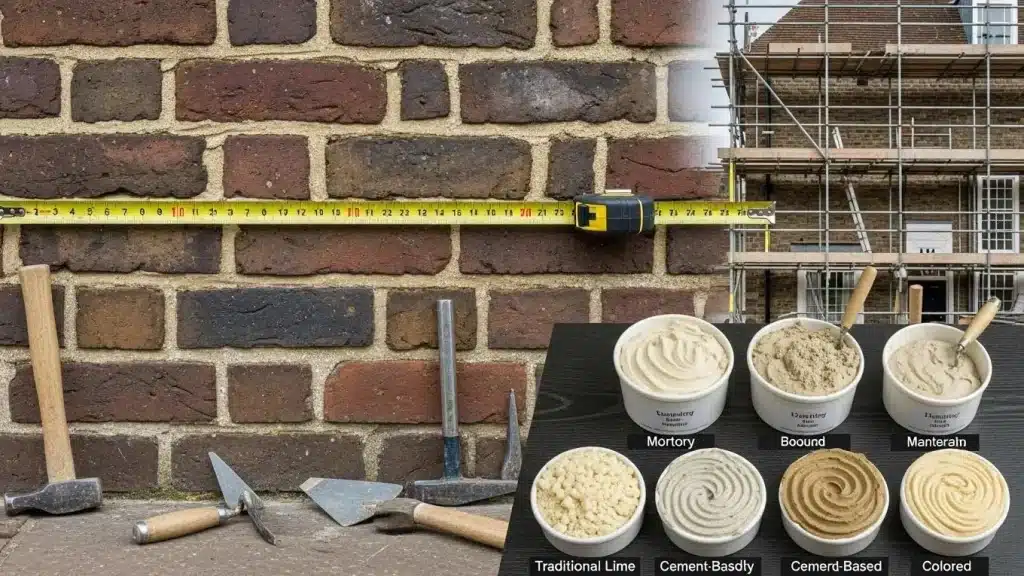
Several factors can influence the overall cost of repointing services in London. These can help homeowners make informed decisions when budgeting for their projects.
- Size of the Property: Larger properties typically require more materials and labour, increasing the overall cost.
- Type of Materials Used: The choice between cement and lime mortar can affect pricing, with lime mortar generally being more expensive due to its specialised application.
- Access and Scaffolding Needs: Properties that are difficult to access may require additional scaffolding, which can add to the overall cost.
What Key Factors Influence Repointing Costs In London?
Repointing costs depend on property size, mortar type, access needs, labour, and any scaffolding required.
Repointing Costs By Property Type
The type of property significantly influences the cost of repointing. Heritage and period properties often require specialised techniques and materials, which can increase expenses.
Using lime mortar is often important for supporting the historical integrity of older buildings, but it typically comes at a higher price point compared to standard cement mortar.
The architectural style and condition of the property can dictate the complexity of the repointing work, further affecting the overall cost. Homeowners should consult with professionals to determine the best approach for their specific property type.
Mortar Types That Impact Brickwork Cost
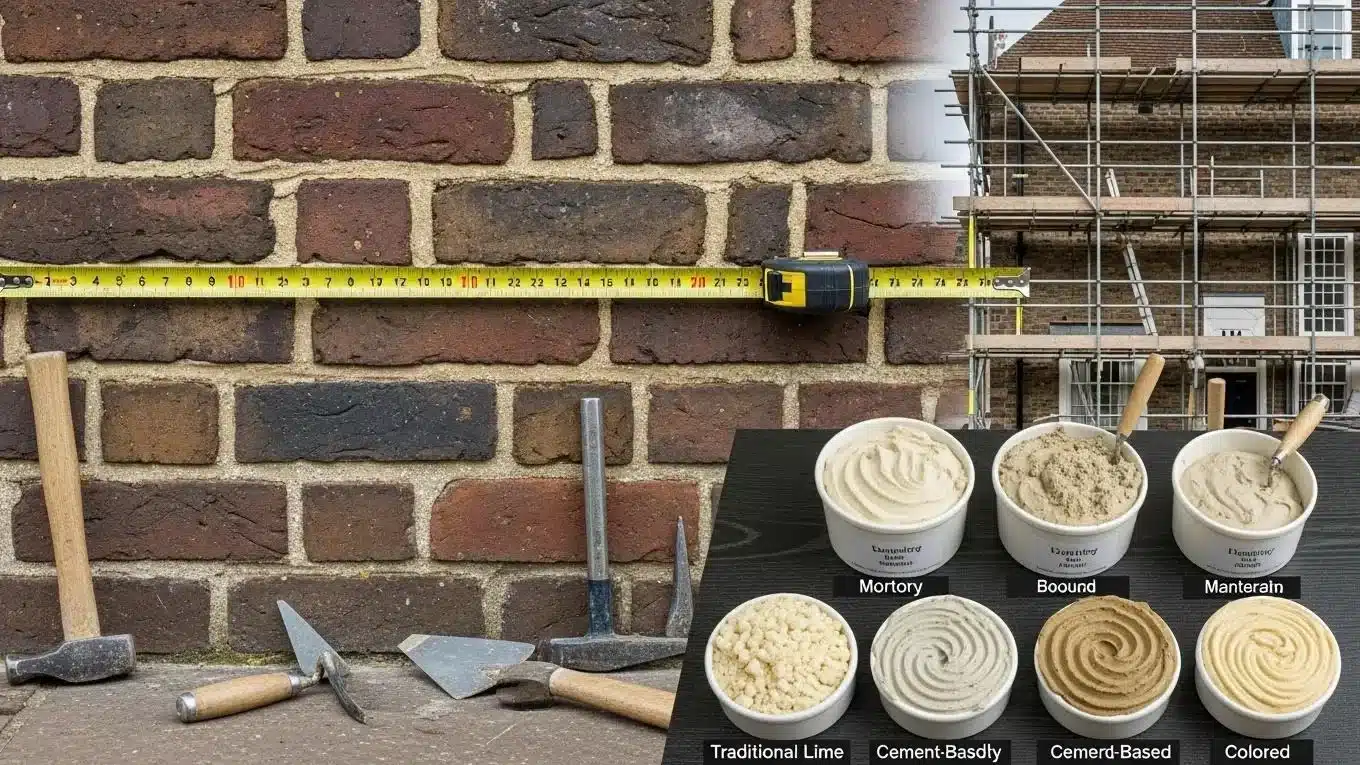
The choice of mortar affects both the cost and durability of repointing work. Cement mortar is usually less expensive and works well for modern buildings, offering strength and durability.
Lime mortar costs more but is often the better option for heritage properties because it is flexible and breathable. This helps moisture escape from older brickwork and reduces the risk of long-term damp damage.
What Is The Typical Cost Breakdown For Repointing?
A typical cost breakdown for repointing brick walls in London can help homeowners understand what to expect when budgeting for their projects. The following table outlines the costs associated with different mortar types and services:
| Mortar Type | Cost per m² | Typical Use |
|---|---|---|
| Cement Mortar | £50–£75 | Modern buildings |
| Lime Mortar | £70–£130 | Heritage properties |
| Standard Repointing | £40–£130 | General use |
The cost of repointing services is typically calculated on a per square metre basis. This method allows for a straightforward estimation of expenses based on the size of the area requiring repointing.
Factors such as the type of mortar used, the condition of the existing mortar, and the complexity of the job can all influence the final price per square metre. Homeowners should obtain detailed quotes from professionals to understand the specific costs associated with their projects.
How Is Repointing Done On Period And Heritage Properties?
Repointing period and heritage properties requires specialised knowledge and techniques to help ensure that the work is done correctly and preserves the building’s historical integrity.
Professional Repointing Procedure Steps Explained
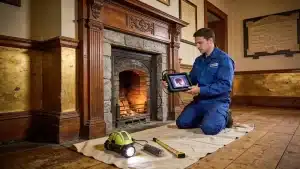
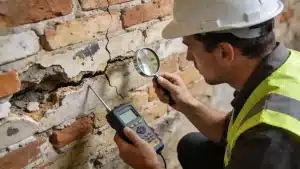
- Professionals first inspect the brickwork to find damaged or weak mortar joints.
- Old mortar is carefully removed without harming the surrounding bricks.
- The joints are cleaned and prepared so the new mortar bonds properly.
- Fresh mortar is applied, compacted, and finished neatly for a strong, clean result.
Importance Of The Right Mortar For Heritage Buildings
- Choosing the right mortar helps protect the strength and character of heritage buildings.
- Lime mortar is suitable for older brickwork because it allows movement and moisture escape.
- Cement mortar can trap moisture and may damage historic masonry over time.
- Compatible materials support safer repairs and help preserve the building’s original fabric.
How Does Environ Restoration Services Support Pricing Transparency?
At Environ Restoration Services, we provide clear, itemised quotes where required for repointing assessments and project scopes.
Benefits Of Professional Repointing In London
Professional repointing offers lasting benefits for London property owners by improving both appearance and structural performance. Freshly pointed brickwork gives the property a cleaner, well-maintained look while helping protect it from weather damage.
Proper repointing can also extend the life of the masonry by sealing weakened joints and reducing water ingress. With skilled workmanship, the building can remain safer, stronger, and better protected over time.
Repointing Can Support Both Property Value And Structural Safety
Repointing can significantly improve both property value and structural safety. Well-maintained brickwork enhances kerb appeal, making the property more attractive to potential buyers. Addressing any issues with mortar can help prevent further damage, supporting a safer and structurally sound building.
Fresh mortar joints also help protect walls from water ingress and weather-related decay. Professional repointing can reduce repair costs and support long-term property preservation.
Why Choose Environ Restoration Services For Masonry Repair And Repointing?
At Environ Restoration Services, we are a specialist masonry repair and restoration company serving London properties. With years of experience, we combine traditional craftsmanship with modern techniques to provide repointing services tailored to each building’s needs.
We focus on helping preserve historical character, supporting structural integrity, and working toward long-lasting results. Our team values clear communication, accurate estimates, and careful attention to detail. Property owners can rely on our workmanship to improve the appearance and durability of their homes.
Frequently Asked Questions
What Are The Signs Indicating That Repointing Is Needed?
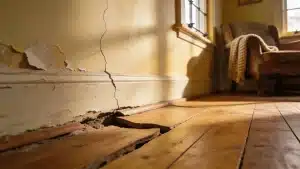
Homeowners should look for several signs that may indicate the need for repointing. These include visible cracks or gaps in the mortar joints, crumbling or missing mortar, and water damage to interior walls, which can signify moisture ingress.
Can Homeowners Perform Repointing Themselves?
While some homeowners may attempt DIY repointing, it is recommended to hire professionals, especially for heritage and period properties. Repointing requires specific skills and knowledge, particularly concerning material selection and application techniques.
What Is The Estimated Duration Of A Repointing Project?
The duration of a repointing project can vary based on the property size, accessibility, and the extent of the work required. Typically, smaller jobs may take a week or less to complete, while larger or more complex projects could extend to several weeks.
How Does Weather Affect The Repointing Process?
Weather can affect the repointing process. Ideal conditions are dry and moderately warm, as extreme cold or moisture can impede the curing of mortar. Rain can wash away fresh mortar, leading to poor-quality results.