Repointing is an important maintenance task that helps protect brickwork, improve appearance, and support structural stability, especially in historic properties. Some homeowners attempt DIY repointing to reduce costs, but incorrect mortar choice, poor joint preparation, or uneven application can cause lasting damage.
Professional contractors in London bring the right tools, materials, and experience to match existing brickwork and help protect the building fabric. Careful planning, skilled workmanship, and suitable lime mortar, where required, help support effective restoration, better durability, and long-term protection for the property.
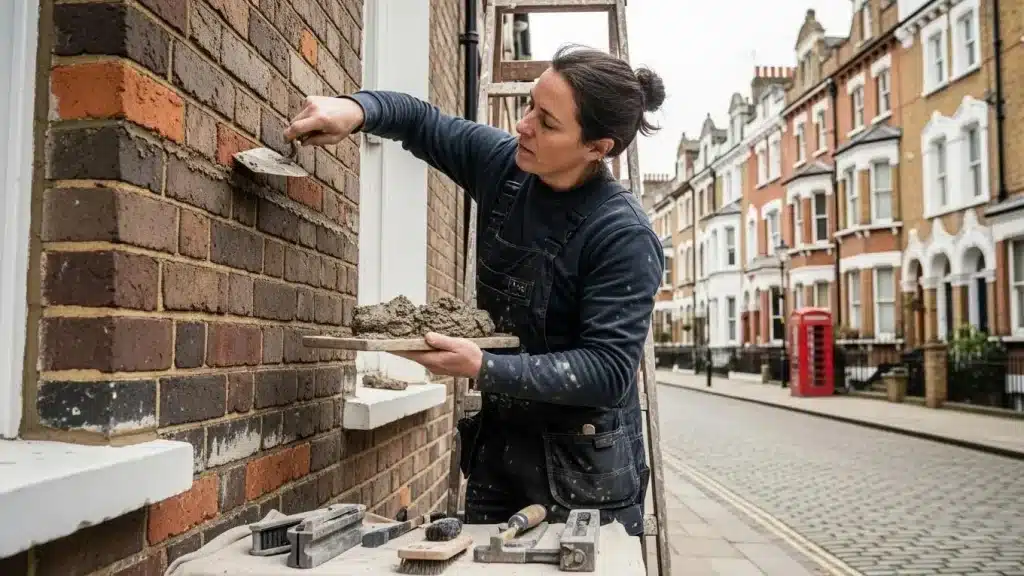
What Are the Potential Risks of DIY Repointing?
DIY repointing may seem like a cost-effective solution, but it carries several risks that can lead to significant issues down the line.
- Safety Hazards: Working at heights or with heavy materials can pose serious safety risks, including falls and injuries.
- Health Risks: Exposure to dust and irritants from mortar work can lead to respiratory issues and other health problems.
- Costly Mistakes: Incorrect techniques or materials can result in expensive repairs, negating any initial savings from a DIY approach.
What Are the Key Considerations for Safe, Effective Brickwork Restoration?
Before repointing, assess the brickwork, use the right tools, and follow local building or conservation rules.
Common Risks of DIY Brickwork Repointing in London
DIY brickwork repointing in London can create serious risks when mortar is mixed or applied incorrectly. Poor workmanship may let water enter the wall, weaken underlying materials, and damage historic brickwork.
Working at height without proper tools also raises safety concerns. Serious mistakes can lead to repairs that cost far more than hiring professionals. Professional repointing helps protect the structure, match existing materials, and support a safer, long-lasting finish.
Incorrect DIY Repointing Can Cause Damage
Incorrect DIY repointing can cause serious structural damage when the wrong mortar or poor techniques are used. Inappropriate mortar may trap moisture, leading to brick decay and weakened masonry.
Poor joint preparation or uneven application can reduce strength and leave gaps. These gaps can allow water to enter. This may cause hidden damp, frost damage, and costly repairs over time, especially in older London properties with softer historic brickwork and lime mortar joints.
What Are the Consequences of Using Inappropriate Mortar Types?
Using the wrong mortar can trap moisture, weaken brickwork, and cause cracks, mould, or structural decay. Mismatched mortar can also affect the property’s appearance and reduce its overall value.
Reasons to Choose Professional Brick Repointing Contractors
Opting for professional brick repointing contractors in London offers several key advantages.
- Qualified professionals can provide neat, strong, and reliable repointing work that follows appropriate industry standards.
- Skilled contractors use the correct tools, materials, and safe working methods for each property.
- Proper repointing helps protect brickwork from water entry, weather damage, and long-term deterioration.
- Expert workmanship helps prevent future structural issues and reduces expensive repair needs.
Specialist Contractors and London Conservation Rules
Specialist contractors should follow strict conservation guidelines to help protect historic properties.
- Professionals understand listed building consent and know which heritage repairs may need approval before work begins.
- They choose suitable materials that match the property’s age, construction style, and historic character.
- Expert material selection helps prevent damage to original brickwork, stone, mortar, or decorative features.
- Specialists can speak with local authorities to help confirm that the work follows conservation requirements.
What Benefits Do Professional Services Offer Over DIY Approaches?
Professional repointing is safer, neater, and more reliable than DIY work. It improves brickwork durability, supports property value, and reduces future repair risks.
Professional Brick Repointing Costs in London
The cost of professional brick repointing in London can vary based on several factors.
- Cost per Square Metre: On average, professional repointing services range from £50 to £100 per square metre, depending on mortar type, access, scaffolding, and job complexity.
- Factors Affecting Cost: The size of the area, type of mortar used, and condition of existing brickwork all influence the final price.
- Comparison to DIY Costs: While DIY may seem cheaper initially, the potential for costly mistakes can make professional services more cost-effective in the long run.
Factors Influencing Repointing Service Costs
Several factors can impact the overall cost of repointing services.
- Size of the Area: Larger areas can naturally incur higher costs due to increased labour and materials.
- Type of Mortar Used: Specialist mortars may increase costs, but are often needed for historic properties.
- Condition of Existing Brickwork: If extensive repairs are needed before repointing, this will add to the overall expense.
How Does Professional Service Cost Compare to DIY Risks?
DIY repointing may seem cheaper at first, but mistakes can lead to costly repairs. Professional work can offer better value, fewer risks, and warranty protection where provided.
Best Mortar Types for Period and Historic Properties
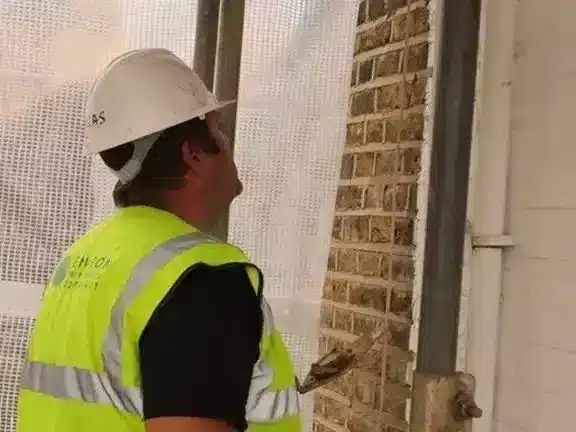
Selecting the right mortar is important for period and historic properties because older walls need materials that move and breathe. Lime mortar is often preferred for its flexibility and moisture permeability, helping protect soft brick or stone.
Natural hydraulic lime offers extra strength in damp or exposed areas. Cement mortar is usually unsuitable because it is rigid and can trap moisture, causing decay and serious long-term masonry damage over time.
Differences Between Lime and Cement Mortar
Lime mortar and cement mortar differ in flexibility, breathability, and use. Lime mortar is softer and more permeable, allowing moisture to evaporate from historic brick or stonework. This reduces trapped damp and helps protect older masonry.
Cement mortar is stronger but rigid and less breathable, which can trap moisture and cause decay. Lime suits heritage restoration, while cement is more suitable for modern construction projects and newer masonry systems today.
Why Choose Environ Restoration Services for Historic Repointing?
At Environ Restoration Services, we deliver repointing solutions tailored to historic properties and each client’s project needs.
We understand the importance of preserving heritage while supporting structural safety, which is why we combine traditional craftsmanship with modern techniques. As a team, we focus on quality, reliability, and clear communication while working with homeowners throughout the restoration process.
Choosing us means trusting dedicated professionals who care deeply about your property’s longevity and aesthetic, committing to excellence in every brick we restore.
Frequently Asked Questions
What is the best time to schedule professional repointing services in London?
The best period for many professional repointing services in London is during the driest months, typically from late spring to early autumn. This timing helps avoid issues related to moisture that can affect the curing process of the mortar.
How long does the repointing process usually take?
The duration of the repointing process can vary significantly based on factors such as the size of the project, the condition of the brickwork, and the chosen materials. Generally, small to medium-sized residential jobs may take anywhere from a few days to a couple of weeks.
Are there specific signs that indicate my brickwork needs repointing?
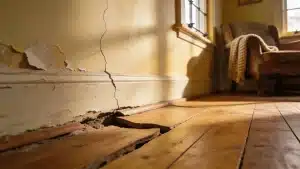
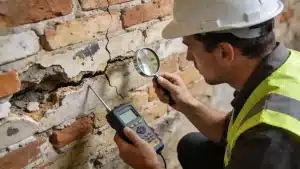
Homeowners should look for several key signs that indicate repointing may be necessary. These include visible cracks in the mortar joints, crumbling or deteriorating mortar, gaps between bricks, or signs of moisture penetration, such as mould or water stains on walls.
What maintenance is required after repointing?
After repointing, homeowners should maintain their brickwork to support its longevity. This includes performing regular inspections for cracks or eroded mortar, ensuring proper drainage around the property to reduce moisture build-up, and promptly addressing any damage that arises.