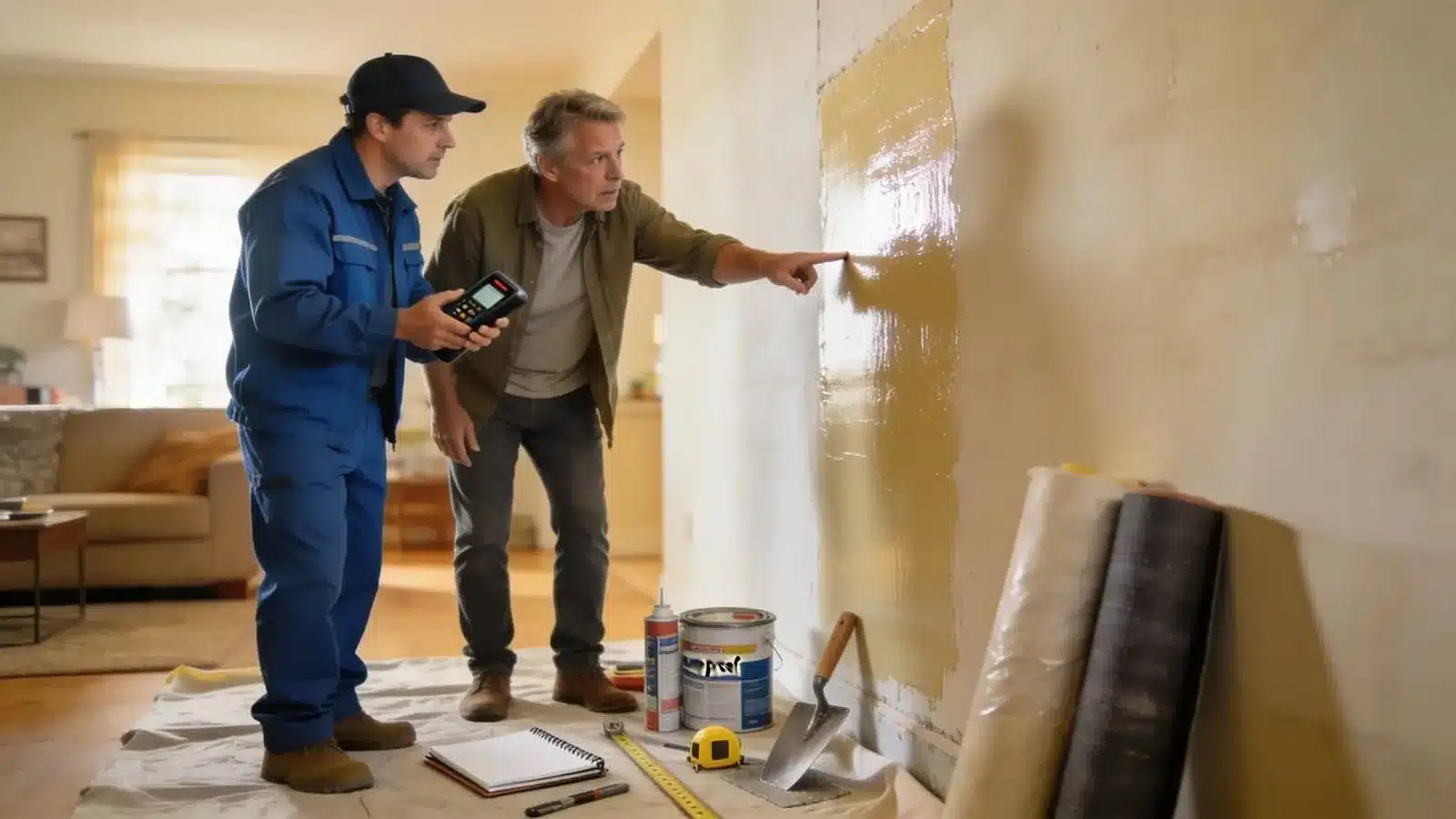
Rising damp and other moisture problems are common in period properties and can cause structural decay and health risks. Knowing the available damp‑proofing methods helps owners choose durable, safe solutions.
We compare the main forms of damp, including rising damp, penetrating damp, and condensation. We also outline chemical and physical damp-proofing approaches, and summarise likely costs to help homeowners protect their property’s fabric and support its long-term value.
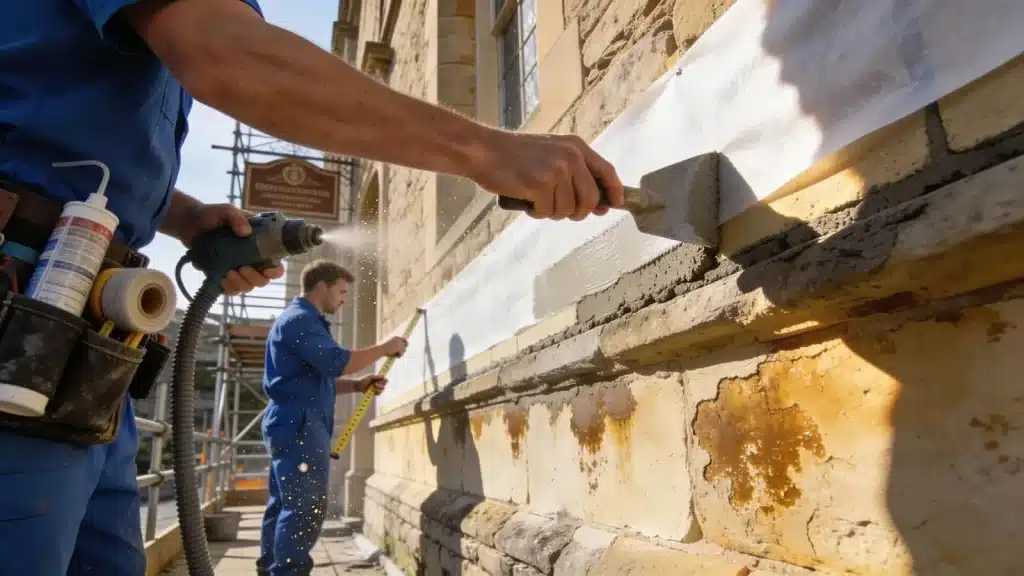
What Are The Types Of Damp And Their Proofing Methods?
Damp can enter buildings by different routes, and each type needs a specific remediation and prevention strategy. Correctly identifying the category guides the choice of damp‑proofing.
Understanding Rising Damp And Its Treatment Options
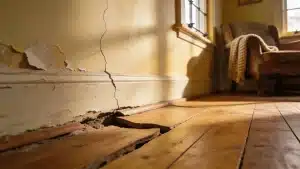
Rising damp occurs when ground moisture moves upward through walls by capillary action, most often where a damp‑proof course is absent or has failed. The moisture carries soluble salts that can make paint and plaster blister or crumble, encourage mould, and potentially weaken masonry.
Controlling rising damp usually requires installing an effective barrier, physical or chemical, to interrupt moisture transfer through the wall.
Identifying And Managing Penetrating Damp Issues
Penetrating damp happens when water breaches the building envelope from outside sources, such as driving rain, blocked gutters, or leaking pipes. Signs include wet patches, staining, and mould. Prolonged exposure can damage structural elements.
Remedial work focuses on repairing external defects, improving drainage, and applying membranes or seals at vulnerable points.
Causes And Solutions For Condensation Problems Indoors
Condensation forms when warm, humid air meets cold surfaces, leaving water droplets on walls, ceilings, or windows. Poor ventilation and insufficient heating are common causes.
Reducing condensation involves improving ventilation, installing extract fans where required, and upgrading insulation to balance indoor temperature and moisture levels.
What Chemical Damp Proofing Techniques Are Available?
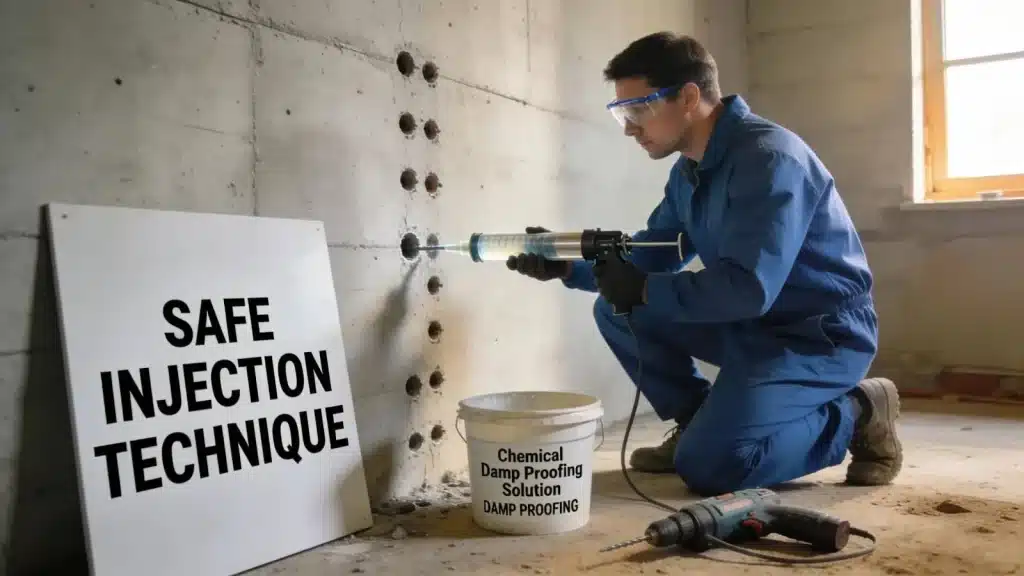
Chemical damp-proofing can provide a targeted remedy for rising damp, especially in buildings that lack an intact damp-proof course. The method injects a water‑repellent chemical into the wall to form a barrier that limits moisture migration.
Application Of Chemical Damp Proof Course Methods
Chemical damp-proof courses are applied by drilling a line of holes through the affected wall and injecting a specialist fluid at set intervals to create a moisture-resistant barrier.
When correctly executed, the treatment reduces further moisture ingress and related defects. Durability depends on product formulation and wall condition, so periodic inspection and, if necessary, re‑treatment is recommended.
Comparison Of Damp Proofing Techniques
Choosing a damp‑proofing solution requires weighing performance, disruption, and cost. The table below summarises how different methods compare on these practical criteria.
| Method | Pros | Cons | Expected Costs |
|---|---|---|---|
| Traditional DPC | Established effectiveness, reputable methods | High installation difficulty, disruption | £50-£100 per linear meter |
| Chemical Injection | Quick installation, less disruption | Variable longevity, depending on the wall condition | £500-£2,000 per treatment |
| Membrane Systems | Versatile, suitable for various conditions | Requires precise installation, potential space loss | £30-£60 per square meter |
How Should Installation And Aftercare Be Managed Effectively?
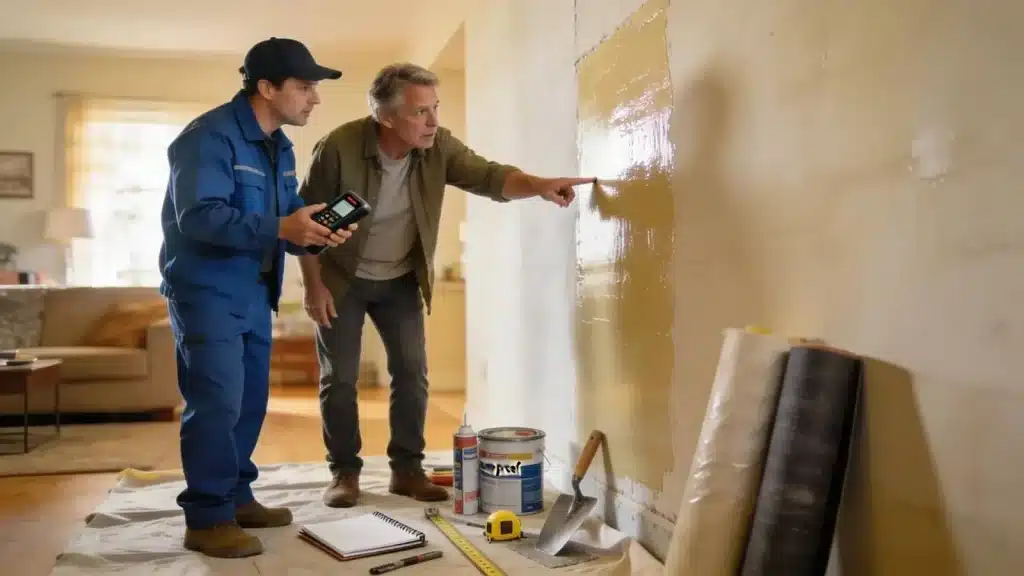
Installation should follow a measured, evidence‑led process. A correct assessment and careful preparation reduce the risk of recurrence and help ensure the chosen system performs as intended.
Use the following sequence to manage installation and aftercare effectively:
- Assessment: Conduct a thorough inspection to identify the type of damp and the appropriate remediation method.
- Preparation: Clear the area and remove debris and loose material to ensure an effective application.
- Application: Follow manufacturer instructions for the correct application of chemical solutions or physical barriers.
- Aftercare: Regularly inspect treated areas to gauge effectiveness and detect any signs of damp returning.
What Cost Considerations Should Be Accounted For In Damp Proofing?
When assessing damp-proofing costs, it is important to consider the factors that shape the scale, method, and materials required for the work. The type of damp is one of the main cost drivers because rising damp, penetrating damp, and condensation each require different treatment approaches.
Rising damp may need chemical injection and replastering, while penetrating damp may involve external repairs, sealing, or tanking. Condensation problems often require improved ventilation, better airflow, or humidity control.
Building characteristics also affect the final price. Older, historic, or period properties may need specialist materials and careful conservation methods to protect the original fabric. The condition of walls, floors, plaster, drainage, and existing damp-proofing systems can also increase or reduce the scope of work.
Material choice matters as well, since higher-quality products often cost more upfront but can provide better long-term performance and reduce future maintenance needs.
Why Choose Environ Restoration Services For Damp Proofing?
At Environ Restoration Services, we provide moisture control and damp proofing solutions for historic, period, and listed properties. We combine expert knowledge with modern techniques to recommend tailored, long-lasting solutions for each building’s needs.
Our focus on quality workmanship, clear communication, and customer care helps support structural integrity, maintain property value, and reduce the risk of damp, rising moisture, and related damage.
We take care to use methods that suit the age, materials, and condition of each property. This allows us to protect original features while creating a safer, drier, and more comfortable living environment.
Frequently Asked Questions
How Do I Choose The Right Damp Proofing Method For My Property?
Selecting the correct method depends on the damp type, the building’s construction, and your budget. Rising damp often needs a chemical or physical DPC, and penetrating damp requires external repairs and drainage fixes. A specialist inspection will identify the root cause and recommend the most appropriate, compliant solution.
How Long Do Chemical Damp Proofing Treatments Last?
Chemical damp‑proofing treatments commonly last from five to twenty years, influenced by product formulation, wall porosity, and environmental exposure. Regular monitoring is essential, and re‑application may be required if moisture returns or the treatment’s effectiveness declines.
What Factors Can Influence The Cost Of Damp Proofing?
Cost drivers include the damp type, chosen method (chemical, traditional or membrane), the area to be treated, and access constraints. Building condition and material quality also affect price. Obtain multiple detailed quotations to compare scope and value.
How Can I Maintain A Damp-Proofed Property Effectively?
Effective maintenance relies on regular inspections for damp indicators, staining, mould, or peeling finishes, and prompt remediation. Maintain adequate ventilation, keep gutters clear, and ensure external drainage functions. Periodic professional checks can detect issues early and help protect the building fabric over time.