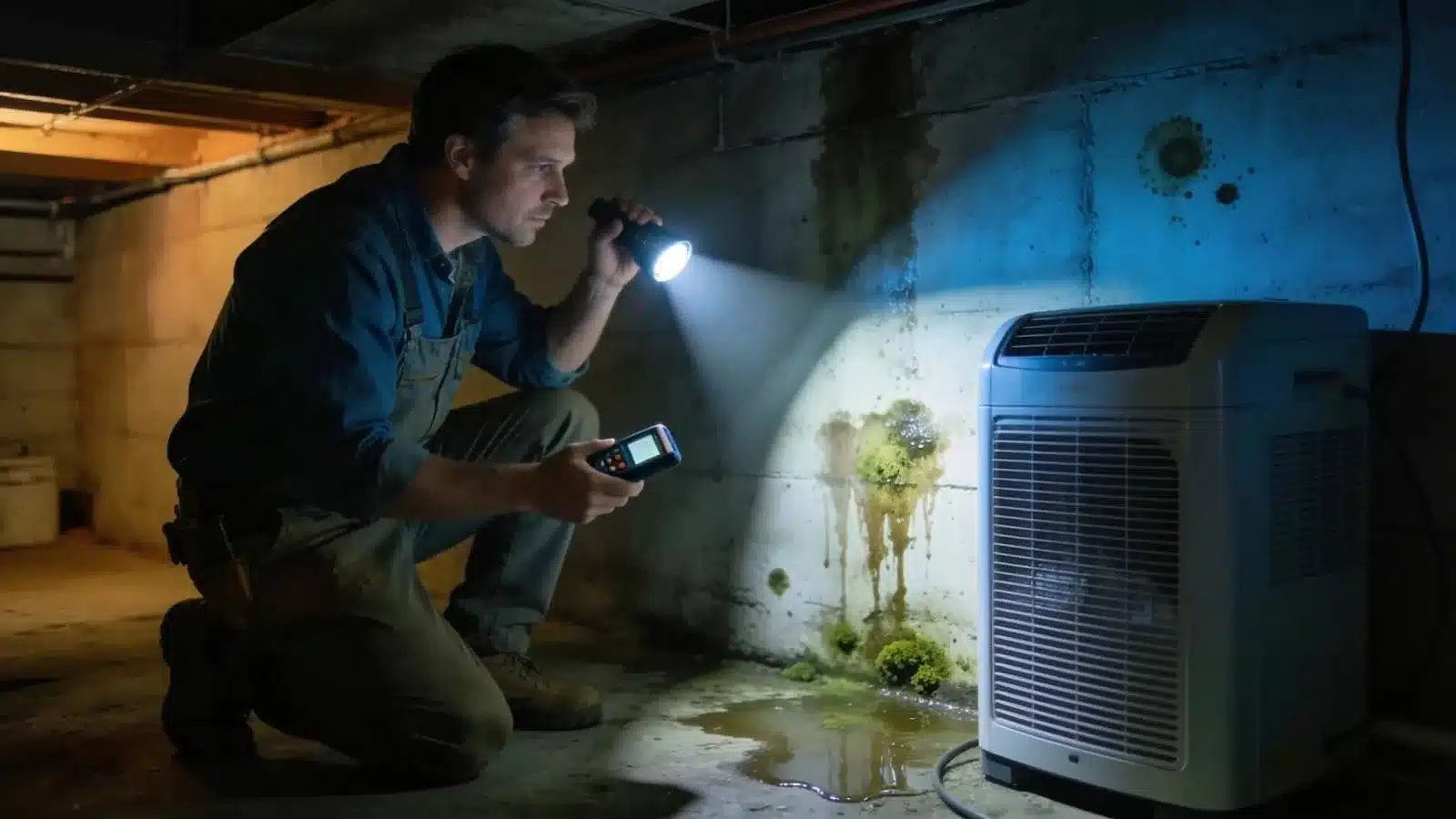
Damp and mould harm both physical and mental health. Damp conditions enable mould growth, which can release spores into indoor air and trigger respiratory problems and allergies. Health risks, warning symptoms, common causes, and practical prevention steps all matter when protecting long-term wellbeing.
Early action can reduce exposure, improve indoor air quality, and help prevent moisture from spreading through the property. Keeping the home dry, ventilated, and properly maintained supports a safer and healthier living environment.

What Are The Physical Health Risks?
Damp conditions are linked to a range of respiratory problems. Mould spores can aggravate asthma and other conditions, intensify allergic reactions, and cause symptoms such as persistent cough, sneezing, and breathlessness. Long-term exposure may contribute to ongoing lung problems and recurrent infections, so early action is important.
Signs Of Mould Symptoms In Homes Indicating Health Risks
Common signs of damp exposure include a persistent cough, breathing difficulties, skin irritation, sneezing, watery eyes, headaches, and a sore throat. Some people may also notice worsening asthma symptoms, chest tightness, fatigue, or frequent sinus irritation when spending time in a damp or mould-affected home.
Recognising these symptoms early supports timely intervention and can reduce the chance of more serious complications. Removing the source of moisture, improving ventilation, and arranging proper mould remediation can help reduce exposure and support a healthier indoor environment.
Respiratory And Dermatological Problems Linked To Mould Exposure
Mould can worsen existing respiratory diseases, especially asthma, bronchitis, and other lung conditions. Exposure to mould spores may trigger coughing, wheezing, chest tightness, shortness of breath, and repeated sinus irritation.
In some cases, long-term exposure to damp and mouldy environments may contribute to ongoing breathing problems or make recovery from respiratory illness more difficult. Mould can also cause skin reactions, including rashes, itching, redness, and irritation, particularly in people who are allergic or sensitive to spores.
What Are The Mental Health Risks?

Damp homes can contribute to stress, anxiety, and low mood. The ongoing burden of managing persistent mould issues often produces stress and helplessness, so psychological impacts should be considered alongside physical remediation.
Ways Indoor Humidity Can Worsen Health Problems
- High indoor humidity creates the right conditions for mould growth and damp smells.
- Excess moisture can cause physical discomfort, tiredness, and poor indoor air quality.
- Damp rooms may also affect concentration, mood, and general wellbeing over time.
- Better ventilation, moisture control, and regular checks help reduce these health risks.
Long-Term Effects Of Exposure To Damp And Mould
- Long-term exposure to damp and mould may contribute to ongoing breathing problems and repeated respiratory irritation.
- Poor indoor air quality may reduce comfort, sleep quality, and overall day-to-day wellbeing.
- Some health effects can continue even after dampness is repaired, especially after prolonged exposure.
- Regular maintenance, early moisture control, and prompt mould remediation can help reduce long-term health risks.
What Are The Primary Causes Of Damp In Residential Properties?
Primary causes include environmental factors, construction faults, and poor maintenance. Weather, groundwater, and unsuitable materials can let moisture collect in walls and basements; lack of upkeep can worsen these problems and increase health risks.
Common Causes Of Damp And Mould In Homes
Leaks from roofs, plumbing, gutters, and external walls can introduce moisture into the property and create damp patches over time. Condensation is another common cause, forming when warm, moist air meets cold surfaces such as windows, walls, and ceilings.
High indoor humidity makes these problems worse by keeping surfaces damp for longer and encouraging mould growth. Without proper ventilation, moisture control, and timely repairs, damp can spread through plaster, timber, insulation, and internal finishes, making the issue harder and more expensive to resolve.
Reasons Historic And Period Properties Are Vulnerable To Damp
Historic and period homes may lack modern damp-proofing, which can make them more vulnerable to moisture problems. Older construction methods, solid walls, timber frames, lime plaster, and traditional masonry can absorb and retain moisture more easily than modern materials.
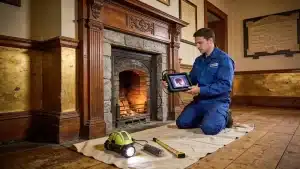
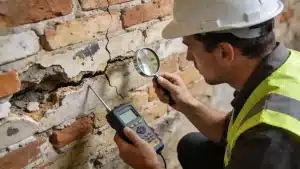
Poor ventilation, blocked chimneys, damaged pointing, or unsuitable modern repairs can also trap damp inside the building fabric. When moisture remains in walls, floors, or ceilings, it can encourage mould growth and create unhealthy indoor air.
Who Is Most At Risk From Damp And Mould?
- Damp environments can reduce indoor air quality and make breathing less comfortable.
- Mould spores and moisture can trigger coughing, wheezing, and throat irritation.
- Children are more vulnerable because their lungs and immune systems are still developing.
- Older adults may experience stronger effects due to weaker immunity or existing health concerns.
- People with asthma, allergies, or respiratory conditions face a higher risk of worsening symptoms.
- Poor ventilation can keep moisture trapped indoors and allow mould to spread further.
- Experienced damp specialists can identify the source of moisture and recommend suitable repairs.
- Prompt remediation can improve living conditions, support health, and reduce the chance of recurring damp problems.
What Effective Restoration And Prevention Techniques Improve Indoor Air Quality And Health?
Damp proofing, better ventilation, and regular maintenance can improve air quality by reducing moisture, humidity, and leak-related damp.
Damp Proofing And Mould Remediation
Damp proofing and professional mould remediation target the moisture sources and contamination that affect indoor air quality. These treatments dry affected areas, remove mould, and reduce the risk of future water ingress.
They help protect occupants and support a healthier, safer home environment. Many damp properties feel fresher, safer, and more comfortable after proper remedial work.
Preventative Maintenance Steps To Avoid Damp And Mould Issues
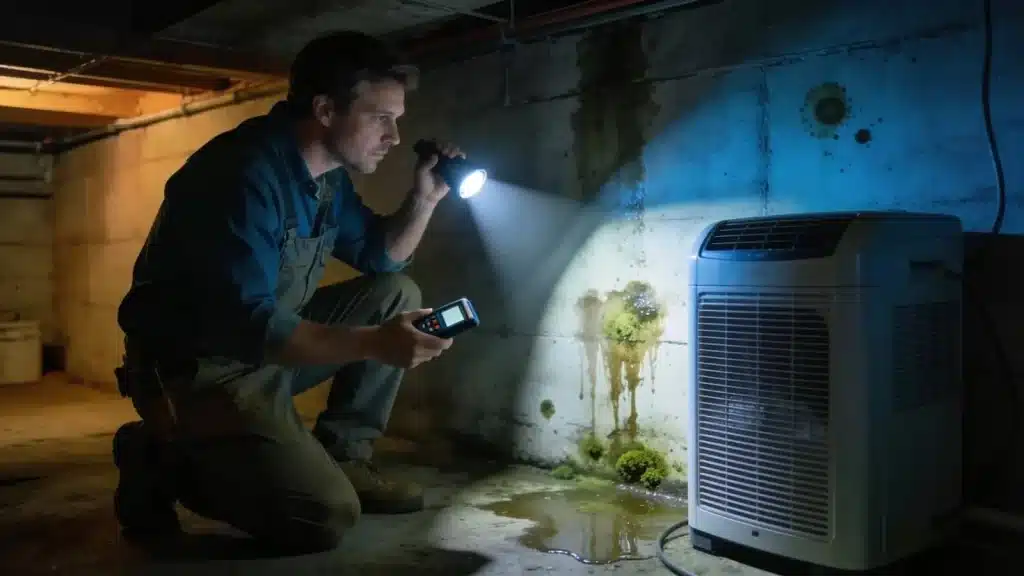
Homeowners can prevent damp and mould by checking walls, roofs, plumbing, and windows for leaks or moisture marks. Good drainage should direct rainwater away from foundations and external walls.
In humid rooms, dehumidifiers, extractor fans, and regular ventilation help control moisture, support indoor air quality, and reduce mould risk effectively.
Why Choose Environ Restoration Services For Damp And Mould Solutions?
At Environ Restoration Services, we offer London damp proofing services and mould removal solutions tailored to each property’s needs. With years of experience, we understand the stress and health concerns that damp environments can create.
Our team uses professional damp assessments and targeted treatments to improve your home’s condition and comfort. We use proven methods designed for long-term moisture control, helping you maintain a healthier living space. From drone survey to treatment and aftercare, our team supports each stage of the restoration process.
Frequently Asked Questions
What Should I Do If I Find Mould In My Home?
If you discover mould in your home, it’s crucial to address it promptly. Start by identifying the source of moisture that is causing the mould growth. In many cases, this may involve fixing leaks, improving ventilation, or addressing condensation issues.
How Can I Prevent Damp And Mould In My Home?
To reduce the risk of damp and mould, it’s important to keep your home dry and well-ventilated. Regularly inspect areas prone to moisture, such as bathrooms and basements, for leaks or condensation. Ensure proper drainage from roofs and gutters, and use dehumidifiers in humid months.
What Are The Signs That My Indoor Air Quality Is Poor Due To Damp?
Poor indoor air quality due to damp can be indicated by musty odors, visible mold growth, and an increase in respiratory issues among occupants, such as coughing or wheezing. Other signs include frequent headaches, fatigue, and difficulty concentrating.
How Long Does It Take To Remediate Damp And Mould Issues?
The time required for remediation of damp and mould can vary widely based on the extent of the problem. Minor mould issues can often be resolved quickly, while significant infestations or structural damage may take longer to address thoroughly.