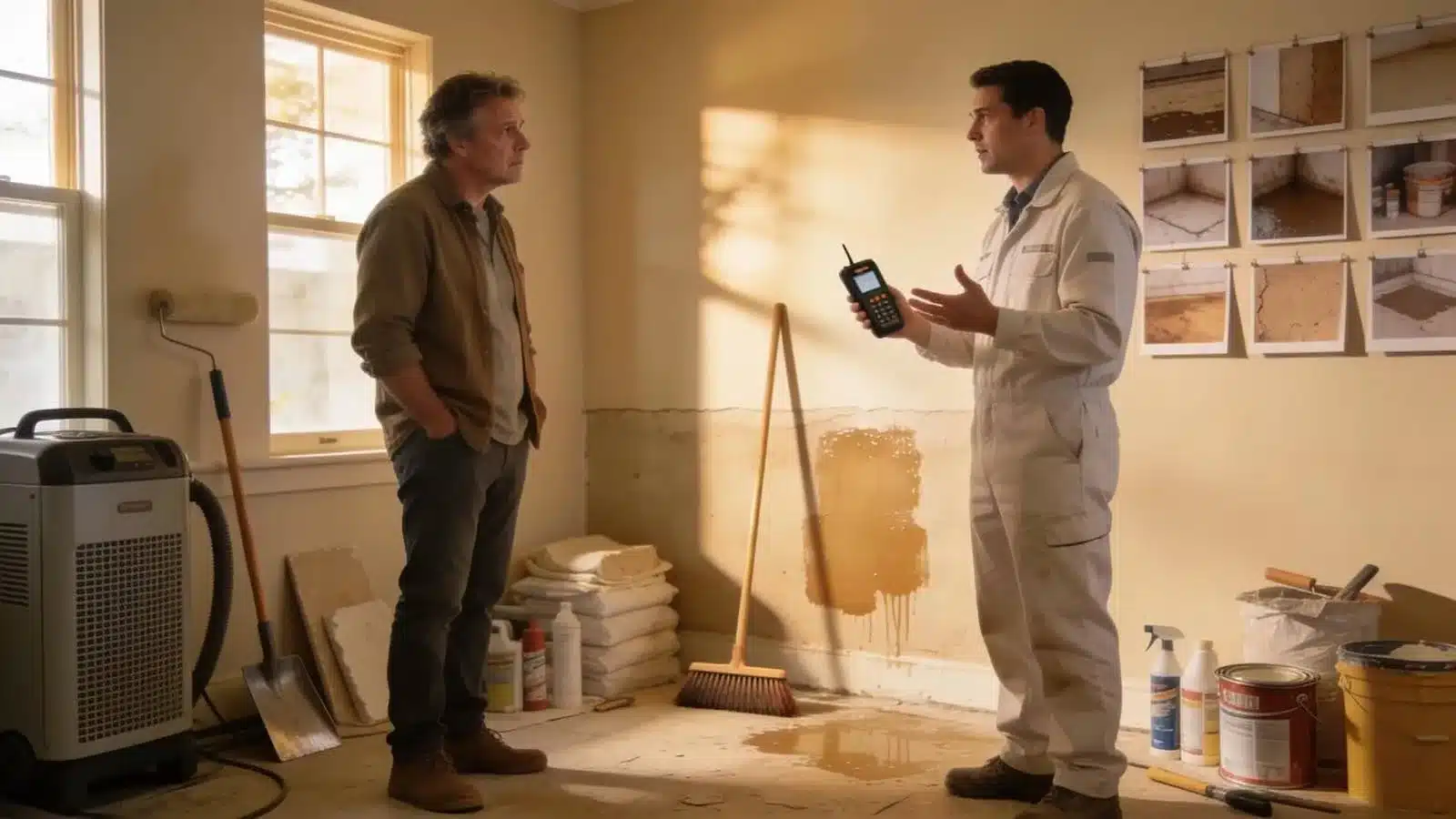
Maintaining your home after damp treatment helps protect the building fabric and supports occupant health. Regular care can reduce moisture, limit mould growth, and lower the risk of timber decay, plaster damage, and recurring damp patches.
Effective post-treatment care includes checking walls, floors, skirting boards, windows, gutters, and drains for early signs of moisture. Humidity control is also important, especially in kitchens, bathrooms, basements, and poorly ventilated rooms.

Simple monitoring routines, prompt leak repairs, and good airflow help treatments perform for longer after the initial drying period is complete. Professional support may be needed if damp returns, spreads, or affects structural materials.
What Are The Essential Damp Proofing Maintenance Tips?
Effective maintenance helps preserve the treatment and reduce the risk of further moisture ingress. Carry out scheduled inspections to detect early signs of damp and act promptly. Ensure adequate ventilation to remove moisture-laden air. Use dehumidifiers where necessary to keep indoor humidity under control.
Maintaining Damp Treated Walls Properly
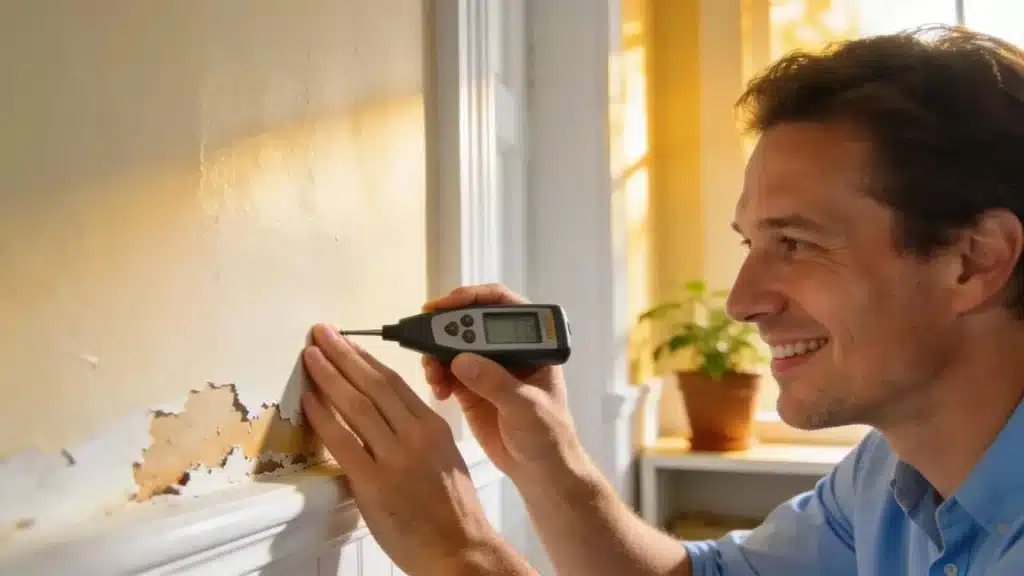
Follow these practices to protect damp-treated walls:
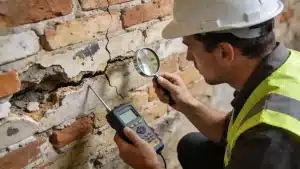
- Regular Checks: Conduct routine inspections for signs of dampness, such as peeling paint or condensation.
- Moisture Barriers: Use appropriate moisture barriers where recommended to help reduce external moisture from entering through walls.
- Temperature Control: Maintain appropriate temperature and moisture levels inside to deter damp conditions.
Controlling Home Environment After Treatment
A controlled indoor environment helps reduce moisture buildup and lowers the chance of damp returning.
- Humidity Control: Keep indoor humidity low, as excess moisture encourages damp patches and mould growth.
- Mechanical Ventilation: Use extractor fans in kitchens, bathrooms, and utility rooms to remove moist air.
- Regular Airing: Open windows when possible to improve airflow and reduce trapped condensation.
- Stable Temperature: Maintain a steady indoor temperature to help prevent cold surfaces from collecting condensation.
What Special Care Is Needed For Period Properties After Damp Proofing?
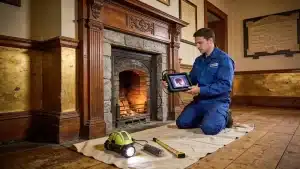
Period properties require tailored care to protect historic materials and finishes. Use methods and products compatible with the original construction to avoid damage. Conservation-led maintenance helps preserve character while providing effective moisture control.
Impact Of Heritage Restoration On Home Care
Heritage restoration shapes the maintenance approach for older buildings. Retaining original features requires careful selection of materials and techniques that manage moisture without harming fabric. Long-term care plans should address the specific needs of heritage materials to support durability.
Regular inspections are especially important in heritage properties because small moisture changes can affect lime plaster, timber, brickwork, and stone over time. Breathable materials, gentle repair methods, and proper ventilation help the building release trapped moisture naturally.
Bespoke Solutions For Protecting Period Homes
Homeowners should seek restoration specialists who can recommend compatible interventions. Consultees should seek restoration specialists who can recommend compatible interventions. Tailored advice reduces the risk of damage and helps retain a property’s historic value.
A bespoke approach also helps avoid unsuitable modern repairs that may trap moisture or weaken traditional materials. Restoration specialists can assess the building’s age, wall type, ventilation, and previous repair history before choosing the right method.
When Should You Contact Professionals For Post-Damp Treatment Support?
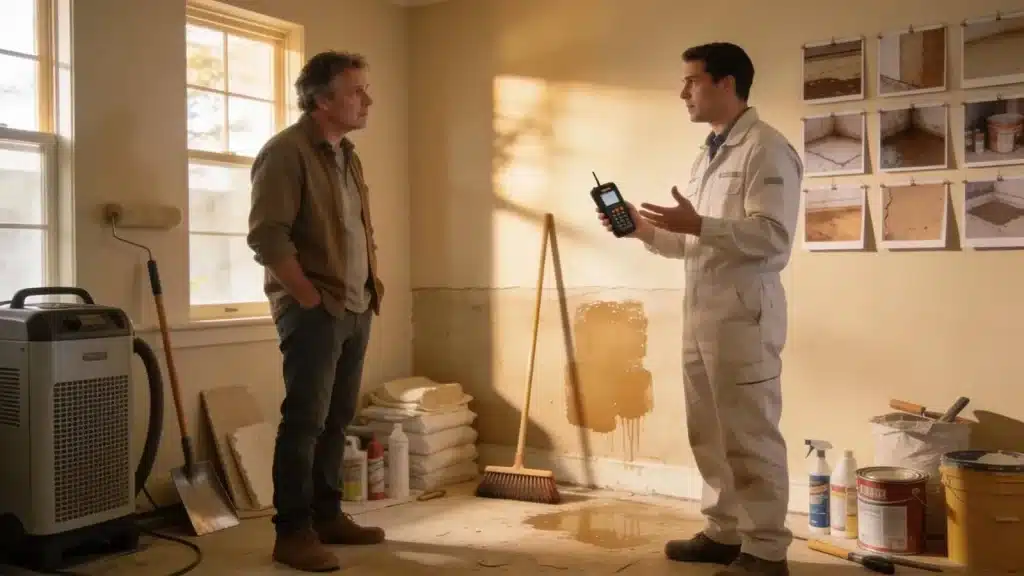
Engage professionals when signs indicate the treatment may not be performing as expected. Early expert assessment can help prevent structural deterioration and support health. Typical triggers for consultation include persistent odours, visible damp, and any health symptoms linked to mould exposure.
Warning Signs Indicating Need For Expert Inspection
Be on the lookout for these key indicators that require professional evaluation:
- Musty Smells: Persistent odours in enclosed rooms may signal hidden damp or mould growth.
- Damp Patches: Moisture marks on walls, ceilings, or floors should be checked quickly.
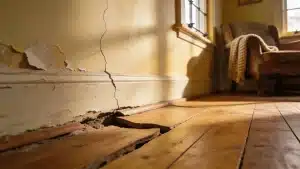
- Peeling Paint: Bubbling paint or loose wallpaper can indicate trapped moisture behind surfaces.
- Mould Growth: Black, green, or white mould patches need prompt attention and safe removal.
- Stained Walls: Brown marks, tide lines, or discolouration may suggest rising or penetrating damp.
- Soft Timber: Rotten skirting boards, floorboards, or window frames can point to long-term moisture.
| Product | Feature | Effectiveness |
|---|---|---|
| Moisture Barriers | Prevents ingress of moisture | High |
| Dehumidifiers | Reduces indoor humidity | Very High |
| Ventilation Systems | Promotes air circulation | High |
| Maintenance Tip | Frequency | Benefit |
|---|---|---|
| Regular inspections | Monthly | Early detection of problems |
| Ventilation checks | Bi-weekly | Maintains optimal air quality |
| Dehumidifier usage | Daily | Controls humidity levels |
Why Choose Environ Restoration Services For Moisture Control?
At Environ Restoration Services, we help protect and restore properties through specialist restoration and damp treatment services. We understand the unique challenges that damp and moisture can bring, and we provide tailored solutions that help protect your home’s integrity.
We provide damp surveys, treatment recommendations, and practical advice on moisture and mould prevention. Our services support long-term property care and help homeowners manage recurring damp or moisture concerns.
Our experienced team works closely with you from initial assessment to treatment recommendations, helping achieve long-lasting results and reassurance.
Frequently Asked Questions
What Is The Best Way To Prevent Damp After Treatment?
Reduce the risk of recurrence by combining ventilation, humidity control, and regular inspections. Ensure good airflow with extractor fans and periodic window airing. Use dehumidifiers to maintain relative humidity below 60% and inspect treated areas regularly so issues can be corrected promptly.
How Often Should I Perform Maintenance Checks After Damp Treatment?
Perform monthly checks during the first year after treatment to catch early problems. If no issues arise, reduce checks to quarterly, but increase frequency during wet seasons or if property conditions change.
Can I Use Regular Paint On Damp-Treated Walls?
Regular paint is not recommended on treated walls until the surface is dry and suitable for decoration. Use moisture-resistant or breathable paints formulated for damp-treated surfaces, and apply a suitable primer to improve adhesion and durability while allowing residual moisture to escape.
What Additional Steps Can I Take To Reduce Humidity In My Home?
Vent appliances that generate moisture, such as dryers and cookers, to the exterior. Repair leaks in plumbing and roofing, and avoid excessive indoor plant watering. Install or maintain extractor fans in kitchens and bathrooms to expel humid air.