Condensation problems pose significant challenges, especially in historical and period properties where moisture can affect structural integrity and indoor air quality.
Expert moisture control and property restoration methods focus on identifying causes, improving ventilation, using suitable moisture-control techniques, and carrying out effective mould remediation.
These steps help property owners and professionals reduce the risk of building damage and reduce health hazards linked to condensation. Regular monitoring also helps detect recurring moisture issues before they become costly repairs.
Do You Know What Causes Condensation In Your Period Property?
Condensation primarily arises when moist air comes into contact with cold surfaces, resulting in water droplet formation. Period properties can be especially vulnerable due to their construction methods and materials, which may lack modern moisture management features.
Humidity And Thermal Bridging Contribution To Moisture Build-Up
Humidity refers to the amount of water vapour present in the air. When warm, humid air touches cooler surfaces, which are common in poorly insulated older buildings, it cools down, causing moisture to condense.
Thermal bridging occurs when structural elements, such as beams or uninsulated walls, allow heat to escape rapidly, creating cold spots where condensation can form. Together, these factors encourage persistent moisture accumulation and potential damage.
Susceptibility Of Period Properties To Condensation Damage
Older constructions often feature solid walls without cavity insulation that can absorb and hold moisture. The materials used, such as lime mortar and traditional plaster, are permeable but require careful moisture management.
These properties tend to have limited ventilation, restricting airflow and increasing humidity levels indoors, all of which raise the risk of condensation-related deterioration.
How Can You Use Ventilation Systems To Cut Down Condensation And Boost Airflow?
Good ventilation keeps air moving, lowers humidity, and reduces the risk of condensation inside the property.
- Air Exchange: Ventilation systems replace stale indoor air with fresh outdoor air.
- Humidity Control: Better airflow helps reduce excess moisture in the home.
- Condensation Prevention: Moving air limits moisture buildup on cold walls, windows, and ceilings.
- Mould Reduction: Drier indoor conditions make it harder for mould to grow.
- Fresh Atmosphere: Consistent airflow helps support cleaner and healthier indoor air.
- Comfort Support: Proper ventilation reduces stuffiness, damp smells, and humid indoor conditions.
What Ventilation Improvements Should You Consider For Better Moisture Control?
Extractor fans are useful in kitchens, bathrooms, and laundry rooms where steam and humidity build up quickly. They remove moist air directly from the source before it settles on walls, ceilings, windows, or cold surfaces.
Improve Airflow With Vents And Natural Ventilation
- Air bricks and ventilation grilles help keep air moving in basements, crawl spaces, and enclosed rooms.
- These areas often hold moisture because they have limited airflow and poor ventilation.
- Opening windows briefly each day allows fresh air to enter and stale, damp air to escape.
- Combining natural airflow with mechanical ventilation helps balance humidity and reduce condensation.
Integration Of Ventilation Systems With Condensation Control Strategies
- Ventilation systems work with insulation, moisture control, and humidity control to reduce condensation.
- A well-designed system removes moist air before it settles on cold surfaces.
- Proper ventilation supports good indoor air quality without creating unnecessary heat loss.
- Balanced airflow helps keep rooms comfortable, dry, and healthier throughout the year.
Which Moisture-Control Techniques And Materials Work Best For You?
Moisture-control measures protect properties by managing ventilation, humidity, surface temperature, and water ingress. Common methods include ventilation improvements, insulation upgrades, humidity control, and targeted repairs to reduce condensation and related damp issues.
Moisture-Control Solutions Suitable For Historic And Period Buildings
In historic and period buildings, it is essential to preserve original materials while controlling moisture carefully. Therefore, lime-based repairs, breathable finishes, and suitable membranes may be preferred because they can help trapped moisture escape and reduce damage linked to moisture entrapment.
These breathable materials are particularly suitable because they maintain the building’s ability to breathe, which helps avoid common issues that arise from impermeable barriers, such as trapped damp and accelerated deterioration of traditional materials.
Reducing The Risk Of Structural Damage Through Moisture Barriers And Treatments
Moisture barriers can reduce water penetration, which in turn lowers risks associated with damp-related deterioration, such as salt efflorescence on masonry surfaces, timber decay, and plaster degradation.
By maintaining the integrity of the building envelope, properly applied damp proofing helps protect the structural components and reduces the likelihood of costly future repairs. Effective moisture management supports the longevity and health of period property structures.
What Can You Do To Reduce Humidity And Prevent Condensation Damage?
Reducing indoor humidity is central to lowering the risk of condensation damage. Strategies to achieve this include enhancing ventilation systems to support continuous, adequate airflow, either mechanically or through natural means such as opening windows.
Airflow Optimization And Moisture Monitoring To Improve Indoor Environments
Optimizing airflow involves designing ventilation schemes that distribute fresh air evenly throughout the property, reducing stagnant zones where moisture can accumulate.
When combined with moisture sensors and monitoring devices, homeowners or property managers can receive real-time feedback on humidity levels, enabling prompt, informed responses to changes. This continuous, data-driven approach helps reduce condensation formation before it becomes an issue, supporting healthier, more comfortable indoor environments.
The Role Of Client Consultations In Tailoring Effective Solutions
Client consultations are essential for understanding the unique conditions of each property, occupants’ lifestyles, and specific moisture-control challenges.
Through thorough assessments and open communication, restoration experts can develop tailored moisture management strategies that balance the preservation of heritage elements with the occupants’ comfort and health requirements. Customized solutions significantly enhance the effectiveness and sustainability of condensation control efforts.
Why Choose Environ Restoration Services For Historic Property Moisture Control?
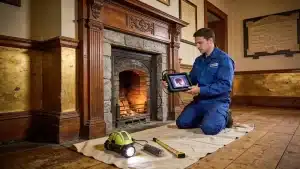
At Environ Restoration Services, we provide moisture control and restoration solutions for historic and period buildings. We understand the sensitive materials, traditional construction, and heritage value these properties carry, so our work aims to balance effective damp treatment with careful preservation.
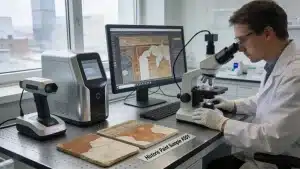
Our team identifies the cause of condensation, damp, or mould before recommending a tailored plan. Solutions may include ventilation improvements, compatible damp proofing methods, breathable materials, and professional mould remediation.
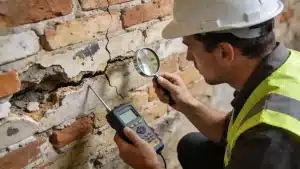
We combine modern assessment tools with traditional repair techniques where appropriate, helping protect the building fabric while supporting better indoor air quality. Choosing Environ means working with specialists committed to long-lasting moisture control, practical guidance, and careful property restoration.
Frequently Asked Questions
What Are The Common Signs Of Condensation Problems In A Property?
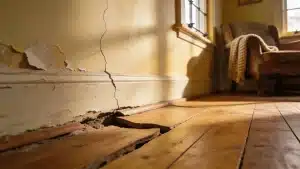
Common signs of condensation issues include water droplets forming on windows, damp patches on walls, and the presence of mould, especially in corners and on ceilings. You may also notice a musty odour, which may indicate trapped moisture.
How Often Should I Inspect My Property For Condensation Issues?
It’s advisable to conduct regular inspections of your property, ideally every six months, particularly in areas like basements, bathrooms, and kitchens where moisture is more prevalent. Inspections should become more frequent during months of high humidity or after significant weather changes.
Can Condensation Problems Affect My Health?
Condensation problems can affect health by promoting mould growth, which can contribute to respiratory issues, allergic reactions, and other health problems. Poor indoor air quality from trapped moisture can contribute to illnesses, particularly for vulnerable populations such as children and the elderly.
What Is The Best Way To Maintain Optimal Humidity Levels Indoors?
Maintaining optimal indoor humidity levels (between 30% and 50%) is important for reducing condensation. This can be achieved by using dehumidifiers, improving ventilation through extractor fans or opening windows, and regularly monitoring humidity with hygrometers.