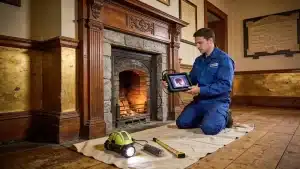
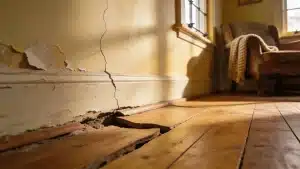
Brickwork gives structure and character to buildings, but is vulnerable to cracking, spalling, and moisture over time.
In this guide, we show how to spot common defects, summarise dependable repair methods, and offer practical maintenance and eco‑friendly options for both modern and historic properties. It also notes when to seek professional help.
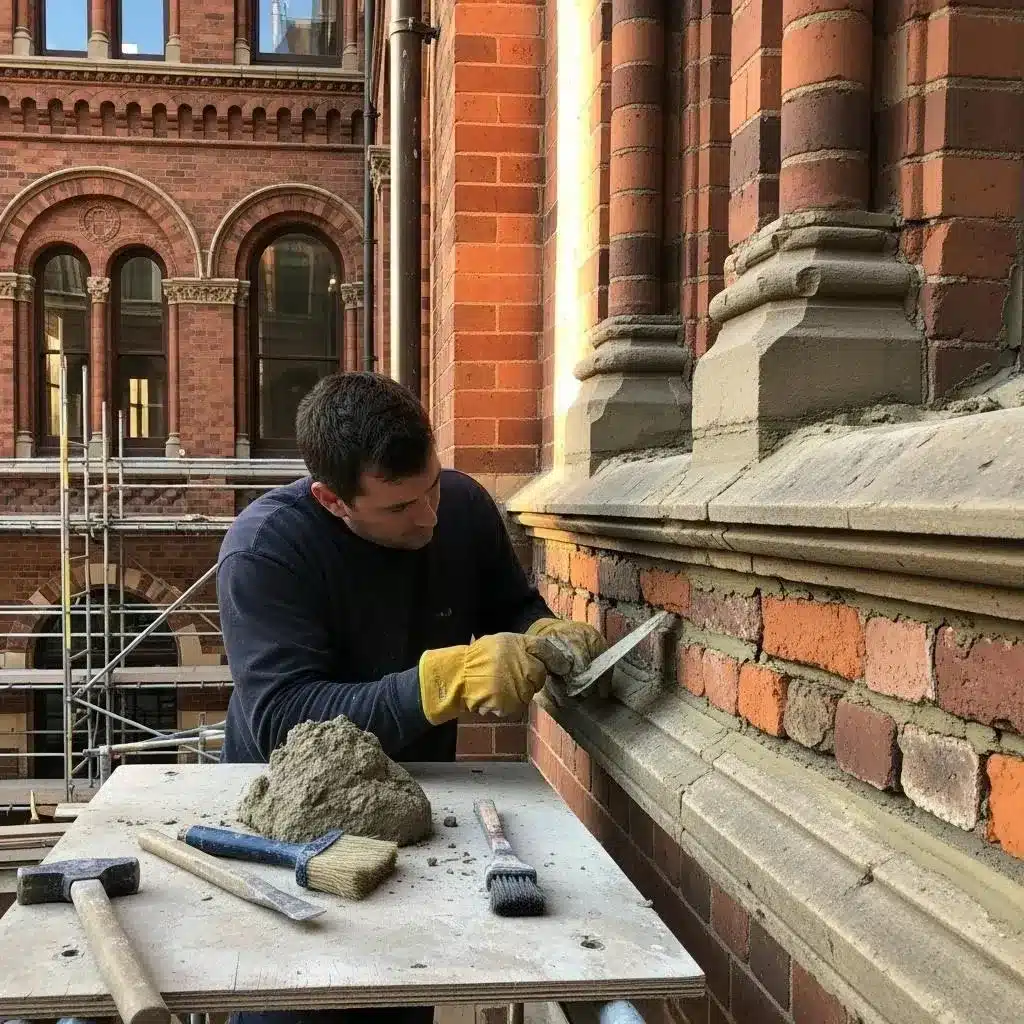
What Common Brickwork Defects Should You Look for in Your Period Property?
Older buildings often use materials and techniques no longer common, so repairs require matching materials and specialist understanding to avoid damage from incompatible mortars or sealants.
Common defects include visible cracks that may run horizontally or vertically, flaking or crumbling faces that indicate spalling, and deteriorating mortar that risks loss of bond between bricks.
How to Recognize Brick Cracks and Spalling Damage
Early signs to watch for include visible cracks that can appear either horizontally or vertically across the brickwork. Additionally, flaking or crumbling faces of bricks are a clear indication of spalling damage.
It is also important to observe the condition of the mortar, as deteriorating mortar can lead to a loss of bond between bricks, compromising the structural integrity of the wall.
Common Causes of Mortar Deterioration and Damp Penetration
Mortar deterioration and damp penetration are often linked to moisture, salt contamination, poor drainage, and thermal movement. Moisture can enter through leaks, rising damp, or trapped water, all of which weaken the mortar over time.
Thermal movement, which involves the expansion and contraction of materials due to temperature changes, places stress on joints and masonry faces, further contributing to mortar degradation.
How Can You Inspect Your Brickwork Effectively to Spot Problems Early?
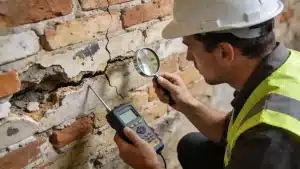
Effective inspection of brickwork involves a systematic approach. Begin with visual checks to identify cracks, staining, and any displaced bricks. Using a moisture meter or observing persistent damp patches can help detect moisture issues.
It is also important to assess the structure for signs of bulging, leaning, or step cracks, which may indicate movement or structural problems.
Step-by-Step Guide to Brickwork Inspection Techniques
To conduct a thorough inspection, first prepare the area by clearing any obstructions and ensuring good lighting to allow a detailed view of the brickwork. Next, perform a visual survey, looking closely for cracks, spalling, discoloration, and mortar deterioration.
Employ tools such as a moisture meter to detect dampness and a spirit level or plumb line to check alignment and visible movement. Document your findings by taking notes and photographs of any defects or areas of concern for future reference.
Finally, plan follow-up actions by determining whether immediate repairs are necessary or if monitoring the condition over time is sufficient.
Tools and Signs That Help Identify Structural Issues
Several tools and signs can help identify structural issues in brickwork. A moisture meter is useful for mapping damp areas that may not be immediately visible.
A spirit level or plumb line assists in checking the alignment of the brickwork to detect any leaning or bulging. Additionally, a close-up camera or magnifier can be employed to inspect fine cracks and mortar voids that might indicate deeper problems.
What Repair Techniques Can You Use to Restore Your Brickwork for the Long Term?
Proven repair techniques focus on restoring the bond and breathability of brickwork while controlling moisture. Repointing with compatible mortar is essential to restore the bond between bricks and maintain breathability.
Appropriate cleaning methods should be used to remove soiling without causing damage to the brick surface. Moisture control measures, such as improving drainage, installing flashings, and, where necessary, specifying a correctly installed damp-proof course, are critical to prevent future deterioration.
How to Fix Brick Cracks Using Traditional and Modern Methods
When fixing brick cracks, it is important to choose a method that matches both the type of crack and the building’s characteristics. Traditional methods involve using lime mortars, which allow for movement and vapour permeability, making them suitable for historic work.
Modern methods include epoxy or resin injections, which provide structural consolidation where appropriate and compatible with the existing materials.
Best Mortar and Materials for Period Property Repairs
For period property repairs, lime mortar is preferred due to its breathability and flexibility, which are essential for older masonry.
Using matching materials such as reclaimed bricks and pigmented mortars helps preserve the appearance and authenticity of the building, ensuring that repairs blend seamlessly with the original construction.
How Can You Maintain Your Brick Walls to Keep Them Strong and Damage-Free?
Maintaining brick walls to prevent future damage involves simple, regular actions. Conducting inspections and promptly addressing small repairs can prevent minor issues from escalating.
Gentle cleaning should be timed appropriately to avoid causing damage, and targeted sealing should only be applied where recommended by a specialist to ensure the brickwork remains breathable and intact.
Essential Brick Wall Maintenance Tips for Longevity
Essential maintenance tips for brick walls include performing regular checks to catch issues early before they worsen.
It is also important to use tested cleaning methods and avoid abrasive techniques, especially on historic work, to preserve the integrity and appearance of the masonry.
How Damp Proofing Protects Brickwork in London Properties
Damp proofing plays a vital role in reducing moisture risk in wet climates such as London. Common solutions include installing a damp proof course to stop rising damp and applying chemical damp proofing where physical renewal is impractical.
Chemical treatments should always be specified and applied by a professional to ensure effectiveness and safety. Additionally, addressing drainage and external wetting is equally important to protect brickwork from moisture-related damage.
Why choose Environ Restoration Service?
At Environ Restoration Services, we specialize in expert brickwork repair and maintenance in London, tailored to both historic and modern properties. We understand the unique challenges that period buildings present, and our team is dedicated to using compatible materials and proven techniques to preserve the structural integrity and aesthetic of your brickwork.
We offer comprehensive services, including building and damp surveys, brick repointing with lime mortars, brick cleaning, and damp proofing. Our approach focuses on suitable materials and careful methods that support the long-term health of your building.
Frequently Asked Questions
What are the signs that indicate I need to repair my brickwork?
Signs that your brickwork may need repair include visible cracks, spalling (flaking or crumbling of the brick surface), and deteriorating mortar joints. Additionally, look for bulging or leaning walls, which can indicate structural issues. Persistent damp patches or water stains can also signal moisture problems that require attention. Regular inspections can help catch these issues early, preventing more extensive damage and costly repairs down the line.
How often should I inspect my brickwork for maintenance?
It is advisable to inspect your brickwork at least once a year, ideally in the spring or fall when weather conditions are mild. However, if your property is in a particularly wet or harsh climate, more frequent inspections may be necessary. After severe weather events, such as heavy rain or storms, a thorough check is also recommended. Regular inspections help identify minor issues before they escalate into major repairs.
Can I perform brickwork repairs myself, or should I hire a professional?
While some minor repairs, such as repointing or cleaning, can be done by homeowners with the right tools and knowledge, more complex issues, especially those involving structural integrity, should be handled by professionals. Hiring a qualified mason ensures that repairs are done correctly and safely, particularly in historic properties where matching materials and techniques are crucial. Always assess your skill level and the repair’s complexity before deciding.
What is the best way to clean brickwork without causing damage?
The best way to clean brickwork is to use gentle methods that avoid harsh chemicals or abrasive tools. A soft-bristle brush and a mixture of water and mild detergent can effectively remove dirt and grime. For tougher stains, consider using a specialized brick cleaner, but always test it on a small area first. Avoid uncontrolled or high-pressure washing, as it can damage the brick surface and mortar joints, leading to further issues.