Brickwork repair preserves the structure and appearance of period properties. Weathering, moisture ingress, and material decay demand specialist, compatible techniques that protect historic fabric.
In this guide, we summarise practical repair methods, preservation priorities, maintenance best practice, common defects, and when to seek professional assessment.
Are You Aware of the Most Common Brickwork Defects in Your Period Property?
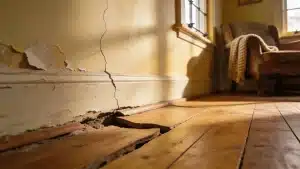
Common defects in period properties include cracks, spalling, and damp-related deterioration. Each of these issues requires careful diagnosis to ensure that the repair targets the underlying problem correctly.
Cracks may indicate structural movement or thermal stress, and understanding their cause is essential to determine whether the repair should be structural or cosmetic.
Spalling, which is surface flaking caused by moisture and freeze thaw cycles, often necessitates the replacement or patching of affected bricks. Damp issues manifest as efflorescence, mold, or paint failure, all of which point to moisture ingress that must be traced and remedied to prevent further damage.
How to Identify Cracks, Spalling, and Damp Issues in Brickwork
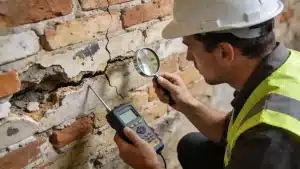
Identifying defects in brickwork involves a measured inspection combined with photographic records to monitor changes over time before deciding on repairs.
Cracks can be recognized by fissures in the mortar or bricks, with horizontal cracks requiring particular attention due to their potential structural implications. Spalling is indicated by flaked or crumbled edges and loose fragments around the brick surfaces.
Dampness is often identified through discoloration, mold growth, or musty smells, all of which suggest moisture pathways that need thorough investigation to prevent ongoing deterioration.
Causes of Structural Movement and Moisture Ingress in Masonry
Structural movement and moisture ingress in masonry typically arise from several common causes. Ground settlement, root action from nearby vegetation, and temperature cycles can all contribute to shifts in the masonry structure.
Failures in gutters, flashing, or drainage systems often allow water to penetrate the walls, exacerbating damage. Addressing these underlying causes through regular maintenance and proper water management is crucial to preventing repeat damage and preserving the integrity of the brickwork.
Structural movement is often the result of soil changes, root growth, or thermal expansion and contraction, all of which can cause the masonry to shift or crack.
Moisture factors include blocked gutters, inadequate flashing, or failed drainage systems that permit water to enter the walls. Preventive measures such as routine inspections, cleaning gutters, repairing flashings, and ensuring effective drainage can significantly reduce the long-term risk of damage to period properties.
Which Traditional and Modern Brickwork Restoration Methods Should You Use for Your Property?
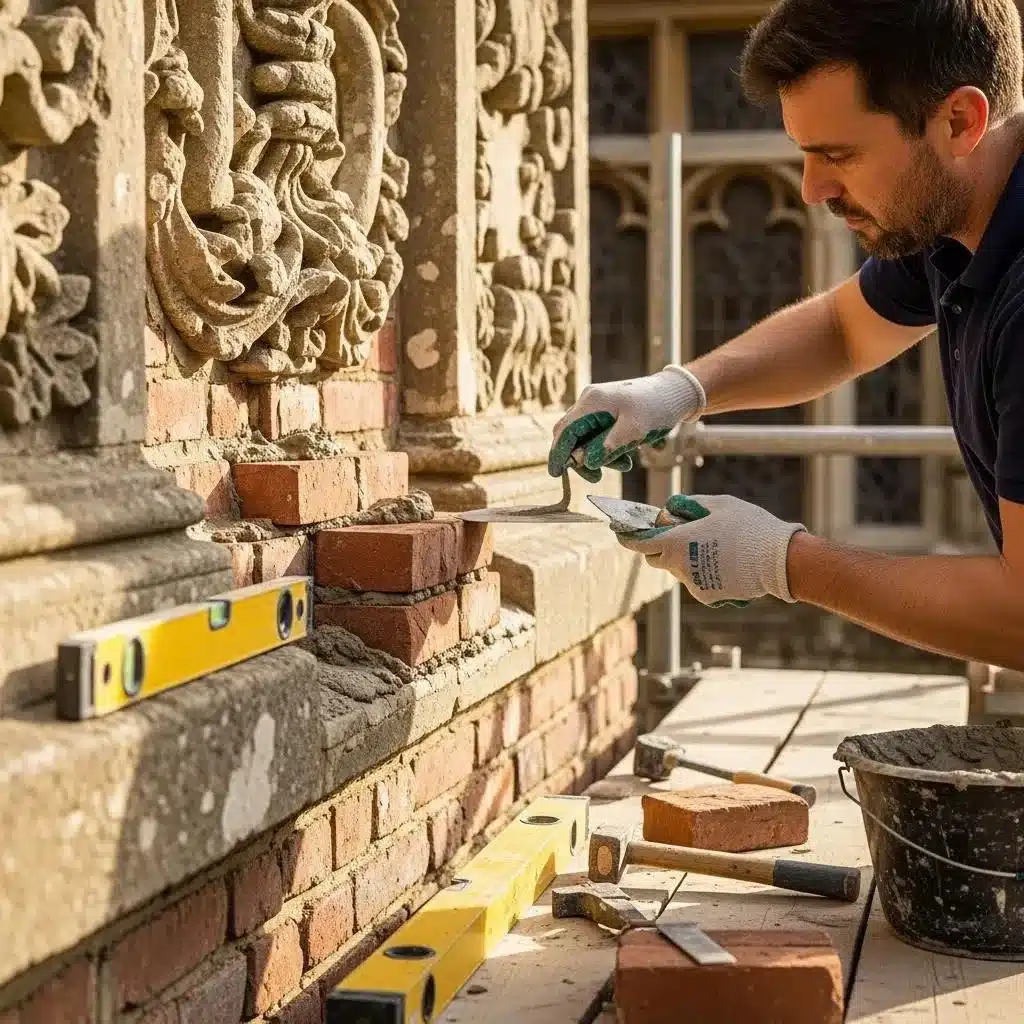
Effective brickwork restoration methods depend on matching the repair approach to the specific building. Traditional methods, such as lime repointing and careful hand cleaning, are essential for retaining the historic character of period properties.
These techniques use materials and processes that are compatible with the original construction, helping to preserve authenticity. Modern techniques, including breathable coatings and advanced damp control systems, can be employed where they are compatible with the historic fabric, offering improved durability and protection.
Combining traditional and modern methods sensibly can yield the best results. For example, lime repointing can be paired with modern, compatible moisture control measures to enhance the longevity of repairs while maintaining the building’s historic appearance.
The key is to ensure that any modern materials used do not compromise the breathability or structural integrity of the masonry.
Lime Mortar Enhance Masonry Repair and Compatibility
Lime mortar plays a crucial role in masonry repair, especially for historic buildings. Its breathability allows moisture to escape from the brickwork, reducing the risk of trapped moisture that can cause damage. Unlike modern cement-based mortars, lime mortar is more flexible, accommodating slight movements in the structure without cracking.
This flexibility and compatibility with traditional materials help preserve the integrity and appearance of period properties while ensuring long-lasting repairs that do not harm the original fabric.
How Can You Use Damp Proofing and Weatherproofing to Protect Your Brickwork?
Damp proofing and weatherproofing protect brickwork integrity by using breathable solutions that block liquid water while allowing moisture vapor to escape. Chemical or physical barriers are applied with respect for the breathability of the masonry, ensuring that moisture does not become trapped within the walls.
Weatherproofing involves the use of breathable sealants and correctly installed flashings that reduce rain penetration without compromising the wall’s ability to breathe.
These measures extend the life of the brickwork, lower maintenance requirements, and improve the building’s appearance when specified and applied correctly. The key is to balance protection from water ingress with the need for moisture vapor to escape, preventing damage caused by trapped moisture.
Techniques to Prevent Moisture Penetration in Period Brick Walls
Preventing moisture penetration in period brick walls requires a combination of proper design, maintenance, and repair techniques. Effective roof and gutter maintenance is essential to prevent water ingress, as is the installation or repair of flashings that direct water away from vulnerable areas.
Maintaining good drainage around the building’s foundation helps keep moisture away from the walls. Using breathable materials such as lime mortar allows moisture within the walls to evaporate rather than becoming trapped, which is critical for the longevity of the masonry.
Regular inspections to identify and address cracks or damaged mortar joints also play a vital role in preventing moisture entry. Timely repairs ensure that small defects do not develop into larger problems that compromise the building’s fabric.
Materials and Tools Are Recommended for Effective Damp Proofing
Effective damp proofing in period properties requires materials and tools that respect the building’s breathability and historic fabric. Lime-based mortars and breathable damp-proof membranes are recommended because they allow moisture vapor to escape while blocking liquid water.
Chemical damp-proof courses designed for compatibility with traditional masonry can also be used to provide additional protection.
Essential tools for damp proofing include moisture meters for accurate detection of moisture levels, brushes and trowels for applying mortars and coatings, and appropriate safety equipment to ensure safe handling of materials.
Selecting materials and tools that do not trap moisture is critical to preserving the integrity of period brickwork and ensuring that repairs are both effective and sympathetic to the original construction.
What Do You Need to Know About Cost and Consultation for Your Brickwork Repairs?
The cost of brickwork repairs depends on several factors, including the extent of the damage, the materials required, access to the site, and the complexity of the work.
A professional assessment is essential to define the scope of repairs accurately and to support fair and reliable quotes from contractors. This assessment helps homeowners understand the necessary work and budget accordingly.
Cost factors include the area to be repaired, the need to match materials such as historic bricks and mortars, and the requirement for scaffolding or other access equipment. These elements can increase the overall cost but are important for maintaining authenticity and quality.
Consultation steps typically involve an initial inspection followed by a written specification that outlines the work to be done.
This specification is crucial for obtaining reliable estimates and ensuring that all contractors are bidding on the same scope of work. When choosing a contractor, look for experience in period restoration. Ask for clear specifications and written references where available.
A Structural Assessment Conducted Before Repair Work
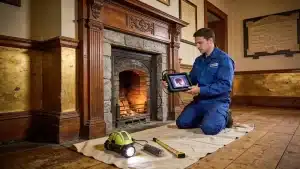
Structural assessments before repair work combine visual inspection with targeted tests to identify the causes of defects. The assessor examines the condition of the brickwork, looking for indicators of moisture and movement. Tools such as moisture meters, laser levels, and thermal imaging cameras may be used to confirm issues and provide detailed information about the building’s condition.
A qualified assessor adds significant value by ensuring that repairs address the root causes of problems rather than just treating symptoms. This approach helps prevent recurring damage and supports the long-term preservation of the property.
Typical Cost Factors and Consultation Processes
To obtain comparable quotes, it is important to provide a detailed specification that clearly defines the extent of work and the materials to be used.
Larger or more complex jobs naturally cost more due to the increased labor and materials involved. Matching historic bricks and mortars can also increase costs, but it is essential for maintaining the building’s authenticity and appearance.
Homeowners should seek multiple reputable quotes and ensure that each contractor provides a clear written scope of work. This process helps in making informed decisions and selecting the best service provider for the project.
Environ Restoration Services: Brickwork Repair for Period Properties
At Environ Restoration Services, we specialise in brickwork repair and restoration for period properties. We understand the unique challenges that historic buildings face, including structural movement, moisture ingress, and material decay.
Our team is dedicated to using both traditional and modern techniques that respect the original fabric of your property, ensuring repairs that are both effective and sympathetic to its heritage.
We provide thorough assessments and detailed consultations, with clear reports and transparent cost estimates. Our approach combines the breathability and flexibility of lime mortars with advanced moisture control solutions to protect your brickwork from further damage while preserving its authentic appearance.
Frequently Asked Questions
What are the signs that indicate brickwork needs repair?
Signs that brickwork requires repair include visible cracks, spalling, and dampness. Cracks may appear in the mortar or bricks, indicating potential structural issues or thermal stress. Spalling is characterized by flaking or crumbling surfaces, often due to moisture damage. Additionally, dampness can manifest as discoloration, mold growth, or musty odors, suggesting moisture ingress. Regular inspections can help identify these issues early, allowing for timely repairs to prevent further deterioration.
How can homeowners maintain their brickwork effectively?
Homeowners can maintain brickwork by establishing a routine inspection schedule to identify issues like cracks, spalling, or dampness. Regular cleaning using appropriate methods can prevent the buildup of dirt and harmful substances. Additionally, ensuring proper drainage and ventilation around the property helps manage moisture levels. Timely repairs, such as repointing with compatible materials, are crucial to preserving the integrity of the brickwork and extending the lifespan of the structure.
What types of materials are best for repointing historic brickwork?
For repointing historic brickwork, lime-based mortars are often the best choice due to their breathability and compatibility with traditional materials. Lime mortars allow moisture to escape, preventing damage from trapped water. It’s essential to match the mortar’s composition to the original materials used in the building to maintain structural integrity and aesthetic value. In some cases, natural hydraulic lime may be suitable for areas exposed to severe environmental conditions.
How does the weather impact brickwork maintenance?
Weather significantly impacts brickwork maintenance, as factors like rain, humidity, and temperature fluctuations can accelerate deterioration. Moisture ingress can lead to issues such as efflorescence, mold growth, and freeze-thaw damage. Regular maintenance, including inspections and timely repairs, is essential to mitigate these effects. Homeowners should also consider weatherproofing measures, such as breathable sealants, to protect brickwork from water penetration while allowing moisture vapor to escape.