Dampness in buildings is a common problem that can lead to structural damage and health issues if left untreated. Understanding the different types of damp, their causes, and how to effectively address them is essential for maintaining a safe and comfortable home. This article provides a comprehensive overview of damp issues, including identification, treatment options, costs, and prevention strategies, helping homeowners make informed decisions to protect their properties.
What Are The Different Types Of Damp Issues?
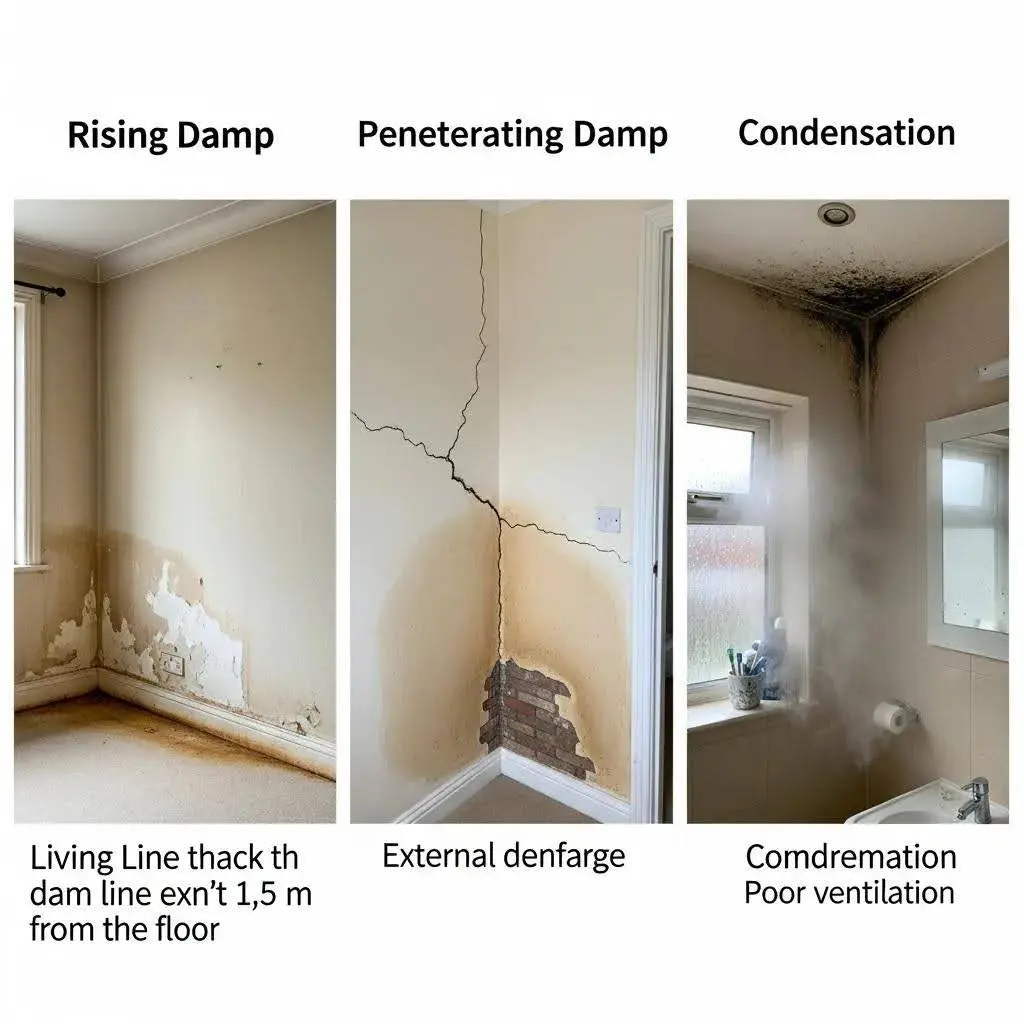
Damp presents in different forms, each with distinct causes and signs. The three primary types are:
- Rising Damp: This occurs when moisture from the ground rises through the walls of a building, often due to a lack of a proper damp-proof course.
- Penetrating Damp: Caused by water ingress from external sources, such as leaks in the roof or walls, leading to localized damp patches.
- Condensation: When warm, moist air meets cold surfaces, water droplets form on walls and windows.
Recognising these types helps homeowners identify and address the specific problems affecting their property.
How Do I Know What Type Of Damp Proofing I Need?
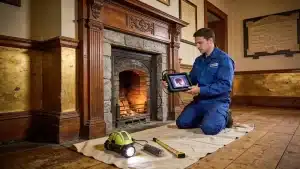
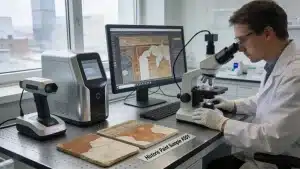
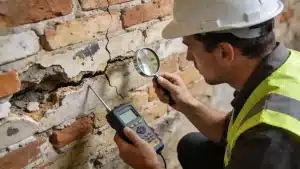
Selecting the correct damp-proofing requires assessment of the damp type, the building’s age and construction, and any previous treatments. A professional damp survey provides a comprehensive analysis and recommends the most effective solution. Common indicators during assessment include peeling paint, mould growth, and musty odours.
How Much Does Damp Proofing Cost?
Costs vary by damp type, the area affected, and the treatment method. Typical home damp-proofing costs range from £1,000 to £3,000. Obtain detailed quotes from qualified professionals to understand the specific treatments and any additional repairs required.
| Method | Average Cost | Description |
|---|---|---|
| Chemical Injection | £1,000 – £2,500 | Used for rising damp treatment, it involves injecting a damp-proofing solution into the walls. |
| Tanking | £1,500 – £3,500 | A waterproof barrier applied to walls is effective for penetrating damp. |
| Ventilation Improvements | £500 – £1,500 | Enhances airflow to reduce condensation issues. |
The table summarises typical costs for common damp-proofing methods to help homeowners compare options.
Does Insurance Cover Damp Proofing Costs?
Insurance cover for damp-related costs depends on the policy and the circumstances. Standard home insurance may cover damage caused by damp, but often excludes preventative damp-proofing measures. Review your policy details and consult your insurer to confirm cover and any exclusions.
What Are The Signs Of Damp?
Early detection prevents more severe damage. Common indicators include:
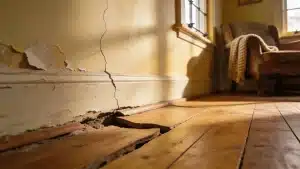
- Peeling Paint or Wallpaper: This can indicate moisture trapped behind the surface.
- Mould Growth: Visible mould on walls or ceilings is a clear sign of damp.
- Musty Odors: A persistent musty smell often accompanies damp conditions.
- Condensation on Windows: Excess moisture on window surfaces can indicate high humidity levels.
Spotting these signs promptly enables timely intervention and limits further deterioration.
What Are The Long-Term Effects Of Untreated Damp?
Untreated damp can cause long-term structural deterioration, weakening walls and foundations. It can also cause health problems, including respiratory issues and allergies from mould exposure. Repair costs for damage caused by prolonged damp can be substantial, so early detection and treatment reduce long-term risk and expense.
How Can I Prevent Damp In My Home?
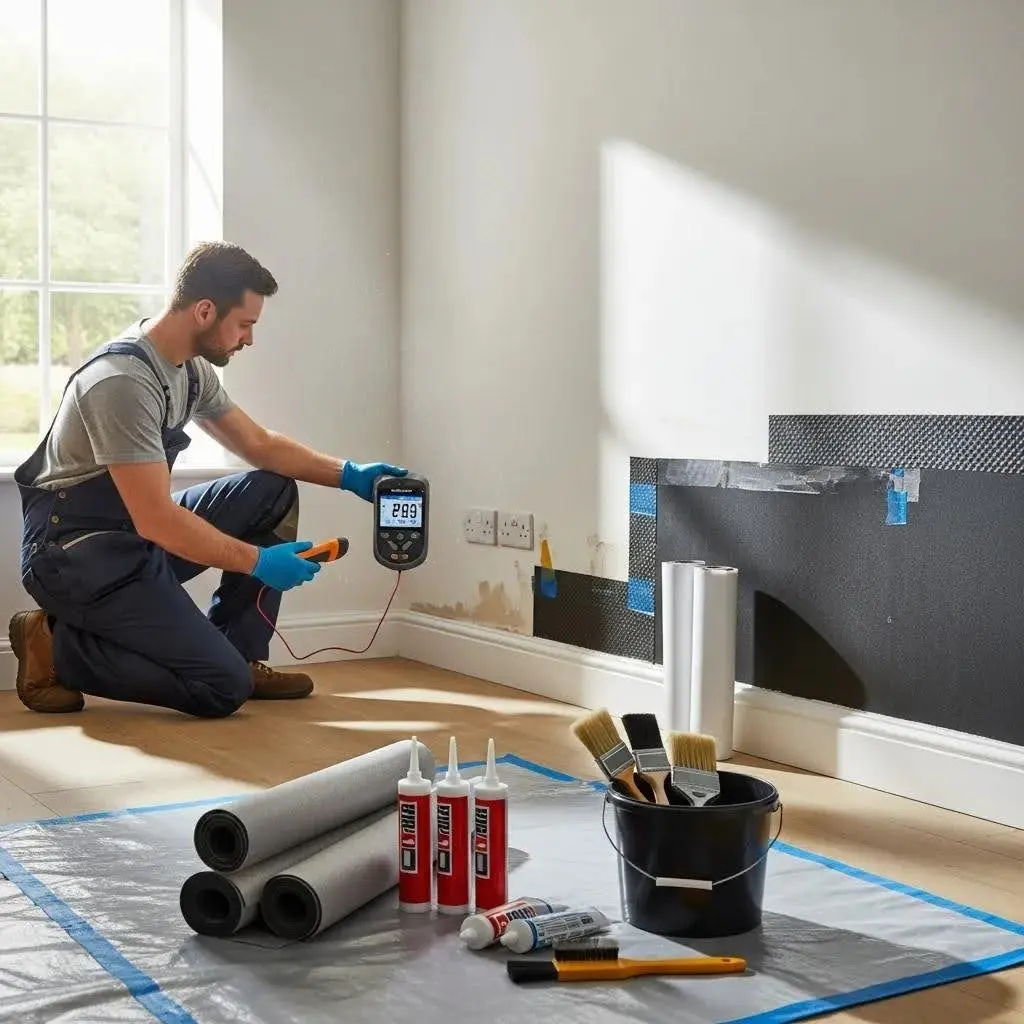
Prevent damp with proactive measures such as:
- Improving Ventilation: Ensuring adequate airflow can help reduce humidity levels.
- Regular Maintenance: Inspecting and repairing roofs, gutters, and downspouts prevents water ingress.
- Using Damp-Proof Paints: Applying specialised paints can help protect walls from moisture.
- Installing Dehumidifiers: These devices help control humidity levels in particularly damp areas.
Applying these measures substantially reduces the likelihood of damp developing in the home.
Can I Do Damp Proofing By Myself?
Some treatments can be attempted as DIY projects, but professional assistance is generally advised. DIY methods often lack the precision of professional work and incorrect application can exacerbate problems. Techniques such as chemical injections and tanking require specialist skills for correct installation. Consider the risks and benefits before proceeding with a DIY approach.
What should I expect during the damp-proof injection process?
A typical damp-proof injection follows these steps:
- Assessment: A professional will assess the property to determine the extent of the damp issue.
- Preparation: Walls are prepared by drilling holes at specific intervals.
- Injection: A damp-proofing solution is injected into the walls to create a barrier against moisture.
- Finishing: After treatment, the walls may need to be replastered or painted.
Expect the work to take a few hours; the effectiveness of the treatment will become apparent over time.
Environ Restoration Services: Your Trusted Partner in Damp Proofing and Property Protection
Environ Restoration Services is a trusted provider of comprehensive damp proofing and restoration solutions in London. With years of experience in the industry, we are committed to delivering high-quality services that protect your property from moisture damage and preserve its structural integrity. Our team of skilled professionals uses the latest techniques and environmentally friendly products to ensure effective and lasting results.
We offer tailored assessments and treatments for all types of damp issues, including rising damp, penetrating damp, and condensation. Whether you own a modern home or a historic building, Environ Restoration Services provides expert advice and reliable solutions to keep your property dry and healthy.
Contact us today to schedule a professional damp survey and learn how we can help safeguard your home or commercial property against damp-related problems.
Frequently Asked Questions
What are the common causes of damp in homes?
Damp originates from several sources: poor construction, inadequate drainage and environmental exposure. Common causes include rising damp (from a missing damp proof course), penetrating damp from roof or wall leaks, and condensation from high humidity. Blocked gutters and downspouts can let water pool at foundations and worsen moisture. Regular inspections and maintenance catch these issues early and allow effective mitigation.
How can I identify if my home has rising damp?
Rising damp shows damp patches on lower walls, peeling paint or wallpaper, a musty odour and a tide mark that indicates moisture rising from the ground. If you suspect rising damp, engage a qualified professional for a full assessment and tailored treatment recommendations.
Are there any health risks associated with dampness in homes?
Damp environments increase the risk of respiratory problems and allergic reactions due to mould growth and dust mites. Mould spores can trigger asthma attacks and other allergic responses, particularly in vulnerable people. Address damp promptly to reduce health risks and improve indoor safety.
What maintenance practices can help prevent damp?
Prevent damp through routine maintenance: inspect and repair roofs, gutters and downspouts; ensure adequate ventilation in bathrooms and kitchens using extract fans; seal cracks in walls and foundations promptly; apply appropriate damp-proof paints; and use dehumidifiers in high-humidity areas.