Building insurance does not normally cover repointing when mortar has deteriorated through age, ordinary weather exposure or poor maintenance. It may cover the work when repointing is required after a sudden insured event, such as a fire, severe storm, flood, subsidence or accidental impact.
The cause matters more than the repair itself. This guide explains when cover may apply, which exclusions matter and how to prepare a stronger claim.
What Is Building Insurance and What Does It Typically Cover?
Building insurance protects the permanent structure of a property, including walls, roofs, floors, windows and fixed fittings. Policies commonly cover fire, flooding, storms, subsidence, escape of water and certain forms of impact damage.
Repointing is rarely listed as a separate benefit. Instead, the insurer asks why the repair is needed. Gradual mortar erosion is normally maintenance. Sudden damage caused by an insured incident may be covered as part of a wider brickwork repair.
Structural Damage Commonly Covered by Building Insurance
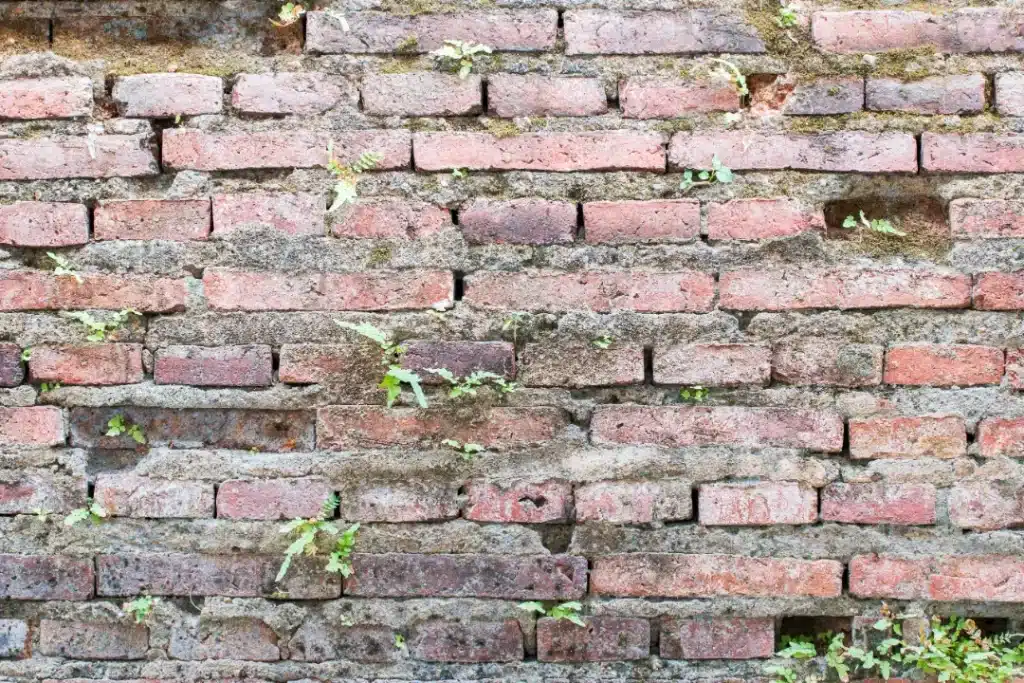
Brickwork repairs may qualify after a vehicle impact, falling tree, fire or subsidence. Storm claims require evidence that severe weather directly caused the damage and that the wall was previously in reasonable condition.
Common Building Insurance Exclusions
Typical exclusions include wear and tear, gradual weathering, poor maintenance, faulty workmanship and pre-existing defects. Cover may also be restricted for unoccupied properties, renovation work or non-standard construction.
Always read the policy wording, schedule and endorsements. Accidental damage may be included in some policies but offered as an optional extension in others.
Building Insurance Is Not a Maintenance Contract
Insurance pays for defined unexpected events, not routine upkeep. Mortar naturally weakens through rain, frost, pollution and changing temperatures. When joints become shallow, cracked or powdery over several years, repointing is normally the owner’s responsibility.
Residential and Commercial Policy Differences
Residential policies protect homes, while commercial policies cover business premises. Both usually exclude maintenance-related repointing, even when a commercial policy also includes stock, business interruption or loss-of-rent cover.
Is Repointing Considered Maintenance or Insurable Damage?
Repointing is usually classed as maintenance because it replaces mortar that has deteriorated through age and exposure. It may become insurance-related when a covered event suddenly damages previously serviceable masonry.
The insurer will consider the wall’s earlier condition, the damage pattern and whether the proposed work restores the property rather than improves it.
Signs That Mortar Requires Repointing
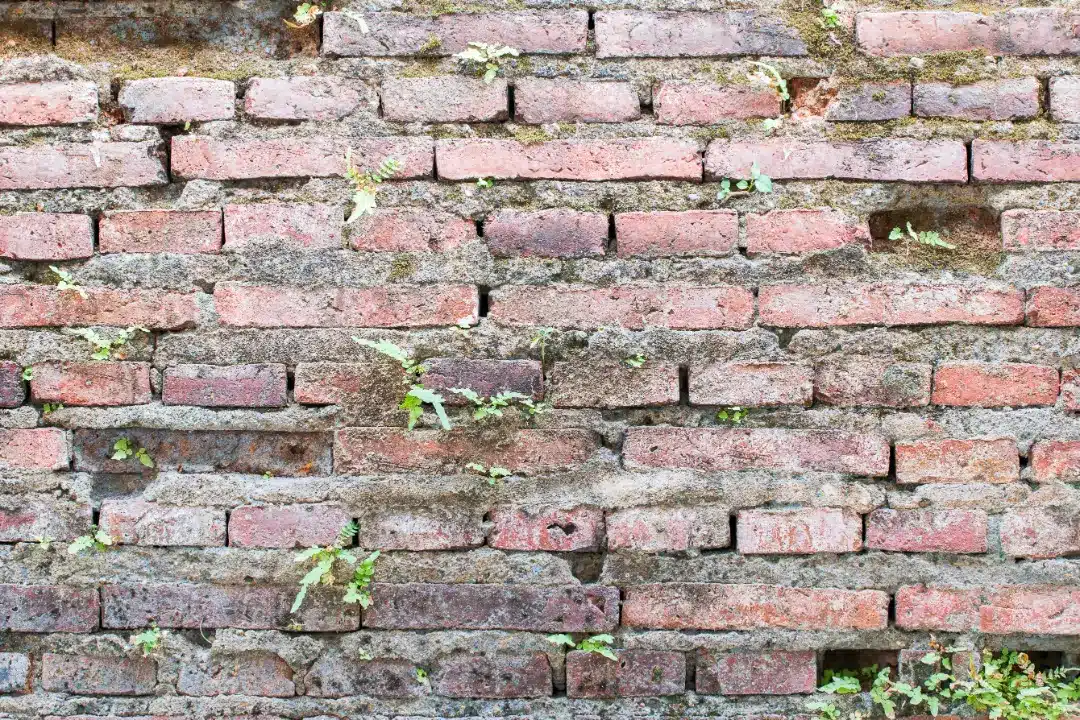
Warning signs include crumbling mortar, recessed joints, open gaps, cracking, loose bricks, staining and damp patches. Water entering around chimneys or exposed elevations may also indicate failed pointing.
Flaking brick faces can suggest trapped moisture, especially where hard cement has been applied to older masonry. These symptoms require inspection but do not prove that insurance cover applies.
Differences Between Wear, Storm and Accidental Damage
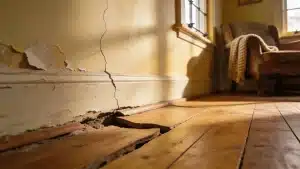
Wear and tear usually develops across a broad area, with evenly shallow or brittle joints. Storm damage is more likely to appear suddenly and may involve displaced bricks or damaged chimneys. Accidental damage often produces a visible impact point and fresh cracking.
Dated photographs, earlier property images, contractor findings and maintenance records can help distinguish sudden damage from gradual deterioration.
Urgent Repairs and Insurance Eligibility
Urgent repairs are not automatically insured. Loose masonry, water entry or falling debris may require immediate action, but policy exclusions still apply.
A claim is stronger when an identifiable incident occurred, the damage appeared suddenly and the wall was previously sound. Photograph the area, retain receipts and contact the insurer before permanent work begins whenever possible.
How to Make a Successful Insurance Claim for Repointing?
A successful claim must explain why repointing is necessary. A quotation alone is not enough because insurers generally treat repointing as maintenance unless evidence links it to a covered event.
Do not present long-standing defects as new damage. Separating sudden damage from existing maintenance issues gives the insurer a clearer basis for assessing the claim.
Documentation Needed for a Repointing Claim
Useful evidence includes dated photographs, videos, maintenance records, weather information, incident references and an itemised quotation.
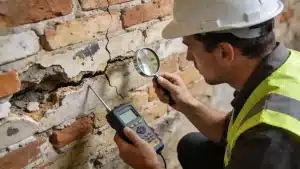
A professional report should explain the likely cause, identify older deterioration and state whether local or full repointing is required. The quotation should separate mortar work, brick replacement, scaffolding and access costs.
Steps for Filing a Brickwork Repair Claim
Make the area safe and prevent avoidable further damage. Photograph the joints closely and take wider images showing the complete wall.
Contact the insurer, ask what temporary work is authorised and arrange a professional assessment. Submit the report, photographs and itemised quotation. The insurer may appoint a surveyor or loss adjuster before making a decision.
Approval may cover only localised incident damage. Wider maintenance and unrelated deterioration may remain the owner’s responsibility.
Working with Insurers and Loss Adjusters
Give clear, consistent information and avoid guessing about the cause. Ask which policy section applies, whether the cause has been accepted and which costs are covered.
Confirm whether scaffolding, matching materials and emergency work are included. If the claim is declined, request the decision and relevant exclusion in writing before submitting more evidence or making a formal complaint.
How Insurance Coverage Affects Repointing Costs in London
London repointing prices depend on wall area, access, mortar type and brick condition. Standard work may cost around £50 to £80 per square metre. Lime mortar or heritage work may cost approximately £70 to £110 per square metre or more.
Scaffolding, raking out, brick replacement and difficult access can increase the total. Insurance may cover only work directly related to the insured event and will usually deduct the policy excess.
Typical Repointing Costs Per Square Metre
A detailed quotation should state whether the price includes removing defective mortar, preparing joints, applying new mortar, cleaning the brickwork and disposing of waste.
Scaffolding may be charged separately. Chimneys, tall elevations and narrow access can also increase the final cost.
Effects of Mortar Type and Property Age
Older properties often require lime-based mortar rather than dense cement. Lime is softer and allows moisture to move through traditional solid walls.
Specialist work may cost more because old mortar must be removed carefully and the replacement mix must suit the masonry. Listed buildings and properties in conservation areas may also require consent before external work starts.
Long-Term Value of Professional Repointing
Professional repointing keeps water out of open joints, protects brick edges and reduces the risk of wider damage. It also creates useful maintenance records.
Dated photographs, invoices and mortar specifications may help show that the property was maintained before a later incident. They do not guarantee approval, but they can make the cause easier to establish.
Building Condition and Insurance Valuations
Insurers may consider construction type, rebuilding cost, property condition and claims history. Period or listed buildings can cost more to reinstate because they require specialist materials and labour.
How Does Storm and Accidental Damage Impact Insurance Coverage for Repointing?
Storm and accidental damage are among the main circumstances in which repointing may form part of a claim. Neither guarantees approval.
The insurer must be satisfied that the event meets the policy definition and directly caused the failure. Bad weather that only exposes already weakened mortar is unlikely to qualify.
Storm Damage That May Support a Claim
Examples include a branch striking a wall, strong winds damaging a chimney or roof materials hitting masonry below. Normal rain, frost and seasonal temperature changes usually count as gradual weathering rather than sudden storm damage.
Home Insurance Cover for Storm Damage
Most UK building policies include storm protection, but definitions vary. Strong weather on the day damage is discovered does not automatically prove that it caused the problem.
Report the incident quickly, photograph the area and avoid permanent repairs until the insurer confirms the next steps. Keep evidence and receipts for emergency work.
Accidental Damage to Brickwork
Accidental damage may be covered after a sudden unintended event, such as a vehicle hitting a wall. Some impact risks are standard, while broader accidental protection may be optional.
Photographs, witness details, CCTV footage and a professional survey can support the claim. Deliberate damage, faulty workmanship and excluded construction work may not be covered.
Prevention of Further Structural Damage
Temporary action can reduce water entry and stop loose masonry from becoming dangerous. Policyholders are expected to take reasonable steps to limit further loss.
Permanent repointing should usually wait until the insurer has inspected the wall or provided written approval. Routine maintenance also makes sudden damage easier to identify.
Why Choose Environ Restoration Services for Repointing in London?
Environ Restoration Services provides professional brickwork and repointing services for residential, commercial and heritage properties across London. We inspect mortar failure, assess surrounding masonry and recommend a repair method suited to the building.
Our team understands modern cement pointing and traditional lime mortar. This matters for period properties, where an unsuitable mix may trap moisture and damage softer bricks.
We provide clear quotations separating repointing, brick replacement, access and related restoration work. Where insurance is involved, this itemised approach can help owners discuss repairs with insurers and loss adjusters.
Early inspection can prevent a manageable mortar defect from becoming a larger damp or masonry problem.
What Are Common Questions About Building Insurance and Repointing?
Does building insurance cover repointing caused by wear and tear?
No. Gradual deterioration caused by age, rain, frost or delayed maintenance is normally excluded. Cover may apply only when repointing is needed after a sudden insured event.
Can I claim for repointing after a storm?
Possibly. You must show that severe weather directly caused sudden damage. A claim may be rejected when the storm only reveals mortar that was already loose or missing.
What evidence should I provide to my insurer?
Provide dated photographs, incident details, maintenance records, weather information, a professional assessment and an itemised quotation linking the repair to the insured event.
Should repointing begin before the insurer inspects the wall?
Usually not. Complete only temporary work needed to make the area safe or prevent further damage. Contact the insurer before permanent repairs and keep receipts for emergency measures.