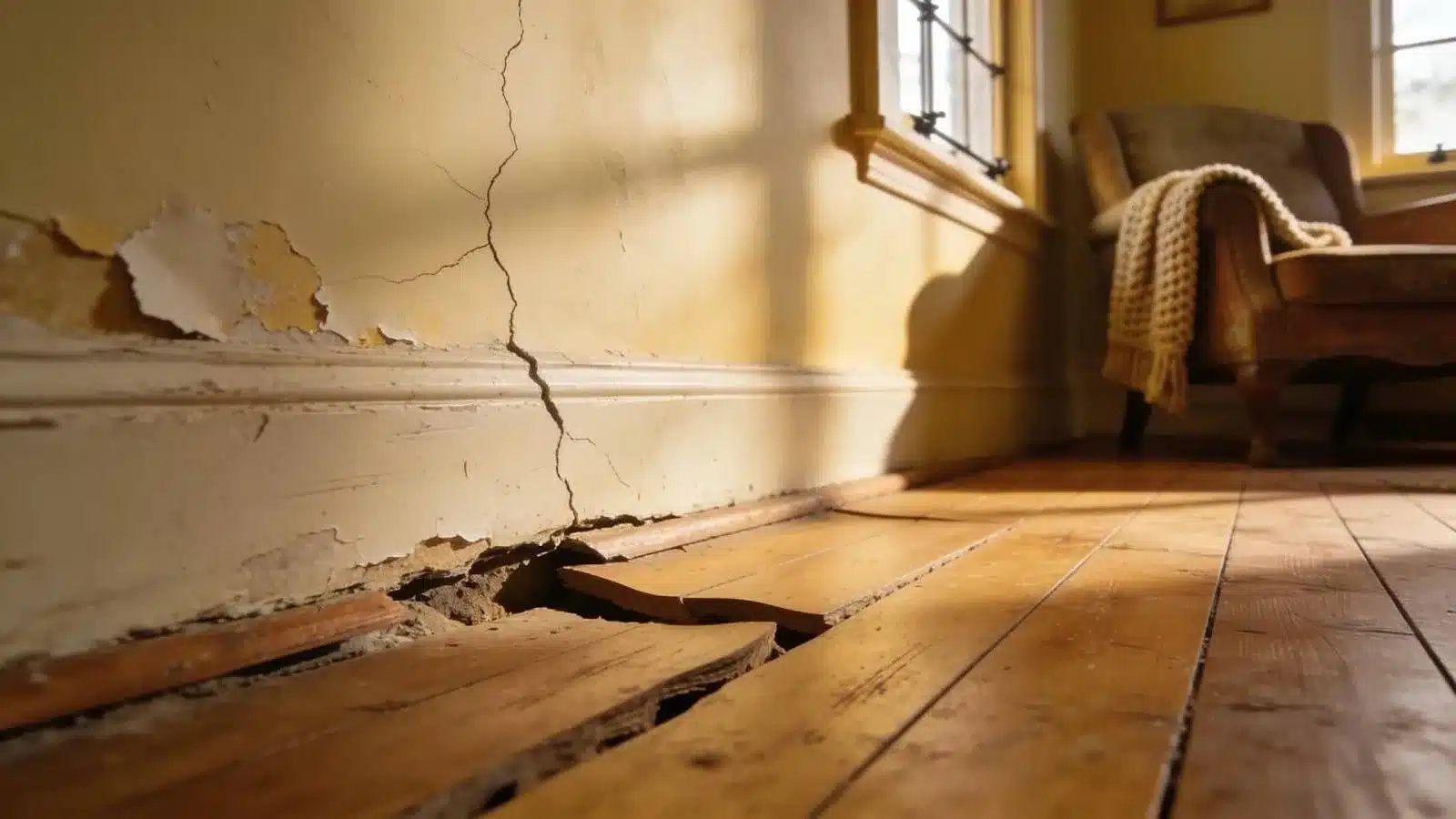
Subsidence refers to the downward movement of the ground beneath a structure, causing structural distress and potential damage to buildings. This phenomenon can lead to serious consequences, particularly in residential and commercial properties, where it often results in costly repairs and safety concerns.
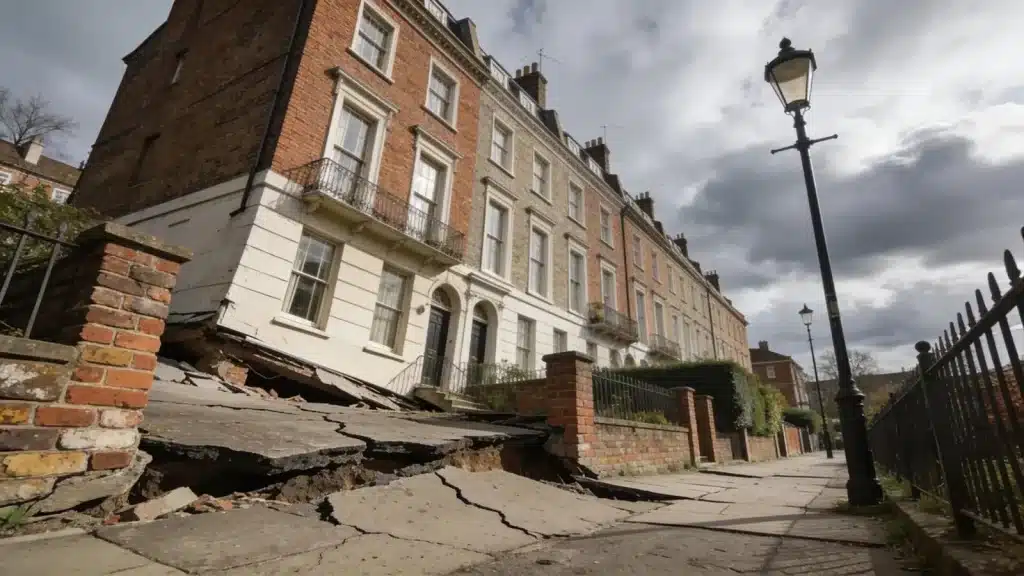
In this article, we will explore what causes subsidence, how to identify its signs early, and the effective repair methods available to mitigate this issue. Additionally, we’ll examine the role of Environ Restoration Services. It works on restoration and building repair projects for period and historical properties in London.
What Are the Primary Causes of Subsidence in Properties?
Identifying the causes behind property subsidence is essential for effective mitigation. Here are several key contributors:
- Ground Movement: Soil can shift for various reasons, including the natural settling of the earth or the effects of moisture on soil composition.
- Tree Roots Impact: Large trees can extract moisture from the soil, leading to shrinkage and subsequent subsidence.
- Poor Drainage: Inadequate drainage systems can allow water to pool around foundations, eroding soil and compromising structural integrity.
Soil Movement and Drainage Problems Causing Subsidence
Soil movement often triggers subsidence in properties, particularly in areas where clay soil is prominent. Clay can expand when wet and shrink significantly when dry, leading to fluctuating levels of support for structures built on it.
Similarly, drainage problems, like blocked gutters or malfunctioning downspouts, can lead to excess water pooling and eroding the soil around foundations, exacerbating subsidence risks. Understanding these mechanisms is key to preventing severe damage.
What Role Do Vegetation and Tree Roots Play in Foundation Settlement?
Vegetation, particularly trees, plays a significant role in foundation settlement. The moisture extraction by tree roots can lead to soil shrinkage, which destabilizes foundations.
Furthermore, tree roots can physically disrupt the soil structure, causing localized areas of weakness. Homeowners should be cautious about planting large trees close to their buildings to minimize these risks.
How Can You Identify the Signs of Subsidence Early?
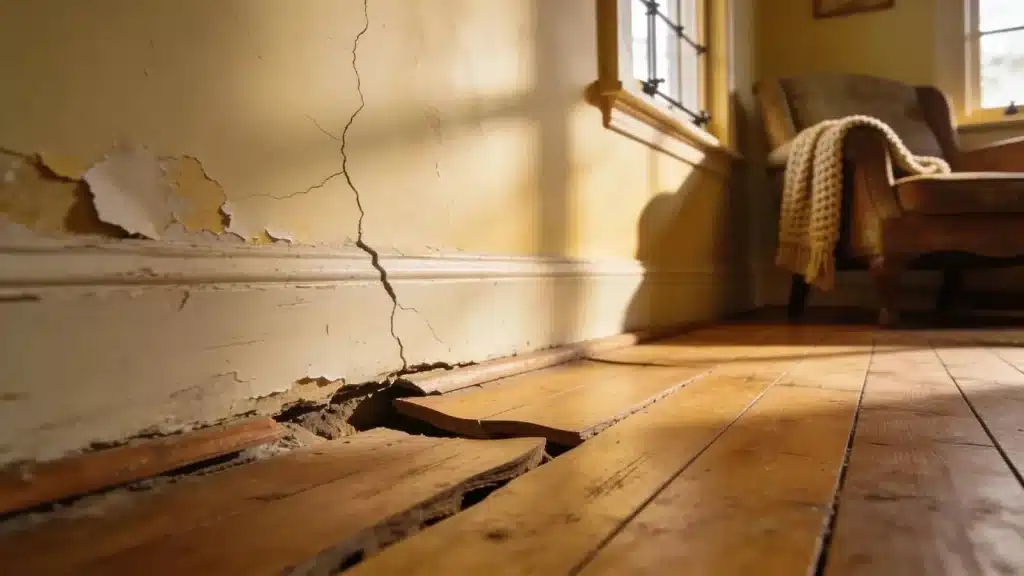
Identifying the early signs of subsidence can help mitigate further damage. Early indicators may include:
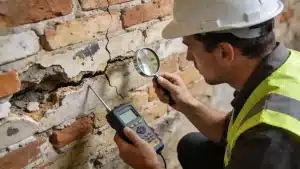
- Visible Cracks: Noticing cracks in walls, particularly those that widen over time or appear at sharp angles, can signal subsidence.
- Uneven Floors: Floors that appear to slope or become uneven are often a sign of structural issues due to subsidence.
- Signs of Dampness: Increased dampness around the foundation can be a warning sign, as it may indicate drainage issues that could contribute to subsidence.
Structural Cracks and Settlement Patterns That Indicate Subsidence
Structural cracks can suggest possible subsidence. Key indicators include:
- Vertical Cracks: Vertical cracks can indicate movement, but they do not point to subsidence on their own.
- Horizontal Cracks: These often suggest issues related to lateral pressure or wall movement rather than classic subsidence.
- Stair-Step Cracks: Common in brickwork, these patterns can indicate subsidence where foundation shifts lead to unequal stress distributions.
Survey Techniques and Instruments for Accurate Subsidence Diagnosis
To accurately diagnose subsidence, several survey techniques can be employed:
- Ground Penetrating Radar (GPR): Utilizes radar pulses to image the subsurface and identify voids or weaknesses in the foundation.
- Level Surveys: Measure ground levels over time to detect any movement.
- Inclinometers: Monitor the angle of tilt in structures, indicating potential subsidence.
What Are the Proven Subsidence Repair Methods and Their Benefits?
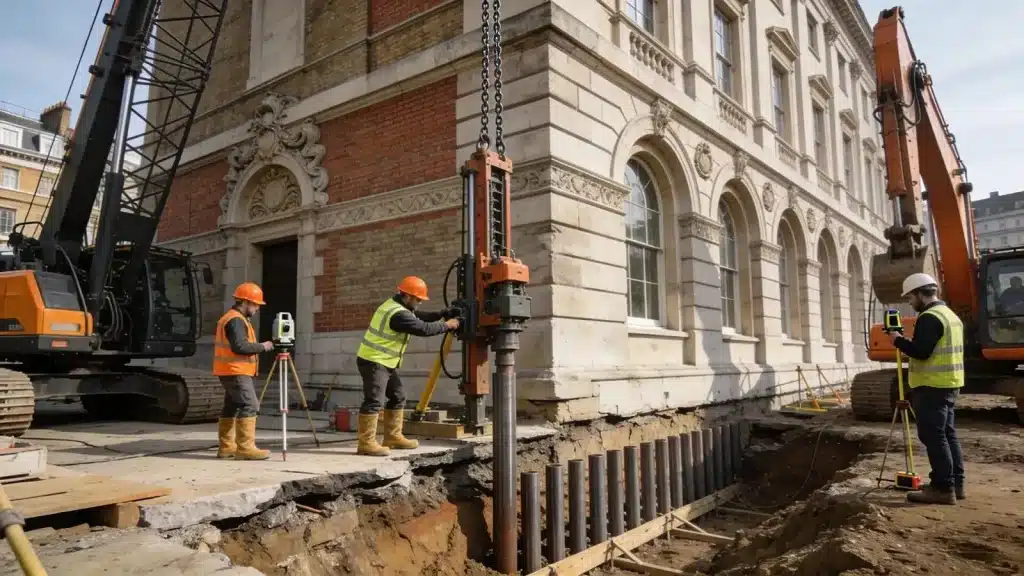
When it comes to repairing subsidence, several methods have shown effectiveness in stabilizing structures. Key repair methods include:
- Professional Assessment: Essential for identifying the most appropriate repair strategies. Experts evaluate the causes and extent of damage before recommending solutions.
- Underpinning: This method supports existing foundations by extending them deeper into the ground or providing additional support. It is particularly beneficial for period and historical properties, helping to improve structural stability.
- Soil Stabilization Techniques: Various methods aimed at reinforcing the soil surrounding the foundation can prevent further subsidence.
Foundation Underpinning for Stabilising Period and Historical Buildings
Foundation underpinning strengthens the base of structures by accessing deeper, more stable soil layers. This technique is critical for period and historical buildings, which often have unique architectural considerations. Underpinning can prevent further settlement while maintaining the structural integrity and historical appearance of the building.
Moisture Management and Soil Stabilisation Techniques for Long-Term Repair
Effective moisture management is crucial for long-term subsidence repair. Techniques may include:
- Moisture Barriers: Installation of barriers can prevent excess moisture from seeping into the foundation area, reducing the risk of soil shrinkage and swelling.
- Soil Stabilization Techniques: Such methods as chemical grouting can enhance the structural integrity of soils, helping them remain more stable during adverse weather conditions.
- Regular Maintenance: Ongoing inspection and maintenance of drainage systems help in managing moisture levels around structures.
How Do Property Subsidence Insurance and Legal Considerations Affect Repairs?
Understanding the implications of property subsidence insurance is vital for homeowners. Different policies can cover repairs to damage caused by subsidence, but recognizing coverage limits is crucial.
Subsidence Insurance Claims Guidance for Homeowners
Homeowners must be proactive regarding their insurance policies. Important considerations include:
- Claim Process: Understanding how to properly file a claim for subsidence-related damage can ensure timely support for repairs.
- Documentation Needed: Collecting all necessary documents, such as inspection reports and photographs of damage, is essential.
- Typical Hurdles: Homeowners should be aware of common pitfalls in the claims process, including potential disputes over policy interpretation.
Building Regulations Affecting Subsidence Repairs in London
In London, building regulations significantly influence how subsidence repairs are conducted. Essential aspects include:
- Key Regulations: Compliance with local building codes is mandatory to ensure repairs meet safety standards.
- Compliance Requirements: Proper permits may be necessary before initiating repair work, highlighting the importance of engaging professionals experienced with local laws.
- Implications for Contractors: Contractors must be knowledgeable about these regulations to avoid legal issues during repair projects.
Subsidence Repairs with Environ Restoration Services
At Environ Restoration Services, we work with period, historic, and heritage properties across London. We begin restoration projects by assessing the condition of the building. Our surveys help identify structural problems and areas that need further attention.
Our repair work can include masonry and restoration repairs where cracking or deterioration has affected the property. We can also address damaged masonry and related building issues where these contribute to deterioration. Each repair plan is based on the condition and requirements of the building.
Environ Restoration Services understands that older buildings require careful treatment. We combine traditional restoration skills with specialist restoration expertise. Our aim is to address structural problems while respecting the original character and fabric of the property.
Frequently Asked Questions
Is subsidence dangerous, and can it cause a building to collapse?
Subsidence is a serious structural concern because it involves the downward movement of the ground beneath a building, which can compromise foundations and cause structural distress. Left unaddressed, it can lead to widening wall cracks, uneven floors, and significant safety concerns, particularly in period and historical properties with unique architectural vulnerabilities. While complete collapse is rare, ongoing subsidence can severely weaken structural integrity over time, making early identification and professional assessment essential. Prompt repair methods, such as underpinning and soil stabilization, help prevent minor movement from escalating into costly, dangerous structural damage.
Can subsidence be repaired without underpinning?
Yes, underpinning is not always necessary. Depending on the cause and severity, soil stabilization techniques, such as chemical grouting, can reinforce soil around a foundation without extending it deeper into the ground. Moisture management measures, including moisture barriers and improved drainage maintenance, can also address subsidence caused by soil shrinkage and swelling rather than genuine foundation failure. A professional assessment is essential to determine whether these less invasive methods will sufficiently stabilize the structure, or whether underpinning is required to support foundations reaching deeper, more stable soil layers, particularly in period and historical buildings.
How can homeowners prevent subsidence from occurring?
Preventing subsidence starts with managing the factors known to trigger it. Homeowners should avoid planting large trees too close to buildings, since tree roots extract moisture from soil and can destabilize foundations. Maintaining effective drainage, clearing gutters, and ensuring downspouts function properly, prevents water from pooling around foundations and eroding supporting soil. Regular inspection and maintenance of drainage systems help manage moisture levels around a structure over time. Where clay soil is present, monitoring for early warning signs such as wall cracks, uneven floors, or dampness allows homeowners to seek professional assessment before subsidence causes serious damage.
Why is London particularly prone to subsidence caused by clay soil?
Many London properties sit on clay soil, which is highly sensitive to moisture changes. Clay expands when wet and shrinks significantly when dry, creating fluctuating levels of support beneath foundations as seasons change. This instability is often worsened by large trees extracting moisture from the ground and by drainage problems that allow water to pool and erode soil around foundations. Period and historical London properties are especially vulnerable, as their older foundations were not always designed for these conditions, making professional assessment and appropriate repair methods, like underpinning, particularly important in the capital.