Listed building consent in London may be required before altering, repairing, or extending a listed building if the work affects its special interest. It sits alongside planning permission (where required) and conservation area rules that safeguard original fabric and character.
Knowing the criteria, required drawings, method statements, and supporting heritage statements can reduce delays and refusals. Non-compliance can trigger enforcement action, fines, and expensive reversal of unauthorised work.
Key steps include confirming listing status, consulting the authority, preparing reports, submitting an application, and responding to conditions. Restoration teams help align scope, materials, and workmanship with conservation requirements at each stage.

What is Listed Building Consent and Why is it Required in London?
Listed building consent is a legal requirement in England that protects buildings of special architectural or historic interest. This consent is necessary before alterations, extensions, or demolitions that could affect the building’s special interest.
The primary purpose of this regulation is to preserve the character and significance of heritage assets. It helps ensure any changes are in line with the building’s historical value. Non-compliance can result in enforcement actions by local authorities, including fines or restoration orders.
Listed Building Rules and Related Permissions
- Listed building rules come from the Planning (Listed Buildings and Conservation Areas) Act 1990.
- The law sets the framework for what counts as a listed building and how it is protected.
- Owners must get consent for any work that could affect the building’s character or special interest. This includes changes to original fabric, features, finishes, or historic layouts.
- Heritage planning permission ensures proposed work is assessed for heritage impact before approval.
- Applications are judged on how changes affect historic significance, not just appearance.
- Alterations that replace original materials or remove period details are more likely to be refused.
- Like-for-like repairs and conservation-led methods often have a stronger approval case, but consent may still be needed.
Conservation Area Rules for Property Changes
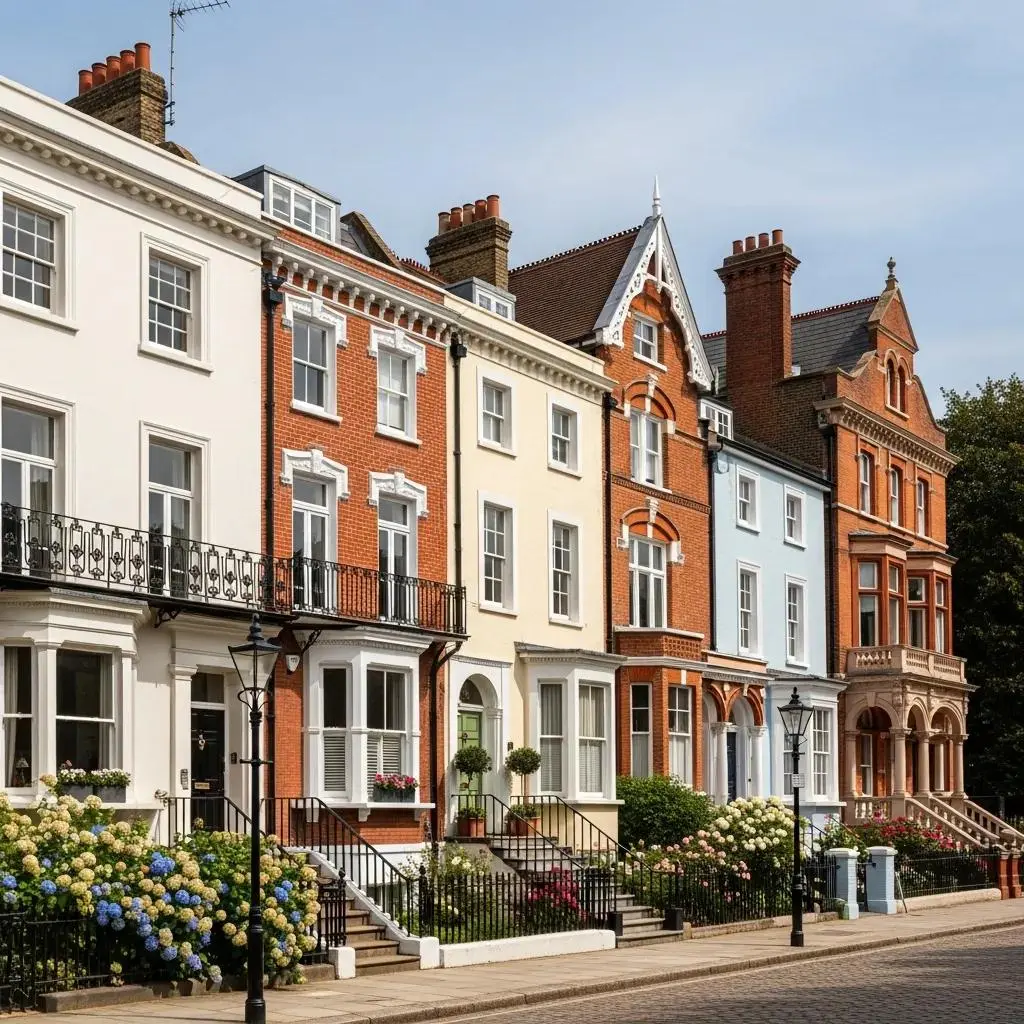
Conservation areas are designated zones where the character and appearance of the area are protected. Properties within these areas are subject to additional regulations that restrict certain types of alterations.
For example, homeowners may need to seek permission for external changes that would otherwise be permitted, such as replacing windows or doors. Understanding these rules is essential for property owners, as failure to comply can lead to enforcement actions and the need to revert to unauthorised changes.
How Do You Apply for Listed Building Consent in London?
Applying for listed building consent involves a structured process that requires careful preparation and documentation. The first step is to consult with the local planning authority to understand specific requirements and guidelines. This initial consultation can provide valuable insights into what is likely to be approved and can help avoid common pitfalls.
Preparing Your Application for Local Planning Authority Approval
To prepare a stronger application, property owners should gather all necessary documents. This includes detailed plans of the proposed work, photographs of the existing building, and a heritage statement outlining the significance of the property.
Consulting with experts in heritage legislation can also enhance the application, helping ensure that it meets regulatory requirements. Engaging with a specialist restoration service can provide additional support in navigating the complexities of the application process.
Common Documentation and Supporting Materials Needed
When applying for listed building consent, several key documents are typically required:
- Application Form: A completed application form detailing the proposed works.
- Plans and Drawings: Detailed architectural drawings showing existing and proposed conditions.
- Heritage Statement: A document explaining the significance of the building and the impact of the proposed changes.
- Photographs: Current photographs of the building and its surroundings.
These materials are essential for the local planning authority to assess the application effectively.
What Challenges Arise When Navigating Listed Building Consent?
Navigating the listed building consent process can present several challenges for property owners. Understanding these challenges is crucial for successful compliance and project execution.
Dealing With Enforcement Actions
- Local authorities can enforce listed building rules and investigate works on protected properties.
- They may issue enforcement notices if changes are made without proper consent.
- Conservation officers review applications and can inspect or monitor compliance during works.
- Early contact with the local authority helps clarify what needs consent and what doesn’t.
- Discussing plans upfront can reduce delays, refusals, and the risk of expensive rework.
- Aligning scope, materials, and methods with conservation expectations improves approval chances.
Handling Conservation Area Permissions
- Getting permissions in conservation areas can be harder because rules are stricter and more detail-focused.
- Renovations may be limited by controls on materials, finishes, windows, and architectural features.
- Design changes often need to match the area’s character, which can restrict modern alterations.
- These limits can complicate timelines, budgets, and supplier choices for renovations.
- Work with professionals experienced in conservation area applications and heritage detailing.
- They can advise on compliant materials, suitable design options, and required documentation.
- Expert input can reduce rework, improve submissions, and increase approval chances.
- Early guidance can help avoid refusals and delays caused by preventable compliance issues.
How Can Historic Building Restoration Services Support Your Consent Application?

Historic building restoration services play a vital role in assisting property owners with the listed building consent process. Their expertise in heritage legislation and compliance can help enhance the chances of a successful application.
Expert Guidance on Heritage Legislation and Compliance
Specialist restoration companies, such as our Environ Restoration Services, can support projects with listed building restoration expertise and consultation on listed building consent.
We can help property owners understand the implications of listed building regulations and advise on scope, materials, and methods to support an application. Our expertise is crucial for navigating the complexities of the consent process and avoiding common pitfalls.
Project Examples of Successful Period Property Restorations
With Environ Restoration Services, we state it has experience restoring period properties in London. Our service pages and portfolio references describe restoration work on period properties. For consent outcomes, rely on your application documents and the local authority’s decision.
Key Takeaways on Listed Building Consent in London
Navigating the complexities of listed building consent in London is essential for preserving the unique character of heritage properties. Understanding the requirements and engaging with expert restoration services can significantly enhance your chances of a successful application.
By taking proactive steps, you can avoid costly mistakes and ensure compliance with local regulations. Start your journey towards a seamless restoration process by consulting with our team today.
Frequently Asked Questions
What types of buildings require listed building consent in London?
Listed building consent is required for any officially listed property. It can apply to interior and exterior changes, including alterations, extensions, or demolition. Even small works affecting original features may need approval, so check the listing before starting.
How long does the listed building consent application process take?
A decision is often made within eight weeks of a valid submission. It can take longer if the works are complex or if information is missing. Requests for extra drawings, heritage statements, or method details will slow things down. Plan for delays and keep communication clear with the local authority.
What are the penalties for not obtaining listed building consent?
Unauthorised work may trigger enforcement action requiring you to undo changes and restore the building. You may also face significant fines, and serious cases can lead to prosecution. Not knowing the rules is unlikely to help, so compliance is the lower-risk option.
How can I find out if my property is a listed building?
Search the Historic England National Heritage List for England by address or postcode, then confirm details with your local council. If anything is unclear (like curtilage listings or boundary confusion), contact the planning/conservation team before you hire trades or order materials.