Historic stone properties are treasured for their architectural beauty and cultural significance, yet they require careful maintenance to preserve their integrity over time. Cleaning and restoration must be approached with sensitivity to the stone’s material characteristics and the building’s heritage value.
Today, this article explores the most effective stone cleaning techniques, safe methods tailored to different stone types, eco-friendly cleaning agents, and best practices for ongoing maintenance and repair.
By understanding these principles, property owners and conservation professionals can ensure the longevity and aesthetic appeal of historic stonework while minimizing risk and environmental impact.
What Are the Most Effective Stone Cleaning Techniques for Historic Properties?
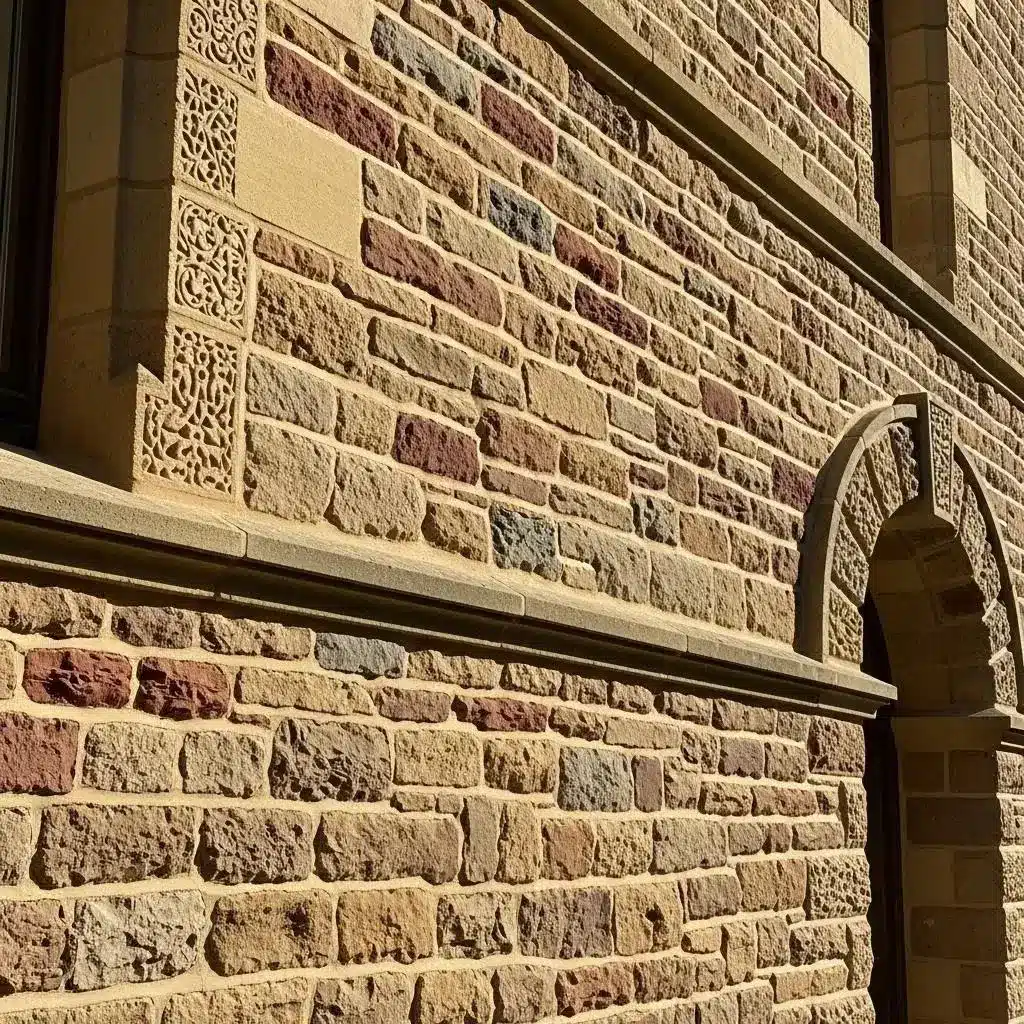
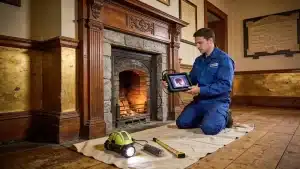
Effective cleaning preserves the fabric of historic properties while removing soiling. Methods such as DOFF, TORC and controlled steam cleaning are widely used because they minimise intervention and reduce risk to the substrate. For example, DOFF uses superheated water to lift dirt without abrasive action, making it suitable for delicate masonry. Understanding these options helps owners choose the safest method for their stone type.
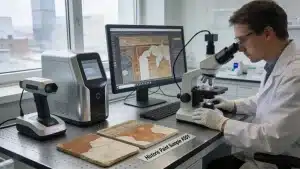
Environ Restoration Services specialises in stone restoration, using diagnostic surveys and tailored methods selected for the stone and condition.
Which Cleaning Methods Are Safe for Different Stone Types?
Cleaning must be matched to stone properties. Limestone and other carbonate stones are vulnerable to acids, while harder stones such as granite tolerate more robust approaches. Always trial a chosen method on a small, hidden area before full application to avoid damage.
Abrasive techniques can cause surface erosion and loss of detail. Use professionals who understand material behaviour and controls to reduce the risk of irreversible harm.
How Do Eco-Friendly Cleaning Agents Enhance Stone Preservation?
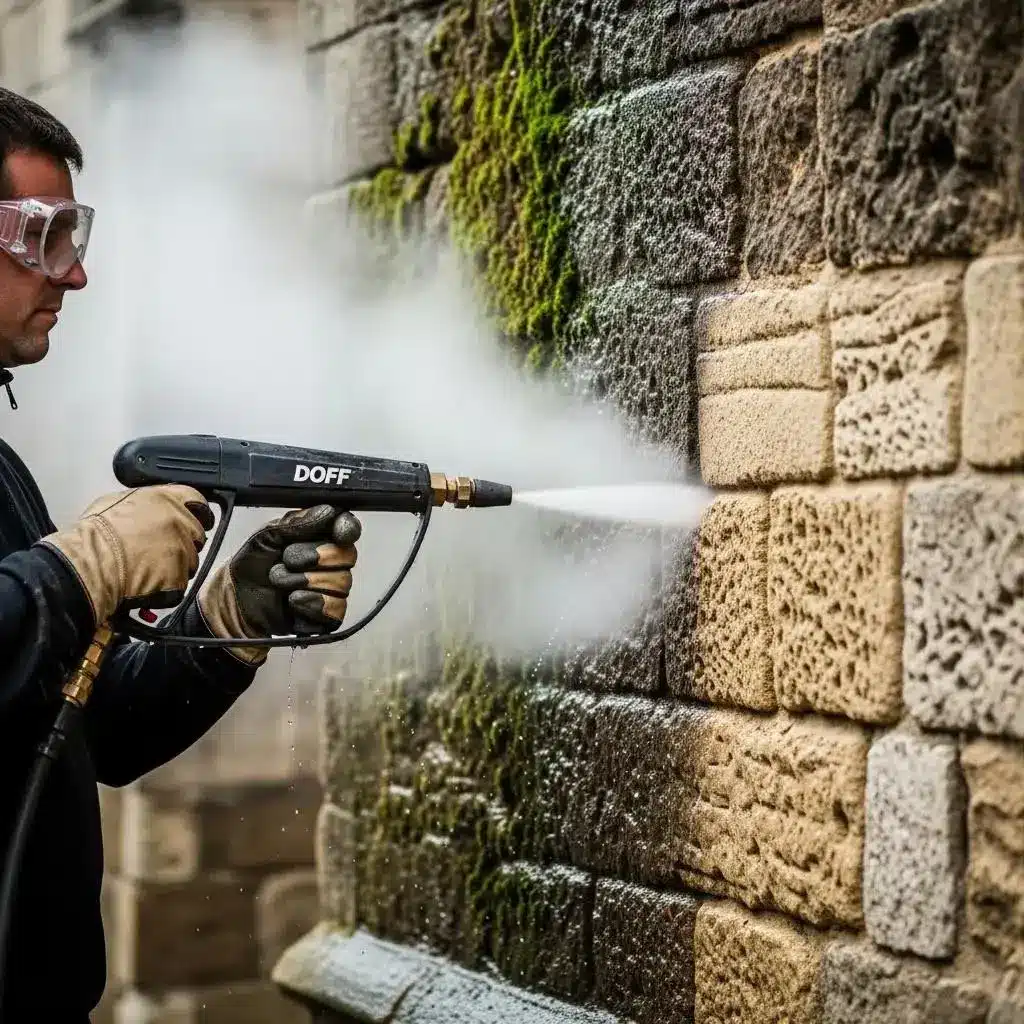
Eco‑friendly, biodegradable, and pH‑neutral cleaners remove soiling while minimising chemical impact on the stone and environment. They are formulated to clean effectively without altering surface chemistry, supporting long‑term durability and sustainability in restoration work.
Using such agents helps retain the stone’s natural characteristics and reduces the risk of accelerated degradation; they are often preferred for sensitive conservation tasks.
How Should Historic Stone Be Maintained to Ensure Longevity?
Longevity relies on routine monitoring and compatible interventions. Schedule inspections and use repair materials that match the original in porosity and strength to avoid damaging stress points. Conservative, reversible repairs help sustain the historic fabric.
Controlling moisture is essential: provide adequate drainage, repair defects that allow water ingress, and apply protective measures where needed to prevent the main drivers of stone deterioration.
What Are Best Practices for Regular Historic Stone Maintenance?
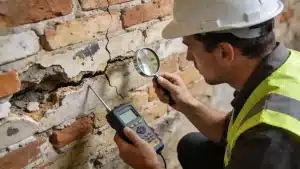
Best practice includes frequent visual checks for cracking, staining or biological growth and prompt attention to emerging issues. Use gentle cleaning to avoid surface loss and appoint specialists with conservation experience for repairs to ensure correct execution.
Implement a maintenance regime with scheduled inspections and cleaning to remain proactive; consistent care preserves appearance and protects historic value.
How Can Property Owners Prevent Stone Erosion and Damage?
Prevention requires a layered approach: routine inspections, minimally invasive cleaning and environmental management to reduce exposure to damaging conditions. Early detection allows limited interventions that prevent escalation.
Appropriate protective sealants can reduce water penetration and surface wear. Combine chemical protection with site adjustments—such as improved drainage—to maximise resilience.
What Are the Key Facade Stone Repair Methods and Materials?
Facade repair commonly includes cleaning to remove soiling, repointing to renew mortar joints, and sealing to limit moisture ingress. Each method addresses a specific deterioration mechanism and supports overall stability.
Select compatible materials so repairs integrate visually and perform structurally with the original fabric; project‑specific solutions give the best long‑term outcomes.
| Repair Method | Purpose | Recommended Material |
|---|---|---|
| Cleaning | Remove dirt and stains | Eco-friendly cleaning agents |
| Repointing | Renew mortar joints | Lime mortar |
| Sealing | Protect against moisture | Breathable sealants |
This table summarises common facade repair methods and the materials typically recommended to ensure compatibility and effective restoration.
How Is Facade Repair Tailored to Historic Stone Properties?
Repair of historic facades should respect original construction. Lime mortars are commonly used for repointing because they provide flexibility and breathability, helping the masonry perform as a system. Interventions follow minimal‑intervention principles to retain historic integrity.
Materials incompatible with the original can accelerate decay; restoration practitioners prioritise compatibility to preserve character and longevity.
What Materials and Techniques Ensure Durable Stone Restoration?
Durable stone restoration depends on materials and techniques that match the stone’s physical properties. Lime mortars and like‑for‑like repairs support movement and moisture transfer. Conservation‑led cleaning protects surface detail and patina.
Documenting the restoration provides a record for future maintenance and ensures continuity of care.
How Can Stone Surfaces Be Protected After Restoration?
After restoration, apply breathable sealants and appropriate protective coatings that limit water penetration while allowing vapor to escape. Maintain a regular inspection and maintenance programme to ensure these protections remain effective.
Adjust site conditions where possible—for example, improve landscaping and drainage—to reduce environmental stresses on the stone and support long‑term performance.
What Are the Benefits of Stone Sealing and Protective Coatings?
Sealing and protective coatings increase resistance to staining and environmental wear, reducing cleaning frequency and maintenance costs. They help create a more durable, manageable surface.
Proper protective treatments also help preserve structural integrity by limiting moisture entry that can lead to decay. Investing in appropriate sealing protects the asset.
Which Advanced Protective Technologies Are Recommended for Stone Facades?
Advanced solutions such as breathable membranes and hydrophobic treatments improve moisture management while permitting vapor transmission. Sustainable, eco‑friendly treatments are becoming standard in conservation projects.
Effective moisture management remains central to long‑term facade preservation. Adopting appropriate advanced technologies can materially enhance a stone structure’s resilience to environmental stressors.
Environ Restoration Services: Historic Building Restoration and Conservation Support
Environ Restoration Services is dedicated to preserving and restoring traditional, heritage, and high-end properties across London with tailored restoration methods. Our team combines practical restoration experience with a project-specific approach to deliver tailored solutions that respect the unique characteristics of each building.
We provide comprehensive services, including surveys, cleaning, repair, and related restoration work. By prioritising minimal intervention and using compatible materials, we help extend the life and beauty of historic stonework while safeguarding its heritage value.
Committed to sustainable practices and a mix of modern and traditional methods, Environ Restoration Services supports responsible restoration work. Whether you need advice on cleaning methods or full restoration support, our specialists are here to guide you through every step.
Contact us to learn more about how we can assist with your historic stone restoration projects and maintenance needs.
Frequently Asked Questions
What are the signs that my stone structure needs restoration?
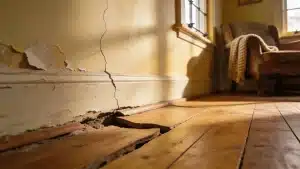
Visible cracks, flaking, crumbling, or pronounced discoloration indicate restoration may be required. Water stains or efflorescence (white powdery deposits) show moisture ingress and can precede further decay. Carry out regular inspections and, if you spot these signs, arrange a professional assessment to identify suitable restoration methods.
How often should I perform maintenance on my stone surfaces?
Frequency depends on stone type and site conditions. Inspect at least twice a year (more in exposed or high‑use areas) and clean as needed, typically every few months, to prevent dirt and staining. Keep a documented maintenance schedule to protect and extend service life.
Can I use regular household cleaners on my stone surfaces?
Avoid household cleaners with acids or harsh chemicals; they can etch or discolour stone. Use pH‑neutral, eco‑friendly products formulated for stone and trial any cleaner on an inconspicuous area first to confirm compatibility.
What should I do if my stone surface has already been damaged?
Start with a careful assessment. Minor problems such as surface stains or hairline cracks may respond to gentle cleaning and sealing. For deep cracks, structural concerns or extensive loss, engage a stone restoration professional to recommend durable, sympathetic repairs using matching materials.