Historic stone structures need planned, specialist care to limit decay. Effective protection starts with understanding key deterioration drivers, environmental exposure, moisture ingress, and material degradation- and follows with targeted, compatible interventions.
In this article, we summarise professional conservation strategies: techniques, material choices, and best-practice maintenance to help owners preserve structural integrity and extend service life.
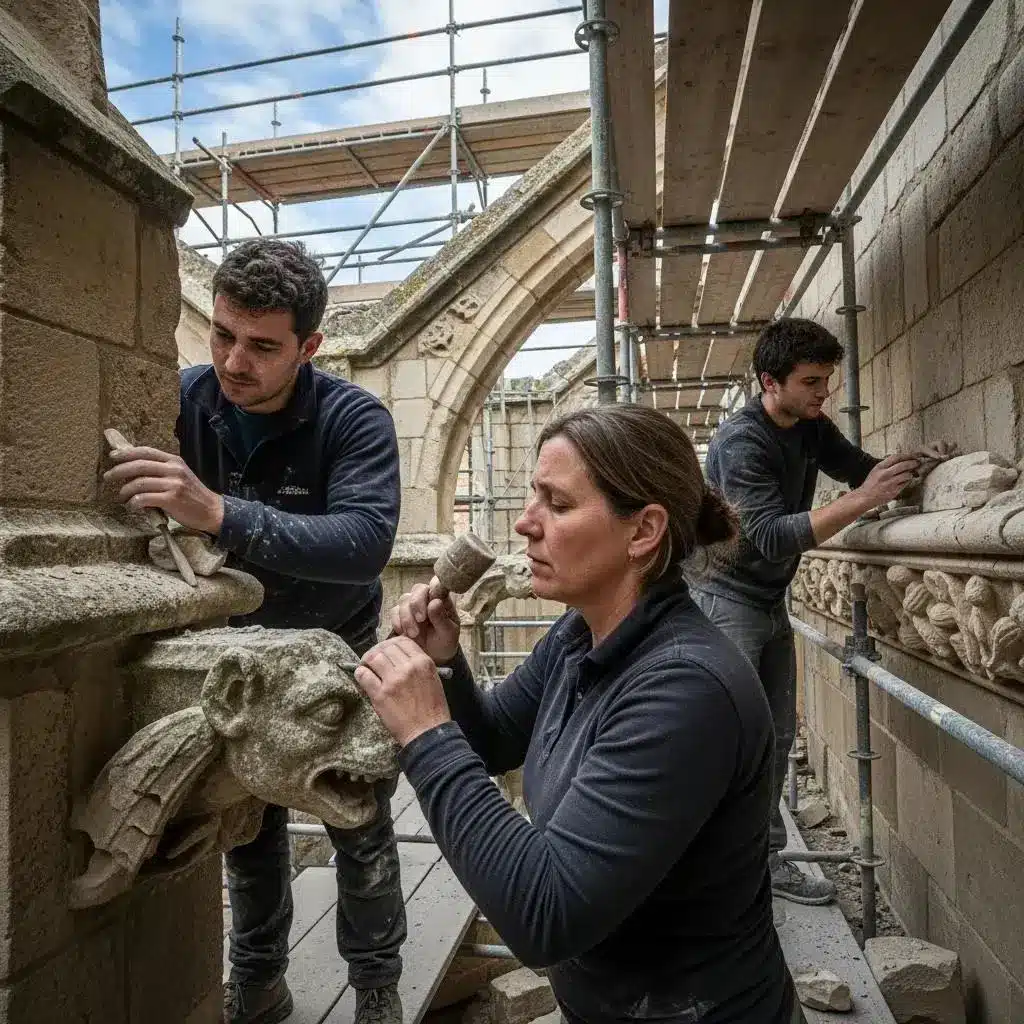
What Are the Common Causes and Signs of Stone Decay in Historic Buildings?
Recognising causes allows targeted, timely responses. Typical drivers include weathering, biological colonisation, and moisture ingress.
- Weathering: Rain, wind, and temperature cycles gradually erode stone surfaces.
- Biological Growth: Moss, algae, and lichen trap moisture and can accelerate decay.
- Moisture Damage: Infiltration weakens stone and mortar and can cause internal deterioration.
Visible signs should prompt inspection and intervention.
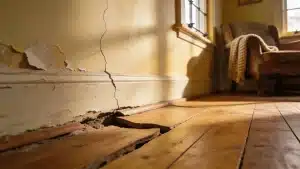
- Cracks: Fissures can indicate structural stress.
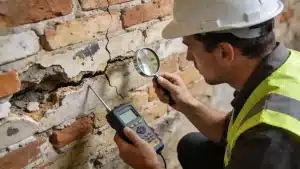
- Crumbling Mortar: Failing joints compromise stability.
- Spalling: Flaking or chipping shows surface breakdown.
- Efflorescence: Salt deposits indicate moisture movement.
- Damp Stains: Discolouration often signals water ingress.
Early detection enables less invasive, lower-cost repairs.
Weathering and Biological Growth Affect Historic Stone
Chemical (acidic precipitation) and physical (freeze–thaw) processes alter mineral structures and create stresses. Biological organisms retain moisture against surfaces, promoting further decay. Regular monitoring and timely mitigation reduce progressive damage.
Visual and Structural Symptoms Indicate Stone Decay
Inspectors assess physical and biological indicators to prioritise interventions.
- Visible Cracks: May indicate internal stress or movement.
- Crumbling Mortar: Leads to loose or unstable masonry.
- Biological Growth: Signals moisture retention and potential surface damage.
Prompt identification supports targeted conservation and avoids emergency repairs.
Which Stone Decay Prevention Methods Are Most Effective for Heritage Masonry?
Prevention relies on inspection, careful cleaning, and expert appraisal to retain originality and reduce risk.
- Regular Inspections: Routine surveys identify early decay and inform maintenance.
- Gentle Cleaning Techniques: Low-pressure water and eco-friendly products clear harmful deposits while respecting the stone.
- Professional Assessment: Conservators recommend appropriate methods for each stone type.
Combined, these measures form a sustainable maintenance programme for heritage masonry.
Regular Maintenance and Cleaning Protect Historic Stone
Consistent maintenance prevents small defects from escalating. Routine checks detect cracks, biological growth, and moisture ingress early.
Gentle cleaning (soft brushes, low-pressure water) removes damaging deposits without abrading surfaces. Scheduled maintenance reduces repair frequency and helps preserve the original fabric.
Role of Sustainable Materials in Stone Decay Prevention
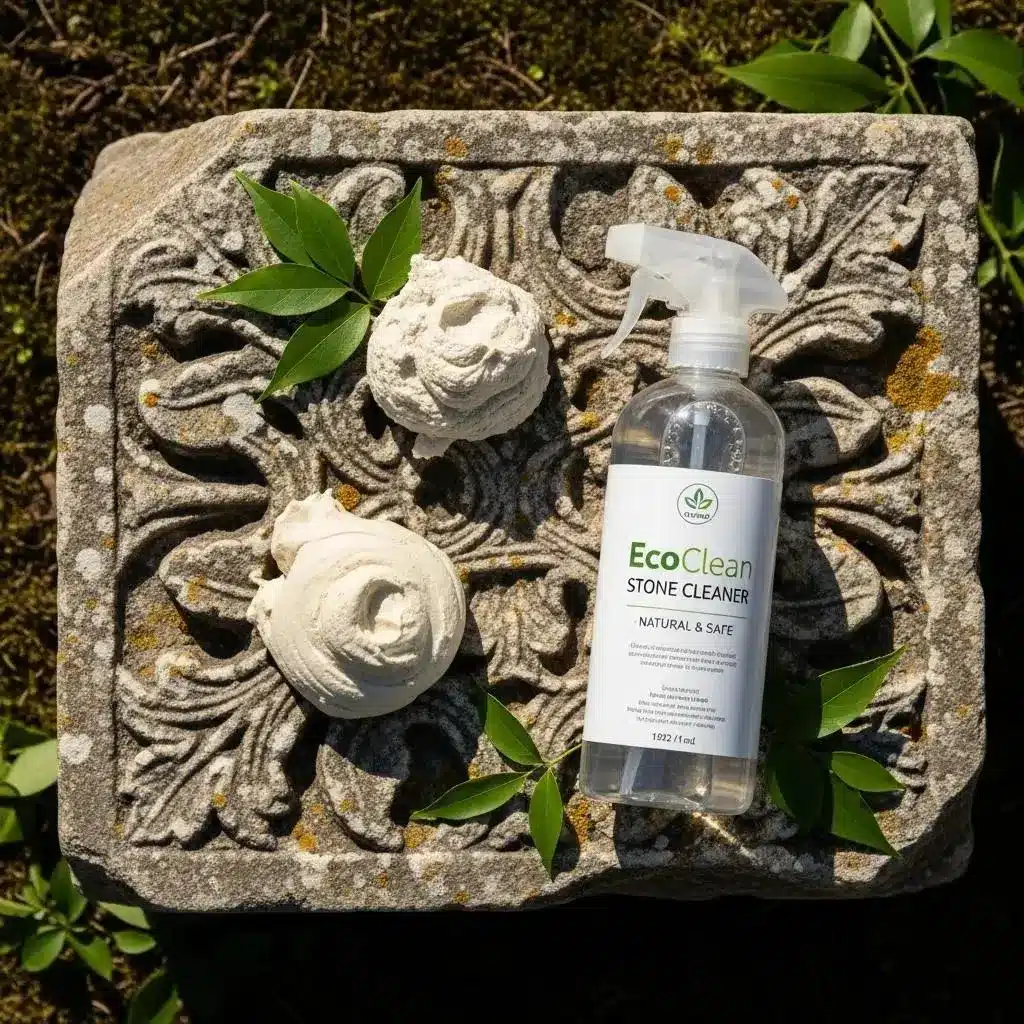
Sustainable materials lower environmental impact and improve compatibility with the original fabric. Lime mortar permits moisture movement and accommodates thermal shifts; biodegradable cleaners remove contaminants without introducing persistent chemicals. Using tested sustainable materials supports conservation aims and extends service life.
How Are Lime Mortar and Traditional Materials Used in Stone Restoration Techniques?
Lime mortar and traditional materials are selected for physical compatibility and historic authenticity. Lime allows controlled moisture transfer and slight movement, reducing damage risk. Correct application preserves character and delivers durable repairs.
The Lime Mortar Preferred for Repairing Historic Stone
Lime mortar breathes and flexes, allowing trapped moisture to evaporate and reducing cracking. Its properties help repairs remain sympathetic to original construction, protecting structural and historical integrity.
Best Practices for Applying Stone Consolidation Methods
Consolidation must be case-specific, balancing scientific assessment and practical judgement to avoid over- or under-treatment.
- Initial Assessment: Evaluate the condition thoroughly to choose a suitable consolidation.
- Material Selection: Select a consolidant matched to the stone type and condition.
- Surface Preparation: Prepare surfaces to ensure adhesion and effectiveness.
Following these steps improves durability and reduces unintended outcomes.
Environ Stone Conservation Services: Preserving Heritage with Expertise and Care
Environ Restoration Services specialises in expert restoration of historic and high end properties. With a commitment to preserving cultural heritage, our team combines traditional craftsmanship with innovative techniques to protect and restore masonry with utmost care and precision.
Our services include detailed condition assessments, tailored maintenance programmes, and the use of sustainable materials such as lime mortar and biodegradable cleaning agents. We prioritise compatibility with original materials to ensure long-lasting results that respect the historic fabric.
At Environ Restoration Services, we understand the unique challenges of stone decay and offer customised solutions that balance scientific research with practical experience. Our goal is to extend the life of heritage assets while maintaining their aesthetic and structural integrity.
Frequently Asked Questions
What are the long-term benefits of regular maintenance for historic stone structures?
Regular maintenance of historic stone structures significantly extends their lifespan and preserves their aesthetic and historical value. By conducting routine inspections, property owners can identify early signs of decay, such as cracks or moisture ingress, allowing for timely interventions. This proactive approach not only minimizes repair costs but also maintains the structural integrity of the building. Additionally, consistent maintenance helps to retain the original character and craftsmanship of the stone, ensuring that future generations can appreciate the cultural heritage embodied in these structures.
How can property owners choose the right conservation professionals for their historic stone?
Choosing the right conservation professionals involves assessing their qualifications, experience, and understanding of historic preservation principles. Property owners should look for specialists with a proven track record in stone conservation, ideally with certifications from recognized heritage organizations. It’s beneficial to review case studies or testimonials from previous clients to gauge their expertise. Additionally, engaging in initial consultations can help determine if the conservators’ approach aligns with the specific needs of the historic structure, ensuring a tailored conservation strategy that respects its unique characteristics.
What role does environmental monitoring play in stone conservation?
Environmental monitoring is crucial in stone conservation as it helps identify and mitigate factors contributing to decay. By tracking variables such as humidity, temperature, and pollution levels, conservators can assess the conditions affecting the stone’s integrity. This data informs maintenance schedules and conservation strategies, allowing for timely interventions before significant damage occurs. Implementing monitoring systems can also enhance the effectiveness of conservation treatments by providing insights into how environmental changes impact the stone over time, ultimately leading to more sustainable preservation practices.
Are there specific cleaning methods recommended for different types of stone?
Yes, different types of stone require specific cleaning methods to avoid damage. For instance, softer stones like limestone may benefit from gentle cleaning techniques using low-pressure water and soft brushes, while harder stones like granite can withstand more robust cleaning methods. It’s essential to use eco-friendly, biodegradable cleaning agents that do not introduce harmful chemicals. Consulting with conservation professionals can help determine the most appropriate cleaning method for each stone type, ensuring that the cleaning process preserves the stone’s integrity and historical significance.