Restoring a listed building protects its architectural character, historical importance and original construction materials. These properties often contain period features that cannot be replaced without losing part of the building’s identity.
A professional restoration project repairs damage while retaining as much original fabric as possible. It may involve treating damp, repairing brickwork, restoring windows, replacing damaged roof materials and correcting unsuitable previous work.
Careful restoration also helps an older building remain safe and practical for modern use. When repairs are planned correctly, owners can improve comfort and functionality without removing the features that make the property historically significant.
Understanding Why Listed Building Restoration Really Matters
Listed buildings provide a physical connection to the past. Their layouts, materials, decorative features and construction techniques can reveal how people lived, worked and built during earlier periods.
A property may be listed because of its age, architectural design, historical associations or importance within the surrounding area. Listing does not mean that no work can be completed, but significant alterations may require listed building consent.
Regular maintenance is especially important because historic materials can deteriorate when exposed to moisture, movement or unsuitable repairs. Minor problems should be addressed before they spread into other parts of the property.
Protecting Original Architecture and Historic Building Features
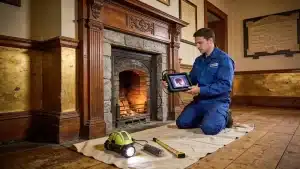
Original sash windows, fireplaces, timber beams, stonework, brickwork and plaster details may contribute directly to a listed building’s importance. Removing these elements unnecessarily can reduce its historical and visual value.
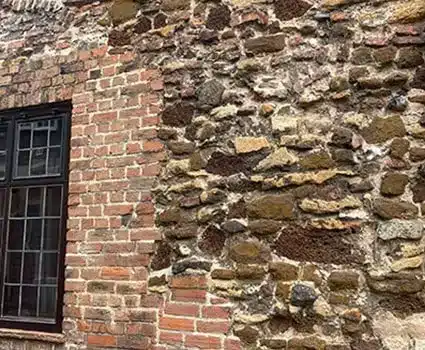
Professional restoration focuses on repair rather than automatic replacement. Damaged timber may be repaired in sections, loose mortar may be replaced with a compatible mix and historic masonry may be cleaned using gentle methods.
Signs of age do not always need to be removed. Natural wear, slight irregularities and traditional tool marks may form part of the building’s authentic character and should be preserved when they do not create a safety concern.
Preventing Further Damage Through Early Restoration Work
Small defects can develop into major problems when they are ignored. A leaking gutter, loose roof tile or cracked mortar joint may allow water to enter walls, ceilings and structural timber.
Moisture can cause timber decay, damaged plaster, mould growth and weakened masonry. Treating the source of water penetration early is usually less disruptive and less expensive than repairing widespread damage later.
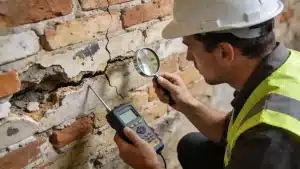
A detailed inspection helps identify the cause of deterioration before work begins. This allows contractors to complete targeted repairs instead of treating only the visible symptoms.
Improving Building Condition, Safety and Property Value
A carefully restored listed building may become more attractive to buyers, tenants and investors. Original architecture combined with good maintenance can make a property stand out from modern alternatives.
Professional repairs may also give buyers greater confidence in the condition of the building. Visible damp, damaged roofs and poorly completed alterations can create concerns about future costs and maintenance requirements.
Restoration does not guarantee a specific increase in property value. However, preserving important features and preventing further deterioration can help protect the owner’s existing investment.
Improving Structural Safety and Everyday Building Performance
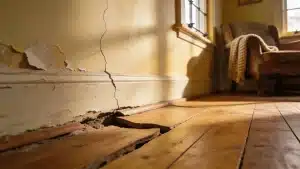
Older properties may experience roof damage, structural movement, decaying timber, failed pointing or unstable masonry. A professional survey can identify which defects require urgent attention.
Restoration work may include strengthening damaged areas, repairing roof coverings, replacing failed sections of timber and improving rainwater drainage. These repairs help make the property safer for occupants.
The work can also improve daily comfort. Reducing uncontrolled draughts, repairing windows and resolving damp problems may create a warmer and healthier internal environment.
Supporting Modern Use Without Losing Historic Character
Listed buildings can often be adapted for modern living when changes are designed carefully. Heating systems, electrical wiring, lighting, kitchens and bathrooms may be upgraded without overwhelming original features.
Modern services should usually be installed in locations that minimise damage to significant materials. Existing routes, concealed spaces and reversible solutions may be used where appropriate.
The aim is to improve functionality while respecting the building’s history. Good restoration allows the property to remain useful without making it look or feel like a completely modern structure.
Following the Correct Listed Building Restoration Process
A successful restoration project should begin with a thorough building survey. The inspection may identify damp, roof defects, damaged masonry, structural movement and inappropriate previous repairs.
The findings can then be used to create a clear schedule of work. Urgent issues, such as active water penetration or unsafe structural elements, should normally be treated before decorative improvements.
Specialist professionals may be required depending on the project. This could include a conservation architect, building surveyor, structural engineer, planning consultant and experienced heritage contractors.
Securing Consent Before Starting Major Restoration Work
Listed building consent may be required when proposed work affects the special architectural or historical character of the property. This can apply to internal and external changes.
Owners should contact the local planning authority before starting significant work. Planning permission and listed building consent are separate approvals, and some projects may require both.
Applications may include drawings, photographs, material specifications and a heritage statement. Early discussions with a conservation officer can help identify potential issues before the plans are formally submitted.
Selecting Compatible Materials and Traditional Repair Methods
Historic buildings were often constructed using breathable materials such as lime mortar, soft brick, natural stone and timber. These materials allow moisture to move through the structure naturally.
Modern cement, waterproof coatings and strong chemical treatments may trap moisture or damage softer historic materials. Products should therefore be chosen according to the building’s age and original construction.
Experienced contractors understand how traditional materials behave. They can select repair methods that work with the existing structure instead of creating new problems.
Choosing Environ Restoration Services for Heritage Projects
Environ Restoration Services carries out specialist restoration and refurbishment work for listed, heritage and high-end properties across London. We understand that older buildings require careful assessment and suitable repair methods.
Our team investigates the cause of damage before recommending work. This helps us treat underlying problems rather than completing temporary surface repairs that may fail again.
We aim to retain sound original materials wherever practical. Every project is approached with respect for the building’s history, condition and future use.
Specialist Services for Listed and Historic Properties
Our services include brickwork repair, repointing, stone restoration, period roof repairs, sash window work, damp treatment and complete heritage property refurbishment.
We use suitable materials and methods for each building. The exact approach depends on the property’s age, construction, listing status and existing condition.
Our specialists can assist with both targeted repairs and larger restoration projects. We focus on workmanship that protects the building while improving its safety and appearance.
Professional Support From Inspection Through Project Completion
We work with homeowners, architects, managing agents, consultants, contractors and public organisations. Clear communication is maintained throughout every stage of the project.
The process may begin with an inspection and detailed assessment. We can then help develop an appropriate repair plan based on the defects, materials and historical importance of the property.
Our goal is to protect listed buildings for future generations while helping owners keep them safe, practical and visually impressive. With professional care, historic properties can continue serving modern needs without losing their unique identity.
Frequently Asked Questions
Do Listed Buildings Always Require Special Restoration Consent
Not every maintenance task requires listed building consent. Minor repairs using matching materials may sometimes proceed without formal approval. Consent is usually required when work could affect the building’s special architectural or historic character. This may include changing windows, removing internal features or altering historic masonry. Owners should contact their local planning authority before starting work. Completing unauthorised alterations to a listed building can lead to legal and financial consequences.
How Long Does Listed Building Restoration Usually Take
The timescale depends on the property’s condition, size and restoration requirements. Small repairs may take several weeks, while full refurbishment projects can last many months. Planning applications and listed building consent may extend the schedule. Specialist materials and experienced heritage contractors may also require additional preparation time. A detailed survey and clear work schedule can reduce avoidable delays. However, older buildings may reveal hidden problems once damaged finishes or previous repairs are removed.
Can Modern Materials Damage Historic Listed Properties
Some modern materials can cause damage when used on traditional buildings. Hard cement mortar and waterproof coatings may prevent historic walls from releasing moisture naturally. Trapped moisture can lead to damaged bricks, crumbling stone, timber decay and internal damp. Repairs should therefore use materials that are compatible with the original structure. A heritage specialist can assess how the building was constructed and recommend suitable products. The correct method should protect both the repaired area and the surrounding historic fabric.
Is Listed Building Restoration More Expensive Overall
Listed building restoration can cost more than standard renovation because it often requires specialist skills, traditional materials and careful planning. Consent applications may also add professional fees. However, unsuitable or delayed repairs can create much greater costs. Ignoring roof leaks, failed pointing or damp may allow damage to spread into timber, plaster and structural masonry. Professional restoration protects the property’s condition and historic value. A detailed survey and realistic contingency budget can help owners control expenses throughout the project.