Expert cleaning and restoration can refresh tired brickwork and protect it for the long term. Grime, organic growth, and salts are common culprits; professional brightening removes them to restore original character and safeguard historic materials.
This guide covers causes, proven cleaning methods, restoration and repointing, benefits of London specialists, costs, and when to request a site survey or quote.
Why Do Brick Walls Lose Their Original Vibrancy?
Brick façades fade as contaminants and weathering build up. Identifying the cause is the first step to restoring appearance and protecting the masonry.
Common Factors That Make Brick Walls Look Dull or Soiled
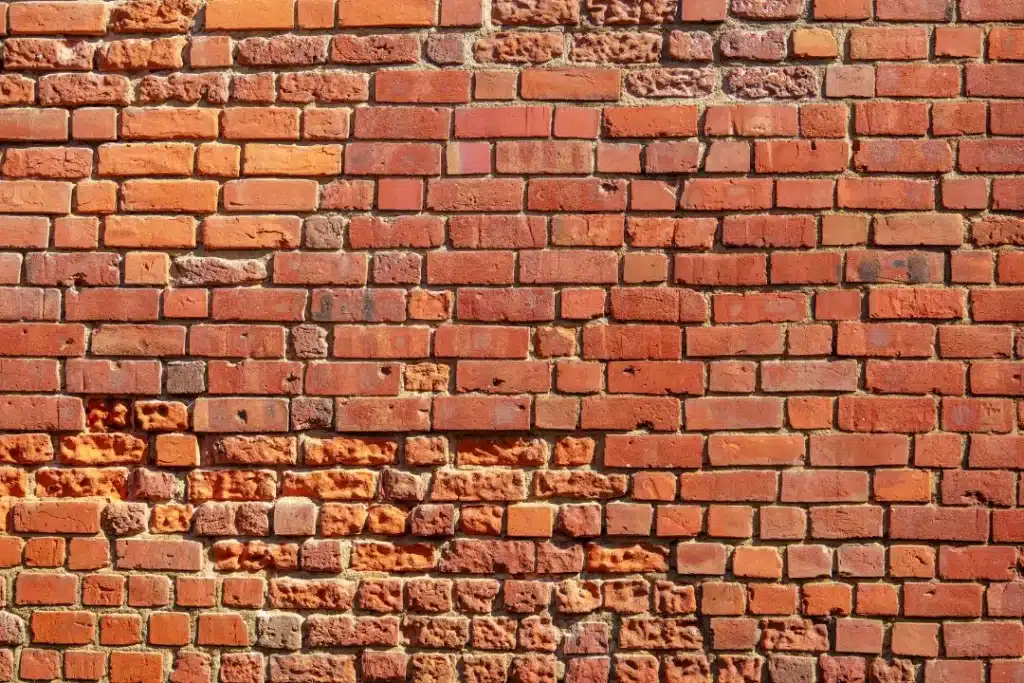
Build-up of dirt and atmospheric pollution layers grime on the brick, masking the natural colour. Fine particles from traffic and construction settle in joints, causing irregular staining. This residue traps moisture, encouraging organic growth and efflorescence.
How Moss, Algae, and Lichen Affect Brick Brightness
Moss, algae, and lichen thrive on damp, shaded brick, cling to texture, and hold moisture against the masonry. They produce pigments and biofilms that darken bricks, and root-like structures weaken mortar. Persistent green/black staining ages façades and blots the finish.
Efflorescence and How It Dims Brick Walls
Efflorescence is a white, powdery salt that appears as moisture evaporates from the masonry. The crystals speckle and streak, obscuring true colour. Repeated wetting and drying intensify build-up, dulling the entire façade.
How Old Paint or Stain Reduces Brick Vibrancy
Painted or stained bricks hide the original texture and colour. As coatings degrade, they flake and discolour, creating patchiness. Soot and biological stains cling more to paint than bare clay, worsening dullness. Removing old coatings reveals the brick’s warmth and maintains breathability.
What Are the Proven Professional Methods to Brighten a Brick Wall?
Specialists select methods based on brick type, contamination, and heritage requirements. The right approach prevents damage and restores the original colour.
DOFF Steam Cleaning Restores Brick Colour
DOFF uses low-pressure, superheated vapour to lift dirt, growth, and soot without abrasives. High heat dissolves contaminants while gentle delivery protects joints and delicate surfaces. It deepens colour by removing ingrained deposits, improves breathability, and reduces future staining.
When Chemical Cleaning Is Appropriate for Brick Brightening
Chemical cleaning involves the application of specialised acidic solutions and biocides to dissolve salts, organic films, and paint residues. Diluted acids break down efflorescence; eco-friendly biocides target spores. Targeted application limits water use and controls pH to protect the brickwork.
Advantages of Abrasive Methods Like TORC and IBIX
TORC and IBIX use fine media in water to gently abrade deep grime, paint, and graffiti. Wet abrasion pairs mechanical action with rinsing to cut through stubborn staining without high pressure. Controlled media flow and adjustable nozzles let technicians tune intensity for thorough cleaning while protecting the surface.
Paint Removal Improves Brick Appearance
Specialist paint stripping uses gels and poultices that grip coatings, lifting layers without saturating the masonry. After the dwell time breaks bonds, technicians remove residues and rinse, revealing natural texture and colour. This restores breathability, reduces moisture retention, and reinstates original tones.
Professional Efflorescence Removal
Efflorescence removal starts with pre-wetting to limit airborne dust, followed by buffered acid cleaners that convert crystals to soluble compounds. Rinse thoroughly to flush salts, then, once dry, apply a breathable water-repellent sealer to help prevent recurrence. This restores consistent colour and supports long-term performance.
How Can Brick Restoration and Repointing Enhance Wall Brightness?
Restoration goes beyond cleaning to repair joints and address defects, improving uniform colour and integrity. Repointing and heritage techniques complement brightening for long-term vibrancy. the repointing project duration overview is crucial for planning and execution, ensuring that all phases are completed efficiently. Understanding the timeline helps in coordinating the various aspects of restoration work while minimizing disruption to the surrounding environment. This approach not only enhances the aesthetic appeal but also protects the structural integrity for years to come.
Brick Repointing and Why It Matters After Cleaning
Brick Repointing replaces degraded mortar, fills gaps, and prevents moisture ingress that drives staining and salts. A matching blend improves visual coherence so joints look crisp and consistent. This strengthens the substrate and frames each brick with neat, bright lines.
How Heritage Brick Restoration Protects Period Properties
Heritage restoration uses traditional materials (such as lime mortar) and gentle finishes to match Georgian, Victorian, or Edwardian construction. Experienced craftspeople assess texture and colour, selecting compatible mortars that allow movement and breathability. This preserves authenticity, protects historic value, and enhances visual harmony.
When to Consider Specialist Lime Mortar Repointing
Specialist lime mortar repointing is well-suited to antique and listed buildings where cement-based mortars may damage soft clay bricks. Lime mortars flex, allow evaporation, and reduce thermal stress, helping prevent spalling and salt entrapment. For older properties, choose lime pointing to ensure compatibility, durability, and lasting brightness.
Restoration and repointing reinforce cleaned façades and support the long-term performance of vibrant masonry.
What Are the Advantages of Professional Brick Brightening Services in London?
Investing in expert brick brightening improves aesthetics and durability for London properties, from contemporary townhouses to grand heritage buildings, and can support perceived value.
How Brightening Improves Aesthetics and Kerb Appeal
Brightening removes grime, growth, and salts, restoring uniform colour and sharpening architectural detail. A clean façade signals care and enhances street presence, making entrances more inviting and showcasing craftsmanship. Improved kerb appeal helps your property stand out in London’s market.
Professional Cleaning Can Support Perceived Property Value
Professional cleaning and restoration help protect the building envelope against moisture and decay, improving kerb appeal and potentially influencing perceived value. Prospective buyers often associate bright, intact brickwork with sound construction and lower future maintenance. For many owners, expert brightening is a practical improvement for marketability.
Regular maintenance supports the long-term protection of your asset.
How Proper Maintenance Extends Brickwork Longevity
Periodic cleaning, repointing, and sealing interrupt moisture ingress, organic growth, and salt crystallisation. Scheduled inspections catch efflorescence or joint erosion early, enabling timely repairs that preserve integrity. Proactive care improves weather resistance, avoids costly fixes, and maintains vibrancy.
Ongoing care reinforces initial restoration and helps maintain lasting brightness.
How Much Does Professional Brick Cleaning Cost in London?
Pricing depends on several factors; a tailored quote ensures you pay only for the work needed to achieve the result you want.
Factors That Influence Brick Cleaning and Restoration Costs
Project size, method complexity, and current condition drive cost. Larger façades need more labour, materials, and equipment; heritage protocols and safe access add specialist charges. Technique choice (steam, chemical, wet abrasive), plus repointing, paint removal, or sealers, also affects pricing. Access, scaffolding, and environmental compliance further shape estimates.
Residential vs. Commercial Cleaning Costs
Residential projects often cover smaller elevations with fewer access challenges, leading to lower minimums and shorter timelines. Commercial sites may involve multi-storey façades, stricter safety protocols, and heavier urban grime, requiring advanced equipment and longer schedules. Many contractors offer tiered packages for clear, scalable pricing.
Free Surveys and Quotes for Brick Brightening
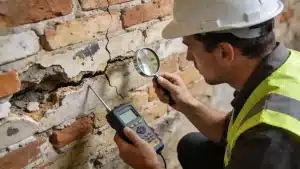
Many specialists offer complimentary on-site surveys to assess conditions, select methods, and provide a no-obligation quote. A detailed report outlines treatments, timelines, and a clear cost breakdown so you can decide with confidence. A free assessment aligns brightening strategies with your restoration goals and budget.
Why Choose Professional Brick Brightening Services in London?
Choosing a reputable brick cleaning specialist ensures safe, effective work that respects your property’s character. A rigorous evaluation of providers leads to confident decisions.
Questions to Ask Before Hiring a Brick Cleaning Company
Ask about experience with similar properties, methods used, and heritage certifications. Confirm surface protection, wastewater management, and mortar safety. Clarify insurance, any guarantees on brightness, and client references. Thorough questions reveal competence, reliability, and fit for your project.
Why Local Expertise Matters for London Properties
Local specialists understand pollution patterns, weather, and borough conservation rules relevant to historic areas. Familiarity with Georgian, Victorian, and Edwardian brick types guides material and method selection to prevent damage. London-specific knowledge helps preserve authenticity and avoid issues from generic techniques.
How Case Studies and Testimonials Demonstrate Service Quality
Case studies with before-and-after imagery show results on comparable properties and demonstrate method effectiveness and attention to detail. Client testimonials highlight punctuality, professionalism, and long-term satisfaction. Reviewing success stories helps set realistic expectations and confirm capability.
What Are Common Questions About Brightening Brick Walls?
Clear answers help owners prepare for brightening and set realistic expectations for safety and outcomes.
How Do You Remove White Powder (Efflorescence) from Brick Walls?
Efflorescence removal starts with pre-wetting to minimise airborne dust, followed by buffered acid cleaners that convert crystals to soluble compounds. After gentle agitation and rinsing, apply a breathable sealant to help prevent recurrence and stabilise colour.
Is It Safe to Use Acid Wash on Old Brickwork?
Acid washing is safe when performed by trained professionals using correct dilutions and controlled dwell times. This helps avoid etching or mortar weakening while breaking down salts, preserving strength and appearance.
Can You Pressure Wash Brick Without Causing Damage?
High-pressure washing can damage soft bricks and erode mortar. Low-pressure washing, combined with specialist agents, can safely remove grime. Professionals calibrate pressure and nozzles to protect texture while achieving a thorough clean.
How Do You Remove Moss and Algae from Brick Surfaces?
Removal typically uses an eco-friendly biocide to eradicate spores at source, followed by gentle brushing or low-pressure rinsing. The treatment clears stains, inhibits regrowth, and restores brightness without abrasive methods.
What Is the Best Way to Brighten Red Brick?
The most effective approach combines DOFF steam cleaning for surface grime, targeted chemicals for efflorescence, and gentle abrasive techniques for stubborn stains. This multi-stage process reveals the brick’s natural red hue, enhances texture, and restores uniform colour.
Reviving a brick wall’s vibrancy enhances its charm and supports durability. By combining specialist cleaning, restoration, and repointing, Environ Restoration is the top-rated brick cleaning specialist in London. We help London owners protect historic fabric and enhance kerb appeal. Contact our team to arrange a complimentary survey and receive a personalised quote.