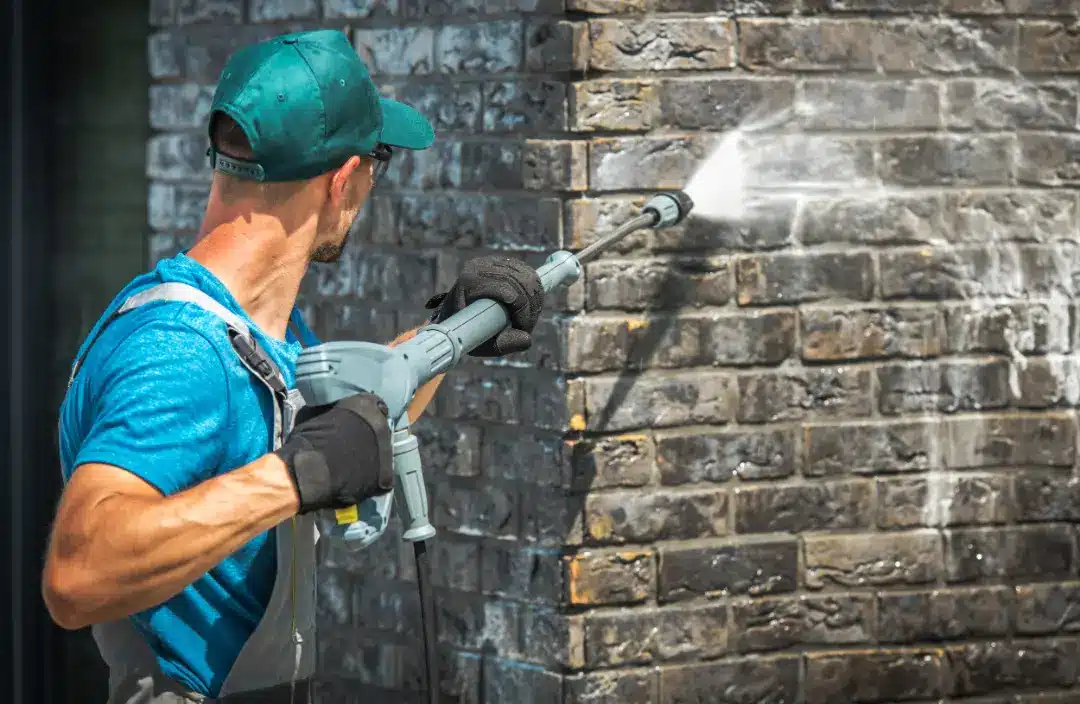
Green algae, moss, lichen, and mould can spoil the appearance of exterior brickwork. These deposits develop on damp, shaded walls. Although the staining may begin as a cosmetic concern, organic growth can retain moisture and make existing defects in bricks or mortar worse.
Safe removal requires a method suited to the wall’s age and condition. Aggressive pressure washing may give a quick result but can erode brick faces and mortar joints.
Why Does Green Growth Develop on Brickwork?
Green growth forms when airborne spores settle on damp masonry. Rainfall, leaking gutters, defective downpipes, nearby plants, poor drainage, and limited sunlight can keep brickwork wet for extended periods. North-facing or heavily shaded walls dry slowly, creating ideal conditions for biological growth.
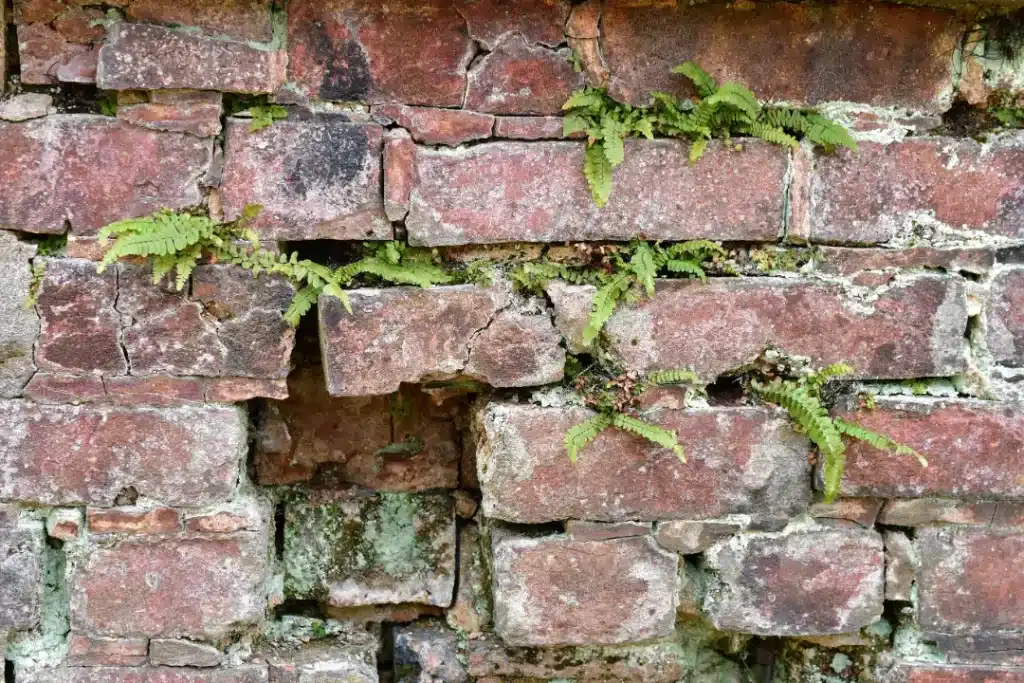
Common Types of Organic Growth on Bricks
Algae usually appears as a thin green coating. Moss forms thicker, softer patches and often grows in mortar joints or ledges. Lichen creates crusty spots that may be green, grey, white, or yellow, while mould commonly produces darker staining.
Each growth behaves differently. Correct identification helps determine whether brushing, steam cleaning, soft washing, or a specialist treatment is most appropriate.
Conditions That Encourage Green Staining
Porous and weathered bricks absorb more water than dense masonry. Open joints, cracked bricks, leaking pipes, and raised ground levels can increase moisture penetration.
Shade slows evaporation, so the wall remains damp after rainfall. Cleaning may remove visible staining, but the problem is likely to return unless the moisture source and poor drying conditions are also addressed.
Problems Caused by Untreated Moss and Algae
Moss and algae hold water against masonry. In cold weather, absorbed moisture can freeze and expand, increasing the risk of surface flaking, cracking, or spalling. Growth can weaken damaged mortar, make paths slippery, and conceal cracks or open joints.
Safe Ways to Clean Algae and Moss from Bricks
The safest approach is to use the least aggressive method capable of removing the deposit. The correct treatment depends on the brick type, mortar condition, building age, and extent of growth.
Light staining may respond to gentle brushing and a masonry-safe cleaner. Heavier deposits may require manual removal, soft washing, controlled steam cleaning, or a suitable biocide. Always test a small, discreet area first.
Why DIY Brick Cleaning Can Be Risky
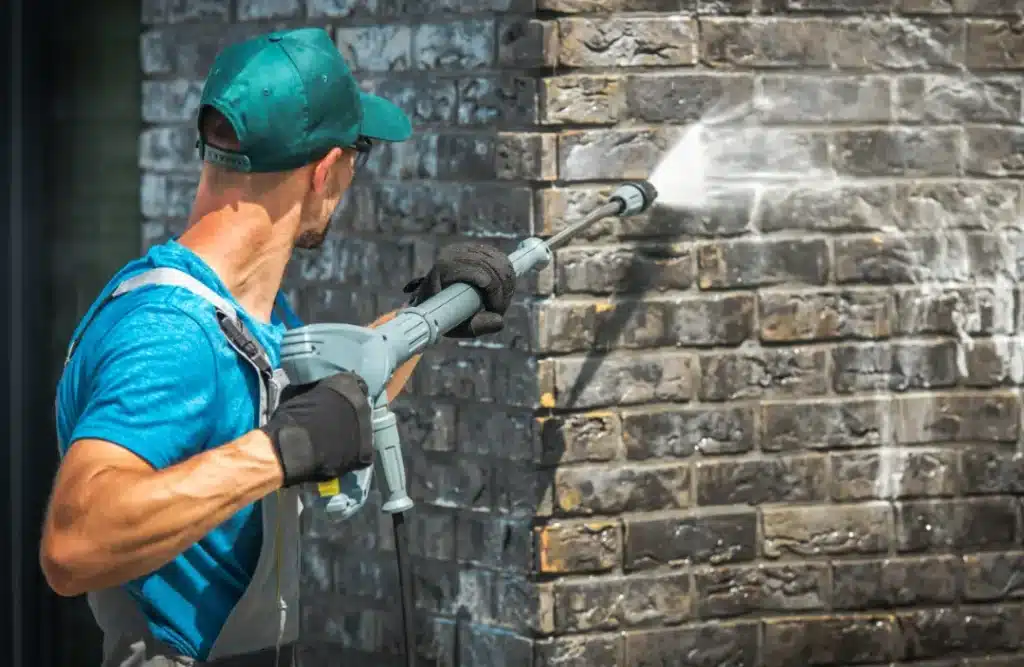
High-pressure washing can strip the protective face from soft bricks, dislodge mortar, and force water deeper into the wall. Wire brushes may scratch masonry, while acidic cleaners or household bleach can cause discolouration and damage nearby plants.
DIY washing may remove only the visible layer while spores remain inside pores and joints. Older or delicate brickwork should be assessed professionally.
Professional Methods for Cleaning Green Brickwork
DOFF steam cleaning uses very hot water at controlled low pressure to loosen biological deposits. Soft washing applies an appropriate cleaning solution without using damaging force.
Biocide treatments control growth and remaining spores. Thick deposits may first be removed manually. TORC cleaning uses air, water, and fine granulate for selected stubborn deposits.
Protecting Delicate Bricks with DOFF Steam Cleaning
DOFF cleaning relies mainly on heat rather than high pressure. This can soften organic growth and surface contamination while reducing stress on older bricks, lime mortar, and decorative details.
Temperature, pressure, and nozzle distance must be selected after inspecting the wall and completing a test patch.
Mechanical and Biocide Treatments for Moss and Lichen
Moss and lichen often need a staged treatment because they attach firmly to bricks and mortar. Large deposits can be loosened manually with non-damaging tools before the surface is cleaned.
A compatible biocide may treat remaining spores and slow regrowth. Correct concentration and dwell time are important for protecting nearby plants, drainage, and finishes.
Removing Stubborn Moss with Manual and Steam Cleaning
Heavy moss should not be blasted away. Removing the bulk growth by hand reduces the amount of force needed during cleaning.
Controlled steam can then treat residue within uneven brick faces, ledges, and joints. After the wall dries, it should be checked for cracks, defective pointing, or moisture problems that were previously hidden.
How to Prevent Algae and Moss from Returning
No outdoor wall can be permanently protected from spores and rain. Prevention therefore focuses on reducing moisture and helping masonry dry more efficiently. Inspect gutters, drainage, pointing, vegetation, and ground levels regularly. Treating light growth early is easier than removing established deposits.
Reducing Moisture and Improving Airflow Around Walls
Clear blocked gutters and repair leaking downpipes so water does not run across the brickwork. Trim dense plants and branches that restrict sunlight or airflow, particularly where vegetation touches the wall.
Correct paving or soil that directs water towards the building. Repair damaged bricks and joints using compatible materials. Avoid applying waterproof coatings without advice because unsuitable sealants may trap moisture inside breathable masonry.
Preventing Regrowth Through Professional Inspections
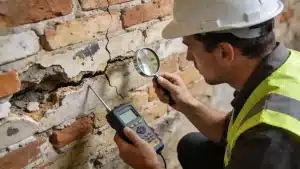
A professional inspection can explain why one section remains damp while other elevations stay clear. The assessment may cover bricks, mortar, drainage, vegetation, cracks, coatings, and rainwater goods.
Early investigation can prevent a minor defect from becoming a larger restoration project. It is particularly useful for listed buildings, period façades, commercial sites, and walls that require specialist access.
Professional Brick Cleaning by Environ Restoration Services
Environ Restoration Services provides professional brick cleaning for residential, commercial, period, and heritage properties across London. We assess the brickwork, mortar condition, staining, and moisture sources before recommending a suitable cleaning method.
Our team can use controlled DOFF steam cleaning, TORC cleaning, soft washing, manual removal, or specialist biocide treatments where appropriate. We avoid unnecessarily aggressive methods that could damage brick faces or weaken mortar joints.
Where additional defects are found, we can also help with brick repairs, lime mortar repointing, façade restoration, and damp-related problems. Our goal is to remove algae, moss, and other deposits while protecting the appearance and character of your property.
Frequently Asked Questions About Green Brickwork
What Is the Safest Way to Remove Green Algae from Bricks?
Inspect the wall, remove loose material with a suitable brush, and use a masonry-compatible algae treatment according to its instructions. Test an inconspicuous area first. Stop if the brick changes colour, begins to powder, or the mortar loosens.
Can You Pressure Wash Algae-Covered Brickwork?
High-pressure washing can erode brick faces, remove mortar, and drive moisture into the wall. It is particularly risky on historic, soft, porous, or damaged masonry. Controlled low-pressure steam or soft washing may be safer, but the surface should still be assessed before treatment begins.
Should You Use Bleach on Mossy Bricks?
Bleach may lighten staining, but it can affect brick colour, damage plants, react with nearby materials, and create harmful runoff. It may not treat spores deep within porous masonry. A cleaner designed specifically for brickwork is usually more appropriate. Never mix bleach with other chemicals.
What Prevents Moss from Growing Back on Brick Walls?
Reduce persistent moisture by clearing gutters, fixing leaks, improving drainage, trimming vegetation, and repairing defective pointing. When moss repeatedly returns, investigate the underlying damp source. Repeated surface cleaning without correcting that cause will usually provide only temporary improvement.