Graffiti can spoil a brick wall, but removing it is difficult. Brick is porous, so paint and ink can settle below the surface. Harsh cleaning may strip the brick, weaken mortar, or leave pale patches.
The correct method depends on the wall’s condition, the graffiti type, and its age. Today, this guide explains suitable products, safe techniques, and when professional cleaning is appropriate.
Why Is Graffiti So Hard to Remove from Brick Surfaces?
Brick contains pores, cracks, and an uneven texture. Spray paint can enter these spaces and collect around mortar joints. Once dry, it forms a bond that ordinary water and detergent may not break down. Dense modern bricks may tolerate controlled washing better than soft handmade bricks. Weathered mortar, damaged faces and previous coatings increase vulnerability.
Different materials require different treatments. Chalk and some water-based paints may lift with gentle washing, while aerosol paint, permanent marker and several layers often need specialist products. The wrong solvent can spread pigment or push it deeper into the brick.
Cleaning only the painted section may create a bright patch, so the surrounding area sometimes needs light treatment for an even finish.
What to Do Immediately When Graffiti Appears on Your Brick Wall
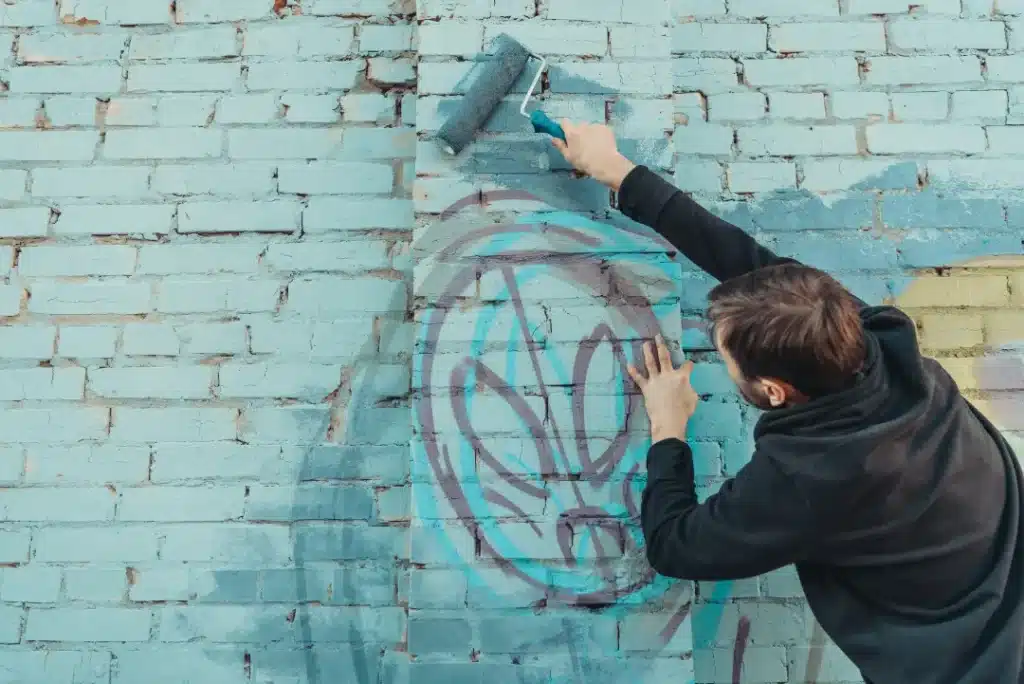
Swift action is essential when graffiti emerges on your brick walls. If the spray paint lingers too long, it seeps deeper into the porous brick material, complicating its removal. Prompt attention can avert the possibility of permanent staining and simplify the graffiti removal process.
Procrastinating may lead to more significant harm and persistent stains that are expensive and tough to remedy.
Upon noticing graffiti, it’s important to evaluate the circumstances quickly and initiate the removal process immediately. This could include applying specially formulated products for swift graffiti eradication or engaging professionals who can tackle this task efficiently, ensuring the successful elimination of unwanted paint from surfaces.
Choosing the Right Graffiti Remover for Brick Walls
It is imperative to choose the correct graffiti remover to prevent lasting harm to your brick walls. Given that bricks are porous, the graffiti removal solution must be potent enough to dissolve paint pigments without damaging the brick surface. Utilising specialised graffiti removers is often required to strike this delicate balance and guarantee an efficient removal of unwanted graffiti.
To ensure you select a suitable product for your situation, you must closely examine various characteristics specific to your brick wall, like its age, porosity level, and chemical sensitivity—all of which play a pivotal role in pinpointing which graffiti removal products will work best.
Types of Graffiti Removers
Numerous graffiti removal products exist, tailored to diverse scenarios and surfaces. Specifically, a solvent-based paint remover is adept at tackling tenacious graffiti. Its application must be handled with care to avoid harming the brick surface. These removers function by loosening the graffiti paint, thus facilitating its elimination.
For porous brick surfaces and other types of materials, multi-surface paint removers present an alternative solution.
These preparations are formulated to eradicate graffiti while preserving the integrity of the base material beneath it. Their versatility makes them ideal for a range of tasks related to removing spray paints and other forms of graffiti markings.
Safety Precautions
When engaging in the graffiti removal process, especially with potent solutions that might contain methylene chloride, it’s vital to prioritise safety by wearing appropriate protective gear. Safety goggles, rubber gloves, and a face mask are essential to protect against skin exposure and inhaling harmful vapours.
These chemicals should be handled with utmost care while ensuring sufficient air circulation in the area to mitigate health hazards.
Before initiating the use of tools and substances for graffiti removal, evaluating the type of surface involved and implementing necessary safety measures is crucial. This includes keeping an emergency solution for rinsing at hand and exercising caution to prevent any contact between your skin and the chemical agents.
Adequate preparation coupled with stringent safety protocols will contribute significantly towards achieving a safe outcome throughout the removal process.
Effective Graffiti Removal Techniques
The selected technique for removal depends on the extent of the graffiti and the condition of the brickwork. To ensure consistency across the entire wall, it’s important to clean both around and directly on top of any vandalised areas.
Securing the vicinity where work will take place plays an essential role in avoiding the dispersion of noxious substances throughout the graffiti elimination endeavour. Ensuring adequate airflow helps mitigate risks associated with inhaling dangerous fumes.
Conducting a preliminary test on a small section can ascertain which strategy works best while minimising potential damage during this process.
What to Do Immediately When Graffiti Appears on Your Brick Wall
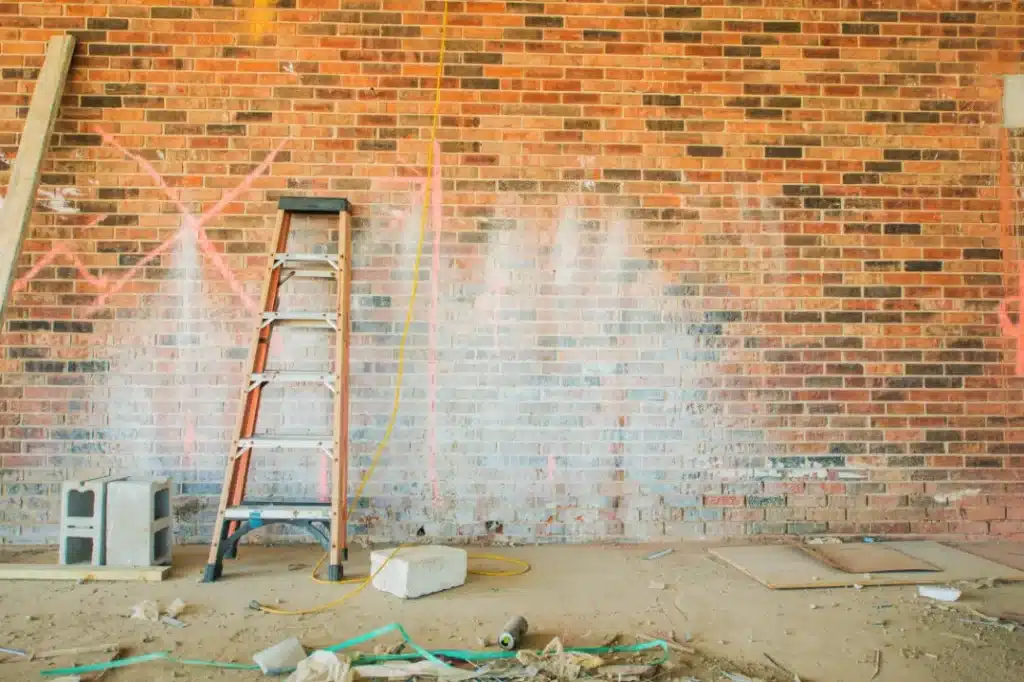
Photograph the graffiti before starting. The images may help when reporting vandalism, contacting an insurer or recording the wall’s condition. Identify the material if possible. Spray paint, marker ink, chalk and emulsion respond differently. Avoid bleach or paint thinner because they may stain the brick or enlarge the affected area.
Protect nearby windows, plants, paving, metalwork and painted surfaces. Cover the ground below to catch loosened pigment and runoff. Act promptly without rushing into an aggressive method. Seek specialist advice before cleaning listed, historic or conservation-area properties.
Choosing the Right Graffiti Remover for Brick Walls
A suitable remover should soften the graffiti without attacking the brick or mortar. No single product works safely on every surface. Choose a cleaner designed for porous masonry. Follow its application, contact time, rinsing, and safety instructions.
Test the product on a hidden section and let it dry fully before judging the result. Wet brick appears darker and may temporarily hide fading or damage. Fresh paint may respond to a mild cleaner, while older graffiti may need repeated applications. Controlled treatments are safer than one strong application.
Types of Graffiti Removers
Solvent-based removers can soften certain paints and inks, but dissolved pigment must be removed carefully to prevent spreading. Gel and paste products remain on vertical surfaces for longer and are easier to control than thin liquids.
Poultice systems use absorbent material to draw softened paint from the brick pores. They can help when colour has penetrated below the surface. Water-based or biodegradable removers may suit lighter graffiti, but every product still needs testing for compatibility.
Safety Precautions
Wear gloves, eye protection and suitable clothing. Follow the product label, particularly when using solvents. Provide ventilation in enclosed spaces, keep products away from flames and never mix cleaning chemicals.
Control dirty water and chemical residue. Do not allow runoff into drains, gardens or neighbouring property. Keep children, pets and the public away. Difficult access and large surfaces should be handled by trained professionals.
Effective Graffiti Removal Techniques
Begin with the least aggressive method likely to work. Remove loose dirt with a soft brush, then apply the selected product as directed. Work in small sections and follow the recommended dwell time. Do not let the product dry unless the instructions require it.
Gently agitate the area with a non-metallic brush, remove the residue, and allow the brick to dry before deciding whether another treatment is needed. Repeated mild cleaning is safer than hard scraping or excessive pressure.
Power Washing
Pressure washing can remove chalk, loosened paint and residue, but high pressure may erode mortar, damage soft bricks and force water into the wall. Use the lowest effective setting and keep the nozzle at a consistent distance. Never hold the jet against one spot because it can cut lines into the masonry.
Test a discreet area and stop if the brick flakes, roughens, or changes colour. Older walls may be unsuitable for pressure washing. Controlled low-pressure steam cleaning is often better for sensitive masonry because heat softens coatings without relying entirely on force.
Scrubbing and Solvents
Light graffiti may respond to warm water, masonry-safe detergent, and gentle scrubbing with a non-metallic brush. For stubborn paint, apply an approved solvent or gel in small sections. Let it soften the coating, then remove the residue carefully from the top downward.
Do not use wire brushes, grinders, or metal scrapers. They can remove the brick’s outer face and cause permanent scratches. Stop if pigment begins spreading. Continuing with the same method may enlarge the stain.
Professional Help
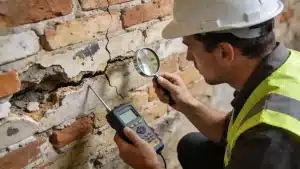
Professional assistance is recommended when graffiti covers a large area, has penetrated deeply, or affects historic or damaged masonry. A specialist can identify the brick, inspect mortar, complete test patches and adjust product strength, pressure and contact time. Professionals can also manage access and wastewater.
Expert treatment is especially useful when mortar is crumbling, DIY cleaning has failed, decorative details are involved, or the wall has an unknown coating.
Protecting Brick Walls After Graffiti Removal
Once the wall is clean and dry, consider measures that discourage future vandalism. Better lighting, visible cameras, controlled access, and regular inspections can reduce repeated graffiti.
Plants or barriers may restrict access, provided they do not trap moisture or damage the masonry. An anti-graffiti coating may help in frequently targeted locations, but it must suit the brick and mortar.
Anti-Graffiti Coatings
Anti-graffiti coatings create a barrier that reduces paint penetration and makes future marks easier to remove.
Sacrificial coatings come away during cleaning and must be reapplied. Permanent coatings withstand several cleaning cycles but may alter colour, sheen or moisture movement. Always test a coating first. An impermeable finish can trap damp, particularly in historic walls.
Regular Maintenance
Inspect exposed walls for new graffiti, cracks, loose mortar and moisture problems. Early removal is easier and reduces deep staining.
Keep gutters, downpipes and drainage routes clear so water does not continually run across the brickwork.
Avoid unnecessary washing because even gentle cleaning can gradually wear old brick and mortar.
Environ Restoration Services: Your Trusted Partner in Graffiti Removal
At Environ Restoration Services, we provide professional graffiti removal and brick cleaning across London. We work on period homes, modern buildings, commercial premises and heritage façades.
Our team assesses the graffiti, brick, mortar and finishes before choosing a method. We may use specialist removers, controlled steam cleaning or combined treatments.
Test patches help confirm the likely result before larger areas are cleaned. Our goal is to remove visible paint while achieving a balanced finish that protects the character of the brickwork.
Why DIY Isn’t Enough for Brick Graffiti Removal
DIY removal can cause permanent damage. Domestic pressure washers may strip soft brick faces, wash out mortar joints, or leave noticeable lines.
Strong solvents can spread pigment, cause discolouration or react with previous coatings. Aggressive scrubbing may alter the masonry texture and create a brighter patch.
Historic brickwork is especially vulnerable because old bricks and lime mortar often need gentler treatment. Damage can lead to repointing, brick replacement, or further restoration.
For large or sensitive surfaces, professional cleaning offers better control and reduces avoidable risk.
Professional Brick Cleaning by Environ Restoration Services
At Environ Restoration Services, we provide professional graffiti removal and brick cleaning for homes, businesses and heritage properties across London. Our team inspects the brickwork, mortar and paint before selecting a suitable treatment.
We use controlled methods, including specialist graffiti removers and low-pressure steam cleaning, to reduce the risk of staining, surface damage and uneven results. Test patches may be completed before larger areas are treated, especially on older or delicate masonry.
Our goal is to remove unwanted graffiti while preserving the appearance and character of the wall. Contact us to arrange an assessment and discuss the safest cleaning option.
Frequently Asked Questions
Why is graffiti removal from brick walls challenging?
Brick is porous and uneven, allowing paint to settle inside pores, cracks and mortar joints. Removal requires controlled products that lift the colour without damaging the masonry.
What immediate actions should I take when graffiti appears on my brick walls?
Photograph the area, identify the graffiti material if possible, and arrange prompt treatment. Protect nearby surfaces and avoid untested household chemicals.
How do I choose the right graffiti remover for brick walls?
Select a product made for porous masonry and suitable for the paint or ink involved. Follow the instructions and complete a small test patch first.
What are the benefits of using anti-graffiti coatings?
A compatible coating limits paint penetration, making future graffiti easier to remove. It can also reduce the need for aggressive cleaning.