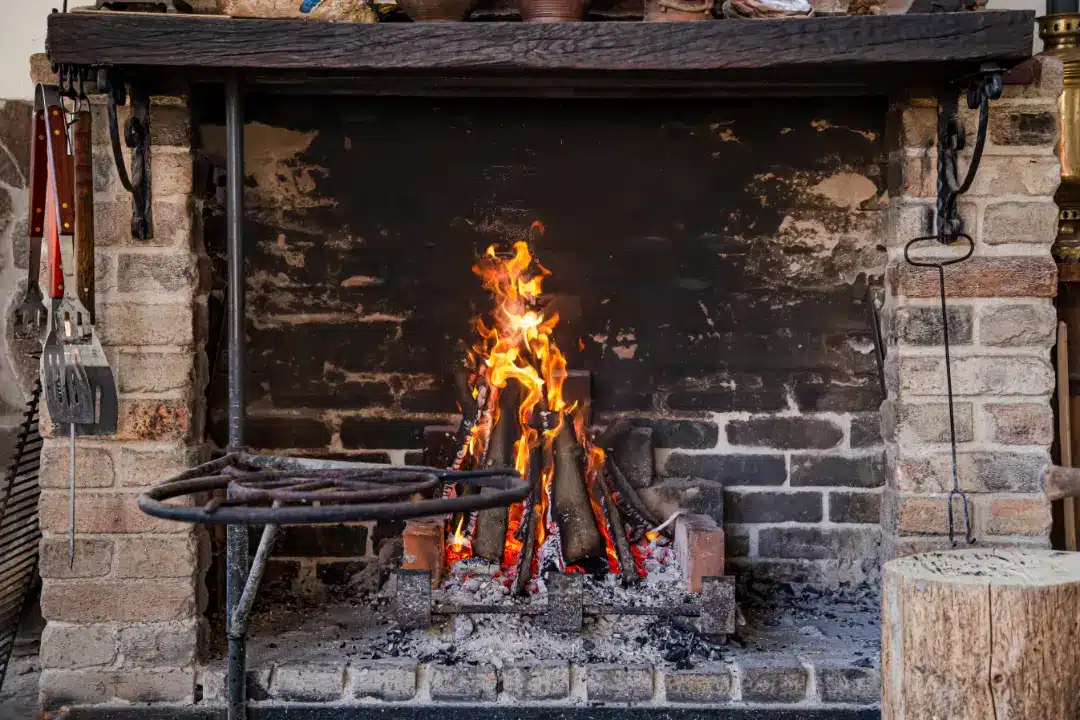
A brick fireplace adds warmth and character, but soot, ash, smoke, and dust can leave it dark and neglected. Porous brick may absorb these stains over time.
The correct method depends on the fireplace’s age, mortar condition, and staining. Aggressive chemicals, hard scrubbing, and excess water can discolour bricks or damage older masonry.
Why Regular Fireplace Brick Cleaning Is Important
Fireplace bricks are repeatedly exposed to heat, smoke, ash, and airborne particles. Regular cleaning prevents loose deposits from becoming deeply embedded.
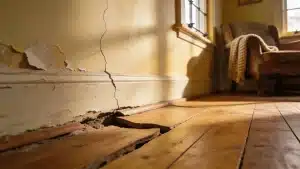
Cleaning also makes defects easier to identify. Cracked mortar, flaking brick faces, damp patches, and white salt deposits may remain hidden beneath soot. Finding them early may prevent expensive repairs.
Visible cleaning does not replace chimney sweeping. Deposits can build up inside the chimney or flue, where household cleaning cannot reach. Historic fireplaces need extra care because acids, wire brushes, and excess moisture can damage soft bricks and lime mortar.
Essential Safety Steps Before Cleaning Fireplace Bricks
Wait until the fireplace is completely cold. Ash can conceal hot embers, so cleaning the next day is safest. Never place warm ash in plastic, cardboard, or a combustible bin.
Wear gloves, safety glasses, and a dust mask. Open nearby windows because fine soot and cleaning vapours may cause irritation.
Move children and pets away, and protect surrounding floors, timber, metal, paint, and stone. Never mix chemicals because combinations can release dangerous fumes. Follow every product label carefully.
How to Prepare Your Fireplace Cleaning Area
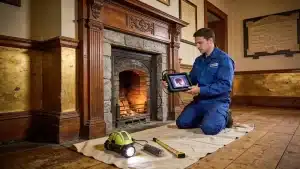
Remove fireplace tools, logs, grates, and decorative items. Move nearby furniture and cover the floor with waterproof sheeting or a heavy dust sheet. Extend it beyond the hearth to catch soot and water.
Scoop cold ash into a metal container, then vacuum the remaining particles with an ash vacuum or a machine designed for fine debris.
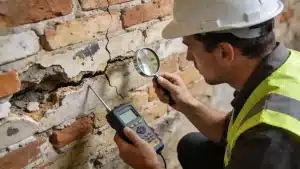
Inspect the brickwork before adding water. Stop if the bricks are loose, powdery, damp, cracked, or flaking. These signs may indicate masonry or moisture damage.
Test each method on a hidden area and let it dry.
Effective Ways to Clean Dirty Fireplace Bricks
Begin with the mildest practical method. Dry dust may need vacuuming, while recent soot may respond to soapy water.
Work from the top downward in small sections. Avoid soaking the masonry because porous bricks and mortar absorb water quickly.
Use nylon or natural-bristle brushes with moderate pressure. Gentle passes are safer than forceful scrubbing.
Remove Loose Dust and Soot With Vacuuming
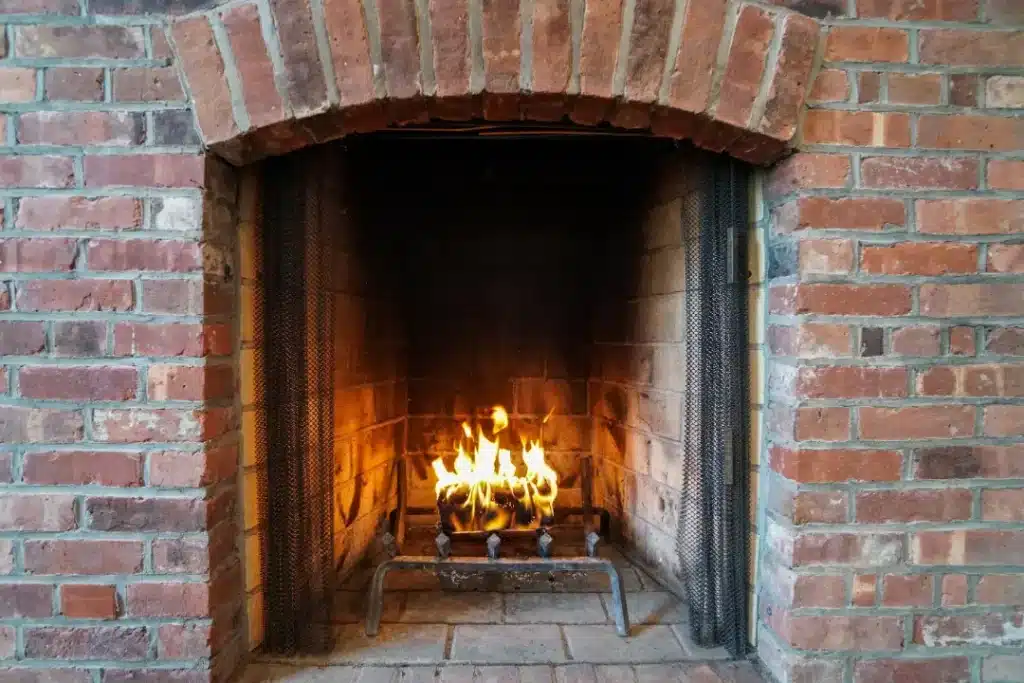
Use a vacuum with a soft brush attachment, starting at the top of the fireplace. Focus on corners, joints, textured surfaces, and the fireplace opening.
Loosen remaining deposits with a dry nylon brush while holding the vacuum nearby. Avoid wire brushes because they can scratch glazed brick and damage historic surfaces.
Remove dry soot first because water can turn it into a black slurry that spreads into porous brick.
Clean Light Stains Using Soap and Water
Mix a small amount of mild washing-up liquid with warm water. Use little soap to avoid sticky residue.
Apply it with a sponge or nylon brush and scrub gently in circular movements. Rinse with a separate sponge and clean water, changing the water regularly.
Absorb excess moisture and let the fireplace dry before use. Repeat the process rather than applying more pressure.
Use Baking Soda Paste for Stubborn Stains
Mix baking soda with a little water until it forms a spreadable paste. Apply a thin layer directly to soot marks.
Leave it briefly, scrub lightly with a nylon brush, and rinse thoroughly with warm water. Remove all residue from mortar joints to prevent pale marks.
Baking soda is mildly abrasive, so use minimal pressure on old, soft, glazed, painted, or repaired brickwork.
Clean Modern Brick Using Diluted White Vinegar
Equal quantities of white vinegar and water may help clean strong modern bricks. Apply the solution sparingly to a hidden area, leave it briefly, scrub gently, and rinse well.
Vinegar is acidic. It can react with lime mortar, affect mineral surfaces, and damage weak or historic bricks. Avoid it when the masonry’s age or composition is uncertain.
Repairs may contain different materials, making careful testing necessary.
Key Things to Know Before Fireplace Cleaning
Make sure the fireplace is cold, ventilate the room, and protect nearby finishes. Remove ash and dry soot before adding water.
Use limited moisture and begin with the mildest cleaner. Brick type, mortar, coatings, age, and repairs affect results.
Stop immediately if the surface fades, flakes, crumbles, or releases powder.
Stronger Cleaning Products for Heavily Stained Bricks
Heavy carbon, grease, paint, or old stains may resist mild methods. Strong products can help, but they increase the risk of burns, discolouration, damaged mortar, and trapped residue. Confirm that the product suits masonry. Wear protection, cover adjoining surfaces, and follow the label exactly. Never strengthen mixtures or extend contact time.
Use Trisodium Phosphate Only With Proper Precautions
Trisodium phosphate, or TSP, is a strong alkaline cleaner for difficult grease and soot. It requires protective gloves, glasses, clothing, and ventilation.
Follow the product’s dilution instructions. Test a hidden area, scrub carefully, and rinse several times with clean water. TSP may affect brick colour, mortar, paint, metal, and timber. Historic or deteriorated fireplaces should be cleaned professionally.
Consider Oven Cleaner Only as Last Resort
Many oven cleaners contain caustic ingredients intended for oven surfaces, not porous masonry. Use one only when its label permits brick application.
Protect nearby materials, prevent overspray, ventilate the room, and follow the stated contact time. Rinse repeatedly because residue can remain inside porous surfaces. Oven cleaner should remain a last resort. Professional cleaning is safer when mild methods fail.
How to Keep Fireplace Bricks Cleaner Longer
Remove cold ash and vacuum dust before it settles into brick pores. Treat fresh soot promptly because recent stains are easier to remove. Burn only suitable, properly seasoned fuel. Damp wood and household waste may produce more smoke and increase chimney deposits.
Arrange chimney sweeping according to the appliance, fuel type, and professional advice. Investigate returning black stains, which may indicate poor draught or ventilation. Check brick faces and mortar joints periodically so cracks, dampness, and loose material can be addressed early.
Why Choose Environ Restoration Services for Brick Cleaning
Environ Restoration Services provides professional brick cleaning and masonry restoration for homes and period properties across London. We understand that fireplaces may contain soft historic bricks, lime mortar, modern repairs, and delicate surrounding finishes.
We first assess the masonry, staining, moisture, and coatings. We also consider nearby finishes and the building’s age so the chosen process improves appearance without unnecessarily weakening original bricks, mortar joints, or decorative details during cleaning. This supports a controlled, material-appropriate cleaning method.
Our services include brick cleaning, brick paint removal, repointing, and restoration for Victorian, Edwardian, Georgian, and modern properties. Contact Environ Restoration Services to discuss stained, painted, damaged, or deteriorating fireplace brickwork and arrange an assessment.
Common Questions About Cleaning Brick Fireplace Surfaces
Why Should Fireplace Bricks Be Cleaned Regularly?
Regular cleaning limits soot, ash, and dust buildup while improving the fireplace’s appearance. It also makes cracks, damp patches, and damaged mortar easier to identify. Cleaning visible bricks does not replace chimney sweeping.
What Safety Steps Matter Before Cleaning Fireplace Bricks?
Allow the fireplace to cool, ventilate the room, and wear gloves, eye protection, and a dust mask. Protect nearby surfaces, follow product instructions, and never mix cleaning chemicals.
Which Method Works Best for Light Brick Stains?
Vacuum loose soot first. Use warm water with a small amount of washing-up liquid, scrub gently with a nylon brush, rinse with clean water, and allow the masonry to dry fully.
How Can Stubborn Soot Stains Be Removed Safely?
Try a thin baking soda paste after soap has failed. Leave it briefly, scrub lightly, and rinse thoroughly. Stop if the bricks fade, crumble, flake, or release powder.