Damp proofing protects properties from moisture problems such as rising damp, penetrating damp, and condensation. Homeowners should understand likely costs to help limit damage and preserve a building’s integrity. The main damp types, typical treatment costs, and factors that influence overall expense all affect the final budget.
Practical knowledge of available treatments and their costs supports informed decisions and helps avoid unexpected repair bills. Damp type, treatment method, property condition, and historic building requirements can all change the overall cost.
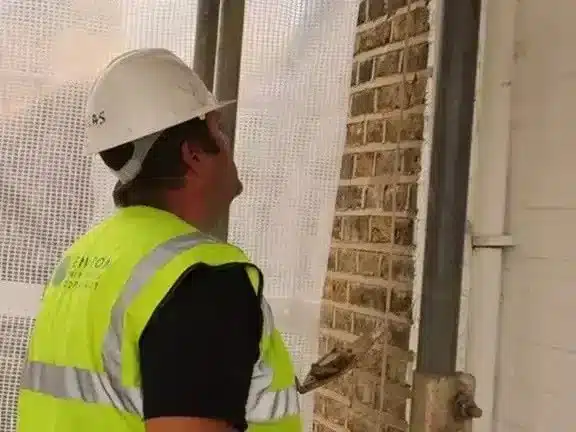
What Are The Main Types Of Damp And Their Treatment Costs?
Damp appears in several forms, each requiring specific treatments with different cost implications. Recognising the damp type allows homeowners to budget appropriately and address the root cause effectively.
- Rising damp occurs when water from the ground rises through walls by capillary action. Treatment often involves chemical injection to create a barrier against further moisture movement.
- Penetrating damp comes from external sources such as heavy rain, damaged brickwork, roof defects, or plumbing leaks. Common remedies include tanking, sealing, and repairing the source of water entry.
- Condensation forms when warm, moist air meets cold surfaces, often due to poor ventilation. Improving airflow, using extractor fans, and controlling indoor humidity can reduce mould growth and dampness.
How Does Rising Damp Affect Cost Estimates?
Rising damp can make damp proofing more expensive because the final cost depends on severity, wall condition, and the treatment required. Minor cases may only need a damp-proof injection and replastering, while advanced cases can involve damaged skirting, floors, plaster, or masonry.
Professional assessment is often needed to confirm the source of moisture and prevent repeat problems. At Environ Restoration Services, our team provides damp surveys, clear reports, accurate estimates, and suitable treatment recommendations.
This can give property owners a better view of likely expenses before arranging treatment or structural repairs. It also makes comparing treatment options easier and more practical.
Which Damp Proofing Methods Influence Overall Expenses?
Damp proofing costs depend on the method used. Chemical injection, tanking, and ventilation improvements each suit different damp problems and property needs.
Common Damp Proofing Techniques And Their Cost Factors
- Common damp proofing techniques help homeowners compare suitable treatment options and expected costs.
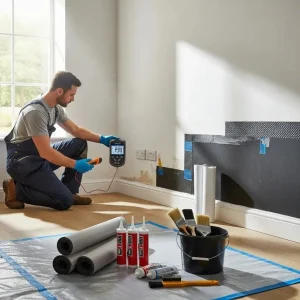
- Damp-proof membranes create a waterproof barrier that helps manage moisture entering walls, floors, or below-ground spaces.
- The cost of damp proof membranes can vary depending on thickness, quality, and installation area.
- Bituminous coatings seal walls, floors, and surfaces to reduce water ingress and moisture movement.
- The cost of bituminous coatings depends on the surface size, condition, and amount of preparation required.
Material Choices Affecting Damp Proofing Costs
- Material selection affects both the upfront cost and long-term success of damp proofing work.
- Higher-quality materials may cost more at first but can reduce future repair needs.
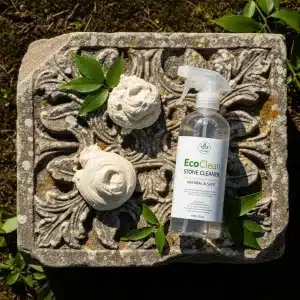
- Lime-based mortars are often suitable for historic properties because they allow walls to breathe.
- Standard cement may be cheaper, but it can trap moisture in older building materials.
- Durable materials can improve performance, reduce maintenance, and support a longer-lasting damp proofing strategy.
What are the unique cost considerations for period and historical properties?
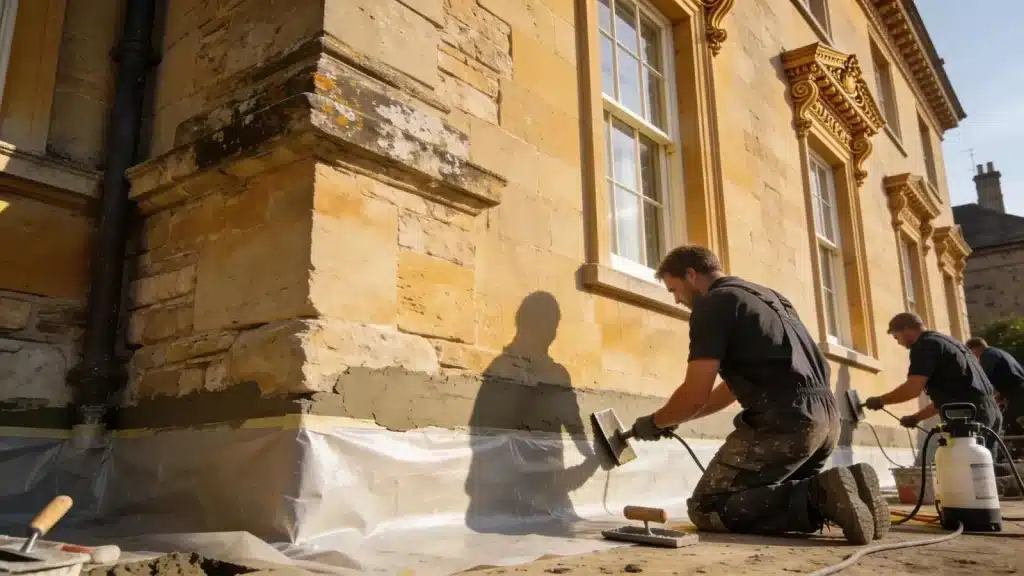
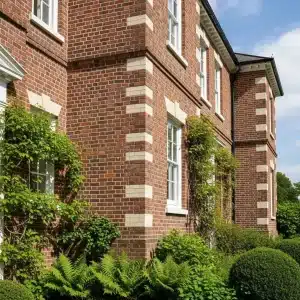
Treating damp in period and historic properties presents specific challenges that usually increase costs. Conservation requirements and the need to use sympathetic restoration techniques to preserve the building fabric commonly drive higher expenses.
Heritage Property Status And Moisture Control Costs
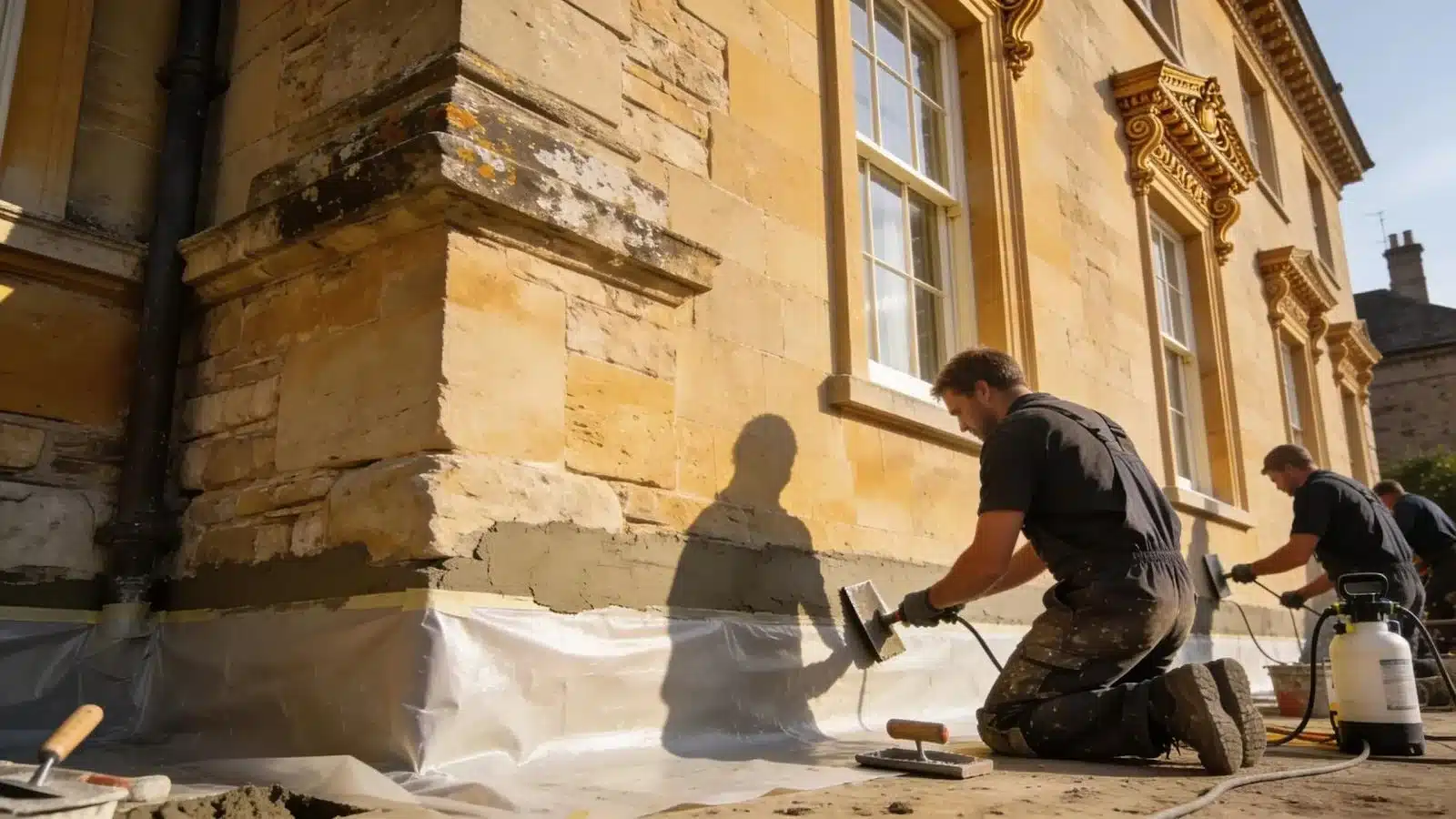
Heritage status can raise damp treatment costs because older properties often require stricter care, specialist materials, and conservation-approved methods. Work may need to protect original brickwork, stone, timber, plaster, or decorative features, which makes the process more detailed than standard damp proofing.
Listed buildings may also require permission before certain repairs or chemical treatments are carried out. Lime-based mortars, breathable finishes, and careful structural repairs are often preferred to avoid trapping moisture or damaging historic fabric.
Importance Of Professional Consultation For Accurate Historic Quotes
A professional survey is essential for producing accurate quotes on historic buildings because older structures often have complex moisture issues. Damp specialists assess the property’s age, construction materials, ventilation, drainage, and existing signs of decay before recommending treatment.
This helps identify whether the problem comes from rising damp, penetrating damp, condensation, or trapped moisture within the building fabric. A detailed survey also reduces the risk of using unsuitable modern materials that could damage historic brickwork, stone, timber, or plaster.
How Can Homeowners Obtain Accurate Damp Proofing Quotes And Control Costs?
To secure accurate quotes, homeowners should request multiple estimates from qualified contractors and compare scope, methods, and costs rather than price alone.
Factors To Consider When Comparing Damp Proofing Services
When assessing damp proofing providers, consider:
- Experience of the Contractor: Look for professionals with a proven track record in dealing with damp issues, particularly in properties similar to your own.
- Techniques Used: Ensure that the methods proposed align with best practices for maintaining property integrity while addressing moisture problems.
- Warranty Offers: A comprehensive warranty can offer reassurance about the work and materials used.
Benefits Of Timely Moisture Control To Prevent Repairs
Timely damp prevention helps protect the property before small moisture issues become serious repair problems.
- Early Action: Prompt intervention helps stop damp from spreading through walls, floors, and plaster, reducing the risk of serious damage and expensive repairs.
- Regular Checks: Routine inspections allow homeowners to spot early warning signs such as staining, peeling paint, mould, or musty smells before the problem becomes severe.
- Long-Term Protection: Proactive damp proofing helps protect the building’s structure, preserve internal finishes, and support the overall life and value of the property.
Why Trust Environ Restoration Services To Protect Your Property From Damp?
At Environ Restoration Services, we deliver damp proofing solutions to London Homes based on your property’s diagnosis and treatment needs. With over a decade of experience, we provide clear communication, reliable service, and practical damp treatment guidance.
We stand by our work with warranty-backed damp proofing and use methods that support effective treatment and property integrity. Our team provides clear reports, accurate estimates, and damp treatment recommendations based on survey findings.
Frequently Asked Questions
How Long Does The Damp Proofing Process Usually Take?
Duration depends on the type and extent of the problem. Ventilation improvements may take less than a day; rising or penetrating damp treatments can take several days, especially when repair work follows treatment. Confirm expected timelines with your contractor before work starts.
What Impact Does Climate Have On Damp Proofing Needs And Costs?
Climate affects both need and cost: regions with high humidity or frequent rainfall face greater damp risk and may require more robust solutions and ongoing maintenance. Soil type and local topography also influence how moisture interacts with a property and can alter treatment costs.
How Can I Prevent Dampness In My Home Before It Becomes A Problem?
Preventative measures include improving ventilation, using dehumidifiers in problem areas, ensuring good drainage around the property, and keeping gutters and downpipes clear. Insulating walls and floors can reduce condensation, and regularly checking plumbing can help prevent moisture intrusion.
Will Insurance Cover Damp Proofing Costs?
Insurance cover depends on the policy. Insurers may pay for damage caused by a covered peril, but they typically do not fund preventative damp-proofing. Review your policy or speak to your insurer to confirm cover for existing damp or remedial work.