Brick repointing is a vital maintenance process that involves renewing the mortar between bricks to protect masonry structures from water damage and decay. This technique not only preserves the structural integrity of buildings but also enhances their appearance and longevity.
Particularly important for historic buildings, repointing with lime mortar allows the building fabric to breathe, preventing moisture entrapment and deterioration. Environ Restoration Services specialises in traditional lime repointing methods, ensuring the careful preservation of historic properties across London.
What Is Brick Repointing, And Why Is It Important?
Brick repointing renews the exposed mortar in masonry to stop water ingress and protect bricks from decay. It restores appearance and extends durability.
For historic buildings, lime mortar is preferred because it lets the fabric breathe and avoids trapped moisture. Environ Restoration Services uses traditional lime repointing techniques to preserve historic buildings across London.
How Often Should Brick Repointing Be Done?
The frequency depends on mortar type, exposure, and condition of the brickwork. As a guide, repointing intervals vary widely depending on mortar type, exposure, and condition.
Regular inspections reveal wear, such as cracked or missing mortar, that may need earlier intervention, and exposed properties often require more frequent maintenance.
How Do I Know If My Bricks Need Repointing?
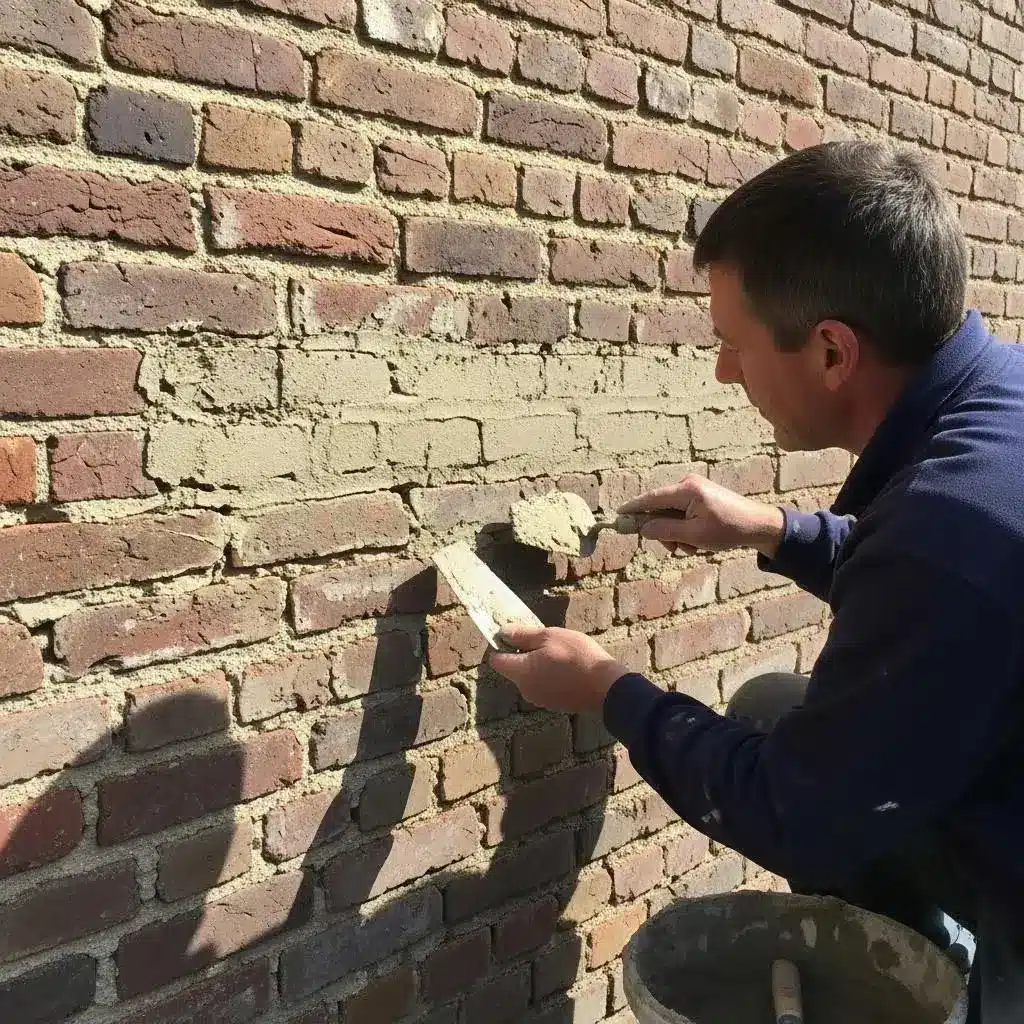
Identifying the need for repointing is straightforward if you know the common signs.
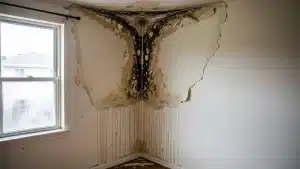
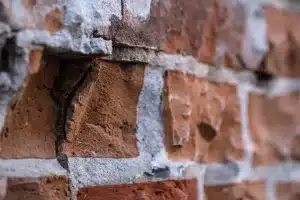
- Cracked or Missing Mortar: Visible cracks or gaps in mortar joints are clear indicators that repointing is necessary.
- Bulging Walls: If walls bulge or bow, this may signal structural issues that need immediate attention.
- Visible Wear and Tear: Crumbling or flaking mortar or bricks suggest that repointing should be considered.
Address these signs promptly to avoid more extensive damage and costly repairs.
Can I Repoint My Bricks Myself?
DIY repointing is possible but needs proper technique and tools. Incorrect repointing can trap moisture or produce visible mismatches. For reliable results, hire professionals who specialise in brick repair services to ensure the work is done correctly.
Will Repointing Change The Appearance Of My Building?
Repointing can change the appearance if the new mortar does not match the original. Skilled professionals can match colour and texture to preserve aesthetic integrity. Properly executed repointing enhances appearance; discuss finish and joint profile with your contractor to ensure a sympathetic result.
What Are The Differences Between Lime Mortar Pointing And Cement Mortar?
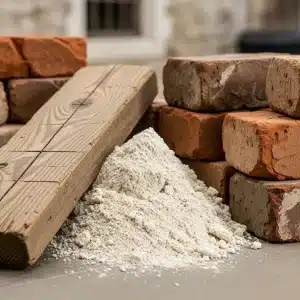
Lime mortar and cement mortar differ in flexibility, breathability, and compatibility. Choosing the correct mortar matters for the building’s fabric and long-term performance.
- Flexibility: Lime mortar is more flexible than cement, allowing slight movement without cracking.
- Breathability: Lime mortar is breathable, helping to prevent moisture buildup and associated damage.
- Compatibility with Historic Buildings: Lime mortar suits older structures by accommodating natural movement and preserving material integrity.
Understanding these differences helps property owners, especially those with heritage buildings, choose suitable materials for repointing.
What Is The Procedure For Repointing Masonry Joints?
The repointing process follows a few key steps to achieve durable repairs.
- Assessment of Existing Joints: Inspect mortar joints to determine damage extent and the appropriate repair approach.
- Mortar Extraction: Carefully remove damaged mortar with specialised tools, minimising impact on surrounding bricks.
- Application of New Mortar: Apply fresh lime mortar to joints, ensuring a proper bond and a finish that matches the original.
How Does Poor Repointing Damage Brick Walls?
Improper repointing can cause significant harm. Common issues include the use of unsuitable mortar, structural compromise, and escalating repair costs.
- Use of Wrong Mortar: Using hard cement mortar on older or softer brickwork can trap moisture and accelerate brick deterioration.
- Structural Damage Risks: Poorly executed repointing can weaken wall integrity, causing bulging or cracking.
- Long-term Effects: Inadequate repointing often leads to costly repairs and reduced property value over time.
Engage professionals who understand repointing techniques to avoid these pitfalls and protect the building fabric.
What Are The Benefits Of Lime Mortar Repointing For Heritage Properties?
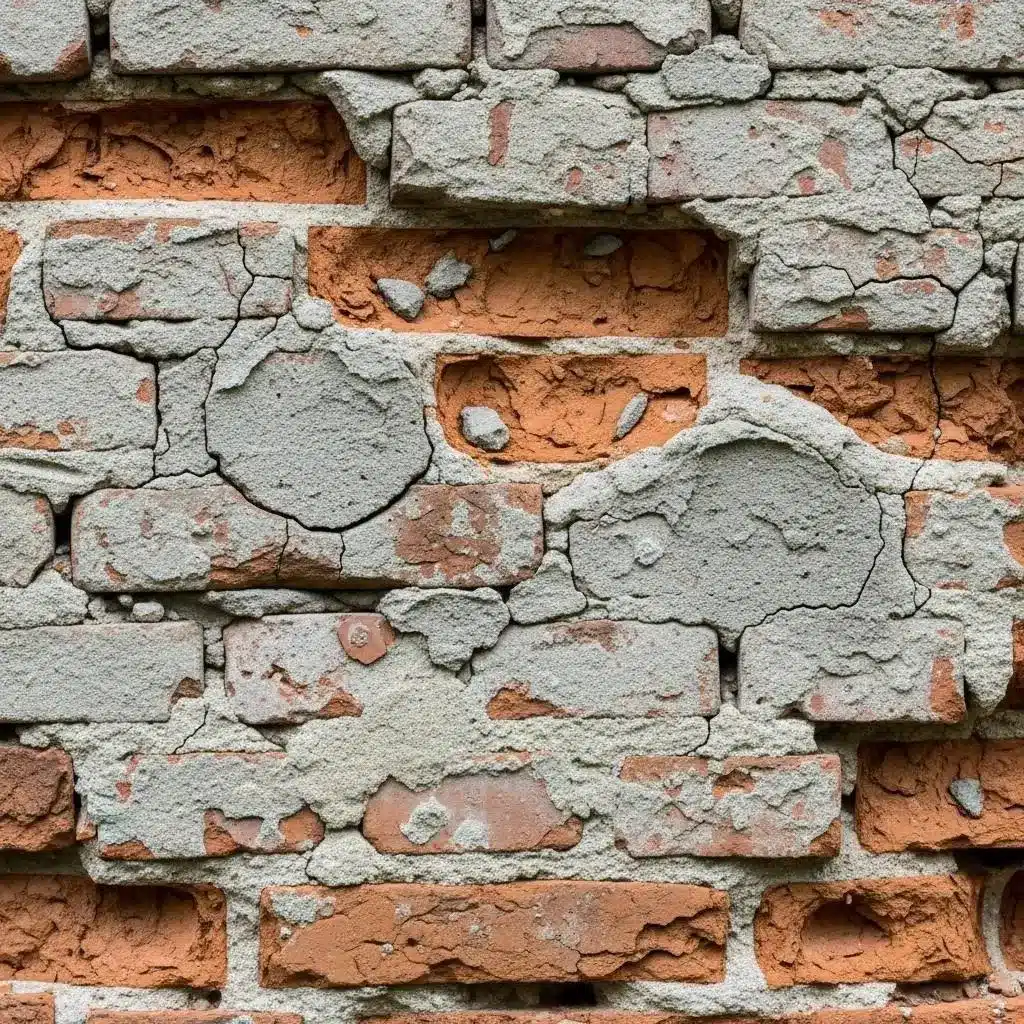
Lime mortar repointing benefits heritage properties where traditional fabric and long-term performance matter.
- Breathability: Lime mortar allows moisture to escape, preventing damage from trapped water.
- Flexibility: Its flexible nature accommodates movement, reducing cracking risk.
- Aesthetic Harmony: Lime mortar can be matched to original mortar, preserving historical appearance.
Environ Restoration Services applies specialist knowledge in lime mortar for heritage properties. Its work focuses on careful restoration and historical integrity.
When Should Lime Mortar Repointing Be Preferred Over Other Types?
Lime mortar is preferred where compatibility with historic materials and breathability are priorities.
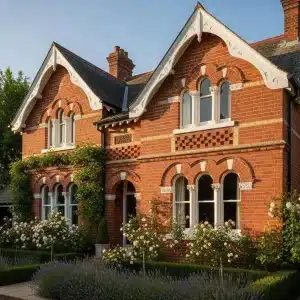
- Listed Buildings: For historic or listed properties, lime mortar is often required to maintain authenticity.
- Soft-fired Bricks: Lime mortar better suits soft-fired bricks commonly found in older constructions.
- Preservation of Original Joint Profiles: Lime mortar helps keep original joint profiles, important for aesthetic and structural integrity.
Choosing lime mortar helps preserve the character and performance of heritage properties for future generations.
Why Choose Environ Restoration Services?
Environ Restoration Services is a specialist provider of traditional lime mortar repointing and masonry restoration across London. With extensive experience in conserving historic and listed buildings, we combine technical expertise with a deep respect for heritage fabric.
Our team uses time-honoured techniques and carefully selected materials to ensure repairs are sympathetic, durable, and compliant with conservation standards.
We understand the unique challenges posed by older structures and tailor our approach to each project, prioritising breathability, flexibility, and aesthetic harmony. Whether restoring a historic facade or maintaining a period property, Environ Restoration Services delivers quality craftsmanship and reliable service to protect your building for generations to come.
Contact us today to discuss your repointing needs and benefit from our specialist knowledge in lime mortar and heritage conservation.
Frequently Asked Questions
What tools are necessary for lime mortar repointing?
Effective lime mortar repointing requires specific tools: a pointing trowel, mortar rake or chisel to remove old material, and a jointing tool to profile new joints. Wear a dust mask and safety goggles, and use a hawk to hold the mortar while you work. The right tools produce a professional finish and protect the brickwork.
How can I maintain my brickwork after repointing?
Post-repointing maintenance prolongs life. Inspect regularly for cracks or missing mortar. Keep gutters and downspouts clear to prevent water ingress, avoid harsh chemical cleaners, and repair defects promptly to prevent further deterioration. Consistent care supports both appearance and structural performance.
Are there any environmental benefits to using lime mortar?
Lime mortar has environmental advantages: it generally requires less energy to make than cement and usually has a lower carbon footprint. Lime-based mortars are more recyclable and support sustainable restoration. Their breathability helps regulate moisture in walls, which can reduce heating and cooling demand.