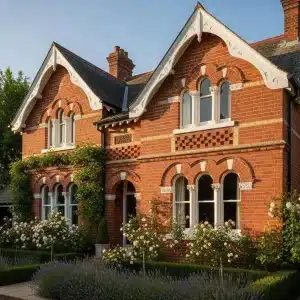
Lime mortar has been a core building material for centuries and remains essential in restoring and maintaining heritage buildings. Its physical properties support structural conservation and preserve historic appearance.
In this article, we summarise the benefits of lime mortar, practical application methods, and routine maintenance to extend the life of heritage fabric, with clear notes on breathability, flexibility, material compatibility, and why it is often chosen instead of cement.
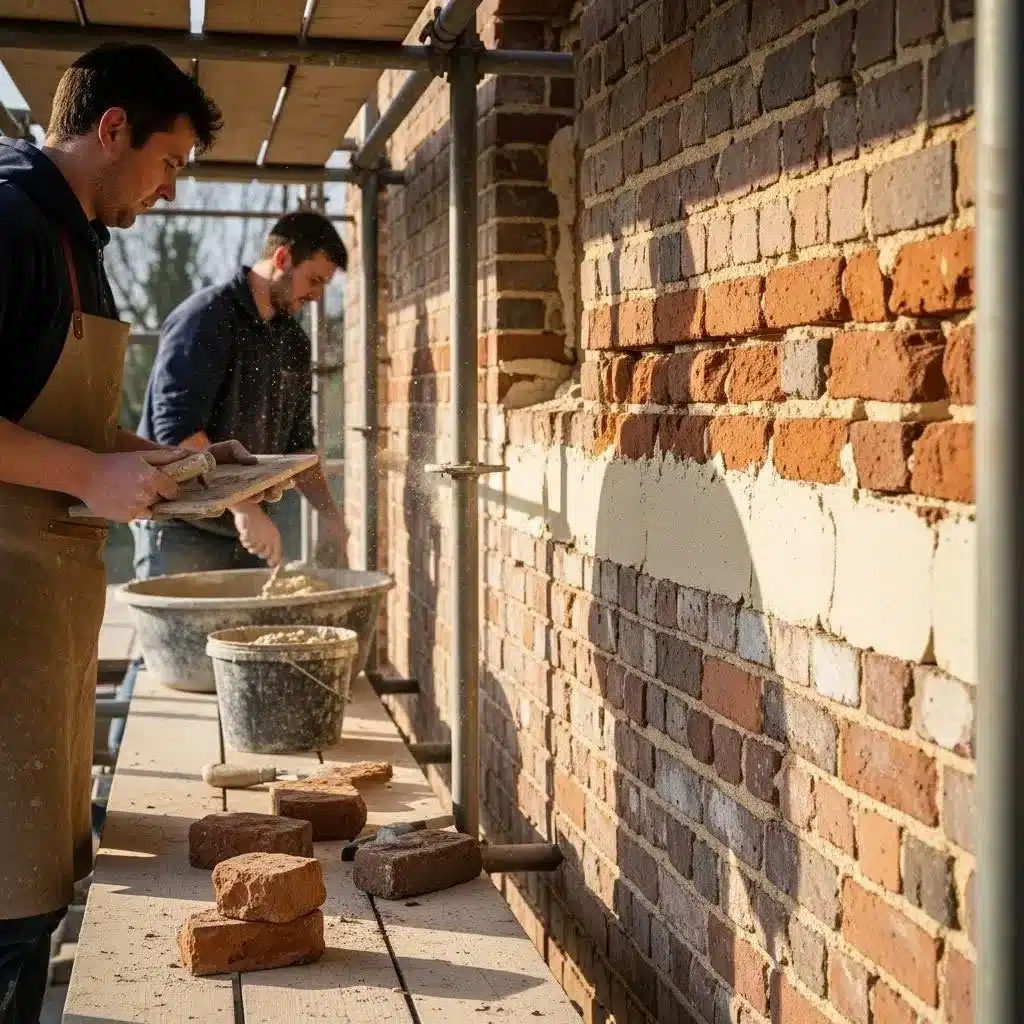
Discover How Lime Mortar Can Benefit Your Heritage Building Restoration
Lime mortar offers several primary benefits in heritage restoration. It provides a durable, long-lasting repair material that adapts well to environmental changes, supporting the structure’s long-term performance.
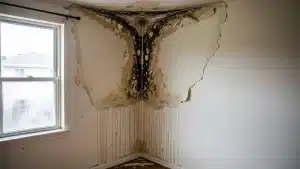
Its breathability allows moisture to escape from the masonry, which helps prevent damage caused by dampness. Additionally, lime mortar is flexible enough to accommodate movement within the building materials, reducing the risk of cracking and related masonry damage.
How Lime Mortar Enhances Breathability and Flexibility in Historic Masonry
Lime mortar permits moisture to evaporate through the joints, reducing damp-related decay, and its relative elasticity accommodates thermal and structural movement without brittle failure. Together, these behaviours extend service life and make lime suitable for traditional masonry restoration.
Lime Mortar Compatible with Traditional Heritage Materials
Lime mortar is compatible with traditional heritage materials because it shares similar thermal and moisture responses with historic brick and stone.
This compatibility allows it to bond reliably with these materials and reduces the stresses that can cause cracking. Its composition supports controlled expansion and contraction alongside neighbouring materials, helping protect the integrity and longevity of the masonry.
How Traditional Lime Mortar Compares to Cement in Conservation Projects
When compared with cement, lime mortar is more accommodating to movement and allows moisture to transfer through the masonry. Cement, being rigid and less permeable, can trap moisture within the structure and create stresses that accelerate deterioration.
Therefore, lime mortar is usually the safer and more appropriate choice for preserving the original fabric of heritage buildings.
Risks Cement Poses to Heritage Buildings Compared to Lime Mortar
Cement can prevent moisture from escaping and transfer loads unevenly to adjacent materials, which often results in cracking and faster decay of the building fabric. In contrast, lime mortar’s breathability and flexibility help reduce these failure modes, supporting the long-term health and stability of heritage structures.
Lime Mortar Is Preferred Over Cement for Long-Term Preservation
Lime mortar is often preferred for long-term preservation because it supports structural resilience and maintains the historic character of buildings by effectively managing moisture and accommodating movement.
Its natural composition aligns with conservation principles and sustainable practices, helping heritage fabric survive across generations without compromising authenticity.
Learn the Best Application Techniques to Use Lime Mortar Effectively in Your Heritage Building
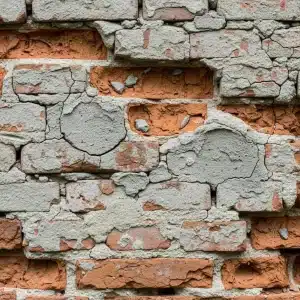
Effective application of lime mortar in heritage buildings involves several key techniques to support durability and authenticity. It is important to thoroughly clean and dampen the joints before applying the mortar to improve adhesion.
The mortar should be applied in layers, allowing each layer to partially set before adding the next, which helps prevent shrinkage and cracking. Using traditional tools such as trowels and pointing irons is essential to achieve the correct texture and finish that matches the original work.
Additionally, avoiding work during extreme weather conditions and maintaining consistent moisture during curing by misting the mortar regularly are crucial practices. These methods help maintain the mortar’s breathability and flexibility, which are essential for the long-term preservation of historic masonry.
Mix Ratios and Curing Methods Support Durable Lime Mortar Repairs
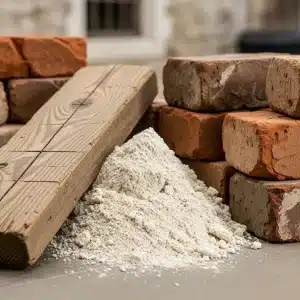
A common mix ratio for lime mortar is one part lime to three parts sand, which provides a good balance of strength and flexibility.
During the initial curing period, and longer if conditions require it, it is important to keep the new mortar damp to aid hydration. In cases where extra durability is required, natural hydraulic lime can be considered as an alternative to non-hydraulic lime.
Tools and Practices Recommended for Skilled Lime Mortar Application
For skilled lime mortar application, the use of trowels, pointing irons, and brushes is recommended. It is important to avoid overworking the mix or applying it in extreme weather conditions.
Allowing adequate curing time and following established handling methods are essential to achieve authentic, long-lasting repairs that respect the historic fabric.
Find Out How Regular Lime Mortar Maintenance Can Help You Preserve Your Heritage Structure
Regular maintenance plays a vital role in prolonging the performance of lime mortar and the buildings it protects. Routine inspections help identify early issues before they become serious problems.
Timely repointing and targeted repairs maintain the mortar’s performance and limit the need for larger, more invasive interventions, thereby preserving the integrity of the heritage structure.
Effective Repair and Upkeep Strategies for Lime Mortar in Historic Buildings
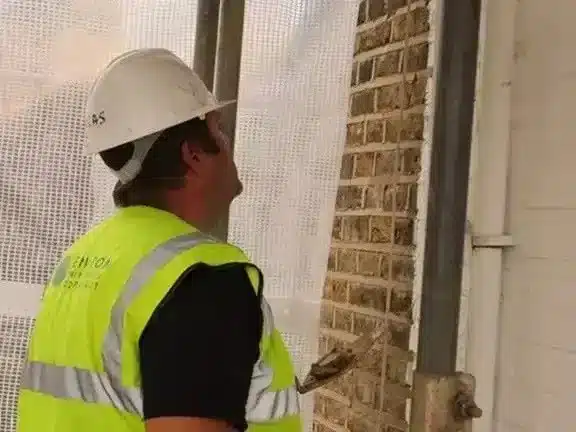
Effective repair and upkeep strategies include conducting regular inspections to detect early signs of deterioration.
Managing moisture through good drainage and ventilation is essential to prevent moisture buildup that can damage the mortar. Engaging skilled craftsmen helps ensure that repairs are carried out with the necessary expertise to preserve both the quality and authenticity of the heritage fabric.
Regular Maintenance Supports Conservation Standards and Building Integrity
Routine maintenance supports conservation standards by preserving the historical value and structural reliability of heritage buildings. Consistent care allows the building fabric to perform as intended, reducing the risk of irreversible loss and helping the structure remain safe and authentic for future generations.
Environ Restoration Services: Your Partner in Heritage Building Conservation
At Environ Restoration Services, we specialize in the restoration and preservation of heritage buildings works using traditional materials and methods, including expert lime mortar application. We understand the unique challenges that historic structures face and are committed to maintaining their authenticity and structural integrity.
Our team of skilled craftsmen works closely with clients to deliver tailored solutions that respect the original fabric while supporting long-term durability.
We pride ourselves on our deep knowledge of lime mortar properties, application techniques, and maintenance practices, which allows us to provide services that enhance breathability, flexibility, and compatibility with historic materials.
Frequently Asked Questions
What is the environmental impact of using lime mortar compared to cement?
Lime mortar can have a lower embodied-carbon impact than cement, depending on the mix, sourcing, and project conditions. Lime production still releases CO2, but lime mortars may partially reabsorb carbon dioxide as they cure. Additionally, lime mortar’s breathability and ability to manage moisture contribute to the longevity of heritage buildings, reducing the need for frequent repairs and further environmental impact. This can make lime mortar a more sustainable choice for conservation projects.
Can lime mortar be used in modern construction, or is it only for heritage buildings?
While lime mortar is primarily associated with heritage restoration, it can also be effectively used in modern construction. Its properties, such as flexibility and breathability, make it suitable for various applications, including eco-friendly buildings and structures that require moisture management. However, its use in contemporary projects may depend on local building codes and the specific requirements of the construction, making it essential to consult with professionals experienced in both traditional and modern techniques.
How does lime mortar affect the overall aesthetics of a heritage building?
Lime mortar enhances the aesthetic appeal of heritage buildings by preserving their original appearance and character. Its natural color and texture can be matched to historic materials, helping repairs blend carefully with the existing structure. Additionally, lime mortar’s ability to weather gracefully over time contributes to the building’s charm, allowing it to age naturally without compromising its historical integrity. This aesthetic compatibility is crucial for maintaining the cultural value of heritage sites.
What are the common challenges faced when using lime mortar?
Some common challenges when using lime mortar include longer curing times compared to cement, which can delay project completion. Additionally, lime mortar requires specific environmental conditions for optimal performance, such as moderate temperatures and humidity levels. Craftsmen must also be skilled in traditional application techniques to avoid issues like cracking or improper bonding. Understanding these challenges is essential for successful implementation in restoration projects, helping the benefits of lime mortar be fully realised.