Building stones, granite, limestone, sandstone, and marble have distinct mechanical and physical properties that guide appropriate use in new work and restoration. In this article, we summarise those traits and give practical selection and maintenance guidance to reduce long‑term risk to structure and appearance.
Which Building Stones Should You Know for Your Construction Projects?
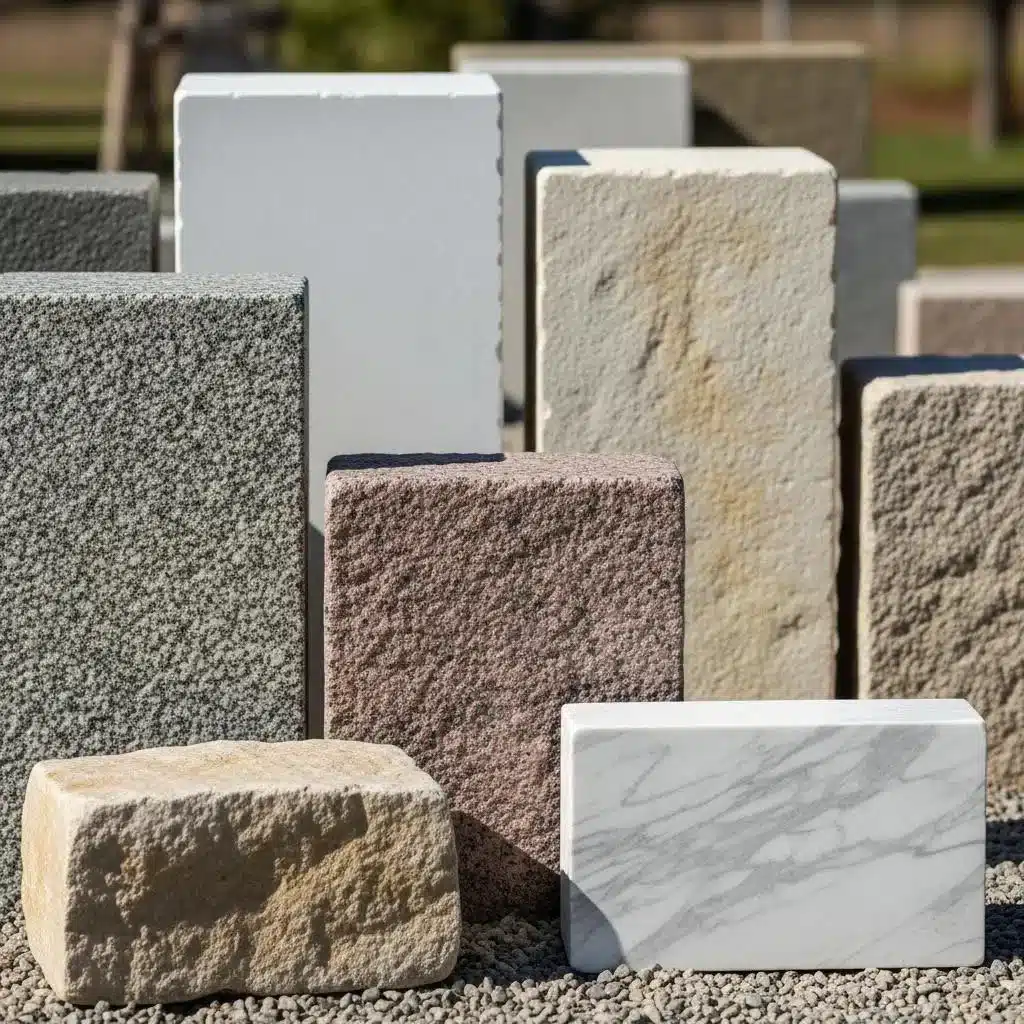
The primary types of building stones commonly used in construction include granite, limestone, sandstone, and marble. Each type offers unique characteristics that influence its suitability for various structural and decorative applications.
The Limestone, Sandstone, Granite, and Marble Differ in Properties
Physical differences influence suitability: granite is hard and weather‑resistant; limestone is softer and more porous; sandstone varies in durability; marble is decorative but more vulnerable to wear and staining.
Granite is known for its high hardness and excellent weather resistance, making it a durable choice for many construction needs. Limestone, on the other hand, is easier to carve due to its softer nature but often has higher porosity, which can lead to increased maintenance requirements.
Sandstone offers a wide range of aesthetic variability, but its durability can vary significantly, so it is important to check its suitability before using it in external applications. Marble provides an attractive finish and is prized for its decorative qualities; however, it requires protection from abrasion and staining to maintain its appearance.
When specifying stones, it is essential to consider the expected loads, exposure conditions, and the capacity for maintenance to ensure the chosen material performs well over time.
Stones Most Suitable for Historical Building Materials
Choosing stones that match the original fabric and traditional methods is crucial to preserving both the authenticity and performance of historic buildings. Granite is commonly found in robust, load‑bearing historic elements due to its strength and durability.
Limestone is often appropriate for period masonry and carved work, reflecting its historical use and workability. Sandstone is typical in many historic facades, and sourcing matching material where possible helps maintain visual and structural consistency.
Matching the original material reduces the need for intrusive repairs and helps preserve the character and integrity of historic structures.
What Stone Properties Should You Focus on to Ensure Durability and Ease of Maintenance?
Key properties such as porosity, density, and resistance to freeze‑thaw cycles play a significant role in predicting water behaviour, strength, and vulnerability of stones in specific climates.
Porosity governs water absorption and the risk of weathering, making it a critical factor in stone durability. Density correlates with mechanical strength and resistance, influencing how well a stone can bear loads and withstand environmental stresses.
Freeze‑thaw behaviour is especially important in regions where temperatures cycle around freezing, as repeated freezing and thawing can cause damage to porous materials.
Laboratory and field tests are advisable before choosing repair mortars for porous stone to avoid compatibility problems.
The Porosity and Compressive Strength Influence Stone Performance
Porosity directly affects water uptake and the risk of damage from freeze‑thaw cycles, making it a key consideration in stone selection. Compressive strength determines the stone’s load-bearing capacity, which is essential for structural applications.
High porosity increases moisture risk and should be avoided in environments with constant wet exposure. Conversely, stones with higher compressive strength are suitable for load‑bearing elements, while softer stones are better suited for ornamental or low-load uses.
It is important to specify maintenance regimes and protective measures based on measured porosity and strength to ensure the longevity and performance of the stone in its intended application.
The Weather Resistance Factors Should Be Considered for Natural Stones
When evaluating natural stones for construction, it is important to consider the local climate, potential exposure to salts and pollutants, and the capacity for ongoing maintenance. Surface treatments such as sealants can help protect stones, but these treatments must be tested for compatibility and reversibility to avoid long-term damage.
Environmental conditions, such as coastal or polluted sites, pose additional risks to stone durability. Using compatible and reversible surface treatments, tested beforehand, can mitigate some of these risks.
Scheduled cleaning and repair are also vital maintenance practices that extend the service life of building stones. Balancing exposure, treatment, and routine maintenance is key to protecting both the appearance and function of natural stones.
How Can You Maintain and Restore Your Building Stones Effectively?
Effective conservation of building stones involves a combination of regular inspection, gentle cleaning, and targeted consolidation, all performed after a thorough condition assessment by qualified professionals.
Regular cleaning helps prevent soiling and biological growth, using methods appropriate to the stone type and condition. Professional assessment is necessary to detect early signs of deterioration and to prioritize interventions accordingly.
Consolidation treatments should be applied selectively and only after careful testing and trials to ensure compatibility and effectiveness.
Maintaining a detailed maintenance schedule, keeping accurate records, and restricting invasive treatments to cases supported by thorough analysis are essential practices for preserving building stones over time.
The Best Practices for Stone Cleaning and Consolidation
Best practices for cleaning and consolidating stone involve selecting methods tailored to the specific stone type and its condition. Testing cleaning techniques on small, inconspicuous areas before full application helps ensure safety and effectiveness.
It is important to understand the mineralogy and surface condition of the stone to match the cleaning approach appropriately. Gentle techniques such as using soft brushes, controlled water application, and mild detergents are preferred where suitable.
Maintaining a regular, planned cleaning schedule helps prevent the escalation of decay and preserves the stone’s appearance and integrity.
Documenting all treatments and their outcomes is crucial to guide future conservation work and to demonstrate that the methods used align with conservation goals.
The Restoration Techniques Preserve Stone Integrity in London Period Buildings
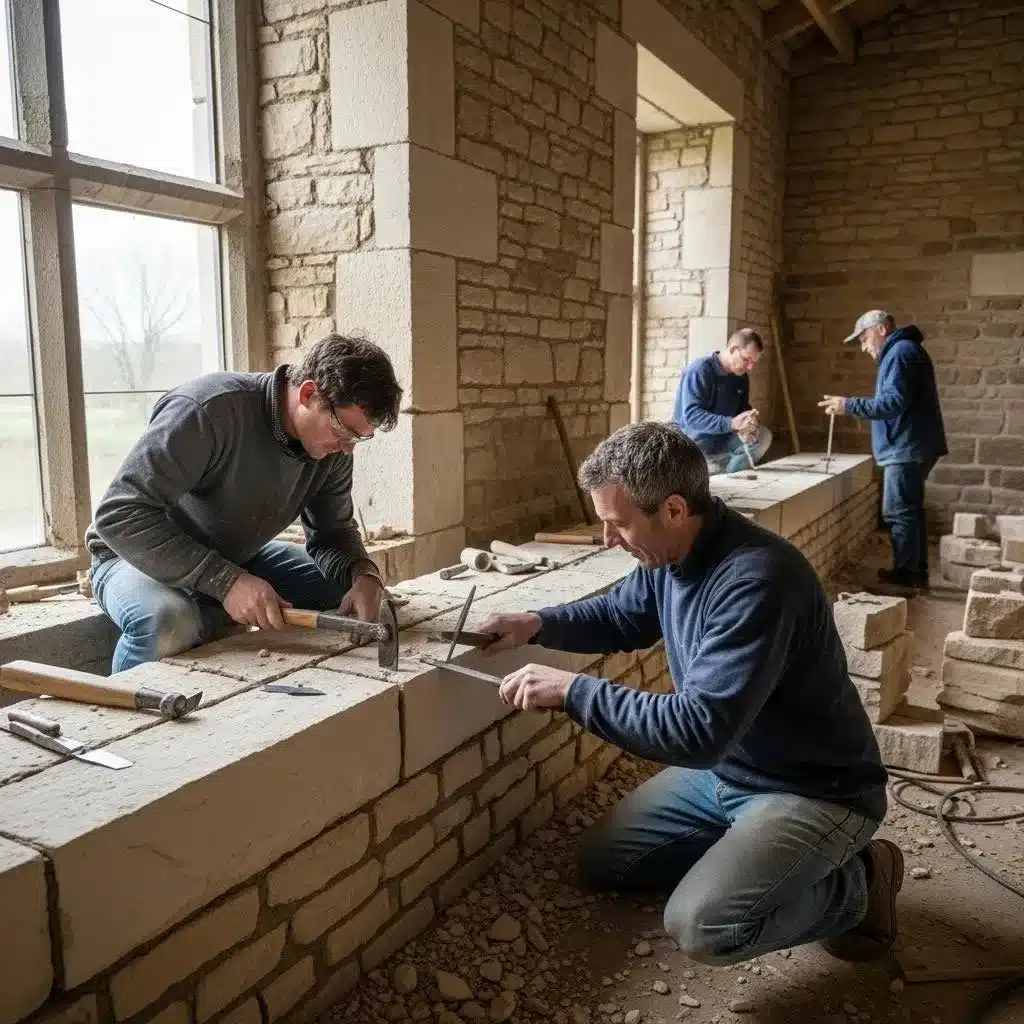
Restoration work on London period buildings focuses on retaining the original fabric of the structure, using reversible and compatible repairs, and strictly adhering to local conservation regulations.
Compliance with conservation guidelines and approval processes ensures that restoration respects the building’s historical significance. Material matching is critical; stones and mortars used in repairs should replicate the original appearance and performance to maintain authenticity.
Employing craftsmen who are familiar with regional stone types and traditional techniques helps preserve the character and craftsmanship of these historic buildings.
Meet Environ Restoration Services
At Environ Restoration Service, we specialize in the brick cleaning of historic buildings in London and environs. We also help in the restoration and maintenance of building stones, including granite, limestone, sandstone, and marble. We understand the unique characteristics and challenges associated with each type of stone and tailor our services to ensure the longevity and aesthetic integrity of your structures.
Our team is committed to using compatible and reversible repair techniques that respect the historical and architectural significance of your buildings. We conduct thorough condition assessments and employ gentle cleaning, consolidation, and restoration methods that align with best practices in stone conservation.
We work closely with clients to develop maintenance plans and repair scopes that address the specific needs of their stone materials, considering factors such as stone type, condition, and environmental exposure. Our expertise extends to sourcing matching materials and applying treatments selected for the stone type and condition.
Frequently Asked Questions
What factors should be considered when selecting building stones for a specific project?
When selecting building stones, it is important to consider the stone’s mechanical properties, environmental conditions, and intended use. Evaluating the stone’s porosity, density, and weather resistance helps ensure it can withstand local climate conditions. Additionally, the aesthetic qualities of the stone should align with the project’s design goals. Maintenance requirements and compatibility with other materials used in the construction or restoration process are also key factors to consider to ensure long-term performance and appearance.
How can I determine the right maintenance schedule for different types of building stones?
Determining the appropriate maintenance schedule begins with assessing the specific type of stone and its current condition. Factors such as porosity, exposure to weather, and historical significance influence maintenance needs. Regular inspections are essential to identify any signs of deterioration early. Based on these assessments, a tailored schedule can be created that includes cleaning, repairs, and protective treatments. It is crucial to use methods appropriate for the stone type to avoid causing damage during maintenance activities.
What are the environmental impacts of using natural stones in construction?
The environmental impacts of using natural stones include resource extraction, transportation emissions, and potential habitat disruption. Quarrying activities can lead to landscape alteration and loss of biodiversity. However, natural stones are durable and often have a long lifespan, which can offset some environmental costs over time. Employing sustainable practices such as sourcing stones locally and using recycled materials can help mitigate these impacts. Considering the entire lifecycle of the stone is essential when evaluating its overall environmental footprint.
Are there any specific regulations for using building stones in historical restorations?
Yes, there are often specific regulations and guidelines governing the use of building stones in historical restorations. These regulations aim to preserve the architectural integrity and historical significance of the structure. Local conservation authorities typically require that any materials used match the original in both appearance and performance. It is crucial to consult with these authorities and adhere to their guidelines to ensure compliance and to maintain the building’s historical character throughout the restoration process.