Preserving heritage stone requires specialised, controlled cleaning that removes soiling while protecting original fabric. In this guide, we summarise safe approaches, diagnostic steps, and compliance considerations to avoid damage and retain historic character.
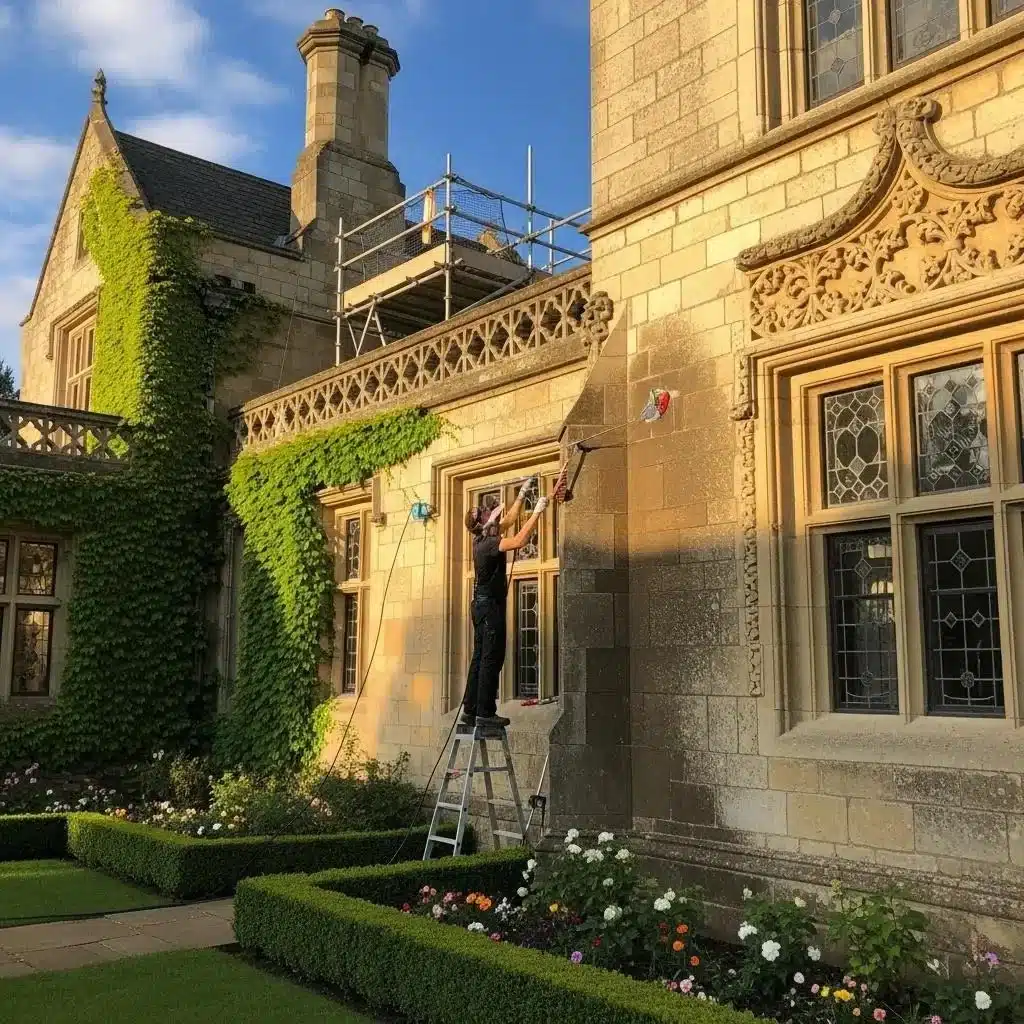
Which Non-Abrasive Stone Cleaning Techniques Should You Use for Your Heritage Building?
Non‑abrasive methods are preferred for removing soiling with minimal surface loss, ensuring the preservation of the stone’s original texture and appearance.
Among the most common and effective options is poulticing, which involves applying a draw‑out paste to localized stains on porous stone, gently extracting contaminants without mechanical damage.
Steam cleaning uses low‑pressure steam to safely soften and lift grime, providing a controlled and gentle cleaning process. Chemical cleaning employs biodegradable, pH‑neutral agents that are used selectively after thorough testing to ensure compatibility with the stone.
Correct specification and controlled application of these methods are essential to minimise risk to the historic fabric.
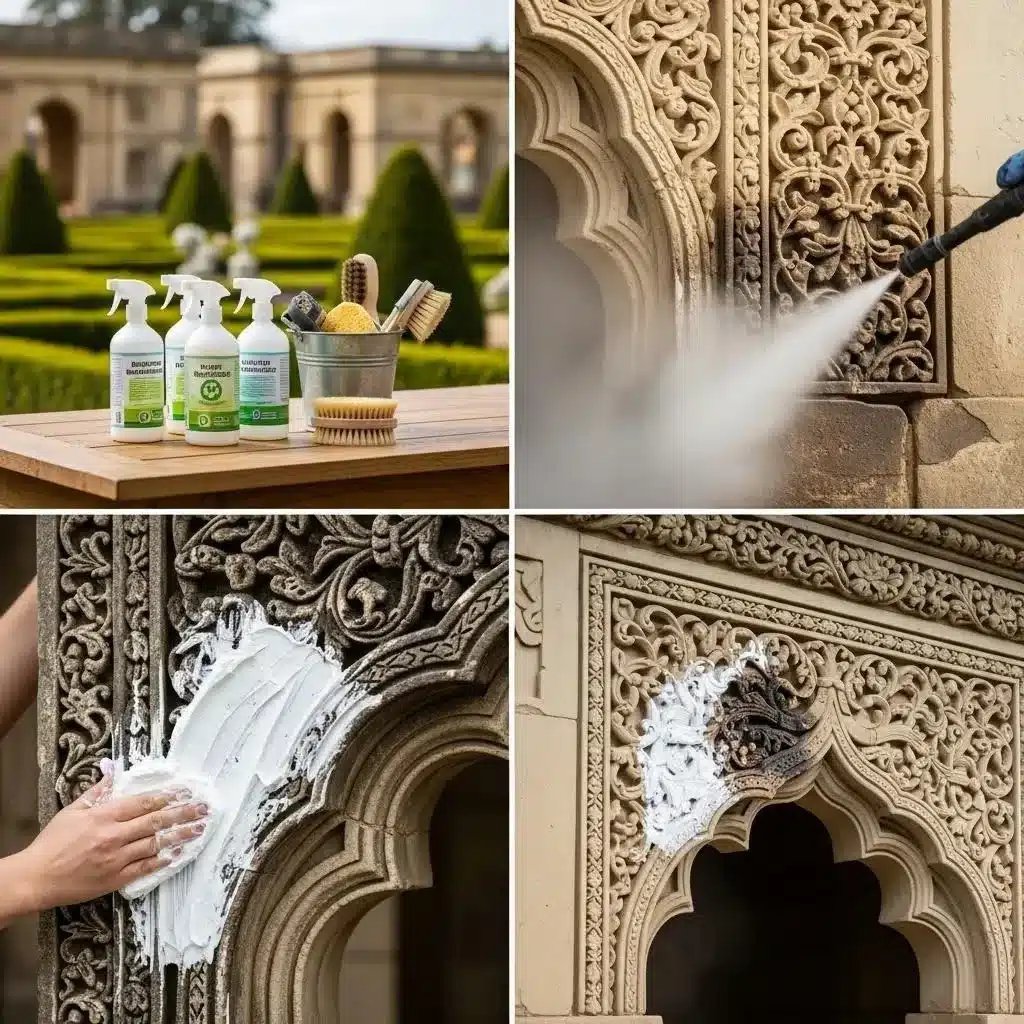
Controlled Micro-Abrasion Helps Clean Historic Stonework
Micro‑abrasion is a technique that uses very fine abrasives applied under strict control to remove surface contaminants with minimal texture loss.
When specified properly, it allows for precise cleaning of delicate areas, reducing the risk of uncontrolled abrasion and preserving the stone’s intricate details and surface integrity.
Role of Poulticing Play in Gentle Stone Cleaning
Poulticing is particularly effective for porous stones, as it works by drawing stains into a paste over time. This method removes contaminants without the need for mechanical abrasion, thereby preserving the surface integrity and avoiding damage to the stone’s texture and appearance.
Which Chemical Cleaning Agents Should You Choose to Safely Clean Your Historic Stone Masonry?
When selecting chemical cleaning agents for historic stone masonry, it is important to choose those that are chemically compatible with the stone and pose low risk to its fabric.
Biodegradable options are preferred because they break down naturally, reducing environmental impact. pH‑neutral formulations are also important as they avoid altering the stone’s chemistry, which helps maintain its original condition.
Additionally, it is crucial to verify that the chosen agents do not react adversely with earlier conservation materials or treatments applied to the stone. Overall, specifications should prioritise compatibility and ensure minimal residues remain after cleaning.
The Benefits of Using Environmentally Safe Detergents
Using environmentally safe detergents in heritage stone cleaning offers multiple benefits. These detergents are typically biodegradable and non-toxic, which reduces environmental impact and helps protect surrounding ecosystems.
They also minimize chemical residues left on stone surfaces, thereby preserving the stone’s integrity and preventing long-term damage. Furthermore, employing such detergents supports compliance with environmental regulations and promotes sustainable conservation practices.
This ensures that cleaning methods are not only effective but also responsible and aligned with broader ecological goals.
Selecting Chemicals That Comply with Conservation Standards
Selecting chemicals that comply with conservation standards involves a careful, evidence‑based approach. First, it is important to identify the type of stone to ensure that the cleaning agents are matched appropriately to the substrate.
Next, conducting test patches on small, inconspicuous areas allows for observation of the cleaning effect and any residues left behind.
Finally, consulting with conservation professionals helps confirm the suitability of the chosen agents and ensures compliance with relevant guidelines and standards.
Following these steps reduces the risk of damage and aligns the cleaning work with accepted conservation practices.
How Can You Use Conservation Standards to Guide Your Stone Cleaning in Heritage Properties?
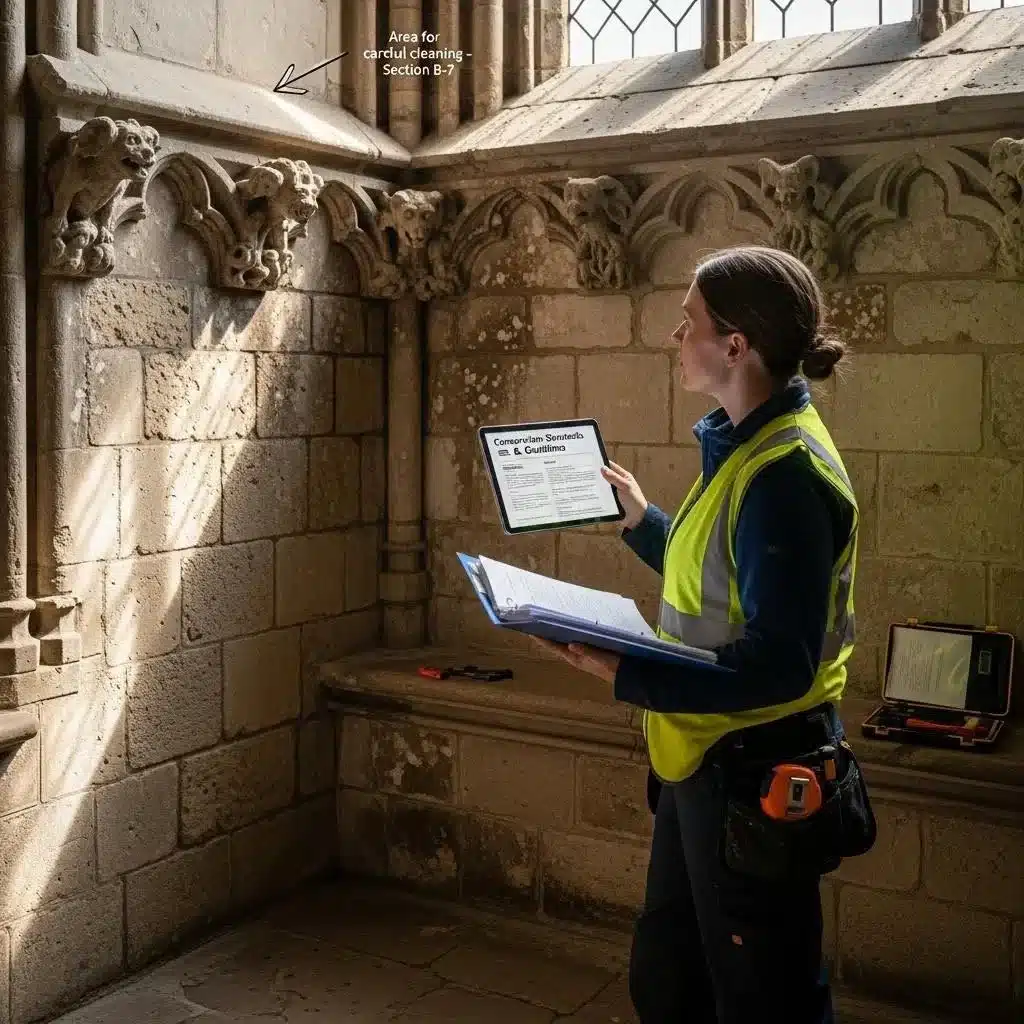
Conservation standards emphasize the importance of conducting a thorough diagnostic survey before any cleaning work begins.
They advocate for minimal intervention to preserve as much of the original material as possible. Documenting the methods used during cleaning is essential to maintain a clear record of interventions, which supports future conservation efforts.
Additionally, planned maintenance routines are recommended to protect the materials and appearance of heritage stonework over time, ensuring its longevity and historical integrity.
Key for UK Regulations You Need to Know for Stone Restoration
In the UK, stone restoration work is governed by several important regulations: Listed Building Consent may be required for works that affect a listed building’s character or special interest.
Heritage regulations at both national and local levels guide preservation practices and set standards for intervention. Engaging with conservation officers is a critical step, as they offer local advice and approvals necessary for compliant restoration work.
Understanding and adhering to these requirements is essential to carry out restoration projects legally and responsibly.
BS 8221 Help You Choose the Right Cleaning Method:
BS 8221-1 is a key standard that gives practical guidance on cleaning natural stone, brick, terracotta, and concrete, including method selection and testing.
Following this standard helps professionals select appropriate cleaning techniques that are well-documented and respectful of the stone’s significance.
It ensures that cleaning methods are chosen based on careful consideration of the stone’s condition and historical value, promoting best conservation practices.
How Can You Maintain and Prevent Damage to Your Heritage Stonework?
Maintaining heritage stonework effectively involves scheduling regular inspections to identify potential issues early. Employing non‑abrasive cleaning techniques helps preserve the stone’s surface and prevents unnecessary wear.
Involving conservation professionals in setting consistent and documented maintenance routines ensures that care is aligned with best practices and conservation standards. Together, these measures reduce the risk of damage and extend the useful life of heritage stonework.
Regular inspections allow for early detection of deterioration or contamination, enabling timely interventions. Gentle cleaning techniques, such as poulticing or low-pressure steam, minimize surface loss and maintain the stone’s character.
Professional engagement ensures that maintenance plans are tailored to the specific needs of the stone and the building, supporting sustainable conservation goals.
Cleaning Your Heritage Stone to Ensure Its Longevity
The frequency of cleaning heritage stone depends on factors such as environmental exposure and local stressors like pollution or biological growth.
Comprehensive cleaning should be scheduled according to condition, exposure, and significance, with interim inspections to monitor change. Site-specific advice from professional assessments helps determine the optimal cleaning schedule, balancing preservation needs with practical considerations.
Maintenance Strategies You Can Use to Minimize Future Restoration Needs
Preventive maintenance strategies are key to minimizing the need for major restoration in the future. Regular restoration surveys help track the stone’s condition over time, allowing for early intervention when necessary.
Documented cleaning plans provide a structured approach to maintenance, ensuring consistency and accountability. Any protective treatment should be specified cautiously and only where justified. Together, these strategies reduce the likelihood of significant deterioration and support long-term conservation objectives.
Regular inspections, clear documentation, and appropriate protective measures form the foundation of effective maintenance that safeguards heritage stonework for future generations.
For comprehensive guidance on heritage conservation, Historic England offers practical resources. Practitioners also consult Historic England’s technical advice on cleaning for method confirmation.
For chemical guidance and professional standards, the American Institute for Conservation provides technical resources.
Why Choose Environ Restoration Service
At Enviro Restoration Services, we specialise in the restoration of high-end and historic properties. We aim to protect historic fabric while removing soiling and contaminants. We understand the unique challenges involved in heritage conservation and apply non-abrasive, environmentally responsible cleaning techniques tailored to each project’s specific needs.
Our team is committed to using biodegradable, pH-neutral chemical agents and advanced methods such as poulticing and low-pressure steam cleaning to protect the integrity and appearance of historic stonework. We prioritise compliance with conservation standards and local regulations. We use documented methods and site-specific testing to reduce risk to historic fabric.
Frequently Asked Questions
What are the potential risks of using abrasive cleaning methods on heritage stone?
Abrasive cleaning methods can cause significant damage to heritage stone, including surface erosion, loss of texture, and alteration of the stone’s original appearance. These methods may also remove protective coatings or treatments applied during previous conservation efforts. The risk of damaging delicate features or carvings is particularly high, which can compromise the historical integrity of the building. Therefore, avoid aggressive abrasive techniques on sensitive stone and use site-tested methods matched to the substrate.
How can I assess the condition of heritage stone before cleaning?
Assessing the condition of heritage stone involves a thorough diagnostic survey, which includes visual inspections and possibly material testing. Look for signs of deterioration such as cracks, discoloration, or biological growth. Documenting these findings is essential for planning appropriate cleaning methods. Engaging conservation professionals can provide expertise in evaluating the stone’s condition and determining the best course of action. This proactive approach helps ensure that cleaning efforts do not inadvertently cause further damage.
What is the importance of documenting cleaning methods used on heritage buildings?
Documenting cleaning methods is vital for several reasons. It creates a historical record of the techniques and materials used, which can inform future conservation efforts. This documentation helps ensure compliance with local regulations and conservation standards. Additionally, it allows for the assessment of the effectiveness of different methods over time, contributing to best practices in heritage preservation. Proper records also facilitate communication among conservation professionals and stakeholders involved in the maintenance of the building.
Are there specific environmental considerations when cleaning heritage stone?
Yes, environmental considerations are crucial when cleaning heritage stone. Cleaning agents should be selected to minimise ecological impact and suit the stone and site conditions. Additionally, the cleaning process should avoid releasing harmful substances into the surrounding environment. It is also important to consider the local ecosystem and any wildlife that may be affected by the cleaning methods. Sustainable practices not only protect the stone but also ensure that the cleaning process aligns with broader environmental conservation goals.