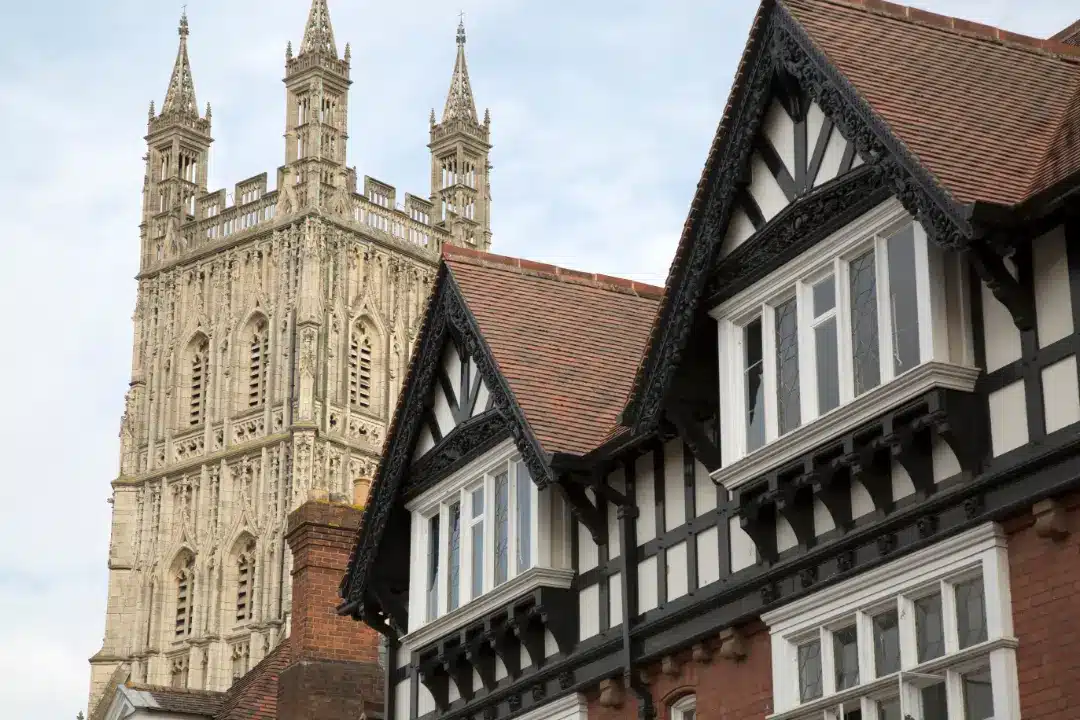
Heritage restoration is a vital process that ensures the preservation of historical buildings, allowing future generations to appreciate their architectural and cultural significance.
This comprehensive guide addresses frequently asked questions about heritage restoration, providing insights into the processes, challenges, and best practices involved.
Readers will learn about the qualifications for heritage buildings, the essential steps in restoration, common challenges faced, and effective maintenance strategies. Many property owners struggle with understanding the complexities of restoration and the importance of preserving historical integrity.
This guide offers solutions and expert answers to help navigate these challenges. We will explore key topics, including the definition of heritage buildings, the restoration process, and how to maintain and fund restored properties.
What Qualifies as a Heritage or Listed Building in the UK?
Heritage or listed buildings in the UK are structures recognized for their historical, architectural, or cultural significance. These buildings are protected under law to preserve their unique characteristics and ensure their conservation for future generations.
The criteria for listing include architectural interest, historic interest, close historical associations, and group value. Age and rarity are also important factors, with most buildings built before 1700 that survive in anything like their original condition being listed, as well as most buildings built between 1700 and 1850. Understanding what qualifies as a heritage building is crucial for property owners and restoration professionals alike.
How are Listed Building Status and Conservation Areas Defined?
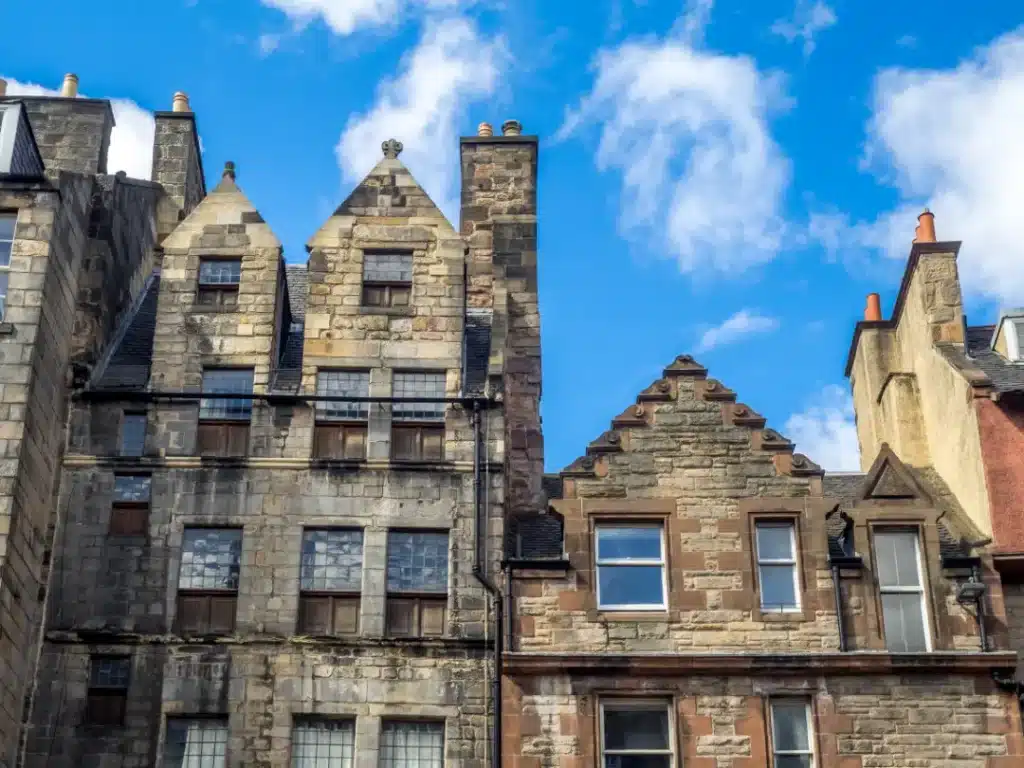
Listed building status is granted to structures of special architectural or historic interest, ensuring they are preserved and protected. Conservation areas are designated regions where the character and appearance of the area are of special architectural or historic interest, warranting preservation. Both designations aim to maintain the cultural heritage of the UK, requiring property owners to adhere to specific regulations when making alterations.
What Are the Key Architectural Styles in London Heritage Properties?
London’s heritage properties showcase a variety of architectural styles, reflecting the city’s rich history. Key styles include Georgian, Victorian, Edwardian, and Art Deco, each with distinct characteristics. Georgian buildings are known for their symmetry and proportion, while Victorian architecture often features ornate detailing and eclectic styles.
Edwardian architecture is generally lighter and less ornate than Victorian, often with larger windows and simpler decoration. Art Deco buildings, mostly from the 1920s and 1930s, feature geometric shapes and stylized motifs. Understanding these styles is essential for restoration efforts, as it guides the choice of materials and techniques that align with the building’s original design.
What Are the Essential Steps in the Heritage Restoration Process?
The heritage restoration process involves several critical steps to ensure that the historical integrity of a building is maintained. These steps include initial assessments, obtaining necessary permissions, and executing the restoration work with care.
How Are Initial Assessments and Building Surveys Conducted?
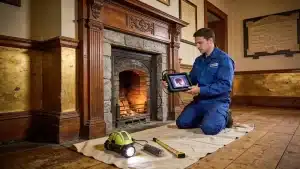
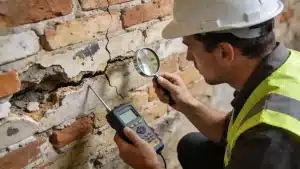
Initial assessments and building surveys are conducted to evaluate the condition of a heritage property. These assessments typically involve a thorough inspection of the building’s structure, materials, and historical features. Professionals use various tools and techniques to identify issues such as dampness, structural damage, and material degradation. This information is crucial for planning the restoration process effectively.
What Planning Permissions and Listed Building Consents Are Required?
Before commencing restoration work, property owners must obtain the necessary planning permissions and listed building consents. These permissions ensure that any alterations made to the building comply with local regulations and conservation guidelines. The application process may involve submitting detailed plans and documentation to the local authority, which will assess the proposed changes’ impact on the building’s historical significance.
Historic Building Restoration: Key Challenges & Solutions
Restoring historic buildings presents several challenges, including maintaining historical integrity while enhancing energy efficiency, dealing with stubborn stains and dirt, and ensuring the right materials and techniques are used for repairs.
Solutions involve selecting appropriate materials for renovations, using professional cleaning services to handle delicate materials, and understanding old house restoration processes to make informed decisions. Engaging experts can mitigate risks associated with DIY repairs, ensuring that restoration work preserves the building’s charm and structural integrity.
How Is Damp Proofing Effectively Managed in Heritage Properties?
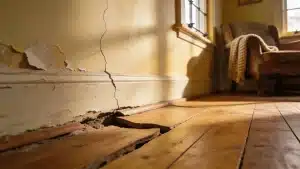
Damp proofing in heritage properties is crucial to prevent moisture-related damage. Effective management involves using traditional materials and techniques that align with the building’s historical context. Options include installing breathable membranes, using lime-based plasters, and ensuring proper drainage around the property. Regular inspections and maintenance are essential to identify and address damp issues promptly.
What Techniques Are Used for Brickwork, Masonry, and Sash Window Repairs?
- Chemical Cleaning: Using specific chemicals like diluted brick acid to dissolve and remove stains, applied carefully to avoid damage.
- Pressure Cleaning: High-powered water streams to blast away dirt and stains, requiring careful handling to avoid damage, and generally avoided on softer historic bricks.
- Steam Cleaning: An eco-friendly method using high-temperature steam to eliminate stains, particularly effective for organic matter.
- Soft Washing: A gentle cleaning method that helps preserve the integrity of the bricks by using low-pressure water combined with biodegradable cleaning agents.
For sash window repairs, techniques may include replacing damaged components, re-glazing, repairing or replacing sash cords, and ensuring proper operation while maintaining the original design.
Which Traditional Materials and Modern Technologies Are Used in Heritage Restoration?
Heritage restoration often involves a blend of traditional materials and modern technologies to achieve the best results. Traditional materials, such as lime mortar and historic bricks, are favored for their compatibility with older structures, while modern technologies enhance precision and efficiency in restoration efforts.
Ensuring material compatibility and adhering to traditional techniques are paramount for successful heritage restoration, balancing modern needs with historical integrity.
Traditional Techniques & Material Compatibility in Heritage Restoration Using traditional techniques in the process of built heritage restauration is synonymous with its adaptation to the contemporary comfort requirements and to the fulfillment of the exigencies of resistance and stability. The main constituent elements of the traditional building systems leads us to the analyzing the houses on subassemblies: the roof (roof frame and covering), walls, foundations and socle, carpentry and opening. Proper repair of traditional houses must be carried out accurately, taking into account the fact it is imperative to use good quality materials that prove effective during the reconstruction process. Beyond the importance and cultural relevance of the traditional house, the compatibility of materials is a complex and thorny process that involves a lot of responsibility. Adapted Techniques for Protecting Traditional Buildings, I Dohotariu, 2020
What Are the Properties and Benefits of Lime Mortar and Historic Bricks?
Lime mortar is a traditional building material known for its flexibility and breathability, making it ideal for heritage restoration. It allows moisture to escape, preventing damage to the structure. Historic bricks, often made from local clay and fired at lower temperatures than modern bricks, provide aesthetic continuity and structural integrity. Using these materials helps maintain the building’s historical character while ensuring durability.
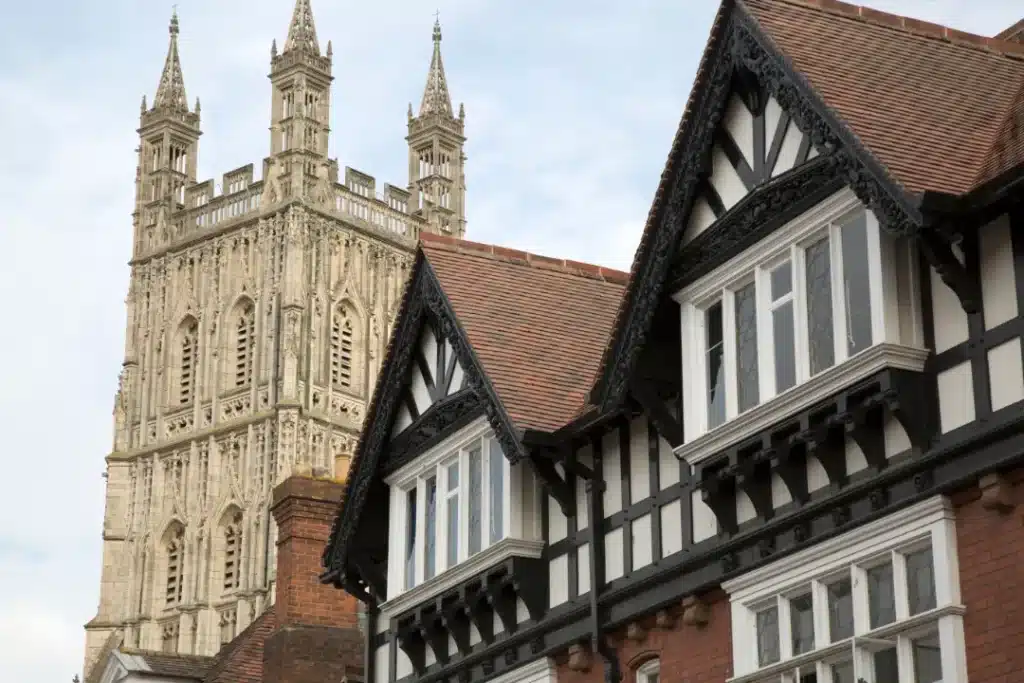
The unique properties of lime mortars are crucial for the structural integrity and long-term preservation of ancient masonry, especially in vulnerable historical buildings.
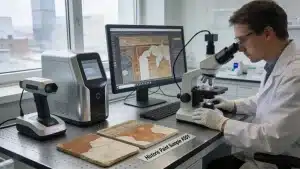
Lime Mortars for Ancient Masonry Restoration & Assessment Historical centers, clusters of masonry buildings form the major part of the world architectural heritage, which has been mainly built in seismic areas. The last earthquakes have put in evidence its vulnerability and the need of assessment. The performance-based demands of recent seismic codes developed for Cultural Heritage require a deep knowledge of mechanical properties of structural materials, and among them the lime mortars play a key role. The drawing of significant samples of structural mortars from existing buildings is not always a simple task, so that the laboratory reproduction of ancient mortars is the best way to obtain reference values for restoration materials fulfilling code requirements. Lime mortars with brick dust and grounded particles for ancient masonry: development and evaluation, G Matias, 2008
How Do 3D Scanning and Digital Twins Enhance Restoration Accuracy?
Modern technologies like 3D scanning and digital twins significantly enhance restoration accuracy. 3D scanning creates detailed digital models of buildings, allowing for precise measurements and assessments.
Digital twins enable real-time monitoring of the building’s condition, facilitating proactive maintenance and informed decision-making during restoration projects.
The scientific community increasingly recognizes the value of advanced surveying techniques like laser scanning for comprehensive cultural heritage conservation and restoration.
Laser Scanning for Cultural Heritage Conservation & Restoration The field of Cultural Heritage has inspired, in the course of last few years, an interest more and more important on behalf of scientific community that deals to survey. The idea that knowledge of a site doesn’t apply only to its history but must necessarily include its characteristics of position, shape and geometry, is gathering pace. In Geomatic science the field of cultural heritage benefits to an integrated approach of techniques and different technologies. Every cultural site in fact, is a case in itself, with its own characteristics, problems and specificness. Current techniques offer opportunity to achieve new ways of representation and visualization of cultural site, with the aim of a better metric description. This techniques are powerful tools for analysis of sites and supports to activity of reconstruction and repair. Biggest expectations in this field is laser three-dimensional scanning technique; a system which is able to operate in a methodical way in Laser scanner survey to cultural heritage conservation and restoration, G Vacca, 2012
How Should You Maintain and Fund Your Restored Heritage Property?
- Regular Maintenance: Keep your brickwork clean and free of debris to prevent organic growth that can cause staining and deterioration. Regular cleaning helps preserve the structural integrity and aesthetic appeal of your property.
- Professional Services: Engage professionals like Environ Restoration Services for tasks such as brick cleaning and repointing. They use safe, eco-friendly methods and have the expertise to ensure quality results, which can save you from costly repairs in the future.
- Appropriate Renovations: When making renovations, choose materials and styles that complement the original architecture to maintain historical integrity while enhancing energy efficiency.
- Funding: While the context does not provide specific funding options, consider budgeting for regular maintenance and restoration work, and explore grants or financial assistance programs for heritage property owners if available. For detailed advice and support, consulting with restoration experts can provide tailored solutions for your property.
What Are Best Practices for Long-Term Heritage Property Maintenance?
- Regular Cleaning: Keep brickwork clean and free of debris to prevent organic growth like moss and algae, which can cause staining and deterioration.
- Professional Assistance: Engage professionals for tasks that require specialized knowledge and equipment, especially for historic structures or stubborn stains.
- Appropriate Materials: Choose suitable materials and styles for renovations to maintain historical integrity while enhancing energy efficiency.
- Understanding Restoration Techniques: Familiarize yourself with old house restoration processes to appreciate craftsmanship and make informed decisions.
- Preventative Measures: Implement preventative measures, such as using gentle cleaning techniques and eco-friendly solutions, to preserve the integrity of the property.
- Repointing Techniques: Use proper repointing techniques to maintain structural integrity and aesthetic charm, avoiding DIY risks that could lead to significant issues.
- Consult Experts: Seek expert advice for tailored maintenance strategies to prolong the life of your property’s features.
Which Grants and Funding Opportunities Are Available for Heritage Restoration?
Funding opportunities for heritage restoration can vary, but property owners should explore options such as government grants, local council funding, and the National Lottery Heritage Fund. These resources can provide financial assistance for restoration projects, helping to alleviate the costs associated with maintaining and preserving heritage properties. Engaging with local heritage organisations can also provide valuable insights into available funding sources and application processes.