Historic building conservation protects more than old walls. It preserves craft, character, and the identity of a place. Here are the core principles that keep period properties authentic and structurally sound, including restoration ethics, traditional materials like lime and timber, and compliance with heritage regulations.
You’ll see how the right approach prevents common failures such as trapped damp, incompatible repairs, and costly enforcement issues. It also explains why expert input matters when buildings age, crack, or decay. Practical methods, regulatory essentials, and real-world examples bring it all together.
What Are The Core Principles Of Historic Building Conservation?
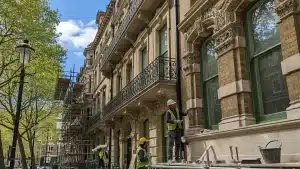
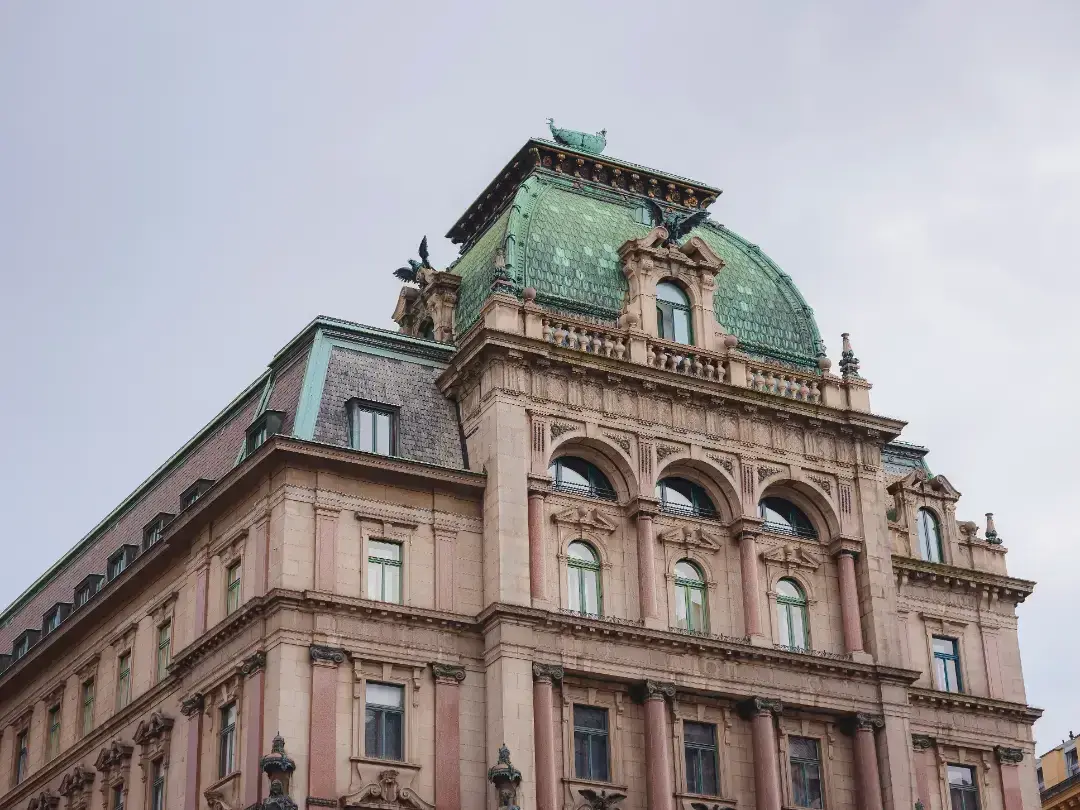
The core principles of historic building conservation revolve around maintaining the authenticity and integrity of heritage structures. These principles guide conservation efforts, ensuring that any restoration work respects the original design, materials, and craftsmanship.
By adhering to these principles, conservationists can preserve not only the physical structure but also the cultural significance it holds within the community. The ethical considerations in restoration practices play a crucial role in determining how interventions are carried out, balancing the need for modern functionality with the preservation of historical value.
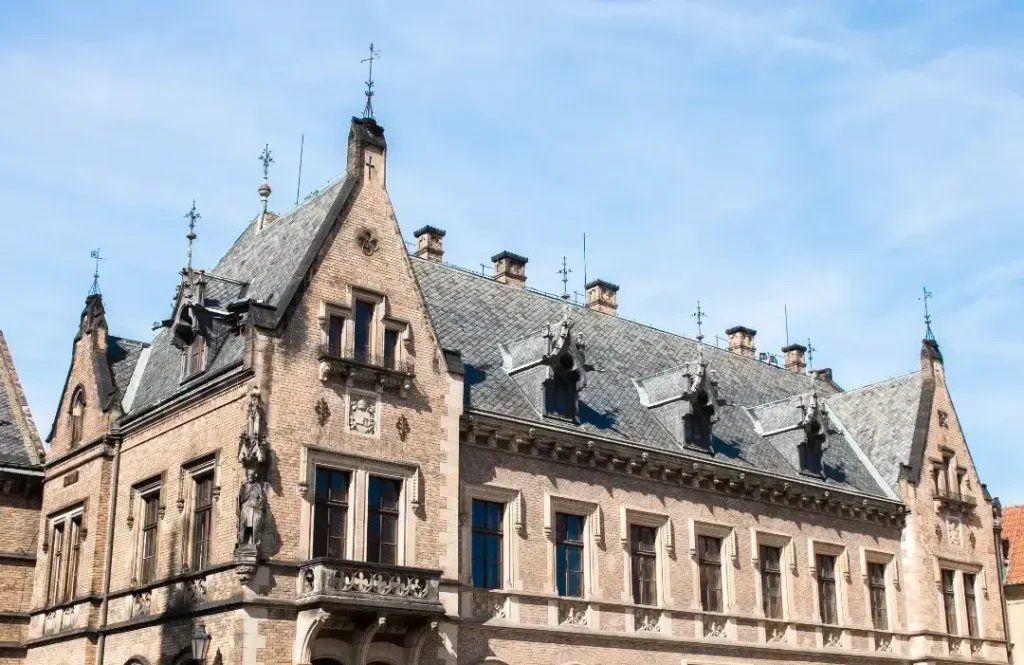
Restoration Ethics In Conservation Practices
Restoration ethics are fundamental to guiding conservation practices, emphasizing the importance of authenticity and integrity in restoration efforts. These ethics dictate that any intervention should be as reversible as possible, allowing future generations the opportunity to make their own decisions regarding the building’s preservation.
For instance, using traditional materials and techniques is often preferred, as it maintains the building’s historical character. Ethical practices also involve thorough documentation of any changes made, ensuring transparency and accountability in the conservation process.
The concept of reversibility is a cornerstone of ethical conservation, helping ensure that interventions do not permanently alter a monument’s historical integrity.
Importance Of Architectural Heritage Preservation
- Protects local identity: Historic buildings act as familiar anchors that shape how a neighborhood “feels” and how residents describe where they live.
- Builds community pride: Landmarks create shared reference points for festivals, daily life, and collective memory, strengthening social connection.
- Keeps cultural history visible: Architecture preserves craftsmanship, design language, and construction methods that written records can’t fully capture.
- Supports education and skills: Restoration work helps keep traditional trades alive (stonework, joinery, lime plastering) and trains new specialists.
- Boosts tourism and footfall: Visitors are drawn to distinctive streetscapes, which benefits cafes, shops, and local services.
- Raises area value: Well-maintained heritage stock often improves neighborhood desirability and can lift surrounding property values.
- Reduces carbon and waste: Reusing existing structures avoids demolition waste and lowers embodied carbon compared to new builds.
- Encourages responsible development: Preservation sets quality standards for new additions, keeping upgrades in harmony with the original character.
Which Traditional Building Materials Are Best For Historic Property Restoration?
Selecting appropriate traditional building materials is essential for effective historic property restoration. Materials such as lime mortar, stone, and timber are often favored due to their compatibility with historic structures and their ability to enhance the building’s longevity.
Each material offers unique benefits that contribute to the overall success of conservation efforts. This helps the restored property retain its historical significance while meeting contemporary standards.
Benefits Of Using Lime Mortar In Masonry Repair
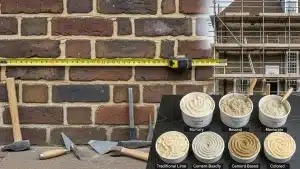
- Lime mortar is preferred in historic masonry because it stays flexible and accommodates natural building movement.
- Its breathability lets trapped moisture escape, reducing damp, salt damage, and brick or stone decay.
- Unlike cement mortar, it’s less likely to crack masonry units or force moisture into the wall fabric.
- It bonds well with traditional materials, so repairs remain compatible with the original construction.
- Lime-based repairs help preserve the authentic look and performance of heritage walls.
- With a correct mix and curing, lime mortar provides durable, repairable joints that age well over time.
Stone And Timber In Authentic Conservation
Stone and timber play vital roles in authentic conservation efforts. Stone, often used in the construction of historic buildings, provides durability and aesthetic appeal, while timber offers warmth and character.
Both materials have historical significance, reflecting the architectural styles and techniques of their time. Their use in restoration preserves the building’s original appearance. It can also support sustainable practices, especially when materials are locally sourced.
How Does Regulatory Compliance Affect Historic Building Conservation?
Regulatory compliance is a critical aspect of historic building conservation, ensuring that restoration projects adhere to established guidelines and standards. Understanding the legal framework surrounding heritage properties is essential for successful conservation efforts.
Compliance with regulations helps protect the historical integrity of buildings while providing a clear pathway for restoration projects.
Listed Building Consent Requirements
Listed building consent is a legal requirement in England for works to a listed building that could affect its special interest. It can apply to alterations, extensions, and demolition. This consent helps ensure that changes are in line with the building’s historical significance and architectural value.
It is essential to obtain this consent before starting any work that requires it. Failure to do so can result in legal repercussions and potential damage to the building’s heritage status.
Heritage Regulations In Restoration Projects
Heritage regulations provide a framework for guiding restoration projects, ensuring that they align with best practices in conservation. These regulations often dictate the types of materials that can be used, the methods of repair, and the overall approach to maintaining the building’s historical character.
By following these guidelines, conservationists can help ensure that their work respects the building’s integrity while also meeting modern safety and accessibility standards.
What Are Effective Maintenance Techniques For Period Properties?
Effective maintenance techniques are crucial for preserving the integrity of period properties. Regular inspections and proactive maintenance can prevent significant deterioration and costly repairs.
Utilizing appropriate materials and techniques during maintenance helps ensure the building remains true to its historical roots. It also supports the needs of modern occupants.
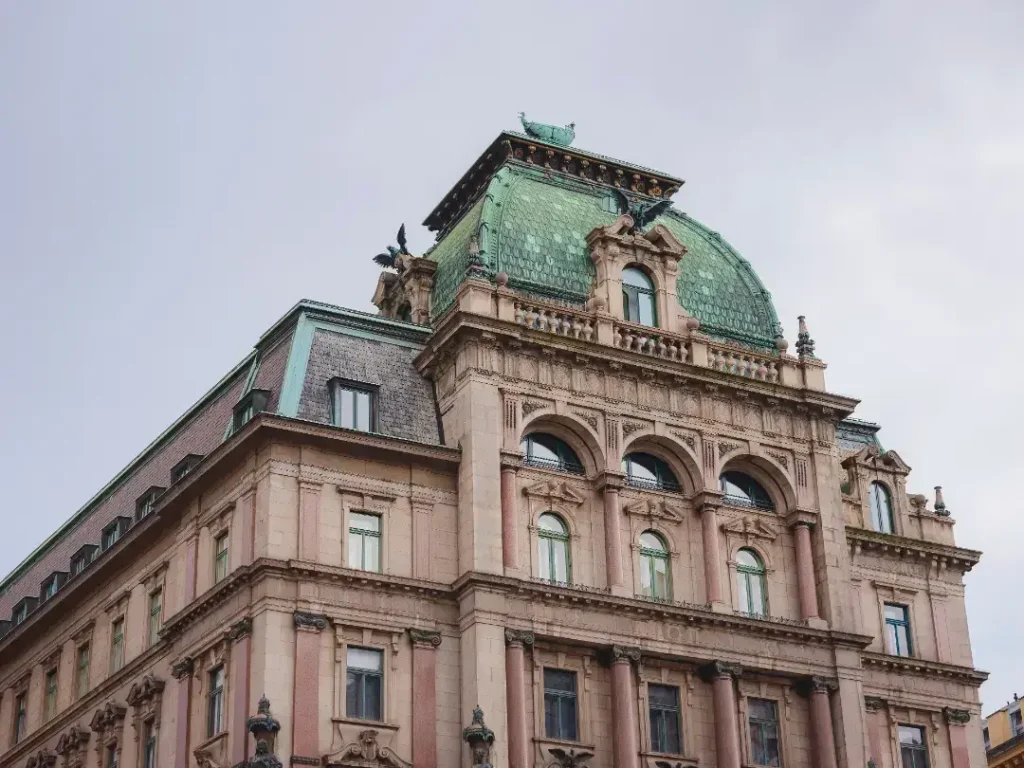
Sustainable Restoration For Longer Lifespan
- Sustainable restoration helps extend the lifespan of historic buildings while protecting their heritage value.
- Eco-friendly materials and low-impact techniques reduce environmental harm without altering character.
- Upgrades like energy-efficient heating, insulation where appropriate, and better ventilation can improve comfort responsibly.
- Sustainable landscaping and drainage improvements can reduce damp risk and protect foundations and masonry.
- These choices can cut waste, lower operating costs, and support long-term building performance.
- Done correctly, sustainability can strengthen heritage properties without compromising authenticity.
Common Heritage Building Maintenance Challenges
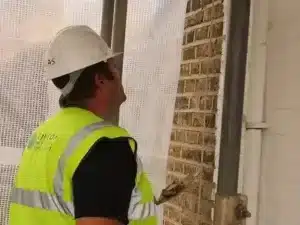
- Heritage building maintenance often needs specialist skills in traditional methods like lime work, stone repair, and timber joinery.
- Finding experienced tradespeople can be difficult, which can increase costs and extend timelines.
- Sourcing like-for-like materials is often challenging, especially for matching brick, stone, timber, and period finishes.
- Modern substitutes can look wrong and perform badly, trapping moisture or stressing old masonry.
- Without the right knowledge and materials, “repairs” can accelerate decay instead of fixing it.
- Knowing these constraints helps plan realistic maintenance strategies that protect long-term building health.
How Do Case Studies And Client Testimonials Demonstrate Successful Conservation?
Case studies and client testimonials provide valuable insights into the effectiveness of conservation practices. They highlight successful restoration projects and the positive impact of expert consultation on achieving desired outcomes.
By examining these examples, conservationists can learn from past experiences and apply best practices to future projects.
Lessons from Recent Restoration Projects
Recent restoration projects offer important lessons in the field of historic building conservation. These projects often showcase innovative approaches to traditional challenges, demonstrating the value of collaboration between conservationists, architects, and local communities.
Key takeaways include the importance of thorough planning, community engagement, and the use of appropriate materials and techniques.
How Environ Restoration Services Supports Historic Building Conservation
Environ Restoration Services specializes in historic building conservation, offering expert solutions that honor the heritage and craftsmanship of period properties. With extensive experience in traditional materials and restoration ethics, Environ ensures that every project maintains the authenticity and structural integrity of heritage buildings.
Our team works closely with clients, heritage bodies, and skilled tradespeople to deliver restoration projects that comply with all regulatory requirements while embracing sustainable practices. From lime mortar repairs to timber conservation, Environ Restoration Services is committed to preserving the cultural significance and beauty of historic structures for future generations.
Whether you are planning a restoration, need advice on maintenance, or require assistance navigating heritage regulations, Environ Restoration Services provides tailored support to meet your conservation goals.
Key Takeaways for Historic Building Conservation
Preserving historic buildings not only safeguards architectural integrity but also enriches community identity and pride. By adhering to restoration ethics and utilizing traditional materials, we can ensure that these structures remain authentic and functional for future generations. Engaging with expert services like Environ Restoration can streamline your conservation efforts and enhance the longevity of your property. Discover how we can assist you in your historic building projects today.
Frequently Asked Questions
What Is The Role Of Community Involvement In Historic Building Conservation?
Community involvement plays a crucial role in historic building conservation by fostering a sense of ownership and pride among residents. Engaging the community in conservation efforts can lead to increased awareness of the historical significance of buildings and promote volunteerism for maintenance projects.
How Can Technology Aid In The Conservation Of Historic Buildings?
Technology can significantly enhance the conservation of historic buildings through advanced tools and methods. For instance, 3D scanning and modeling allow for precise documentation of existing conditions, facilitating accurate restoration planning.
What Are The Financial Implications Of Restoring Historic Properties?
Restoring historic properties can involve substantial financial investment, but it often yields long-term benefits. While initial costs may be higher due to the need for specialized materials and skilled labor, restored buildings can appreciate and attract tourism, generating revenue for the community.
What Are The Ethical Dilemmas Faced In Historic Building Conservation?
Ethical dilemmas in historic building conservation often arise when balancing preservation with modernization. For instance, property owners may wish to incorporate contemporary amenities that could alter the building’s historical character.
Conservationists must navigate these challenges by adhering to restoration ethics, which prioritize authenticity and reversibility.