Does professional brick cleaning include sealing? Often, yes, but not always. While cleaning restores the appearance of your brickwork, sealing adds a protective barrier that keeps bricks looking fresh for longer.
In this article, we’ll explain why sealing matters, the different types of sealers, and how to maintain sealed bricks.
Key Insights on Sealing After Professional Brick Cleaning
- Sealing is an essential step in professional exterior brick cleaning that offers protective benefits, enhances visual appeal, and extends the longevity of brick surfaces.
- Post-cleaning sealing prevents moisture penetration, reduces dirt accumulation, and protects against staining, which simplifies future maintenance and preserves brick aesthetics.
- Choosing the appropriate sealer is critical. Professionals possess the expertise to correctly select and apply brick sealants, ensuring effective protection and avoiding common DIY mistakes.
The Role of Sealing in Professional Brick Cleaning
Sealing is a crucial part of brick maintenance, sometimes offered alongside professional cleaning. Once bricks are meticulously cleaned, sealing offers a protective layer. This barrier enhances the visual appeal, preserving the colour and texture of the bricks, keeping them vibrant for years.
Sealing bricks goes beyond aesthetics; it safeguards surfaces against moisture, dirt, and pollutants. Moisture can wreak havoc on brickwork, leading to spalling and discolouration. By using a sealant designed for bricks, professionals extend the longevity of brick surfaces, preserving both their aesthetic appeal and structural integrity.

Benefits of Sealing Bricks Post-Cleaning
Sealing bricks post-cleaning offers numerous benefits, primarily preventing moisture penetration. When bricks are sealed, they become less susceptible to water ingress, which can cause serious structural damage over time. This barrier against moisture helps maintain brickwork integrity.
Another benefit is the reduced accumulation of dirt and stains. Sealed bricks are easier to clean and maintain since the sealant prevents dirt from embedding in their porous surface. This makes future cleaning efforts less labour-intensive and more effective, preserving the pristine appearance of the brickwork.
Additionally, post-cleaning sealing protects against stains from everyday grime or spills. The sealant makes it easier to clean stains without damaging the bricks. This protection not only enhances the longevity of the brickwork but also ensures that it continues to look its best with minimal maintenance.
Types of Brick Sealers Used by Professionals
Professionals use various types of sealers to suit different needs and conditions. A common type is the water-repellent sealer.
This sealer penetrates deeply, allowing moisture to escape while preventing water penetration. This ensures that the brick remains dry and free from damage caused by trapped moisture.
Breathable brick sealers are another popular choice. They allow moisture to escape while providing excellent water resistance, preventing trapped moisture from causing damage.
This is particularly important for maintaining the structural integrity of the porous nature of the bricks over time, as they remain breathable.
Silicone-based sealers are used for interior brick surfaces because of their durability and flexibility. However, not all sealers are equal. For example, film-forming sealants create a non-breathable layer, trapping moisture and potentially causing damage. Masonry protection cream, providing water repellency for up to 25 years, is a preferred choice for many.
The Professional Brick Cleaning Process: Step-by-Step
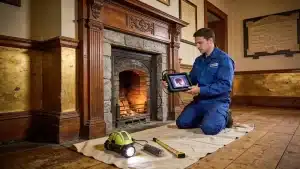
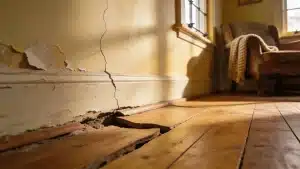
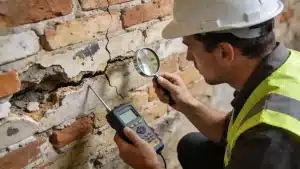
The process of professional brick cleaning services is meticulous and thorough, ensuring every aspect of the brickwork is attended to. It begins with a comprehensive inspection to identify damage such as discolouration, spalling, or cracks.
This step is crucial for planning the cleaning process and ensuring the appropriate methods and solutions are used, including cleaning bricks.
After the inspection, the brick surface is saturated with water to prepare it for cleaning. This prevents the cleaning solution from being absorbed too quickly and ensures a more effective clean. Protective gear, such as gloves and goggles, is worn to prevent irritation from cleaning agents.
Cleaning methods used in expert cleaning services vary depending on the brick condition and type of loose dirt or stains. Soft washing, pressure washing, steam cleaning, and specialised cleaning solutions are commonly used by professionals to remove dirt effectively.
Tougher stains may require stronger cleaning mixtures or specialised cleaning agents for effective cleaning, while gentle methods can also be considered for less severe cases.
After scrubbing, the final step is a thorough rinse with clean water, ensuring the surface is free of cleaning agents before applying a suitable sealer to protect the brickwork. Additionally, it’s essential to allow the surface to dry completely before sealing, as moisture can affect the adhesion of the sealer. For those looking to improve their brick maintenance routine, exploring various brick cleaning techniques and tips can be highly beneficial. By implementing these practices, you can extend the life and appearance of your brickwork, ensuring it remains both beautiful and well-protected. In addition to sealing, regular maintenance will help keep your brick surfaces looking their best. This includes cleaning moss from brick surfaces, which can trap moisture and lead to deterioration if left untreated. By incorporating these additional steps into your routine, you can effectively preserve the integrity and aesthetic of your brickwork for years to come.
Choosing the Right Sealer for Your Brick Surface
Choosing the right sealer for your brick surface is crucial. The type of brick, its location (interior vs. exterior brick walls), and environmental factors all play a significant role in determining the most suitable sealer.
Sealing bricks helps maintain their colour and prevent fading over time, which is especially important for exterior walls.
It also reduces the risk of staining by preventing liquids from penetrating the surface, benefiting both interior and exterior surfaces and maintaining aesthetic appeal. A suitable sealant can also improve thermal efficiency by minimizing water ingress, maintaining insulation properties, and protecting against other substances.
Professional assessment and application are crucial for optimal results. Experts can accurately assess the condition of the brickwork, addressing any underlying issues before sealing, which might be overlooked in a DIY approach.]
How Sealing Enhances Structural Integrity
Sealing bricks enhances both their appearance and structural integrity. Proper sealing enhances durability, extending the lifespan of bricks by blocking moisture and preventing deterioration.
A key benefit of sealing is preventing mould and mildew growth. By reducing moisture absorption, sealing creates an environment less conducive to biological growth, protecting the brickwork. This is particularly important for maintaining the health and safety of the building’s occupants.
Sealing also prevents water from entering the bricks, avoiding frost heave and serious structural harm. Effective sealing preserves essential materials, preventing damage and ensuring long-term protection for the brickwork. In essence, sealing is crucial for preserving the structural integrity and longevity of brick structures.
DIY vs. Professional Brick Sealing: Which Is Better?
Many homeowners debate whether to seal bricks themselves or hire professionals. While DIY methods may seem cost-effective upfront, they often lead to higher expenses later due to inadequate protection and potential damage requiring professional repair, influenced by several factors.
Professional sealing typically ensures longer-lasting protection, potentially exceeding 10 years, compared to DIY sealants that may need more frequent reapplication.
Professionals offer the following advantages:
- They know the right products and methods, leading to safer and more effective results.
- They apply sealants evenly and thoroughly.
- This reduces the risk of streaks or uneven protection common in DIY methods.
Professional sealing also offers longer-lasting solutions, with some products providing protection for over a decade.
Common Mistakes to Avoid When Sealing Bricks
Sealing bricks might seem straightforward, but several common mistakes can compromise its effectiveness. These include applying the sealant unevenly, too thickly, or in unsuitable weather conditions, leading to ineffective sealing.
Proper surface preparation is crucial; neglecting it can lead to unsealed areas or trapped moisture, further damaging the brickwork. Additionally, ensuring that all existing paint, dirt, and contaminants are removed will allow for better adhesion of protective coatings. When undertaking the project, it is vital to keep sandblasting brickwork considerations in mind, as improper techniques can erode the surface and compromise its integrity. Ultimately, a thorough assessment of the condition of the brickwork will guide effective treatment and maintenance strategies.
Common pitfalls when sealing bricks include:
- An incompatible sealant for the specific type of brick is used, as different bricks require different sealants.
- Using the wrong sealant can trap moisture, leading to spalling and deterioration.
- Failing to ensure proper ventilation after sealing which is essential to prevent humidity build-up and further moisture damage.
To avoid these mistakes, seek professional sealing services. Professionals have the expertise to select the right products and apply them correctly, ensuring effective and long-lasting protective barrier protection.
How to Maintain Sealed Brick Surfaces
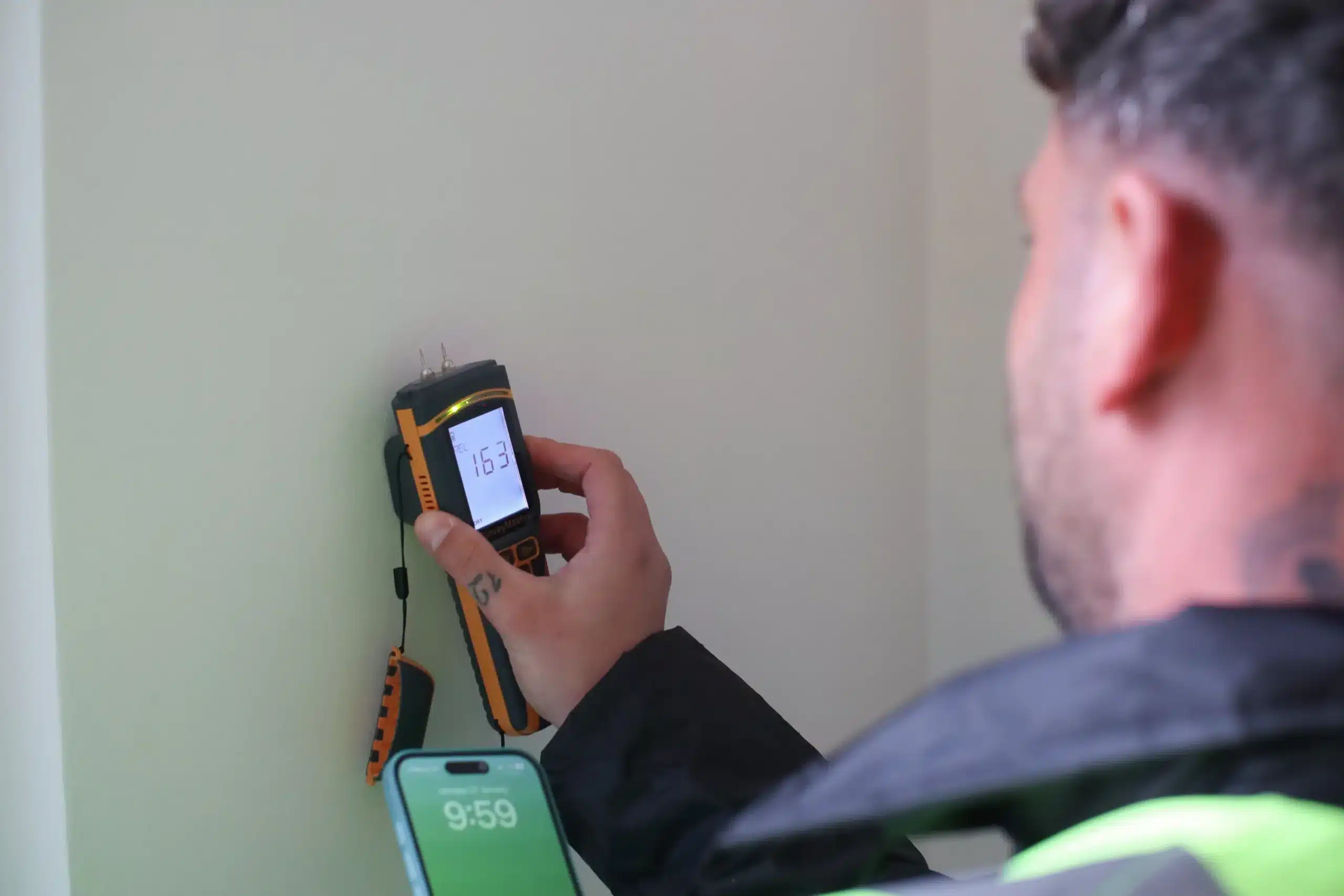
Maintaining sealed brick surfaces ensures ongoing protection against moisture damage, including penetrating damp. Regular maintenance and periodic inspections catch damage early, preventing significant structural issues.
To maintain brick surfaces effectively:
- Regularly clean using gentle cleaning methods, like diluted vinegar, to avoid causing damage.
- Avoid high-pressure washing, as it can strip away the sealant and damage the bricks.
- Reapply sealant every 10 years for effective protection.
A sealed brick surface allows for easier cleaning in the future, reducing maintenance effort. By following these tips, homeowners can ensure their delicate brickwork remains beautiful and protected for years. Proper sealing also helps in preventing stains from penetrating the surface, making it less likely for discoloration to occur over time. In the event that unwanted markings do appear, removing graffiti from brick surfaces can be done more effectively without damaging the underlying material. Regular inspections and prompt attention to any issues will further extend the lifespan of the brickwork. For those dealing with stubborn paint residues, employing effective removing paint from bricks techniques can help restore the original appearance of the surface without compromising its integrity. Additionally, using a gentle pressure washer or a chemical paint stripper designed for masonry can be particularly beneficial. This proactive approach not only enhances the aesthetic appeal but also ensures the brickwork remains in optimal condition.
Environ Restoration Services: Leading Brick Cleaning Experts in London
At Environ Restoration Services, we are proud to be recognised as one of London’s premier specialists in professional brick cleaning services and restoration. With decades of experience, we have worked on everything from heritage properties to modern commercial buildings, ensuring that every brick surface we touch is restored to its full potential.
Our expertise covers the entire process, from delicate cleaning to complex restoration, giving your property not only a renewed appearance but also lasting protection against the elements.
Our team uses a range of specialised techniques, including the innovative Thermatech system, to safely remove dirt, organic growth, and pollutants while preserving the natural integrity of your brickwork.
Whether you need us for a listed building, a residential home, or a commercial façade, we guarantee results that enhance curb appeal and protect your investment.
Commitment to Quality and Reliability
Quality and reliability are the foundation of everything we do at Environ Restoration Services. We understand that your property is one of your most valuable assets, which is why we approach every project with meticulous care and attention to detail.
Our methods are not only effective but also environmentally responsible, ensuring that your brickwork is restored without compromising surrounding structures or the environment.
Clients choose us because we consistently deliver on punctual service, clear communication, and outstanding craftsmanship. From your initial enquiry to the final inspection, our dedicated team ensures a smooth, hassle-free process tailored to your property’s unique needs.
Let our experts restore the beauty of your brickwork and ensure it stands strong for decades to come. Contact us today for a detailed quote.
Frequently Asked Questions
Why is sealing important after brick cleaning?
Sealing after brick cleaning is essential as it creates a protective barrier against moisture, dirt, and pollutants, thereby ensuring the longevity and aesthetic appeal of the bricks.
What types of sealers do professionals use for brick surfaces?
Professionals typically use water-repellent, breathable, silicone-based, and masonry protection creams as sealers for brick surfaces, selecting the appropriate type based on the specific requirements of the brickwork.
Can I seal my bricks myself, or should I hire a professional?
Sealing bricks yourself is feasible, but hiring a professional is often advisable for longer-lasting protection and to avoid potential damage from improper application.
How often should sealed brick surfaces be maintained?
Sealed brick surfaces should ideally be maintained with periodic inspections and sealant reapplication every 10 years to ensure their ongoing protection. Regular maintenance is essential for longevity.
What are common mistakes to avoid when sealing bricks?
To ensure effective sealing of bricks, avoid applying sealant unevenly, using incompatible products, and neglecting proper surface preparation and ventilation. Taking these precautions will enhance the durability and effectiveness of the seal.
Conclusion
Professional brick cleaning and sealing are essential for maintaining the beauty and structural integrity of brickwork. Sealing provides a protective barrier against moisture, dirt, and pollutants, enhancing the longevity of the bricks. Professionals use various types of sealers to suit different needs, ensuring effective protection.
DIY methods might seem appealing, but professional sealing offers longer-lasting results and reduces the risk of damage. Regular maintenance and periodic inspections are crucial to ensure the ongoing effectiveness of the sealant.
By choosing Environ Restoration Services, you can ensure your brickwork remains in pristine condition, preserving its aesthetic appeal and structural integrity for years to come.