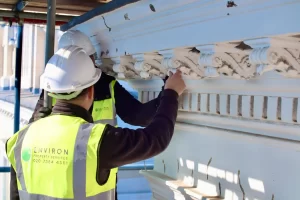
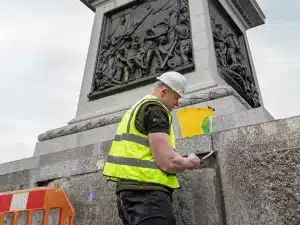
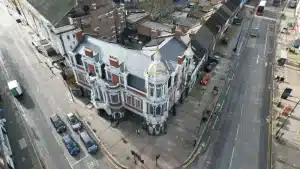
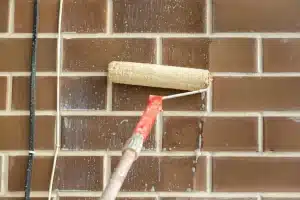
Heritage restoration in London demands a careful balance between preserving historical authenticity and ensuring structural longevity. Traditional building
easy restoration projects, historic building conservation blog, pebbledash removal, how to restoration, restoring a brick fireplace, restoration tips, cost of removing pebbledash, building conservation blogs
Understanding the Importance of Brick Restoration
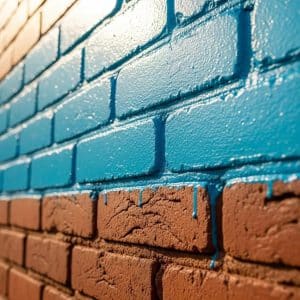
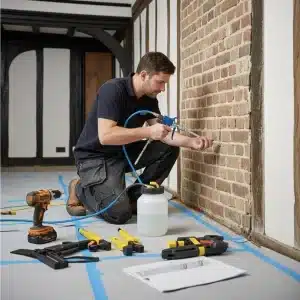
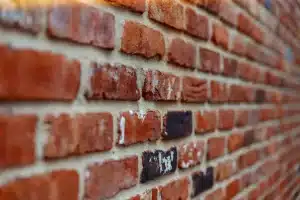
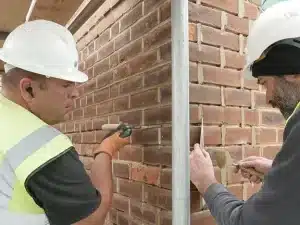
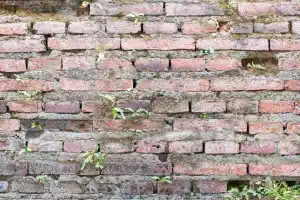
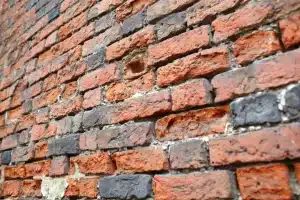
Brick restoration is crucial for maintaining the structural integrity and aesthetic appeal of buildings. Over time, bricks can suffer from wear and tear due to environmental factors, leading to issues such as cracking, spalling, and efflorescence. Understanding the importance of restoration helps homeowners and property managers prioritize maintenance, ensuring long-lasting durability and value.
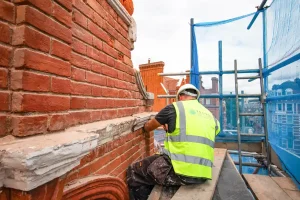
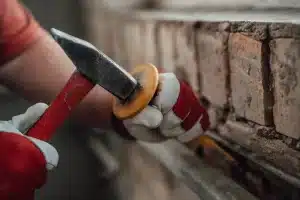
For instance, regular inspections and timely restoration can prevent small issues from escalating into costly repairs. By addressing problems early, such as replacing damaged bricks or repointing mortar joints, property owners can extend the lifespan of their brick structures and preserve their historical significance.
Common Myths About Brick Cleaning
Many homeowners hold misconceptions about brick cleaning that can lead to improper maintenance practices. One common myth is that all cleaning methods are safe for brick surfaces, while in reality, some techniques can cause damage. Understanding these myths is essential for effective and safe cleaning.
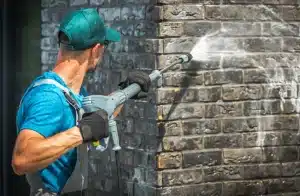
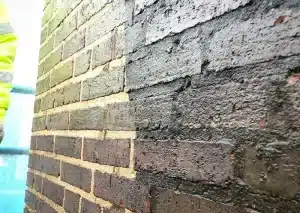
For example, the belief that pressure washing is suitable for all types of brick can be misleading. While it is effective for removing dirt, it can also strip away protective coatings and damage the mortar if not done correctly. Educating homeowners about the right cleaning methods can help preserve the integrity of their brickwork.
Seasonal Maintenance Tips for Brick Structures
Seasonal maintenance is vital to protect brick structures from harsh weather conditions. Each season presents unique challenges that can affect the condition of brickwork, making it essential for homeowners to adapt their maintenance routines accordingly.
In winter, for instance, freezing temperatures can lead to water infiltration and subsequent damage as it expands. Homeowners should inspect their brickwork for cracks or gaps and seal them before the cold sets in. Similarly, summer maintenance might involve cleaning to remove dirt and algae buildup, ensuring that the bricks remain in optimal condition throughout the year.
Innovative Techniques in Brick Restoration
As technology advances, innovative techniques in brick restoration are emerging, offering more effective solutions for preserving and enhancing brick structures. These techniques not only improve the appearance of brickwork but also extend its lifespan significantly.
For example, the use of eco-friendly cleaning agents and advanced repointing materials can enhance the durability of mortar joints while being less harmful to the environment. Additionally, modern restoration methods like laser cleaning allow for precise removal of grime without damaging the underlying brick, showcasing the potential for innovation in the restoration industry.
easy restoration projects, historic building conservation blog, pebbledash removal, how to restoration, restoring a brick fireplace, restoration tips, cost of removing pebbledash, building conservation blogs
Understanding the Importance of Brick Restoration
Brick restoration is crucial for maintaining the structural integrity and aesthetic appeal of buildings. Over time, bricks can suffer from wear and tear due to environmental factors, leading to issues such as cracking, spalling, and efflorescence. Understanding the importance of restoration helps homeowners and property managers prioritize maintenance, ensuring long-lasting durability and value.
For instance, regular inspections and timely restoration can prevent small issues from escalating into costly repairs. By addressing problems early, such as replacing damaged bricks or repointing mortar joints, property owners can extend the lifespan of their brick structures and preserve their historical significance.
Common Myths About Brick Cleaning
Many homeowners hold misconceptions about brick cleaning that can lead to improper maintenance practices. One common myth is that all cleaning methods are safe for brick surfaces, while in reality, some techniques can cause damage. Understanding these myths is essential for effective and safe cleaning.
For example, the belief that pressure washing is suitable for all types of brick can be misleading. While it is effective for removing dirt, it can also strip away protective coatings and damage the mortar if not done correctly. Educating homeowners about the right cleaning methods can help preserve the integrity of their brickwork.
Seasonal Maintenance Tips for Brick Structures
Seasonal maintenance is vital to protect brick structures from harsh weather conditions. Each season presents unique challenges that can affect the condition of brickwork, making it essential for homeowners to adapt their maintenance routines accordingly.
In winter, for instance, freezing temperatures can lead to water infiltration and subsequent damage as it expands. Homeowners should inspect their brickwork for cracks or gaps and seal them before the cold sets in. Similarly, summer maintenance might involve cleaning to remove dirt and algae buildup, ensuring that the bricks remain in optimal condition throughout the year.
Innovative Techniques in Brick Restoration
As technology advances, innovative techniques in brick restoration are emerging, offering more effective solutions for preserving and enhancing brick structures. These techniques not only improve the appearance of brickwork but also extend its lifespan significantly.
For example, the use of eco-friendly cleaning agents and advanced repointing materials can enhance the durability of mortar joints while being less harmful to the environment. Additionally, modern restoration methods like laser cleaning allow for precise removal of grime without damaging the underlying brick, showcasing the potential for innovation in the restoration industry.