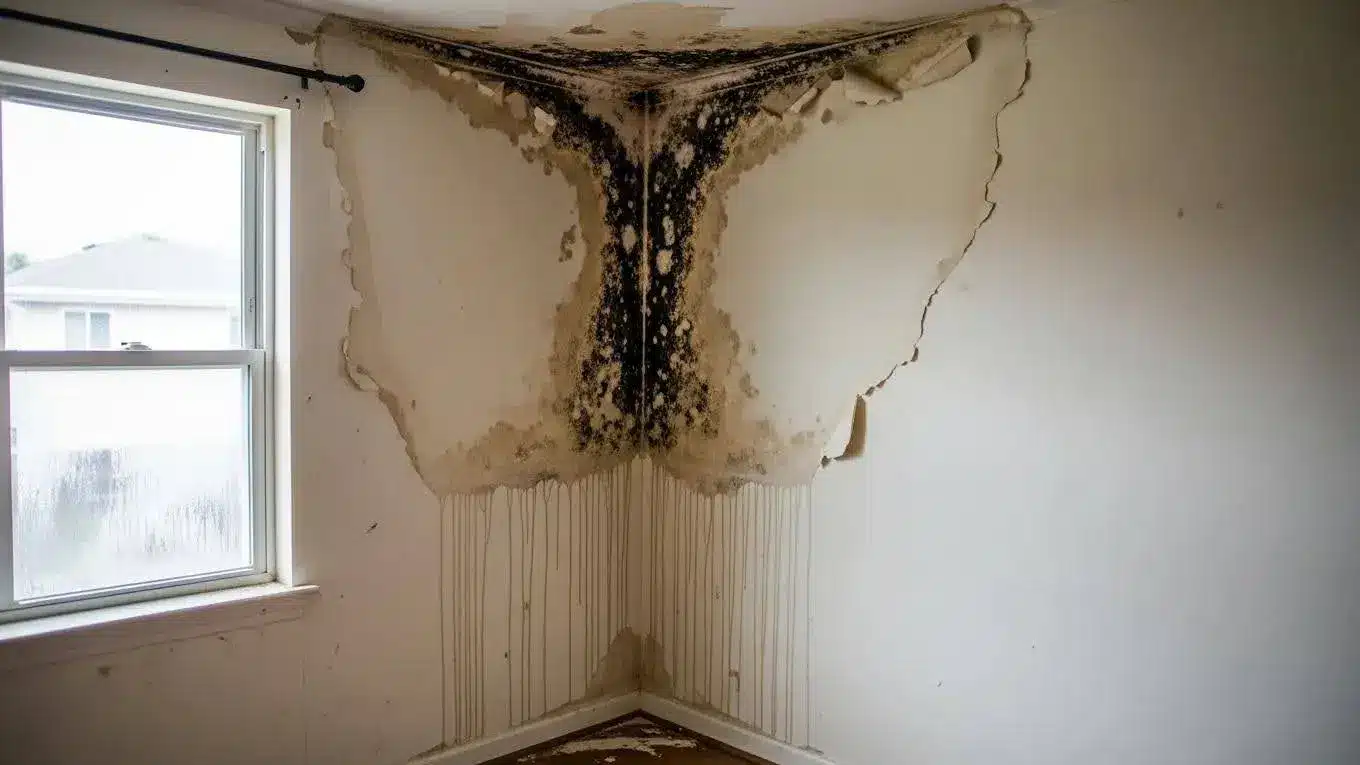
Water ingress is a common, potentially serious problem that can damage structures and harm health. In this guide, we summarise causes, detection, prevention, and repair so property owners and managers can act early. By addressing water ingress proactively, you protect the building fabric and preserve long‑term value.
What Are the Common Causes of Water Ingress in Buildings?
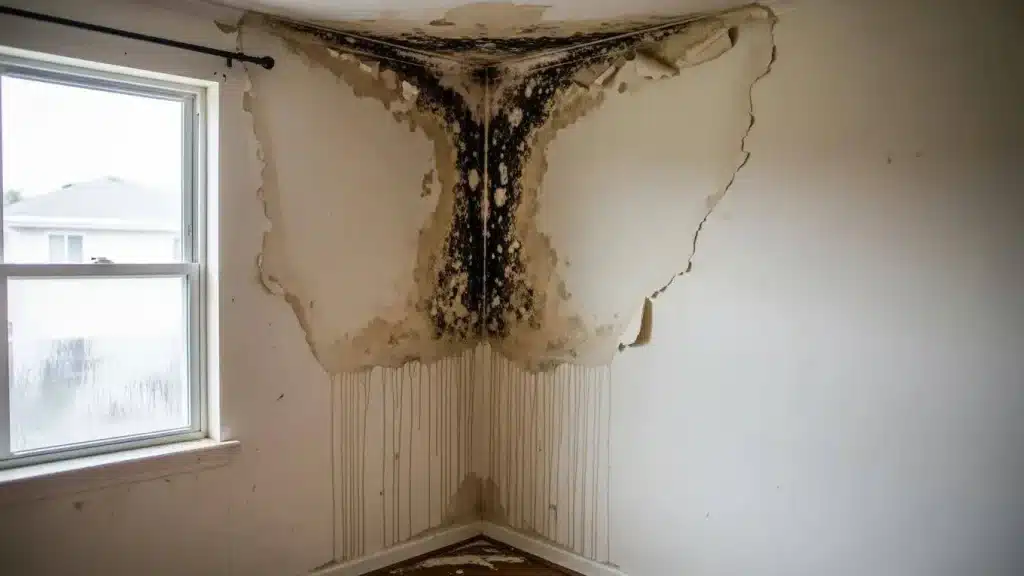
Water ingress can arise from various sources, each requiring specific mitigation strategies:
- Environmental Factors: Heavy rainfall, flooding, and poor site drainage can overwhelm building defenses and cause water to penetrate.
- Construction-Related Issues: Faulty or missing damp-proof courses, inadequate sealing, and poor detailing increase vulnerability to moisture.
- Internal Sources: Plumbing leaks, condensation from daily activities, and inadequate ventilation contribute moisture internally.
How Water Ingress Leads to Structural Dampness
Structural dampness occurs when moisture penetrates walls, floors, or foundations, weakening materials and promoting mould growth. This can lead to fabric deterioration and health hazards. Understanding the type of damp rising, penetrating, or condensation is essential to selecting effective management and repair methods.
Role of Period Properties Play in Water Ingress Risks
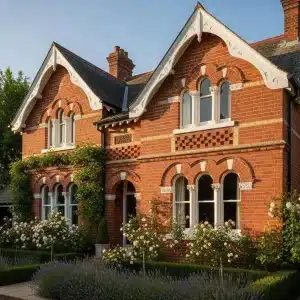
Period properties often face higher water ingress risks due to solid wall construction, lack of modern damp-proofing, and original materials that require breathability. These factors make them more susceptible to moisture damage, necessitating sympathetic maintenance and compatible interventions to preserve historic fabric.
How Can You Detect Early Signs of Water Ingress in Your Property?
Early detection is key to minimizing damage and repair costs. Property owners should look for initial indicators such as damp patches, mould growth, and musty odours. Prompt action based on these signs can prevent more extensive deterioration.
Symptoms Indicate Moisture and Damp Problems
- Damp Patches: Discoloured or wet spots on walls, ceilings, or floors.
- Mould Growth: Black or green mould in corners, around windows, or poorly ventilated areas.
- Musty Odours: Persistent smells indicating trapped moisture.
- Peeling Paint or Wallpaper: Signs of moisture behind surface finishes.
- Warped or Rotting Wood: Timber affected by prolonged dampness.
Assessment Methods Are Used for Water Ingress Detection
Professional assessment methods include:
- Visual Inspection: Identifying visible signs of damp and damage.
- Moisture Meters: Measuring moisture levels within walls and materials.
- Thermal Imaging: Detecting temperature variations that indicate moisture presence.
- Hygrometer Readings: Monitoring humidity levels inside the property.
- Leak Detection Equipment: Locating hidden plumbing leaks or water ingress points.
How Can You Prevent Water Ingress and Use Damp Proofing Techniques Effectively?
Preventing water ingress involves combining structural solutions with regular maintenance tailored to the building’s characteristics:
- Damp Proof Courses (DPC): Barriers or treatments used in walls to help manage rising damp.
- Chemical Damp Proofing: Injection of moisture-repellent chemicals into walls to create a barrier.
- Surface Treatments: Application of suitable external coatings or renders to reduce water penetration.
- Proper Drainage: Ensuring gutters, downpipes, and ground levels direct water away from the building.
- Ventilation Improvements: Enhancing airflow to reduce condensation risks.
Consulting specialists like Environ Restoration Services helps match prevention methods to each property’s needs, including heritage considerations.
How Damp Proofing Prevents Water Ingress
Damp proofing works by establishing barriers that block moisture transfer into building materials. These barriers can be physical membranes, chemical treatments, or surface coatings. Selecting the appropriate method based on construction type and moisture source supports effective, long-term protection.
Moisture Barrier Solutions Are Recommended for Period Properties
For historic buildings, moisture barriers must be compatible with original materials and preserve breathability to avoid trapping moisture:
- Damp Proof Membranes: Can help manage capillary rise in older solid walls where suitable.
- Damp Proof Courses: Essential for preventing capillary rise in older solid walls.
- Bituminous Coatings: Applied externally where appropriate to add a protective layer against moisture penetration.
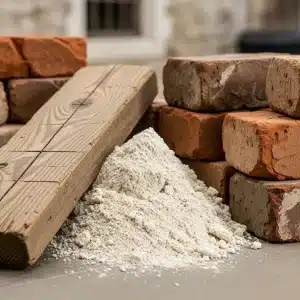
- Breathable Lime-Based Renders: Allow moisture to escape while protecting walls.
How Should You Approach Repairing the Effects of Water Ingress on Your Building?
Effective repairs target both the moisture source and the damage caused to restore building integrity and prevent recurrence:
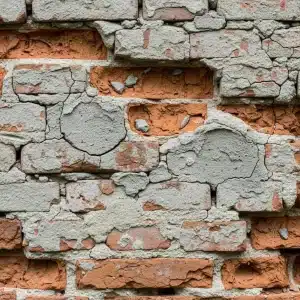
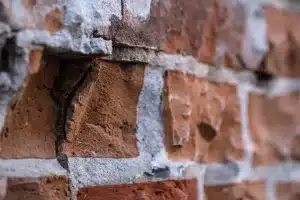
- Masonry Repair: Repointing, replacing damaged bricks or stones, and sealing cracks to block water entry.
- Wood Restoration: Treating and repairing timber affected by damp to prevent rot and structural failure.
- Damp Treatment: Applying specialised treatments after identifying the moisture source to reduce damp and mould risks.
- Replastering with Breathable Materials: Using lime plaster or similar to allow walls to dry out.
Environ Restoration Services offers tailored repair programmes addressing both causes and symptoms to support practical, lasting property repairs.
Structural Repairs Restore Water-Damaged Properties
Structural repairs focus on restoring the building’s fabric and preventing further water ingress:
- Foundation Repairs: Addressing subsidence or cracks that allow water penetration.
- Wall Rebuilding or Reinforcement: Replacing or strengthening damaged masonry.
- Roof Repairs: Fixing leaks, replacing damaged tiles or flashing to prevent water entry.
- Drainage System Upgrades: Installing or repairing gutters, downpipes, and drainage to divert water away.
How Restoration Services Tailor Solutions Specifically for Your Historical Building
Restoration of historic buildings requires methods that respect original materials and construction techniques. Specialists use traditional materials and approaches where appropriate, supporting compliance with preservation guidelines. This careful balance protects heritage value while effectively resolving moisture problems.
Restoration services also consider the building’s breathability, avoiding impermeable barriers that could trap moisture and cause further damage. Regular maintenance and monitoring are integral to long-term preservation.
Why Choose Environ Restoration Services?
At Environ Restoration Services, we specialise in comprehensive damp proofing and restoration services in London. We understand the complexities involved in protecting and restoring buildings, whether modern or historic.
Our team is dedicated to providing expert assessments, tailored prevention strategies, and effective repair programmes that address both the causes and symptoms of moisture problems.
We pride ourselves on using methods and materials that respect the unique characteristics of each property. For period and historic buildings, we aim to use interventions that support breathability and preserve original fabric, aligning with conservation best practices.
Frequently Asked Questions
What are the health risks associated with water ingress?
Water ingress can lead to various health risks, primarily due to mould growth and structural deterioration. Mould spores can trigger respiratory issues, allergies, and related symptoms, particularly in vulnerable populations such as children and the elderly. Additionally, prolonged exposure to damp environments can worsen asthma symptoms and other respiratory problems. It’s crucial to address water ingress promptly to mitigate these health risks and support a safe living environment.
How can I prevent water ingress in my home?
Preventing water ingress involves a combination of proactive measures. Start by ensuring proper drainage around your property, including well-maintained gutters and downpipes. Regularly inspect and repair any cracks in walls or foundations. Suitable damp proofing measures and compatible external treatments can also help. Additionally, improving ventilation in areas prone to condensation, such as bathrooms and kitchens, is essential to reduce moisture build-up and damp risk.
What should I do if I suspect water ingress in my property?
If you suspect water ingress, it’s important to act quickly. Begin by identifying visible signs such as damp patches, mould, or musty odours. Conduct a thorough inspection of your property, focusing on areas prone to moisture. If necessary, consult a professional for a detailed assessment using moisture meters or thermal imaging. Address any identified issues immediately to prevent further damage and consider implementing preventive measures to avoid recurrence.
Are there specific materials recommended for repairing water-damaged areas?
Yes, when repairing water-damaged areas, it’s essential to use materials that are suitable for the specific conditions. For masonry, breathable materials like lime plaster are recommended as they allow moisture to escape while providing protection. For wood, treated timber can help prevent rot. Additionally, compatible moisture-resistant paints and coatings can help protect surfaces from future dampness. Always consult with a restoration specialist to choose the best materials for your specific situation.