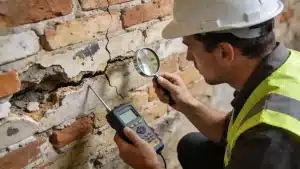
Understanding building restoration terminology helps property owners, especially those responsible for heritage and period buildings, make informed decisions and communicate clearly with conservation professionals. In this guide, we define core terms, common materials, and standard processes so you can plan and manage restoration work with confidence.
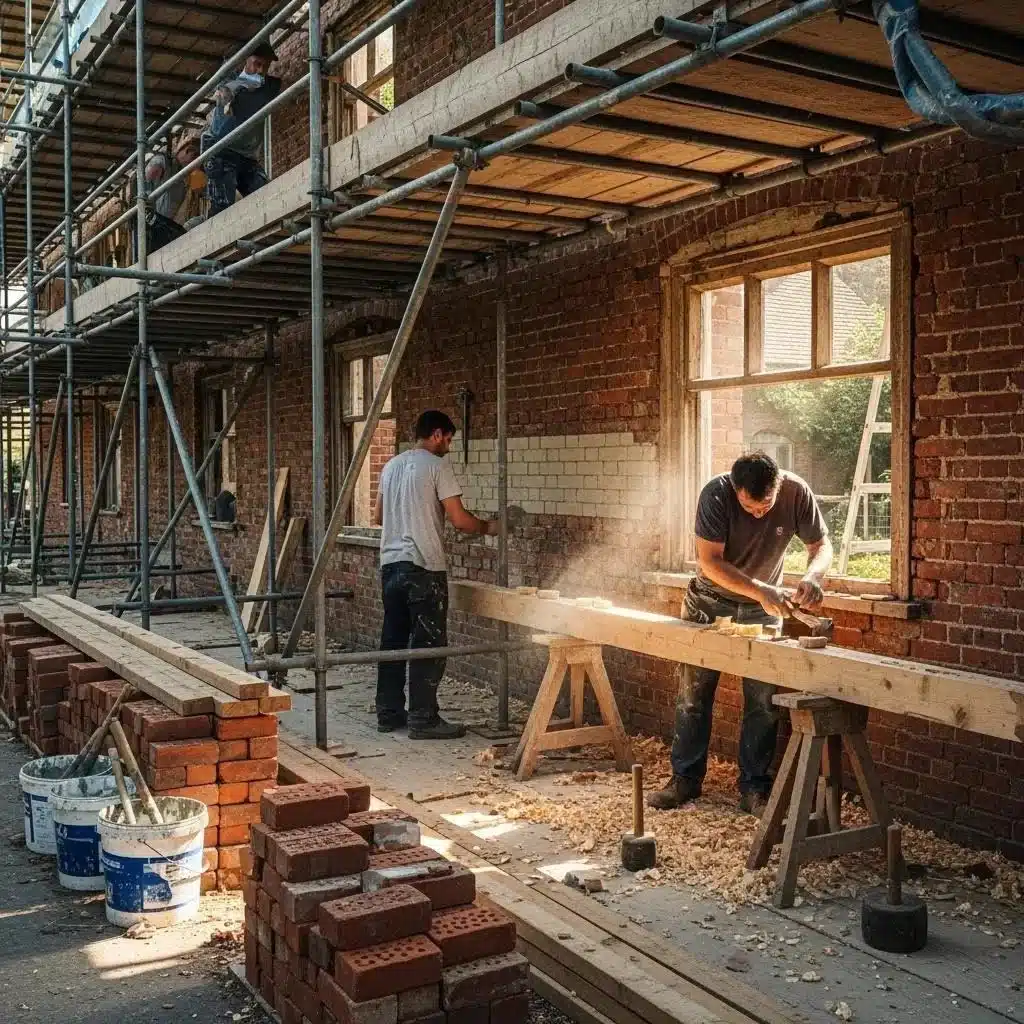
What Are the Key Heritage Building Terms Every Property Owner Should Know?
Learning core heritage terms helps you navigate regulations and set appropriate conservation standards. The entries below are the baseline vocabulary for any restoration project.
- Listed Building Consent: Consent is required for alterations to listed buildings to protect their historic value.
- Heritage Regulations: Rules and guidance that govern preservation and acceptable interventions on heritage properties.
- Restoration vs. Renovation: Restoration returns fabric to an original state; renovation adapts a building for a new use.
Environ Restoration Services, a specialist in “property restoration” and maintenance, can assist homeowners with restoration and refurbishment work on traditional buildings.
Architectural Elements Define Heritage Properties

Architectural elements, such as façades, roofs, windows, and doors, give a heritage property its character. Preserving these features with appropriate materials and sympathetic techniques maintains architectural integrity and public value.
Traditional Materials Common in Period Property Restoration
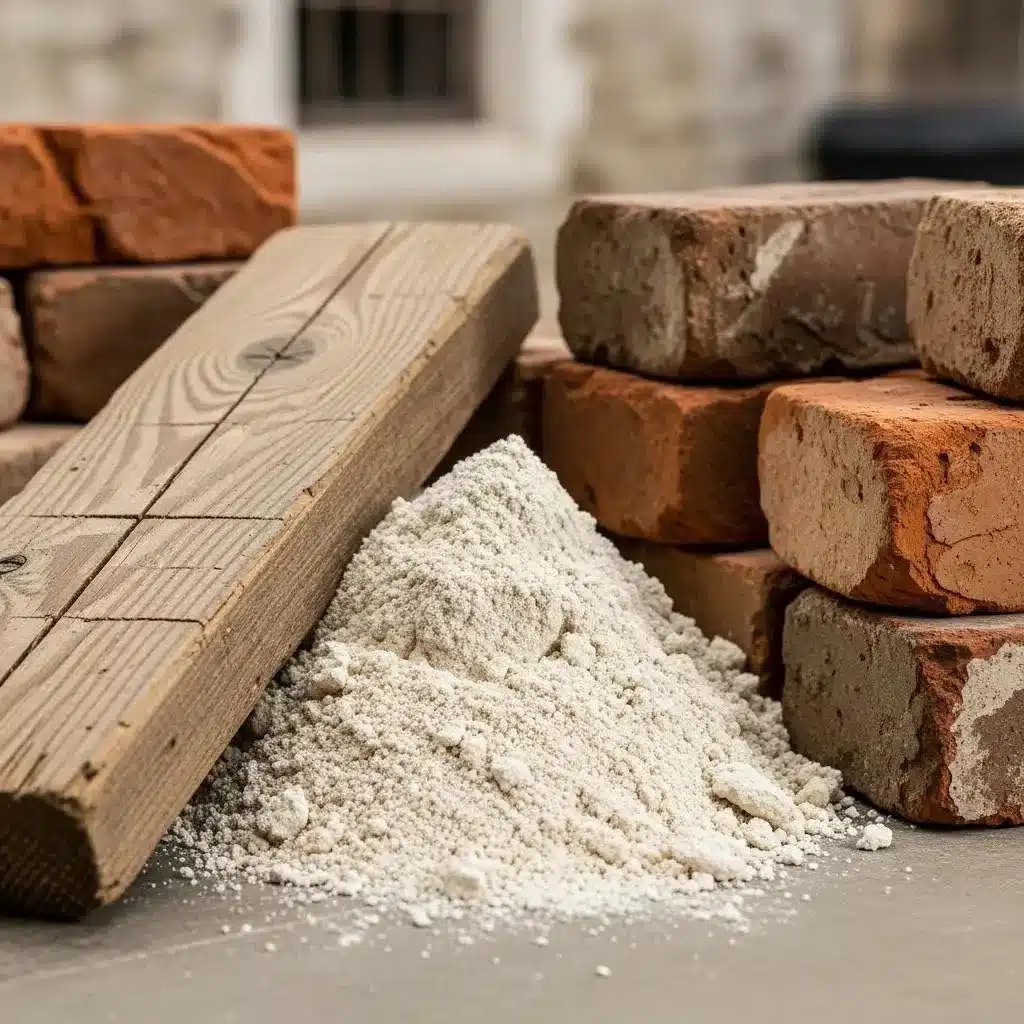
Authentic materials are central to conserving appearance and performance. Common choices include:
- Lime Mortar: Breathable, flexible binder for pointing and plaster.
- Timber: Used for structural framing and decorative joinery.
- Brickwork: Traditional bricks and bonding patterns for walls and façades.
| Material | Characteristics | Common Uses |
|---|---|---|
| Lime Mortar | Breathable, flexible | Pointing, plastering |
| Timber | Durable, aesthetically pleasing | Framing, windows, doors |
| Brickwork | Strong, traditional appearance | Walls, façades |
These materials support a historic property’s appearance while helping to manage moisture and movement in older structures.
How Is Restoration Terminology Applied in Conservation and Repair Processes?
Clear terminology ensures repairs meet conservation standards and client expectations. Key principles include:
- Use of Traditional Materials: Match originals where possible to avoid incompatibility.
- Compliance with Heritage Regulations: Follow statutory requirements and local guidance.
- Bespoke Restoration Plans: Tailor interventions to the property’s fabric and significance.
Using consistent terms lets you set clear briefs and verify that work follows agreed conservation approaches.
Main Conservation Techniques Used in Building Restoration
Conservation uses established methods to protect historic fabric. Common techniques are:
- Traditional Building Methods: Repairing using historically appropriate techniques and materials.
- Repointing: Renewing mortar joints to protect masonry and shed water.
- Sustainable Practices: Choosing materials and methods that reduce environmental impact while respecting the building.
Applied correctly, these approaches preserve character and improve longevity.
Restoration Processes Ensure Long-Term Property Maintenance
Good restoration plans build in long-term care. Core strategies include:
- Regular Inspections: Identify issues early and avoid escalation.
- Proactive Maintenance: Scheduled work tailored to the building’s needs.
- Use of Appropriate Materials: Select compatible materials to prevent future damage.
These measures protect value and reduce the need for major interventions later.
Which Terms Describe Traditional Building Materials and Their Uses?
Key material terms to know:
- Lime Mortar: Suitable for historic masonry due to breathability.
- Timber: Used where traditional joinery and structure are present.
- Brickwork: Maintains structural and aesthetic character.
Recognising these materials helps ensure sensitive repair and correct specification.
Lime Mortar and Its Importance in Heritage Restoration
Lime mortar is a traditional mix of lime, sand, and water. It remains important because it is flexible and breathable, allowing moisture to evaporate and accommodating minor movement without cracking. These properties make lime mortar widely preferred for conserving historic masonry.
Authentic Materials Impact Restoration Quality and Safety
Using materials that match the original reduces incompatibility and future deterioration. Authentic components support structural performance, maintain historical accuracy, and improve the long-term durability of repairs.
Why Choose Environ Restoration Services?
At Environ Restoration Services, we specialise in comprehensive property restoration in London and environs, with a strong focus on heritage and period buildings. We understand the importance of using traditional materials and techniques to preserve the architectural integrity and historical significance of your property. Our team works closely with homeowners to interpret complex heritage regulations and ensure all restoration work complies with statutory requirements.
We pride ourselves on creating bespoke restoration plans tailored to each property’s unique fabric and significance. By matching original materials such as lime mortar, timber, and brickwork, we help maintain the authentic appearance and structural performance of historic buildings. Our commitment to sustainable practices also ensures that our restoration methods reduce environmental impact while respecting the building’s heritage.
Frequently Asked Questions
What are the benefits of using traditional materials in building restoration?
Using traditional materials in building restoration offers several benefits, including enhanced compatibility with existing structures, improved aesthetic continuity, and better moisture management. Materials like lime mortar and timber are designed to work with the natural movement of older buildings, reducing the risk of damage. Additionally, traditional materials often have a proven track record of durability and performance, ensuring that restorations not only look authentic but also stand the test of time, preserving the building’s historical value.
How can homeowners ensure compliance with heritage regulations during restoration?
Homeowners can ensure compliance with heritage regulations by thoroughly researching local laws and guidelines related to building conservation. Engaging with conservation professionals or heritage consultants can provide valuable insights into the specific requirements for their property. Additionally, obtaining the necessary permits, adhering to approved restoration methods, and using appropriate materials are crucial steps. Regular communication with local heritage authorities can also help clarify any uncertainties and ensure that the restoration process aligns with preservation standards.
What role do inspections play in the restoration process?
Inspections play a critical role in the restoration process by identifying potential issues early, allowing for timely interventions. Regular inspections help assess the condition of materials, structural integrity, and overall building health. This proactive approach can prevent minor problems from escalating into major repairs, ultimately saving time and costs. Inspections also ensure that restoration work adheres to conservation standards, maintaining the building’s historical significance while ensuring its longevity and safety for future use.
What is the difference between restoration and rehabilitation in building conservation?
Restoration and rehabilitation are two distinct approaches in building conservation. Restoration focuses on returning a building to its original state, using historical materials and techniques to preserve its authenticity. In contrast, rehabilitation allows for alterations and updates to accommodate modern needs while still respecting the building’s historical character. This approach may involve upgrading systems or making functional changes, ensuring the building remains usable without compromising its heritage value. Understanding this difference is essential for property owners planning conservation projects.