Preserving historic and period properties requires precise stone repair and carving to restore appearance and secure structural performance.
Today, this guide summarises traditional craftsmanship and modern tools, material selection, conservation principles, and regulatory considerations for owners and practitioners planning masonry repair.
Understanding the nuances of stone types, environmental impacts, and the integration of new technologies is essential for achieving restorations that are both authentic and durable.
What Key Stone Restoration Techniques Should You Use for Your Period Property?
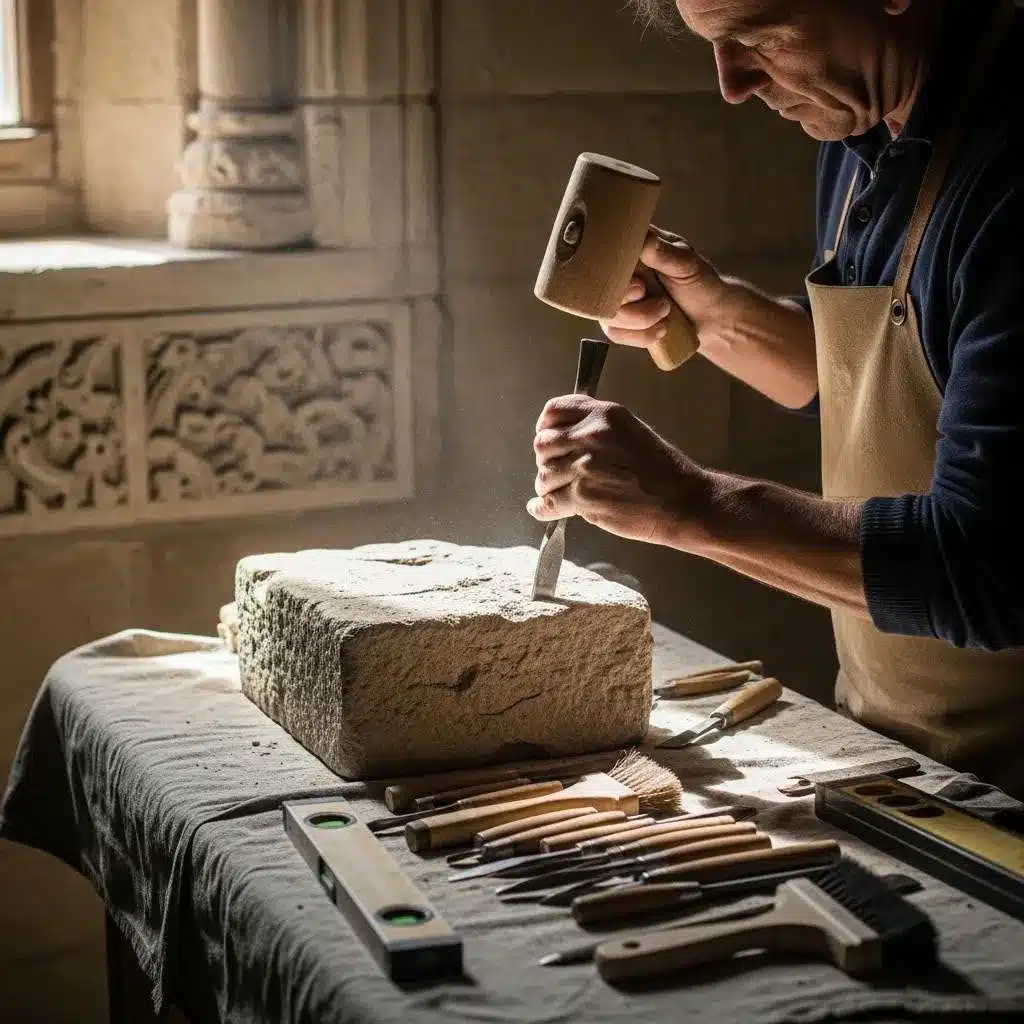
Key approaches often used together include:
- Dry Stone Walling: Traditional mortar-free construction where suitable, allowing natural movement and drainage while maintaining structural integrity.
- Ashlar Masonry: Precisely cut stones for uniform, high-quality façades that replicate original craftsmanship and enhance aesthetic appeal.
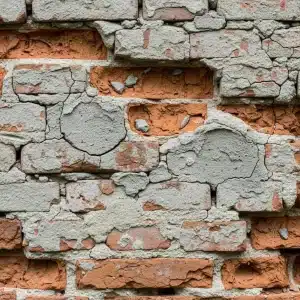
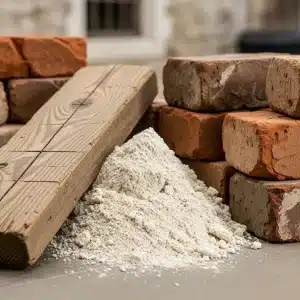
- Repointing Techniques: Correct mortar selection and execution to prevent moisture ingress, using lime-based mortars compatible with historic materials to avoid damage.
Applied appropriately, these methods preserve character while restoring function, ensuring that the building’s heritage value is maintained for future generations.
How Should You Adapt Repair Methods Based on Stone Types Like Limestone and Granite?
Match methods to material: softer limestones need gentler cleaning and lime mortars; hard stones like granite require tougher cutting tools and different fixing methods. Choosing compatible techniques reduces the risk of damage.
For example, limestone’s porosity demands careful moisture management, while granite’s hardness necessitates specialized diamond-tipped tools. Understanding these differences helps tailor interventions that respect the stone’s natural properties and longevity.
Benefits of Combining Traditional Craftsmanship with Modern Technology
Integrating skilled handwork with modern tools improves accuracy, efficiency, and sustainability:
- Precision: Digital measurement refines hand-carving and replacements, allowing for exact replication of intricate details.
- Efficiency: Technology speeds surveying and replication, reducing project timelines without compromising quality.
- Sustainability: Better material selection and reduced waste through precise cutting and planning, minimizing environmental impact.
This synergy between old and new techniques fosters restorations that honor historical methods while embracing innovation.
Which Tools and Materials Do You Need for Effective Stone Masonry Repair?
Common essentials include:
- Chisels and Mallets: For hand dressing and fine work, allowing artisans to shape stone with control and subtlety.
- Diamond Saws: For accurate cutting of hard stones, enabling clean edges and minimal material loss.
- Pneumatic Chisels: For larger removal tasks where hand tools are impractical, increasing productivity on substantial repairs.
Select tools to match the stone and the scale of the job to ensure clean, durable results. Additionally, protective equipment and dust control measures are vital for safety and environmental compliance during restoration work.
Specialized Tools Will Help You with Heritage Stone Carving and Repair
Specialist carving and restoration rely on fine chisels, mallets, diamond cutting equipment, and, where appropriate, pneumatic tools, each used with techniques that preserve historic detail.
Tools such as rasps, rifflers, and specialized drills enable detailed sculpting and delicate repairs, while laser scanning and 3D printing technologies assist in replicating complex motifs with high fidelity.
The Sustainable Materials Improve Your Stone Conservation Methods
Using locally sourced, low-impact materials reduces carbon footprint and supports long-term compatibility with the original fabric, helping preserve appearance and performance.
Sustainable practices include selecting lime-based mortars over cement, recycling stone fragments, and employing eco-friendly cleaning agents. These choices not only protect the environment but also ensure that repairs age harmoniously with existing materials.
What Can You Learn from Proven Case Studies Demonstrating Successful Stone Repair and Carving?
Case studies often show that combining hand dressing with controlled cleaning can improve both appearance and structural performance. In some projects, 3D scanning can help replicate intricate carvings lost to weathering, enabling precise stone replacements that reflect the original craftsmanship.
These examples highlight the importance of thorough assessment, skilled labor, and appropriate technology in achieving lasting results.
Advanced Techniques Helped You Restore Historical Stonework Effectively
3D scanning and digital modelling allow tailored repair plans; poulticing and steam cleaning remove contaminants safely, and combined methods produce well-documented, conservative restorations.
Laser cleaning techniques can also be employed to delicately remove pollutants without abrasion. These advances facilitate interventions that are both minimally invasive and highly accurate, preserving the stone’s integrity and historical significance.
Cost Factors You Should Consider for Your Stone Restoration Project
Typical cost drivers are:
- Material Costs: Stone and mortar quality and availability, including sourcing rare or matching historic materials.
- Labour Expenses: Skilled conservation labour commands higher rates due to specialized expertise and slower, careful work.
- Unforeseen Costs: Hidden defects or structural work discovered during repair, such as subsurface damage or previous incompatible repairs requiring correction.
Allow contingency in budgets to manage unknowns and achieve lasting results. Additionally, investing in quality restoration can enhance property value and reduce future maintenance expenses.
Environ Restoration Services: Heritage Stonework Experts Committed to Excellence
At Environ Restoration Services, we specialize in expert stone repair and heritage restoration, combining traditional craftsmanship with the latest technology to deliver outstanding results. Our team is dedicated to preserving the historical and structural integrity of period properties while ensuring sustainable and compliant restoration practices.
We work closely with property owners, conservation officers, and regulatory bodies to provide tailored solutions that respect the unique characteristics of each stonework project.
Our services include detailed condition assessments, precise stone carving and replacement, mortar analysis and repointing, as well as advanced cleaning and conservation techniques.
With a commitment to quality, safety, and environmental responsibility, Environ Restoration Services is your trusted partner for maintaining and restoring heritage stonework to its original beauty and durability.
Frequently Asked Questions
What qualifications should a stone restoration professional have?
A qualified stone restoration professional typically holds certifications in masonry or conservation, along with hands-on experience in historical restoration. They should be familiar with various stone types, repair techniques, and conservation standards. Additionally, knowledge of local regulations and heritage conservation practices is crucial. Many professionals also participate in ongoing education to stay updated on the latest tools and methods in the field, ensuring they can deliver high-quality, compliant restoration work. Membership in professional bodies such as the Stone Federation or the Institute of Conservation can also indicate recognized expertise.
How can property owners maintain restored stonework?
Maintaining restored stonework involves regular inspections and cleaning to prevent deterioration. Property owners should ensure that drainage systems are functioning properly to avoid moisture buildup, which can damage stone. Using appropriate cleaning methods, such as gentle washing with water and non-abrasive brushes, is essential. Additionally, protective sealants should only be used where they are suitable for the stone and conservation approach. Engaging a professional for periodic assessments can also help identify potential issues before they escalate. Seasonal maintenance and prompt attention to minor damage can significantly extend the lifespan of restored stonework.
What are the environmental impacts of stone restoration?
Stone restoration can have both positive and negative environmental impacts. On the positive side, using sustainable materials and techniques can reduce carbon footprints and promote local economies. However, the extraction and transportation of stone can contribute to environmental degradation. To mitigate these impacts, restoration projects should prioritize locally sourced materials and eco-friendly practices, such as minimizing waste and using energy-efficient tools. This approach not only benefits the environment but also enhances the longevity of the restoration work. Additionally, preserving existing stonework reduces the need for new materials, further lowering environmental costs.
What is the role of technology in modern stone restoration?
Technology plays a significant role in modern stone restoration by enhancing precision and efficiency. Tools like 3D scanning and digital modeling allow for accurate assessments and tailored repair plans. Advanced cleaning methods, such as steam cleaning and poulticing, help remove contaminants without damaging the stone. Additionally, technology aids in documenting restoration processes, ensuring compliance with heritage standards. By integrating technology with traditional craftsmanship, restorers can achieve superior results while preserving historical integrity. Emerging innovations, such as augmented reality for on-site visualization and drone surveys for difficult-to-access areas, are further expanding the capabilities of conservation professionals.