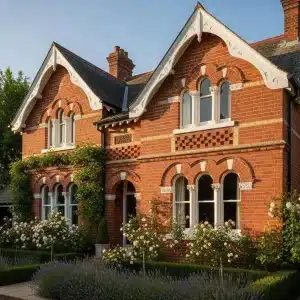
Preserving the exterior of London period homes protects their character and structural soundness. In this practical checklist, we focus on key winter damp controls and summer façade care tailored to period construction. Homeowners will find guidance on winter damp solutions, prevention steps, summer maintenance, and routine gutter and roof inspections.
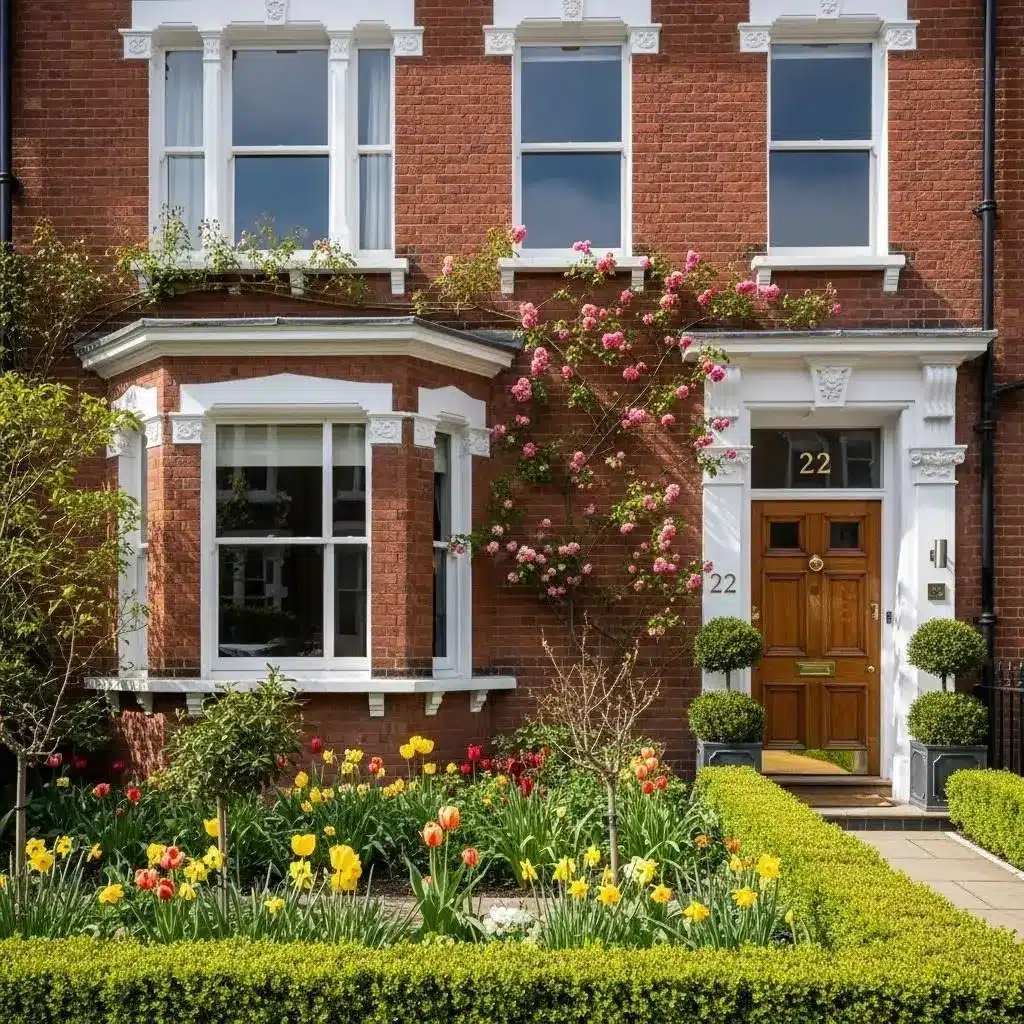
How Can Winter Damp Solutions Protect Your London Home?
Targeted winter damp measures limit moisture entry and prevent progressive decay. Sealing entry points and improving ventilation keeps surfaces dry, preserves structural fabric and reduces mould risk. Correctly applied, these controls sustain habitability and cut long-term repair costs.
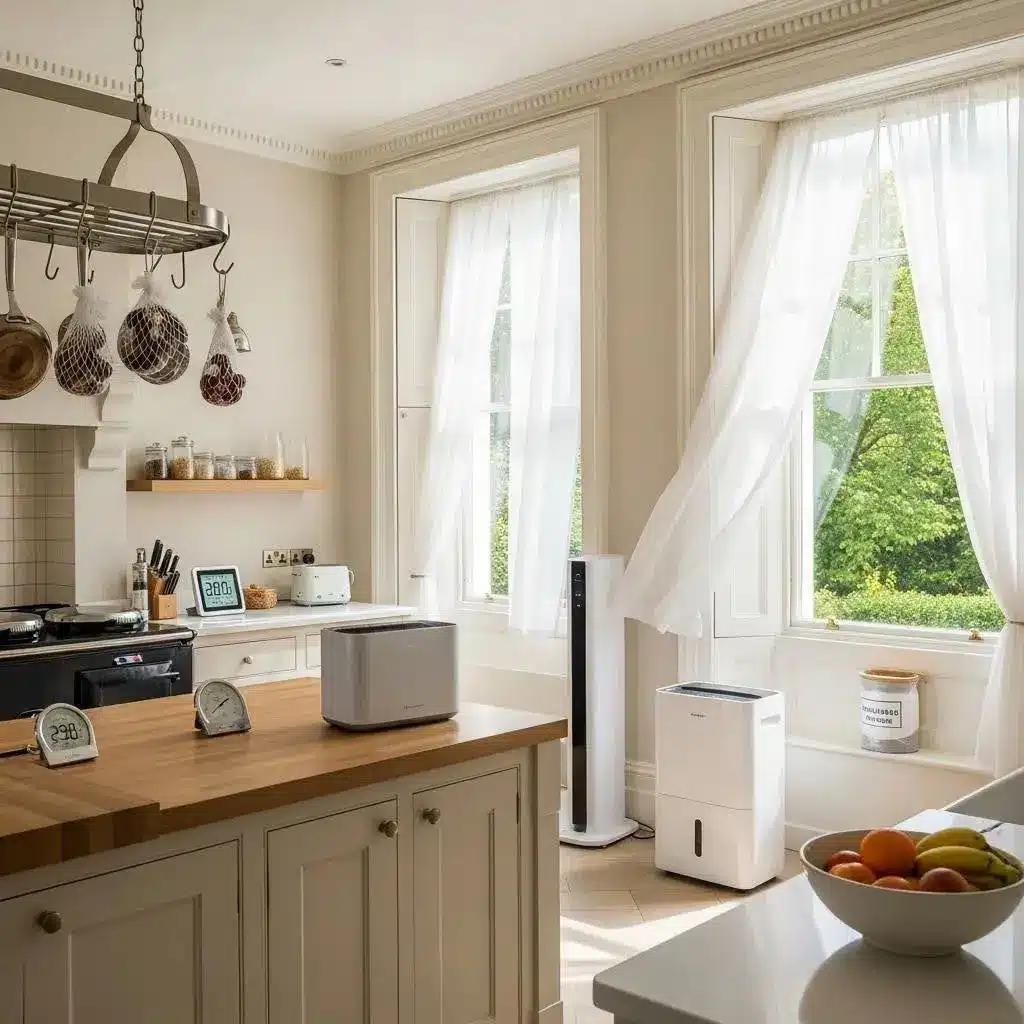
Effective Damp Prevention Techniques for Winter
Reduce winter damp risk by prioritising a few proven interventions:
- Improve Ventilation: Ensure kitchen and bathroom extractors vent externally and provide steady airflow.
- Control Indoor Humidity: Use dehumidifiers where needed and aim for roughly 30–50% relative humidity to limit condensation.
- Regular Maintenance: Keep gutters and downspouts clear so water drains away from walls and foundations.
Applying these measures consistently lowers the chance of damp-related deterioration over winter.
Environ Restoration Services offers tailored winter damp solutions for London properties, prioritising moisture control that protects building fabric.
Schedule Winter Damp Inspections in London
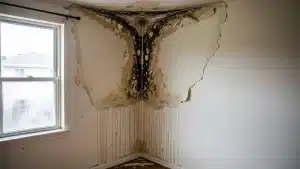
Arrange inspections in late autumn, before prolonged cold and wet weather. Early assessment lets you apply remedial works before winter exposure. Look for peeling paint, mould, condensation, and other early signs, so fixes happen before damage worsens.
What Are Key Summer Facade Maintenance Tips for Period Properties?
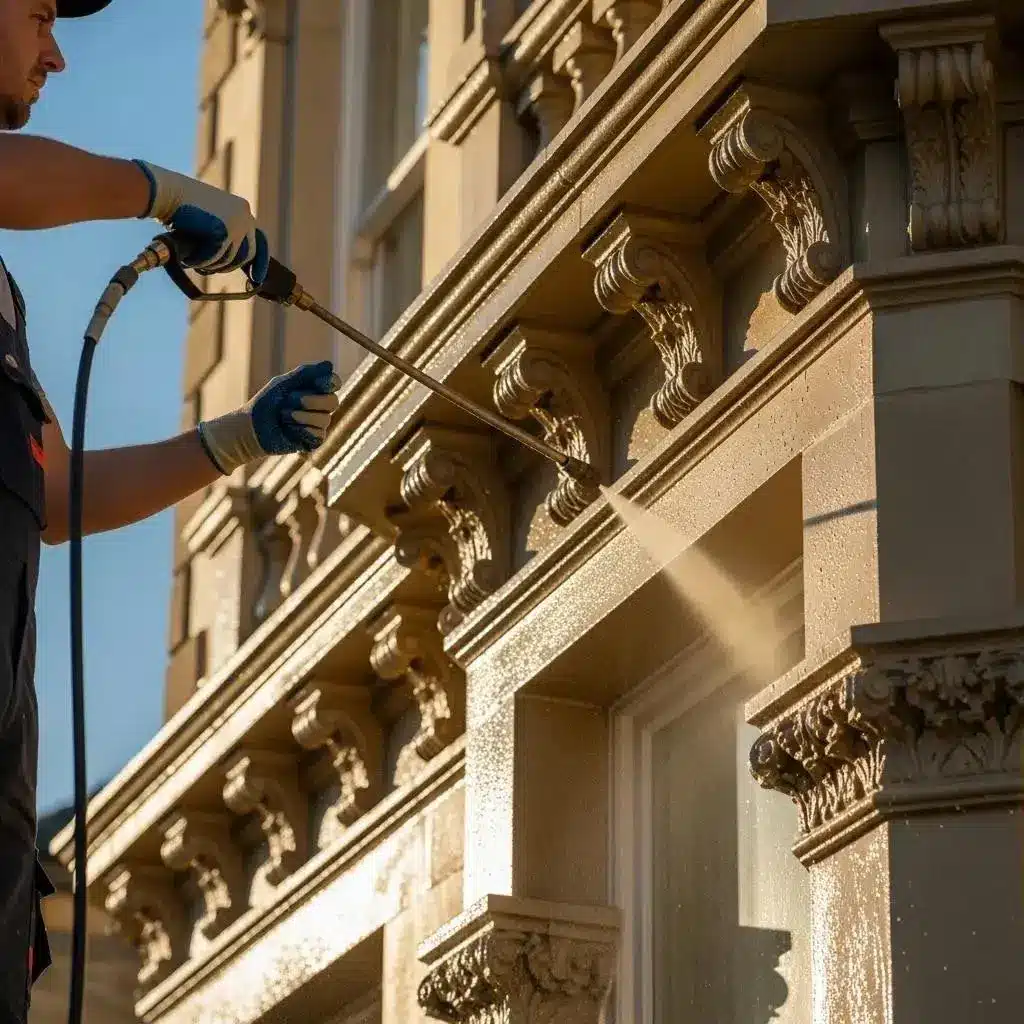
Summer is ideal for exterior work and post-winter inspection. Recommended actions include:
- Conduct Regular Inspections: Check for cracks, flaking paint and material loss to prioritise repairs.
- Effective Cleaning Techniques: Choose gentle methods (such as soft washing) that remove dirt without harming historic surfaces.
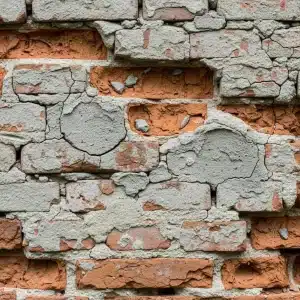
- Masonry Repair: Replace damaged bricks and repoint where mortar has failed to stop further deterioration.
Timely summer works help preserve both appearance and fabric under favourable conditions.
Environ Restoration Services provides specialist façade cleaning and masonry repair using conservation-minded techniques.
Facade Cleaning Enhances Property Durability
Removing algae, pollutants, and biological growth prevents moisture retention and surface degradation. Regular, material-appropriate cleaning reduces the need for larger repairs. For best results, match the cleaning technique to the substrate or engage a specialist.
Weatherproofing Methods Suit London’s Summer Climate
Weatherproofing increases resilience against heat, humidity and summer storms. Key measures include:
- Sealant Application: Reseal around windows and doors to prevent air and water ingress.
- Insulation Upgrades: Improve attic and wall insulation to stabilise temperatures and reduce energy use.
- Roof Maintenance: Repair and secure roofing to preserve watertight performance in storms.
These steps help protect building fabric during summer weather cycles.
How Should You Conduct Seasonal Gutter and Roof Inspections for London Homes?
Inspect gutters and roofs at least twice yearly (spring and autumn) and after severe storms. Key checks include:
- Check for Blockages: Remove leaves and debris to ensure clear drainage.
- Inspect Roof Condition: Note missing or damaged tiles and worn areas that could allow water entry.
- Professional Assessment: Use a contractor for high or complex areas to ensure a full review.
Regular inspections reduce water entry risk and extend the life of drainage and roof components.
Best Practices for Gutter Maintenance in Different Seasons
Maintain gutters year-round with seasonal tasks:
- Spring Cleaning: Clear winter debris ahead of spring rains.
- Summer Checks: Look for storm damage and ensure fixings are secure.
- Autumn Preparation: Clear gutters before leaf fall to avoid blockages in heavy rain.
Following this schedule keeps gutters functioning and protects the external fabric from water damage.
Roof Inspections Prevent Weather Damage
Inspections reveal leaks, missing coverings, and structural weaknesses early, enabling targeted repairs. Check twice yearly and after storms to maintain watertightness and avoid escalating repair costs.
Why Is a Period Home Restoration Checklist Vital for London Properties?
A restoration checklist ensures tasks follow a clear sequence, helping to prioritise work, meet regulations, and protect historic features. Core items should cover structural condition, exterior maintenance, and damp prevention.
- Structural Inspections: Regular checks of foundations, walls, and roof.
- Exterior Maintenance: Scheduled cleaning, repointing, and repairs.
- Damp Prevention: Moisture control measures and routine inspections.
Using a checklist streamlines planning and supports long-term preservation of character and fabric.
Masonry and Stonework Repairs
Masonry repairs maintain load-bearing capacity and weather resistance. Essential works include:
- Repointing: Replace failing mortar to prevent water penetration and stabilise joints.
- Brick Replacement: Swap damaged bricks to restore façade integrity.
- Stone Cleaning: Remove pollutants to slow stone decay and retain detail.
Timely masonry work protects both appearance and structural performance.
Regular Exterior Care Extends Property Lifespan
Routine maintenance stops minor defects from becoming major failures. Regular cleaning, inspections, and prompt repairs conserve materials and sustain property value, keeping period homes serviceable and attractive for future generations.
Why Choose Environ Restoration Services?
At Environ Restoration Services, we specialise in comprehensive exterior maintenance and restoration tailored specifically for London’s period homes.
We understand the unique challenges these historic properties face, from winter damp issues to summer façade preservation. Our team is dedicated to providing expert solutions that protect and enhance your home’s character and structural integrity.
We offer a full range of services, including winter damp control, façade cleaning, masonry repair, weatherproofing, and seasonal gutter and roof inspections.
By combining traditional conservation techniques with modern technology, we ensure that our interventions are both effective and sympathetic to the historic fabric of your property.
Frequently Asked Questions
What are the signs that my period home may have winter damp issues?
Common signs of winter damp issues in period homes include peeling paint, visible mould growth, condensation on windows, and a musty smell. You may also notice damp patches on walls or ceilings, particularly in corners or near windows. If you observe any of these symptoms, it’s crucial to address them promptly to prevent further damage. Regular inspections, especially before winter, can help identify these issues early and allow for timely remediation.
How can I improve ventilation in my home to prevent damp?
Improving ventilation is essential for preventing damp in your home. Start by ensuring that kitchen and bathroom exhaust fans vent outside and are functioning correctly. Open windows regularly to promote airflow, especially during cooking or showering. Consider installing trickle vents in windows or using dehumidifiers in areas prone to moisture. Additionally, keeping internal doors open can help circulate air throughout the home, reducing humidity levels and the risk of damp.
What should I do if I find mould in my home?
If you discover mould in your home, it’s important to act quickly. First, identify and eliminate the source of moisture that is causing the mould growth. Clean small areas of mould with a mixture of water and detergent, or a commercial mould remover. For larger infestations or if mould returns, consider hiring a professional mould remediation service. Additionally, ensure proper ventilation and humidity control to prevent future mould issues.
How often should I perform exterior maintenance on my period home?
Exterior maintenance for period homes should be performed at least twice a year, ideally in spring and autumn. During these inspections, check for signs of wear, such as cracks in the façade, flaking paint, or damaged roofing. Additionally, after severe weather events, it’s wise to conduct a thorough inspection to address any potential damage. Regular maintenance helps preserve the home’s character and structural integrity, preventing costly repairs down the line.