Modern stone cleaning uses a toolkit of precise methods to remove dirt, biological growth, and carbon crusts while protecting original surfaces and carved details. In London, where pollution, varied stone types, and strict conservation rules meet, choosing the right approach affects appearance, longevity, and listed-building compliance.
Today, this article sets out current, evidence-based techniques, from laser ablation to steam and vortex systems, and explains how sustainable products and sealants are shaping practice in 2025.
You’ll learn how each method works, which stone types respond best, practical decision steps for owners, and typical outcomes from recent London projects. Practical lists, comparison tables, and checklists make it straightforward to specify a safe, effective cleaning programme.
What Are The Latest Stone Cleaning Methods In London?
Advanced stone cleaning focuses on removing deposits precisely while keeping disturbance to the substrate to a minimum.
Mechanical, thermal, and chemical mechanisms target different types of soiling: laser ablation vapourises surface accretions, DOFF uses superheated low-pressure steam to loosen deposits, and TORC deploys a light abrasive vortex to remove carbon and sulphation.
Knowing how each method works helps match it to stone type and soiling severity and reduces the risk of etching, loss of detail, or trapped moisture. Below is a concise comparison, followed by focused sections on laser, DOFF, and TORC in conservation practice.
These evolving techniques reflect a shared aim across the sector: effective cleaning with the least possible impact on historic fabric.
Different methods suit different problems and materials:
| Technique | Typical Uses / Soiling | Suitable Stone Types | Pros | Cons |
|---|---|---|---|---|
| Laser stone cleaning | Thin black crusts, surface accretions, fine carving | Portland stone, Bath stone, and selected limestones | Non-contact, chemical-free, and precise | Slower on heavy crusts; higher equipment cost |
| DOFF steam cleaning | Biological growth, general soiling, soot | Dense and moderately porous stones | Low-pressure, gentle, and effective on organic stains | Less effective on thick carbon crusts; requires drying time |
| TORC vortex abrasive | Heavy carbon/sulphation, paint residues | Harder stones (e.g., granite); use with care on soft limestone | Fast removal of stubborn deposits | Abrasive risk; skilled operator required |
This summary highlights trade-offs and helps property managers compare options quickly. The sections that follow explain laser cleaning and DOFF/TORC in more detail from a conservation perspective.
Laser Stone Cleaning To Preserve Delicate Heritage Surfaces
Laser cleaning uses controlled light pulses to ablate contaminants, turning a thin deposit layer into gaseous or particulate residues that are then removed without physical contact.
Because darker soiling absorbs the laser energy more readily than lighter stone, the method offers high control around carved details, inscriptions, and fragile mouldings. Conservators favour lasers on Portland and Bath stone for fine sculptural work because they avoid chemicals and limit penetration depth.
However, operators must balance pulse energy and wavelength and always run tests; heavy crusts take longer to treat and can increase cost compared with bulk methods. Laser’s precision makes it ideal for selected areas; broader surfaces are often better served by complementary methods after testing and comparison.
Applications And Benefits Of Doff And Torc Cleaning Systems
DOFF uses superheated steam at low pressure to lift soot and biological growth without forceful abrasion, combining heat and moisture to loosen deposits so they can be removed with soft brushes or light rinsing.
Typical DOFF settings keep pressure low to protect softer masonry while using heat to improve cleaning efficiency, a useful option for conservation areas and façades with delicate ornament. TORC produces a controlled vortex of light abrasive particles to remove stubborn carbon and paint residues quickly, where DOFF alone cannot.
Acceptability for conservation work depends on stone porosity and surface profile: TORC works well on dense, robust substrates but must be trialled and documented to show there’s no unacceptable substrate loss.
The choice between DOFF and TORC rests on deposit hardness, stone durability, and the conservation officer’s guidance, established through preliminary testing and a documented method statement.
How Are Eco-Friendly Stone Restoration Practices Shaping 2025 Trends?

Sustainability in stone restoration is moving into mainstream practice, with a focus on biodegradable cleaners, pH-neutral formulas, and sealants that balance protection with breathability.
Current practice emphasises products that reduce ecotoxicity to urban waterways, lower VOCs, and avoid residues that change stone chemistry over time. In 2025, more specifications call for water-based sealers and nano-sealants where they do not conflict with conservation principles; these aim to resist staining while maintaining vapour permeability.
Implementing them requires testing, detailed specification, and planned maintenance to ensure environmental benefits align with long-term preservation goals and building regulations.
| Product / Approach | Environmental Attribute | Impact on Stone | Suitability / Limitations |
|---|---|---|---|
| Biodegradable cleaners | Low aquatic toxicity | Effective on organic soiling | Good for routine cleaning; test for residues |
| pH-neutral solutions | Lower-risk chemistry for calcareous stones | Preserves the carbonate matrix | May need gentle mechanical support on heavy soiling |
| Water-based sealers | Low VOCs | Water repellency | Choose breathable formulations for listed buildings |
| Nano-sealants | Minimal film thickness | Water repellency with little visual change | Long‑term data still emerging; test for compatibility |
This comparison clarifies environmental and conservation trade‑offs when selecting products. Owners should prioritise breathability and compatibility: inappropriate film‑forming sealers can trap moisture and accelerate decay.
Eco-friendly practice also means operational changes and documented controls: recent projects emphasise reduced rinse volumes, controlled containment, and neutral runoff management to protect urban drains.
Environ Property Services (operating as Environ Restoration Services) [VERIFY] integrates these sustainable products and procedures into specifications and can be contacted to discuss options or arrange a site survey to assess a specific façade.
Biodegradable And Ph-Neutral Products Used In Sustainable Stone Cleaning
Biodegradable detergents and pH-neutral cleaners emulsify organic soiling and enable lower-risk rinsing without altering stone chemistry, making them suitable for calcareous materials such as limestone and Portland stone.
These product groups lower the risk of acidic attack and help prevent harmful residues from entering municipal drains, important in conservation areas and near sensitive planting. Compatibility checks and patch testing are still essential because even pH-neutral products can leave deposits or interact with historic treatments.
For heavy soiling or carbon crusts, chemical cleaners are usually combined with mechanical or thermal methods to reduce overall chemical use while achieving acceptable visual and conservation outcomes.
Selecting the right biodegradable product depends on stone composition, deposit chemistry, and the planned cleaning mechanism, and should always start with a controlled test patch.
Water-Based Sealers And Nano-Sealants For Protecting Stone Surfaces
Water-based sealers and nano-sealants create a microscale hydrophobic barrier that reduces water ingress and staining while aiming to retain vapour permeability, vital for breathable masonry.
Nano-sealants tend to penetrate and modify pore walls rather than forming a continuous film, limiting visual change and preserving texture; water-based sealers are easier to apply and offer lower VOC exposure.
Longevity varies with product and exposure; routine inspection and re-application schedules should form part of maintenance planning, particularly for façades exposed to heavy pollution. For listed buildings, choose breathable options with minimal visual impact and prove suitability with small-area trials.
Careful selection and maintenance planning ensure sealants improve durability without introducing conservation risks, and help sustainable choices support environmental objectives.
What Challenges Does London’s Environment Present For Stone Cleaning?
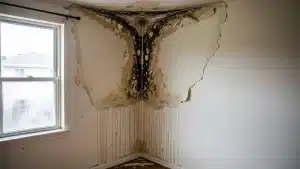
London’s urban environment accelerates certain decay mechanisms and complicates cleaning decisions. Traffic-derived particulates, acid deposition, and biological colonisation interact with stone microstructure: soot and particulates settle in pores and surface details, causing blackening and encouraging chemical changes such as sulphation on calcareous stones.
Microclimates near busy roads increase wet-dry cycles and soiling rates, raising the frequency of interventions and underlining the value of preventative maintenance. Understanding these environmental drivers is essential when choosing cleaning intervals, protective strategies, and techniques that minimise the need for repeated aggressive work.
- Carry out regular visual inspections and photographic monitoring to spot early soiling and damage.
- Always run test patches and consult conservation officers before full‑scale cleaning on listed buildings.
- Prefer minimally invasive methods and record methodology to support approvals and ongoing maintenance.
Pollution Affecting Stone Façades In London’s Conservation Areas
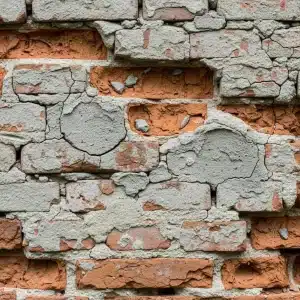
Soot, particulates, and acidifying compounds deposit on masonry and trigger chemical reactions that darken and weaken stone. Porous stones absorb pollution more readily than dense granite, and surface blackening is often accompanied by micro-crusts and salt movement that can flake off during moisture cycles.
In conservation areas, restrictions on interventions and the desire to preserve patina complicate matters, so monitoring and carefully calibrated cleaning are essential. Frequent assessments and targeted cleaning of high-exposure areas near traffic corridors can prevent heavy crust formation and reduce the need for intensive future treatments.
Monitoring frequency and cleaning intervals should be tailored to exposure, with more proactive measures close to busy roads and in pollution-trapping microclimates.
Best Practices For Cleaning Listed Buildings And Historic Properties
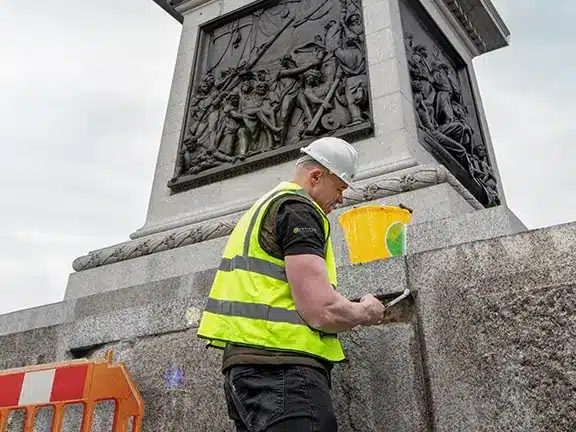
Cleaning listed or historic properties follows a minimum-intervention principle and requires formal approvals plus thorough documentation: test patches, methodology statements, and photographic records to show reversible, conservative treatment. When it comes to the maintenance of these properties, homeowners should consider employing restoration tips for old homes that prioritize authenticity and respect for original materials. This approach not only helps in retaining the historical value but also enhances the aesthetic appeal of the property. Engaging professionals with experience in heritage works can ensure that any restorative efforts are executed with the necessary care and compliance to regulations.
Early consultation with conservation officers or Historic England advisers is critical to agree on acceptable methods and to demonstrate that proposed work will not alter patina or damage original fabric.
Test patches provide practical evidence of performance and visual outcome, while dust, splash, and runoff controls protect the surrounding fabric and the environment during works. Post-cleaning maintenance plans should specify monitoring intervals and gentle cleaning routines to avoid repeating intensive interventions.
Following these protocols helps work meet consent requirements and ensures cleaning extends The Life Of The Building Without Compromising Its Character.
How Can Property Owners Choose The Right Stone Cleaning Technique?
Choosing the right technique starts with a structured assessment: identify stone type and finish, classify the soiling (biological, carbon, paint), check conservation/listing constraints, review access and budget, then match those findings to recommended methods.
A stepwise decision framework reduces risk by prioritising small test areas and starting with the least aggressive, effective option. Owners should balance immediate visual improvement against long-term substrate health to avoid repeated abrasive treatments.
The decision checklist below turns inspection findings into practical method choices and clarifies when a professional restoration survey is needed.
| Assessment Factor | What to Inspect | How it Influences Method Choice |
|---|---|---|
| Stone type | Porosity, hardness, finish | Soft, porous stones favour low‑impact methods; hard stones can accept more abrasive approaches |
| Soiling type | Carbon crust, biological growth, paint | Carbon crusts may require TORC; biological stains suit DOFF; delicate deposits suit laser |
| Conservation status | Listing, patina value | Listed buildings need test patches and minimally invasive methods |
| Access & budget | Scaffolding, working height, cost | Limited access may favour lower-setup options; budget affects method selection |
This checklist helps translate inspection results into method choices and shows when to call in specialist surveyors. After following it, many owners commission professional surveys to confirm suitability and to document proposed works.
Practical decision steps for owners:
- Survey the façade: record stone type, finish, and visible soiling across elevations.
- Run test patches: trial candidate methods on inconspicuous areas to check outcomes.
- Consult conservation guidance: confirm restrictions and approval routes for listed sites.
- Create a maintenance plan: set cleaning intervals and protective measures after treatment.
These steps form a conservative, evidence-led route from inspection to intervention and reduce the chance of inappropriate treatments. Environ Property Services offers professional surveys and documented test patches to identify a suitable technique for your property, and can provide a quotation to support the specification and approvals.
Factors Determining The Suitability Of Laser, Doff, Or Torc Cleaning
Suitability depends on deposit hardness, stone porosity, surface detail, and conservation constraints, as well as practical matters such as access and programme cost.
Laser is often best for thin, delicate deposits and high-detail work where contact is not acceptable; DOFF suits biological staining and soot on moderately porous stones; TORC excels at removing thick carbon and paint from robust substrates.
High porosity increases the risk of moisture entrapment and biological recolonisation, steering choices toward gentler methods. Cost and time also shape selection; laser and TORC can be more expensive per square metre than DOFF, but they may deliver better conservation outcomes when correctly specified.
Considering these factors together, rather than in isolation, produces a balanced choice that prioritises substrate preservation.
Stone Type Influencing Cleaning Method Selection
Stones respond differently to cleaning: granite tolerates abrasive methods better than soft limestone or polished marble, which can etch or abrade and therefore need gentler approaches. Portland and Bath stone, common in London, are calcareous and porous; they respond well to low-pressure steam or laser for delicate areas, but are vulnerable to heavy abrasion.
Polished or honed finishes demand non-abrasive techniques to preserve sheen, while textured surfaces can hide residues and require careful rinsing. Always start with a small test patch and review results with conservation officers for sensitive materials.
This mapping reinforces that accurate stone identification and test patching are essential before any large‑scale cleaning.
Frequently Asked Questions
What Are The Key Considerations For Maintaining Stone Façades In Urban Environments?
In urban settings like London, maintain stone façades with regular inspections to catch early soiling and damage. Pollution, moisture cycles, and biological growth can accelerate decay, so set up a maintenance schedule with visual checks and targeted cleaning of high-exposure areas.
Use minimally invasive methods where possible and record all interventions to protect the stone and meet conservation requirements.
How Can Property Owners Assess The Effectiveness Of Different Cleaning Methods?
Assess methods by running test patches in unobtrusive areas. Test patches let you review cleaning results without risking the whole surface. Monitor the area over time for visual change and substrate condition to decide the best approach. Consulting conservation professionals and referring to similar case studies can also clarify likely outcomes.
What Role Do Conservation Officers Play In Stone Cleaning Projects?
Conservation officers advise on acceptable techniques for listed and sensitive buildings, helping ensure interventions do not damage historic fabric. Their approval and guidance are often required for formal consent and for documenting the chosen method. Engage them early to align cleaning plans with preservation goals and regulatory expectations.
What Are The Potential Risks Of Using Abrasive Cleaning Methods On Soft Stones?
Abrasive methods can remove surface material from soft stones like limestone or marble, causing loss of detail and potential structural weakening. These methods risk etching and are generally best avoided on vulnerable materials; instead, use gentler options such as laser or low-pressure steam to protect appearance and longevity.