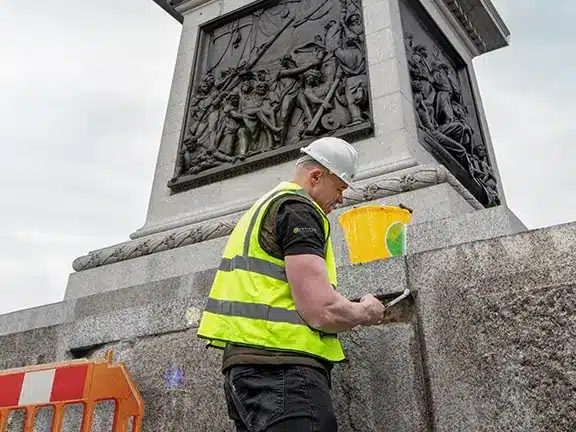
Understanding the Importance of Stone Cleaning
Stone cleaning is crucial for maintaining the aesthetic and structural integrity of historical buildings. Over time, stones can accumulate dirt, grime, and biological growth, which can lead to deterioration if not addressed. Regular cleaning helps preserve the original character of the stone while enhancing its appearance.
In London, where buildings are often subject to environmental stressors such as pollution and weathering, effective stone cleaning techniques are essential. These methods not only remove unsightly stains but also prevent long-term damage, ensuring that historical properties remain visually appealing and structurally sound for future generations.
Evidence-Based Techniques for Effective Stone Restoration
Modern stone restoration employs a variety of evidence-based techniques that are tailored to the specific needs of different stone types. Techniques such as poulticing, steam cleaning, and chemical cleaning are used to safely remove contaminants while preserving the stone's surface. Each method is selected based on the stone's condition and the type of dirt or biological growth present.
For instance, poulticing is effective for removing deep-set stains, while steam cleaning is ideal for removing biological growth without damaging the stone. By using these scientifically-backed methods, restoration professionals can ensure the longevity and beauty of historical stonework in London.
Challenges in Stone Restoration in London
Restoring stone in London comes with unique challenges, including strict conservation regulations and the diverse range of stone materials found throughout the city. Each type of stone may react differently to cleaning methods, necessitating a careful approach to restoration. Understanding these challenges is vital for achieving successful outcomes.
Additionally, the environmental conditions in London, such as high levels of pollution and varying weather patterns, can exacerbate the deterioration of stone. Restoration professionals must stay informed about these factors to effectively plan and execute restoration projects that comply with local regulations while ensuring the preservation of the city's rich architectural heritage.
Choosing the Right Restoration Service
Selecting a qualified restoration service is essential for ensuring high-quality results. Potential clients should look for companies with a proven track record in historical restoration, as well as expertise in the specific types of stone present in their properties. Reviews and case studies can provide insight into a service's effectiveness and reliability.
Moreover, a reputable restoration service will offer consultations to assess the condition of the stone and recommend appropriate cleaning techniques. They should also be knowledgeable about local conservation laws and best practices to ensure compliance while achieving the desired aesthetic results.