London’s brick façades endure relentless weather and pollution, which can contribute to mortar deterioration and damp-related issues.
In this guide, you will discover how targeted brick cleaning preserves structural integrity, restores aesthetic charm, promotes healthier environments, honours heritage architecture, addresses urban grime and graffiti, leverages advanced cleaning methods, and supports accurate budgeting for lasting results.
By understanding these seven critical dimensions and how Environ Restoration Services applies specialised steam, soft-wash, and chemical techniques, you can safeguard your investment and enhance curb appeal while avoiding costly repairs.
Why Is Brick Cleaning Crucial for Preserving Structural Integrity in London Homes?
Professional brick cleaning removes moisture-retaining residues and organic growth from masonry, preventing freeze–thaw cycles and mortar erosion, helping maintain a home’s load-bearing capacity. In addition to professional services, homeowners may also explore various diy brick cleaning methods to maintain their masonry. These methods can include using vinegar or baking soda solutions to tackle stains, but it’s essential to be cautious to avoid damaging the bricks. Properly executed cleaning can extend the lifespan of the brickwork, ensuring that it remains both aesthetically pleasing and structurally sound. Understanding the brick cleaning process explained can help homeowners make informed decisions about their masonry care. It’s important to assess the type of brick and the extent of the staining before selecting a cleaning method. Regular maintenance, combined with professional brick cleaning when necessary, can significantly enhance the durability and appearance of the home’s exterior.
By stripping away lichens, algae, and efflorescence, this arrests microscopic fractures that expand under frost, extending the service life of brickwork. These structural gains lead naturally to visual restoration and value enhancement.
Efflorescence’s Role in Brick Deterioration
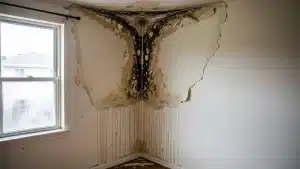
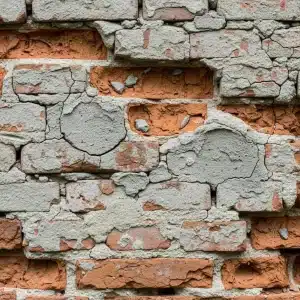
Efflorescence occurs when soluble salts dissolve within moisture in masonry and crystallise on brick faces, indicating internal damp pathways and weakening bonds.
| Issue | Characteristic | Consequence |
|---|---|---|
| Efflorescence | White, powdery salt deposits | Surface spalling and reduced cohesion |
| Mould growth | Greenish or black organic film | Accelerated decay under damp conditions |
Addressing efflorescence through professional cleaning preserves brick porosity and halts salt-induced flaking, helping prevent long-term structural damage. This step also reduces frost-damage risk.
How Does Professional Brick Cleaning Enhance Kerb Appeal and Increase Property Value in London?
Professional brick cleaning restores original colour and character, transforming dull, soot-stained exteriors into striking, market-ready façades. This visual renewal captures attention and signals diligent upkeep.
Visual Benefits of Removing Pollution and Stains
Airborne particulates and traffic emissions leave dark streaks that obscure the natural red or buff tones of brick. Removing these residues:
- Reveals true brick hues and textures
- Creates a uniform surface appearance
- Eliminates patchy staining that undermines first impressions
Clean Brickwork Improves Kerb Appeal for Homes and Businesses
A spotless brick exterior instils confidence in prospective buyers and tenants by showing consistent maintenance. Enhanced street-side presence:
- Draws foot traffic in commercial settings
- Encourages higher offers in residential sales
- Reinforces brand image for mixed-use properties
Brick Cleaning Raises Property Valuations
By showcasing well-preserved brickwork free of blemishes, properties achieve:
- Shorter time on the market due to stronger first impressions
- Documented upkeep can be attractive to insurers
Investing in professional cleaning can improve ROI and support health-focused benefits.
What Are the Health and Maintenance Benefits of Keeping London Brickwork Clean?
Brick cleaning reduces hidden hazards, creating safer environments for occupants and helping prevent expensive structural repairs. Maintaining clean brick exteriors not only enhances the aesthetic appeal of older properties, but it also helps to preserve their historical integrity. Implementing brick cleaning safety for old homes ensures that any fragile structures are treated with care, minimizing the risk of damage during the cleaning process. Additionally, a thorough cleaning can uncover potential issues like mold or moisture buildup, enabling timely interventions that can save homeowners from costly repairs down the line. Understanding the brick cleaning benefits and costs is essential for homeowners considering this service. By weighing the advantages of improved safety and enhanced property value against the investment required, owners can make informed decisions that best protect their assets. Through regular maintenance and cleaning, properties can retain their charm while avoiding the more significant expenses associated with neglect.
Brick Cleaning Removes Harmful Contaminants and Pathogens
Removing mould, mildew, and airborne pollutants from brick surfaces improves nearby air quality and reduces allergen spread. Key health advantages include:
- Fewer respiratory irritants near walls
- Reduced spore colonisation in damp niches
- Improved indoor–outdoor air quality near living spaces
Removing these contaminants supports healthier homes and workplaces.
Proactive Cleaning Helps Avoid Costly Repairs
Early detection of hairline cracks, salt migration, and joint degradation during routine cleaning enables targeted remediation before extensive damage occurs. Proactive maintenance:
- Helps prevent water ingress that leads to subsidence
- Extends the lifespan of brickwork over time
This strategic approach preserves capital and minimises disruption.
What Special Considerations Are There for Cleaning Historic and Period Brickwork in London?
Heritage buildings demand gentle, conservation-led methods to respect original materials without compromising authenticity.
Gentle Methods like DOFF Are Recommended for Historic Buildings
DOFF steam cleaning uses high-temperature, low-pressure steam to lift dirt and biological growth without abrasive force. It:
- Preserves delicate mouldings and soft mortar
- Removes contaminants without chemical residues
- Aligns with conservation guidance for listed structures
This precision method helps period brickwork endure, ready for future generations to admire.
Conservation Bodies Shape Cleaning Practices for Listed Properties
Conservation bodies mandate non-invasive treatments that safeguard historic integrity. Their oversight:
- Requires environmentally friendly processes
- Restricts harsh chemical cleaning on sensitive fabric
- Encourages documentation of before-and-after conditions
Compliance both preserves heritage value and helps avoid regulatory delays.
Brick Cleaning Preserves Georgian and Victorian Integrity
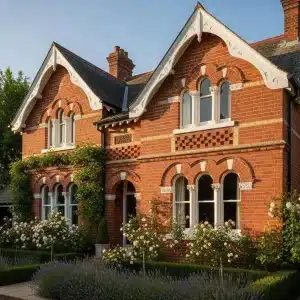
Targeted brick cleaning reveals original mortar colour and brick texture, accentuating classical proportions and ornamental details of Georgian and Victorian façades. Restored masonry:
- Highlights period features such as sash-window surrounds
- Maintains the breathability of lime-based mortars
- Supports authenticity in conservation-led restorations
These measures seamlessly bridge structural care and historical stewardship.
How Does London’s Urban Environment Affect Brickwork and Cleaning Needs?
London’s dense traffic and damp climate accelerate contamination, creating unique challenges for brick maintenance.
London Air Pollution Impacts Brick Surfaces
Fine particulates from diesel engines and construction dust adhere to masonry, causing dark patinas that penetrate pores and become increasingly difficult to remove. Over time, pollution:
- Induces surface oxidation and pitting
- Masks decorative brick patterns
- Increases cleaning frequency demands
Understanding urban soot deposition guides method selection for optimal results.
London’s Climate Encourages Moss, Algae, and Lichen Growth
London’s mild winters and high humidity foster persistent biological growth on shaded brick elevations, especially north-facing walls. The cycle of light rainfall and stagnant air:
- Keeps brick surfaces damp
- Promotes spore germination
- Accelerates joint weakening
Regular removal interrupts these cycles, restoring dryness and integrity.
Effective Solutions for Graffiti and Paint Removal
Specialised cleaning techniques such as low-pressure micro-abrasion, biodegradable chemical gels, and steam-enhanced paint stripping remove unwanted markings without breaching brick surfaces. Key attributes include:
- Custom-formulated gels that remove paint layers
- Gentle micro-abrasive media sized for historic brick
- Steam-activated lifting of spray-paint pigments
These targeted approaches restore kerb appeal and remove vandalism evidence.
What Professional Brick Cleaning Methods Are Best Suited for London Homes?
Selecting an appropriate cleaning method depends on brick type, age, and contamination level to balance efficacy and risk.
DOFF Steam Cleaning: How It Works and Why It’s Ideal
DOFF steam cleaning generates pressurised, superheated steam that penetrates pore networks, dissolving organic matter and lifting grime without harming the substrate. It is ideal because it:
- Uses only water, eliminating chemical runoff
- Protects historic façades from abrasive damage
- Neutralises spores and bacteria at the source
This eco-friendly method supports both structural preservation and aesthetic restoration.
Soft Washing: When It’s Appropriate for London Brickwork
Soft washing employs low-pressure water combined with specialised detergents to remove light soiling and biological growth without mechanical force. It:
- Targets algae, mould, and dirt staining
- Minimises risk of mortar joint displacement
- Allows gentle rinsing that penetrates deep within pores
Soft washing serves as a practical maintenance tool for routine cleaning cycles.
Benefits and Risks of Chemical Cleaning
Chemical cleaning with diluted acid or alkaline solutions dissolves stubborn efflorescence and paint, offering rapid stain removal. Benefits and considerations include:
| Method | Advantage | Risk |
|---|---|---|
| Acidic solutions | Effective salt-deposit removal | Potential etching of sensitive brick faces |
| Alkaline detergents | Quick grease and oil stain dissolution | Residual salts requiring thorough rinsing |
| Biocidal sprays | Long-term control of biological regrowth | Requires careful environmental handling |
Proper professional application minimises etching, ensures neutralisation, and protects adjacent landscaping.
What Factors Influence Brick Cleaning Costs in London and How Can Homeowners Budget?
Cost transparency empowers property owners to plan maintenance budgets and secure accurate service quotes.
How Cost per Square Metre Is Calculated
Brick cleaning cost per square metre varies based on:
- Degree of soiling and contamination type
- Accessibility of walls (height, scaffolding needs)
- Selected cleaning method and required chemicals
Understanding these variables enables realistic budgeting and method selection aligned with property goals.
Typical Price Ranges: Domestic vs Commercial
| Project Type | Approximate Rate (£/m²) | Typical Considerations |
|---|---|---|
| Domestic façades | 8–12 | Limited access, scaffold hire, soft wash |
| Commercial buildings | 2–5 | Large areas, pressure washing efficiency |
| Heritage properties | 10–15 | Conservation methods, specialist scaffolding |
Accurate pricing reflects both surface area and method sophistication.
Getting Accurate Quotes for Professional Brick Cleaning
Securing precise quotes involves a structured survey process:
- On-site inspection to assess brick condition and contamination
- Detailed discussion of methods, access requirements, and scheduling
- Provision of an itemised proposal with clear per-square-metre rates and service scope
This consultative approach helps deliver tailored solutions, leading to confident decisions and effective maintenance planning. Contact Environ Restoration Services to arrange your survey or request a detailed quotation.
London’s brick homes demand specialist cleaning that safeguards structural integrity, rejuvenates period aesthetics, and reduces health-related contamination. By choosing expert methods like DOFF steam cleaning or soft wash, property owners can enhance kerb appeal, increase market value, and help avoid costly repairs.
Proactive maintenance aligned with conservation best practices supports both heritage and longevity, making professional brick cleaning in London an essential investment.