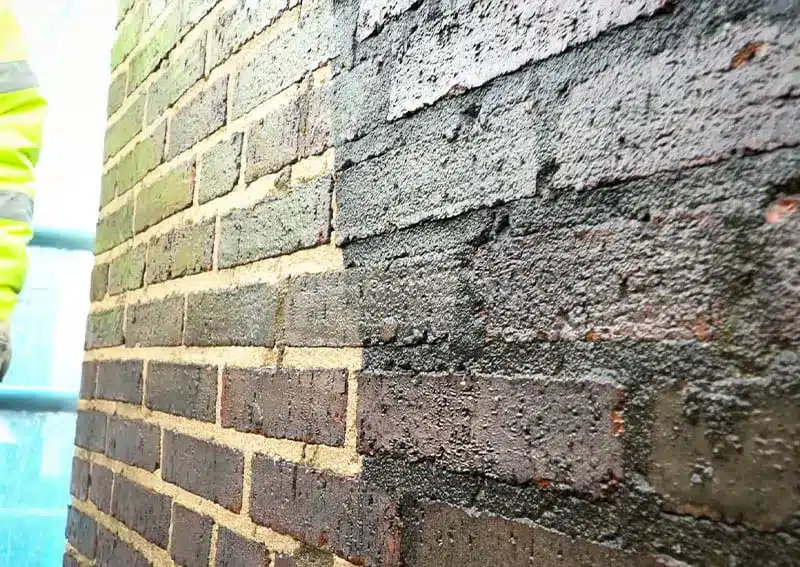
You can clean bricks with a pressure washer, but it must be done carefully to avoid damage. While pressure washing effectively removes dirt, moss, and grime, excessive pressure or the wrong technique can erode mortar joints and weaken the surface.
In this guide, we will discuss the safe methods, risks, and expert tips for pressure washing brickwork. You’ll learn the right pressure settings, nozzle types, and cleaning approaches to keep your brick surfaces looking fresh without causing damage.
Essential Takeaways for Safe Brick Cleaning and Restoration
- Brick walls must be cleaned regularly to maintain their appearance and prevent structural damage from contaminants.
- Using a pressure washer on brick walls poses significant risks, including damage to bricks and mortar; safer alternatives include softwashing and professional cleaning systems.
- Environ Restoration Services provides professional brick cleaning and restoration solutions tailored to the needs of historical and contemporary properties across London.
Understanding Brick Surfaces and Cleaning Needs
Brick are renowned for their durability and minimal maintenance needs over time. However, to prolong their longevity and maintain their aesthetic appeal, regular maintenance and care are essential.
The cleaning requirements can vary significantly depending on the type of brick used, necessitating a thorough assessment before starting the cleaning process. This ensures that the integrity of the brick structure is preserved, especially when historically accurate materials are involved.
Why Brick Walls Need Cleaning
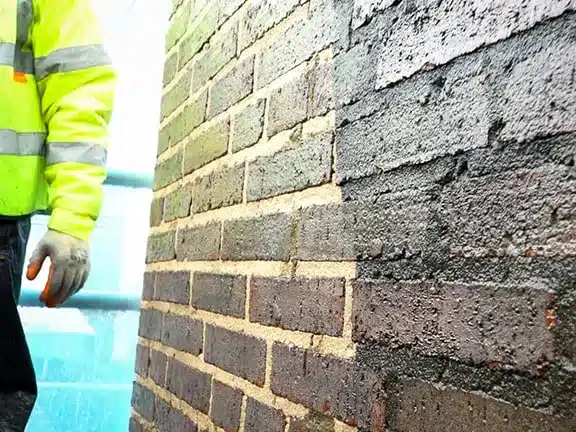
Brick walls, over time, can accumulate a variety of contaminants such as airborne soot, dirt, and organic growth like moss, algae, and lichens. These elements are particularly prevalent in damp, cold, and shaded areas, leading to unsightly bricks.
Regular cleaning of brickwork not only enhances its appearance but also prevents potential structural damage. Organic growth can trap water, causing frost damage during freezing and thawing cycles, especially on the brick wall.
Cleaning your brick walls regularly can keep them in top condition. This proactive approach ensures that your brickwork remains both beautiful and structurally sound.
Common Types of Stains on Brickwork
Efflorescence is a common issue where soluble salts form white deposits on bricks due to moisture evaporation. This can occur when bricks become wet during storage or construction.
While generally harmless, efflorescence can be an eyesore that requires proper cleaning techniques to remove.
Lime staining is another type that appears as dribbling patterns from holes or fine cracks in the brick. It is a common issue, and it happens when calcium hydroxide from mortar leaches onto the brick surface during wet conditions.
Cement staining arises from splashes during construction or runoff from concrete, leaving behind dull patches that compromise the clean look of brickwork.
Organic growth can also cause unsightly stains and streaks, especially in damp or shaded areas.
Lastly, iron stains occur when moisture draws iron compounds to the surface, where they oxidise and leave behind rusty, discoloured patches.
Each stain type requires tailored cleaning methods to remove effectively while preserving the integrity of the brick surface.
Can You Use a Pressure Washer on Brick Walls?
Using a pressure washer on brick walls might seem like a quick and effective solution for cleaning brickwork, but it comes with significant risks. While pressure washing can address issues like brick discolouration, pollution staining, and storm damage, improper techniques can cause more harm than good.
Risks of High-Pressure Washing on Brickwork
High-pressure washing is generally not recommended for brickwork due to the various risks involved. Using a pressure washer can lead to long-term damage, including the erosion of bricks and mortar, which ultimately weakens the structural integrity of the wall.
Older or weathered brick walls are particularly vulnerable to overly aggressive cleaning, which can result in significant damage. Incorrect pressure washing can cause irreversible damage to the bricks, leaving them susceptible to further deterioration.
Moreover, high-pressure water can become trapped in the pores of the bricks, leading to mould growth within the walls. Attempting to clean brickwork without professional knowledge can be reckless and may result in further damage. It’s crucial to understand these risks before deciding to use a pressure washer on your brick walls.
Safe Pressure Levels for Cleaning Bricks
If you decide to use a pressure washer, it’s essential to adhere to safe pressure levels to avoid damaging the bricks. Key recommendations include:
- Use a pressure setting between 500 and 1,000 PSI.
- This range is generally recommended for effectively cleaning bricks without causing harm.
- It is sufficient to remove dirt and grime while preserving the integrity of the brick surface.
Additionally, maintaining a proper distance from the brick surface during the cleaning process is crucial to minimising the risk of damage. Ensuring that the water stream is not too close to the bricks will help prevent erosion and other potential issues.
When to Avoid Pressure Washing
There are specific situations where pressure washing should be avoided altogether to prevent exacerbating existing problems. Generally, for old brickwork, which may be more prone to damage, pressure washing is not advisable. The high pressure can cause further deterioration, especially if the bricks are already compromised. Additionally, it’s crucial to assess the overall condition of the mortar joints, as weakened joints can worsen under high pressure. For those who still choose to proceed, following pressure washing brick safety tips can help mitigate potential damage. Always test in a small, inconspicuous area first to gauge how the surface responds to the pressure before applying it to larger sections.
If the bricks are already damaged, pressure washing can introduce moisture that worsens the problem.
Alternative Brick Cleaning Methods
When pressure washing isn’t suitable, several alternative methods can effectively clean brick surfaces without causing damage. These include the DOFF and TORIK cleaning systems, as well as manual cleaning techniques. Additionally, using specialized cleaning solutions can enhance the effectiveness of the cleaning process while being gentle on the brick. Homeowners can also benefit from learning about brick cleaning techniques and tips, ensuring that their methods are both effective and safe. Regular maintenance and inspections can help prevent the buildup of dirt and grime, making future cleaning easier. Homeowners interested in preserving the appearance of their brick can explore the best cleaning techniques for brick, which involve using soft brushes and gentle scrubbing to remove stains. Incorporating these methods not only prolongs the life of the material but also enhances its aesthetic appeal. By staying informed and proactive about cleaning, property owners can maintain their brick surfaces in top condition.
Each method has its unique advantages, ensuring that your brickwork is cleaned safely and thoroughly.
DOFF Cleaning System
The DOFF cleaning system utilises superheated water at low pressure to effectively clean brick surfaces. This method is particularly beneficial as it minimises the risk to mortar joints during the cleaning process.
By using steam, the DOFF system can remove dirt, grime, and biological growth without the need for harsh chemicals.
Precautions such as temporary guttering and sealing entry points are implemented to prevent water from entering vulnerable areas during cleaning. This ensures that the cleaning process is both effective and non-invasive, preserving the integrity of the brickwork.
TORIK Cleaning System
The TORIK cleaning system combines heat, steam, and adjustable pressure for eco-friendly and effective brick cleaning. This non-abrasive method is designed to clean bricks using a combination of steam and adjustable pressure, ensuring high efficiency and a 100% success rate. The TORIK system is particularly effective in removing stubborn stains and biological growth without damaging the brick surface.
By being non-abrasive and highly efficient, the TORIK system offers a safe and sustainable alternative to traditional high-pressure cleaning methods. This makes it an ideal choice for maintaining the appearance and structural integrity of your brickwork.
Manual Cleaning Techniques
Manual cleaning techniques are essential for maintaining the integrity and appearance of brick surfaces, especially when dealing with delicate or historical brickwork. Using a nylon brush for gentle cleaning is recommended, as it helps remove dirt and grime without damaging the brick. Additionally, regular maintenance can prevent the buildup of stains and ensure that the brickwork remains visually appealing over time. Understanding what is brick cleaning is crucial for homeowners and conservationists alike, as it encompasses not only the methods used but also the products that are safe for various types of brick. By employing proper techniques and materials, one can preserve the charm and longevity of these surfaces.
A detergent solution can also be effective for cleaning bricks, especially when dealing with organic matter and surface stains.
Removing paint and stubborn stains might require a wire brush and a damp sponge, ensuring thorough cleaning while protecting the brick from further damage. Manual paint removal and paint removers are particularly useful for small areas and detailed work, allowing for precise control over the cleaning process of removing stains.
Tips for Maintaining Brick Walls After Cleaning
After cleaning your brick walls, regular maintenance is crucial to keep them looking their best and to prevent long-term structural issues.
Dusting regularly and promptly addressing spills can prevent dirt accumulation and staining. Inspections can catch potential issues early, keeping the brickwork pristine for years. This proactive approach helps maintain the appearance and structural integrity of your brick walls.
Following these maintenance tips preserves your property’s curb appeal and safety instructions, protecting your investment and maintaining access to the timeless beauty of clean brickwork.
Sealing Brickwork
Sealing brickwork is an important step in maintaining its integrity and appearance. Applying a sealant creates a protective barrier that helps resist moisture and prevent staining. This barrier extends the lifespan of the brickwork by reducing the effects of weather and environmental contaminants.
Sealing can also protect older buildings from the damaging effects of moisture and mould. By investing in sealing, you ensure that your brick walls remain sturdy and visually appealing for years to come.
The Advantages of Getting Professional Brick Cleaning Services
While it may be tempting to grab a pressure washer and tackle your clay bricks yourself, the risks to your brickwork and other building materials can be significant.
DIY attempts often leave behind unsightly streaks or damage mortar joints, especially when cleaning buildings with aged surfaces. A professional brick cleaner knows how to balance technique, pressure, and water use, ensuring the surface is restored without compromising the structure.
Experts can revive old and modern brick walls by using methods tailored to specific surfaces while extending their lifespan.
With professional services, fully trained teams apply the right solutions for each project, whether dealing with heritage sites or high-traffic commercial buildings. The result is a safe, thorough, and long-lasting clean that restores your brickwork’s original charm and integrity.
At Environ Restoration Services, our expert brick cleaners provide customised solutions. With decades of experience, we are trusted across London to deliver exceptional results every time.
Why Choose Environ Restoration Services for Brick Cleaning?
When it comes to safe and effective professional brick cleaning services in London, Environ Restoration Services stands out for quality, sustainability, and expertise. By combining traditional skills with modern technology, our professional approach will ensure your brickwork is cleaned and restored to the highest standards.
Expert Knowledge and Experience
With over 15 years of experience as a company and a team whose combined experience spans two decades, Environ Restoration Services is skilled in period restoration techniques.
Our deep understanding of aesthetic restoration, combined with technical expertise, ensures high-quality results every time.
Choosing Environ Restoration Services will ensure your brick cleaning needs are handled professionally and correctly.
We Provide Tailored Restoration Solutions
We offer tailored restoration solutions that respect the original architecture and materials of your property. Our approach suits the specific surface and environment, ensuring meticulous attention to detail.
This commitment to quality and the original structure makes us a popular choice for historical and contemporary restorations.
Our services support residential and commercial projects, working with property owners, architects, contractors, and managing agents. Contact us today to get a fast quote for your brick cleaning needs.
Frequently Asked Questions
Can I use a pressure washer on my brick walls?
Using a pressure washer on brick walls is not recommended, as it poses risks of damage. Consider using softwashing or other safer cleaning methods instead.
What are the common stains on brickwork, and how can I remove them?
Common stains on brickwork include efflorescence, lime staining, and organic growth, each necessitating specific cleaning methods to ensure effective removal without causing damage to the bricks. Utilising appropriate techniques tailored to each type of stain is essential for maintaining the integrity of your brickwork.
How often should I clean my brick walls?
It is recommended that brick walls be cleaned every two years, or more often if they are subject to heavy traffic or pollution. Regular maintenance will help preserve their appearance and longevity.
What are the risks of high-pressure washing on brickwork?
High-pressure washing can erode both bricks and mortar, leading to a compromised structural integrity and potential mould growth within the walls. It is crucial to consider these risks before proceeding with such cleaning methods.
Why should I choose Environ Restoration Services for brick cleaning?
Choosing Environ Restoration Services for brick cleaning ensures you receive expert and tailored solutions that prioritise quality, sustainability, and the preservation of your property’s historical significance.
Conclusion
Maintaining the beauty and structural integrity of your brick walls requires understanding the best cleaning methods and regular maintenance.
While pressure washing can be effective, it comes with significant risks. Getting professional help is the best choice. Combining expert cleaning with regular maintenance and sealing is essential to keeping your brickwork looking its best all year round.