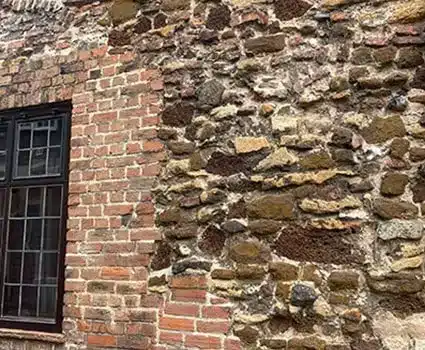
Understanding Listed Building Consent
Listed building consent is a legal requirement for any alterations or extensions to a listed building. This consent ensures that the historical and architectural significance of the property is preserved while allowing for necessary updates and repairs.
The process of obtaining listed building consent involves submitting detailed plans to the local planning authority. It's essential to demonstrate how the proposed changes will respect the building's character. Failure to secure this consent can result in legal consequences and the potential reversal of unauthorized changes.
Benefits of Restoring Heritage Properties
Restoring heritage properties not only preserves cultural history but also enhances the value of the property. Owners can enjoy increased property values, potential tax incentives, and the satisfaction of contributing to the conservation of local heritage.
Moreover, restored heritage properties often attract tourism and community interest, which can lead to economic benefits for the surrounding area. Engaging with local historical societies can also provide additional resources and support during the restoration process.
Common Challenges in Restoration Projects
Restoration projects can present various challenges, including structural issues, compliance with regulations, and sourcing appropriate materials. Understanding these challenges upfront can help property owners prepare effectively and avoid unexpected costs.
For instance, dealing with outdated building materials or techniques may require specialized skills or resources. Collaborating with experienced restoration professionals can mitigate these challenges and ensure that the project aligns with preservation standards.
Choosing the Right Restoration Contractor
Selecting a qualified restoration contractor is crucial for the success of any restoration project. A contractor experienced in working with listed buildings will have the necessary knowledge of regulations and best practices for preserving historical integrity.
When choosing a contractor, it's important to review their portfolio, check references, and ensure they are familiar with the specific requirements of heritage properties. A well-informed contractor will not only execute the restoration effectively but also provide valuable insights throughout the process.
Understanding Listed Building Consent
Listed building consent is a legal requirement for any alterations or extensions to a listed building. This consent ensures that the historical and architectural significance of the property is preserved while allowing for necessary updates and repairs.
The process of obtaining listed building consent involves submitting detailed plans to the local planning authority. It's essential to demonstrate how the proposed changes will respect the building's character. Failure to secure this consent can result in legal consequences and the potential reversal of unauthorized changes.
Benefits of Restoring Heritage Properties
Restoring heritage properties not only preserves cultural history but also enhances the value of the property. Owners can enjoy increased property values, potential tax incentives, and the satisfaction of contributing to the conservation of local heritage.
Moreover, restored heritage properties often attract tourism and community interest, which can lead to economic benefits for the surrounding area. Engaging with local historical societies can also provide additional resources and support during the restoration process.
Common Challenges in Restoration Projects
Restoration projects can present various challenges, including structural issues, compliance with regulations, and sourcing appropriate materials. Understanding these challenges upfront can help property owners prepare effectively and avoid unexpected costs.
For instance, dealing with outdated building materials or techniques may require specialized skills or resources. Collaborating with experienced restoration professionals can mitigate these challenges and ensure that the project aligns with preservation standards.
Choosing the Right Restoration Contractor
Selecting a qualified restoration contractor is crucial for the success of any restoration project. A contractor experienced in working with listed buildings will have the necessary knowledge of regulations and best practices for preserving historical integrity.
When choosing a contractor, it's important to review their portfolio, check references, and ensure they are familiar with the specific requirements of heritage properties. A well-informed contractor will not only execute the restoration effectively but also provide valuable insights throughout the process.