Repointing can be a time-consuming process, but understanding the factors that influence its duration can help you plan accordingly.
This blog post will delve into the key elements that affect how long repointing takes, from the size and complexity of the job to the materials used and even the weather conditions.
By exploring these variables, you’ll gain a clearer picture of what to expect when tackling your own repointing project.
Essential Repointing Timeframes at a GlanceKey Takeaways
- The duration of repointing projects varies based on wall size, extent of damage, and pointing styles, with small areas taking less than a day and entire properties taking up to three weeks.
- Preparation and inspection are critical to successful repointing, ensuring effective mortar bonding and structural integrity, while weather conditions can significantly impact project timelines.
- Professional repointing services provide quality and efficiency, especially for larger or more complex projects, while DIY efforts are recommended only for minor repairs due to the technical challenges involved.
Factors Influencing the Duration of Repointing
Various factors influence the duration of a repointing project, impacting planning and budgeting. These can include the following:
- The size of the wall plays a significant role. Larger walls naturally take more time to complete and can increase repointing costs.
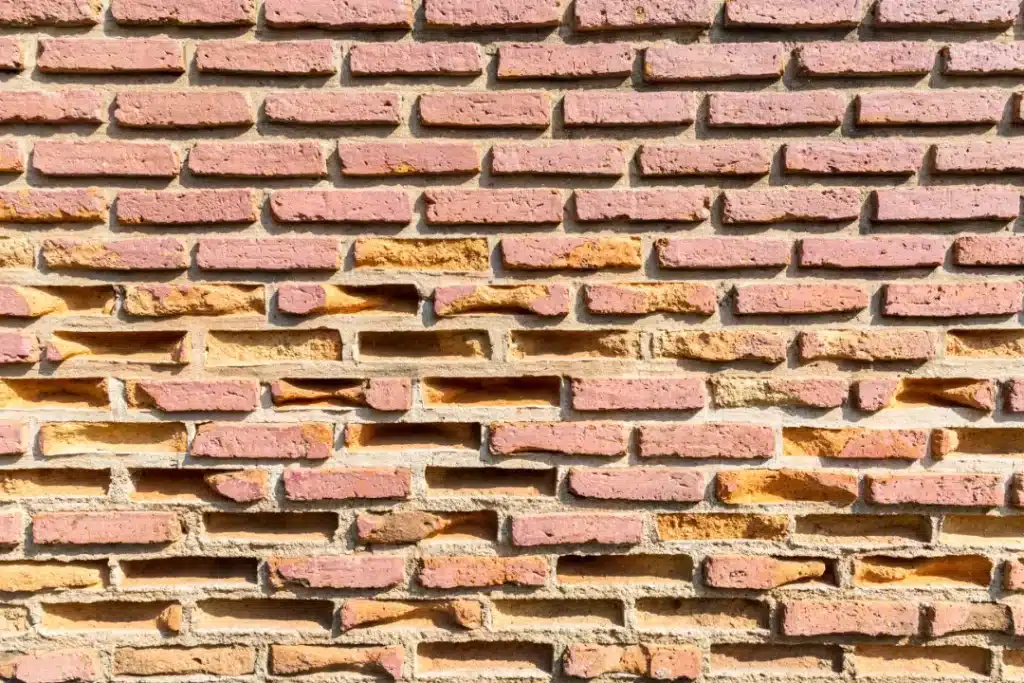
- The extent of damage to the masonry, as well as the need for uniformity in mortar colour, also plays a significant role. Extensive damage may require additional repairs before the mortar can be replaced, prolonging the project duration.
- The pointing style is another important consideration. For instance, weather-struck pointing demands specific skills and more time compared to simpler styles due to its unique requirements.
- Similarly, certain mortar joint types, like concave joints, require specialised tools, such as a rake, and techniques, contributing to longer project durations.
- Moisture can affect both the duration and quality of the repointing work, making it essential to address any underlying issues before starting the process.
Considering these factors can help you better estimate the time and cost involved in your repointing project, to ensure a smooth and efficient execution.
Typical Timeframes for Different Projects
The duration of repointing projects can vary significantly based on the size and scope of the work. For small areas, the process can be completed relatively quickly, whereas larger projects may require more time and effort. Knowing these typical timeframes aids in planning your project more effectively.
Small Areas
Repointing small areas of a brick wall can usually be completed in less than a day. Sometimes, it may even be finished within a single day. Factors such as the wall’s surface condition, the type of building, and the depth of the joints can influence the duration.
For instance, older buildings with deteriorated mortar may require more time due to additional repairs needed to address air pockets and cracks, especially when repointing brick walls.
The number of walls and their location, such as upper floors, can also affect the timeline. Small sections of stone walls or properties with fewer structural issues will generally take less time to repoint compared to larger, more complex surfaces requiring extensive work.
Medium-Sized Projects
Medium-sized repointing projects, such as a semi detached house or multiple walls, typically take longer than small areas. These projects often range from a few days to a couple of weeks, depending on the complexity and extent of the work required.
Factors like wall size, damage extent, and the pointing style chosen can significantly influence the duration.
For older properties, the condition of the existing mortar and the need for uniformity can add to the complexity and time required. These projects can vary greatly in time but generally fall within the expected ranges based on multiple influencing factors.
Large-Scale Jobs
Large-scale repointing jobs, including repointing an entire house, require significant time and effort. It typically takes seven days or more to complete a full house repointing.
The duration can extend further for older buildings with extensive structural issues or intricate stonework that needs careful attention.
Projects involving older buildings often present unique challenges, such as dealing with severe cases of masonry damage or using power tools for more extensive repairs in an older building.
These factors contribute to the longer timeframes required for large-scale repointing jobs. Thorough planning and assessment ensure efficient and effective completion of these projects.
Steps Involved in Repointing
Repointing involves several critical steps to ensure the stability and longevity of the structure. The process begins with preparation and inspection, followed by the application of new mortar, and concludes with cleanup and final touches. Each step, including repairing any damaged areas, plays a vital role in the overall success of the repointing project.
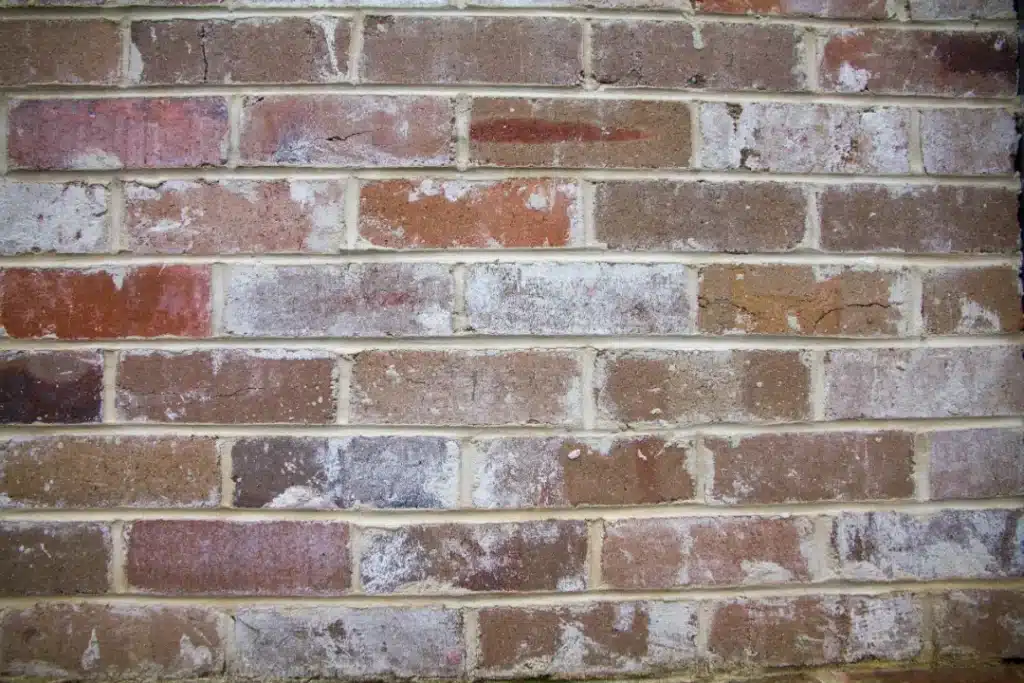
Preparation and Inspection
The preparation and inspection phase is vital for the success of the repointing process. Checking the weather forecast is the first step since repointing is best done during dry, mild weather. Raking out the existing mortar to a depth of at least 15 mm to 20 mm is necessary to provide a solid base for the new mortar.
Wetting the area and mortar joint helps remove dust and prepare the surface for new mortar application.
This preparation ensures that the new mortar bonds effectively with the existing brickwork, maintaining the structural integrity of the wall. Thorough inspection and preparation significantly impact the quality and durability of the repointing work. transforming garden spaces with color can also enhance the overall aesthetic of your property. By carefully selecting vibrant plants and decorative elements, you can create a welcoming environment that draws attention. This harmonious blend of nature and design adds value to your home while providing a space for relaxation and enjoyment.
Applying New Mortar
The application of new mortar requires precision and skill. Mortar quality should be applied using a pointing trowel, ensuring it fills the joints tightly to avoid air pockets.
Jointing tools can be used to shape and smooth cement mortar joints after application, providing a consistent and aesthetically pleasing appearance. The best mortar will enhance the overall durability and appearance of the work.
Controlling the curing time is crucial, especially in varying weather conditions.
Accurate application ensures a durable and visually appealing finish.
Cleanup and Final Touches
Cleanup and final touches are crucial for a pristine look on the brickwork. Excess mortar should be cleaned off the brick surface promptly after application to prevent staining. In addition to removing excess mortar, employing effective cleaning techniques for interior brick can enhance its appearance and longevity. Utilizing appropriate tools and solutions will help maintain the natural beauty of the brick while ensuring any residue is thoroughly eliminated. Regular cleaning and maintenance will also prevent dirt from accumulating and keep the interior spaces looking fresh and inviting. To achieve the best cleaning methods for brick fireplaces, it’s essential to use a suitable brush and a mild detergent mixed with water. Mixing a vinegar solution can also help to eliminate stubborn stains without damaging the brick. Frequent upkeep not only preserves the aesthetic appeal but also extends the lifespan of the fireplace.
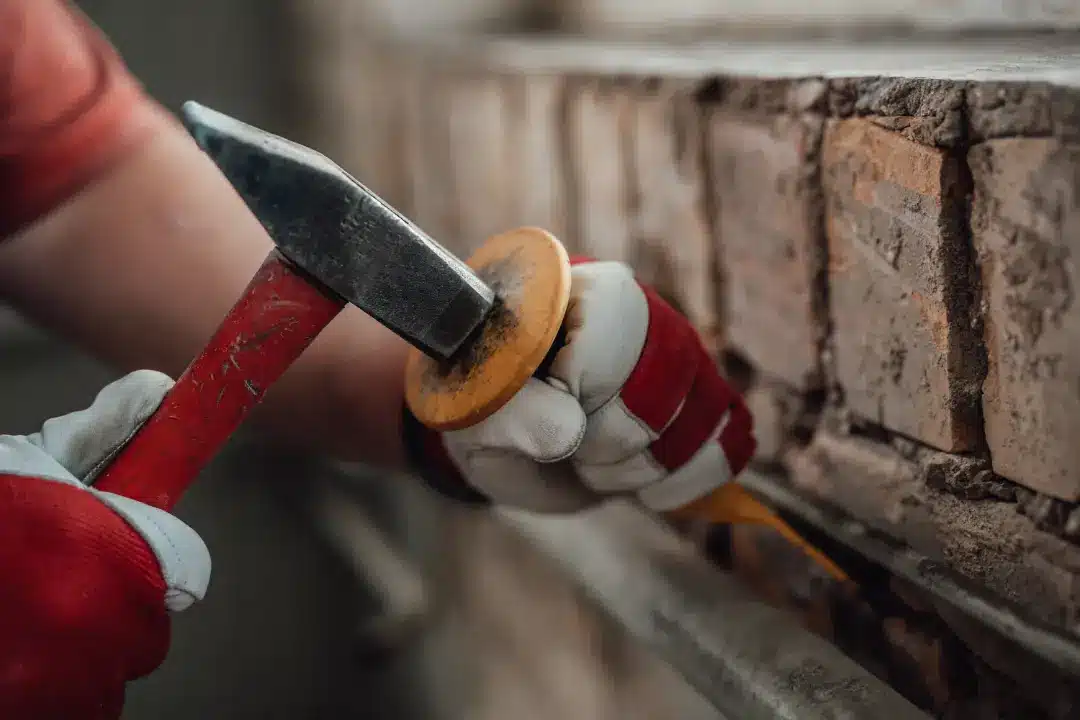
If dry mortar is stuck on bricks, using a hose and drilling equipment, wetting the wall before drilling, or using a chisel can help remove it.
A damp sponge or cloth can be used to remove excess mortar from bricks without smudging the fresh joints. Thorough cleanup after applying new mortar ensures the brickwork looks clean and professional. This final step completes the repointing process, ensuring the repointed brickwork is in excellent condition.
How Weather Conditions Impact Repointing Time
Weather conditions play a significant role in the success and duration of a repointing project.
Planning around local weather conditions can significantly enhance the project’s success. Scheduling repointing during dry weather minimises risks associated with heavy rain that can weaken new mortar.
Ideal conditions for repointing include:
- Humidity levels between 40% and 70%, ensuring effective mortar curing.
- Performing repointing in spring or autumn when temperatures are moderate, aiding mortar curing.
- Avoid cold winter temperatures, which can hinder mortar curing and risk the structural integrity of repointed areas.
- Avoid extreme weather conditions to achieve optimal results.
Professional vs. DIY Repointing Timelines
Choosing between professional and DIY repointing can significantly impact the project timeline:
- Professional repointing guarantees superior craftsmanship.
- It can reduce the time spent on the project.
- For larger or more intricate repointing tasks, enlisting a professional is advisable to ensure the job is done effectively.
DIY repointing tasks are best suited for minor repairs or small areas due to the complexity involved. Moreover, undertaking repointing as a DIY project can be laborious and often requires a skilled individual to succeed.
These factors help determine the best factor for your repointing project.
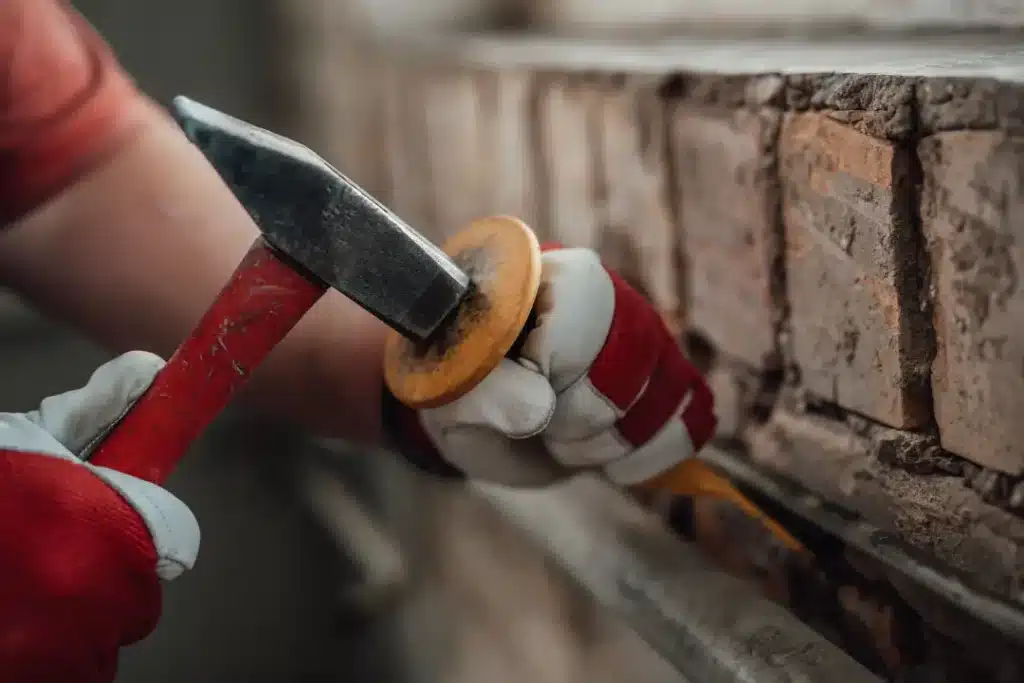
Why Choose Environ Property Services for Your Repointing Needs?
If your brickwork is crumbling, water is seeping in, or your home just looks tired, don’t wait. At Environ Property Services, we specialise in fast, faultless repointing that protects your home from the inside out.
Whether your walls need a light touch-up or full restoration, our London-based team delivers structured timelines, meticulous attention to detail, and zero guesswork. We specialize in brick repointing services in London to enhance the durability and aesthetics of your property. Our skilled professionals use high-quality materials and techniques that ensure long-lasting results. Trust us to revitalize your brickwork while maintaining the character of your home.
Let us restore stability, stop damp at its source, and bring your property back to life with period-appropriate care.
You’ve just read what goes into a proper repointing job. Now, let us show you how we make it faster, cleaner, and more effective than DIY or generic contractors ever could.
Contact us today to get your walls professionally assessed and repointed
Frequently Asked Questions
How long does it take to repoint an entire house?
Repointing an entire house generally takes between one week to 20 days, depending on the project’s size and complexity. Therefore, proper planning is essential to ensure timely completion.
What factors influence the duration of a repointing project?
The duration of a repointing project is significantly influenced by factors including the size of the wall, the extent of damage, the chosen pointing style, and prevailing weather conditions. Ensuring these factors are assessed will help in planning the project timeline effectively.
Can I repoint my brickwork myself?
Yes, you can repoint your brickwork yourself for minor repairs, but it is labour-intensive and requires specific skills. For larger or more complex projects, it is advisable to hire a professional.
How do weather conditions affect the repointing process?
Weather conditions significantly impact the repointing process, as dry weather and moderate temperatures with humidity levels between 40% and 70% are essential for optimal mortar curing. Therefore, it is advisable to schedule repointing during favourable weather to ensure the best results.
Conclusion
The duration of repointing projects can vary based on several factors, including the size of the wall, the extent of damage, the pointing style, and weather conditions.
Small areas can be completed in a day, medium-sized projects can be completed in a few days to weeks, and large-scale jobs may take a week or more.
Each step in the repointing process, from preparation and inspection to applying new mortar and final cleanup, plays a crucial role in ensuring the quality and durability of the work.
Choosing between professional and DIY repointing can impact the timeline and overall success of the project.