Understanding the Importance of Brick Repointing
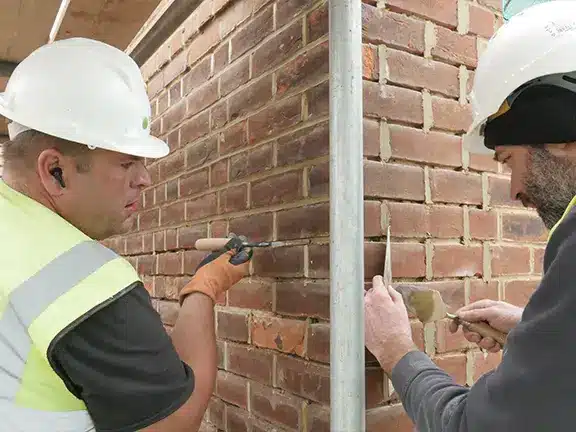
Brick repointing is a critical maintenance task that ensures the structural integrity of brick buildings. Over time, mortar can deteriorate due to weather exposure, leading to water infiltration and potential damage to the bricks themselves.
By addressing repointing needs promptly, homeowners can prevent more extensive and costly repairs down the line. Regular inspections and timely repointing can extend the life of the building, preserving both its aesthetic appeal and structural health.
Factors Affecting the Cost of Brick Repointing in London
The cost of brick repointing in London can vary significantly based on several factors, including the extent of damage, the type of mortar used, and the complexity of the job. Homeowners should be aware of these variables when budgeting for restoration projects.
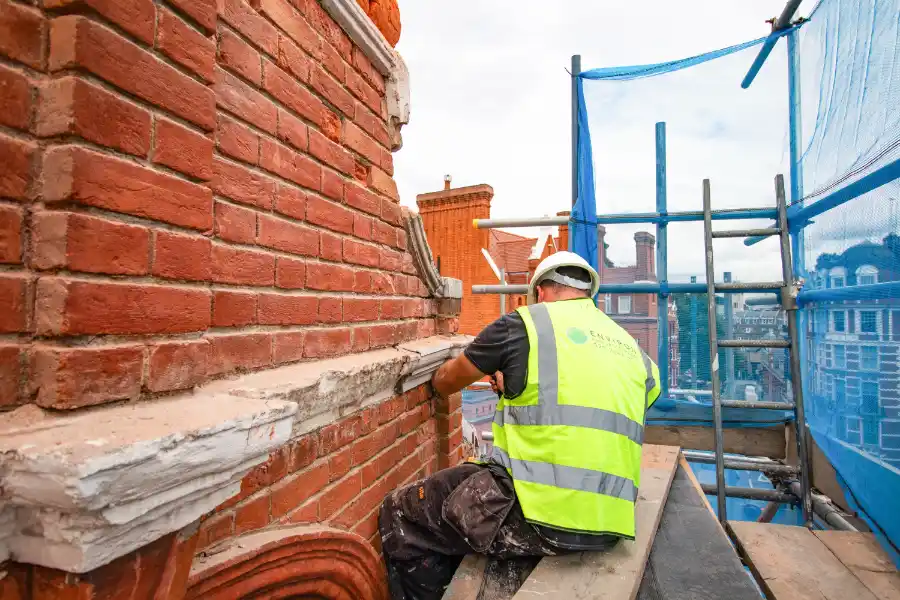
For instance, intricate brickwork or hard-to-reach areas may require specialized tools and techniques, increasing labor costs. Additionally, the choice of high-quality, weather-resistant mortar can lead to higher initial expenses but may save money in the long run by reducing maintenance needs.
Choosing the Right Mortar for Repointing
Selecting the appropriate mortar for repointing is essential to ensure compatibility with the existing brickwork. Different types of mortar offer varying levels of flexibility, strength, and breathability, which can affect the longevity of the repair.
For example, lime-based mortars are often preferred for older buildings due to their ability to accommodate movement and allow moisture to escape, preventing damage. Consulting with a restoration expert can help homeowners make informed decisions about the best mortar for their specific needs.
Common Signs Your Brickwork Needs Attention
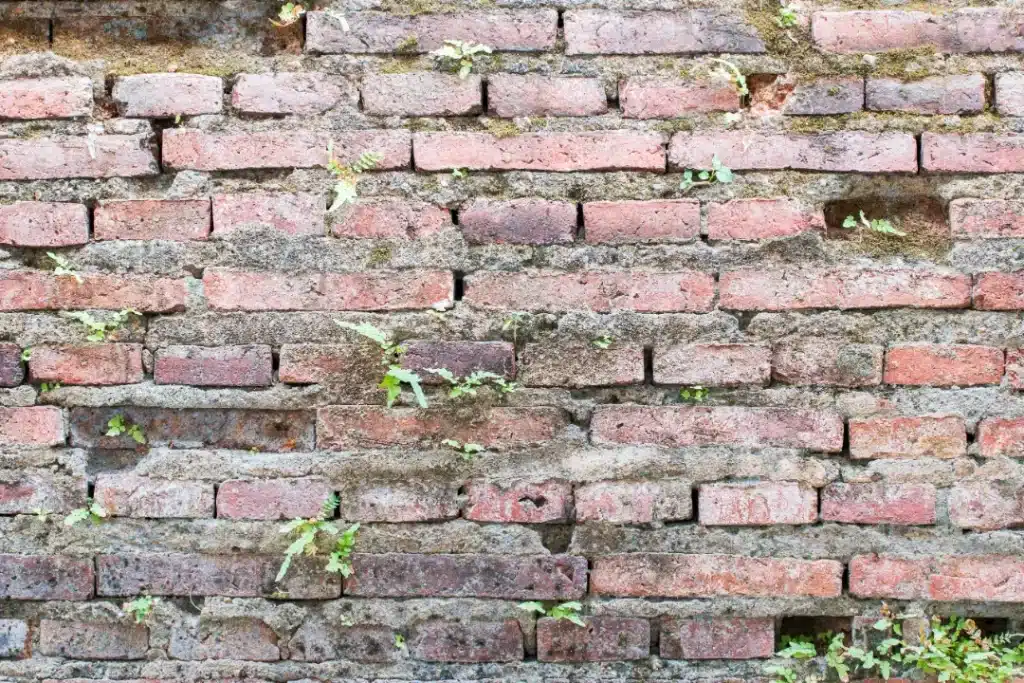
Homeowners should be vigilant for signs that their brickwork may require repointing or other maintenance. Cracked or crumbling mortar, water stains, and visible gaps between bricks are all indicators that repairs may be necessary.
Additionally, if you notice any significant changes in the alignment of bricks or if water is pooling near the foundation, it’s crucial to seek professional advice. Early intervention can prevent further deterioration and maintain the safety and aesthetics of the property.
Understanding the Importance of Brick Repointing
Brick repointing is a critical maintenance task that ensures the structural integrity of brick buildings. Over time, mortar can deteriorate due to weather exposure, leading to water infiltration and potential damage to the bricks themselves.
By addressing repointing needs promptly, homeowners can prevent more extensive and costly repairs down the line. Regular inspections and timely repointing can extend the life of the building, preserving both its aesthetic appeal and structural health.
Factors Affecting the Cost of Brick Repointing in London
The cost of brick repointing in London can vary significantly based on several factors, including the extent of damage, the type of mortar used, and the complexity of the job. Homeowners should be aware of these variables when budgeting for restoration projects.
For instance, intricate brickwork or hard-to-reach areas may require specialized tools and techniques, increasing labor costs. Additionally, the choice of high-quality, weather-resistant mortar can lead to higher initial expenses but may save money in the long run by reducing maintenance needs.
Choosing the Right Mortar for Repointing
Selecting the appropriate mortar for repointing is essential to ensure compatibility with the existing brickwork. Different types of mortar offer varying levels of flexibility, strength, and breathability, which can affect the longevity of the repair.
For example, lime-based mortars are often preferred for older buildings due to their ability to accommodate movement and allow moisture to escape, preventing damage. Consulting with a restoration expert can help homeowners make informed decisions about the best mortar for their specific needs.
Common Signs Your Brickwork Needs Attention
Homeowners should be vigilant for signs that their brickwork may require repointing or other maintenance. Cracked or crumbling mortar, water stains, and visible gaps between bricks are all indicators that repairs may be necessary.
Additionally, if you notice any significant changes in the alignment of bricks or if water is pooling near the foundation, it’s crucial to seek professional advice. Early intervention can prevent further deterioration and maintain the safety and aesthetics of the property.