Repointing means refreshing the mortar between your bricks or stones to keep your property sound and stop water from getting in – a crucial job for London homes of any age.
While DIY might seem like a cost saver, the wrong mortar, poor technique, or weak safety can lead to damp, damaged bricks and costly fixes. This guide covers repointing basics, helps you judge DIY feasibility, and outlines when to call Environ Restoration Services. You’ll learn:
- What repointing is and why healthy mortar matters
- DIY pitfalls and limits for both period and modern homes
- Tell-tale signs you need a specialist
- What to expect in terms of costs and process in London
- The clear advantages of letting the professionals handle your repointing
What Is Repointing and Why Is It Essential for Your House?
Repointing is the process of carefully removing old, worn-out mortar from masonry joints and replacing it with new mortar. This keeps walls stable and weather-resistant. By restoring the seal between bricks or stones, repointing stops moisture from seeping in, preventing damp, frost damage, and structural weakening over time.
For instance, a Victorian terrace with failing lime mortar will quickly show loose bricks and internal plaster damage if it’s not addressed. Assessing your mortar’s condition is the first step to sound decisions.
The Essential Role of Repointing in Structural Integrity and Moisture Control
Repointing is a critical maintenance task: renewing deteriorated mortar joints to maintain stability and prevent water ingress. Compromised mortar lets moisture penetrate masonry, causing damp, freeze-thaw damage, efflorescence, and potential structural issues if left unchecked.
What Does Repointing Involve in Brickwork and Stonework?
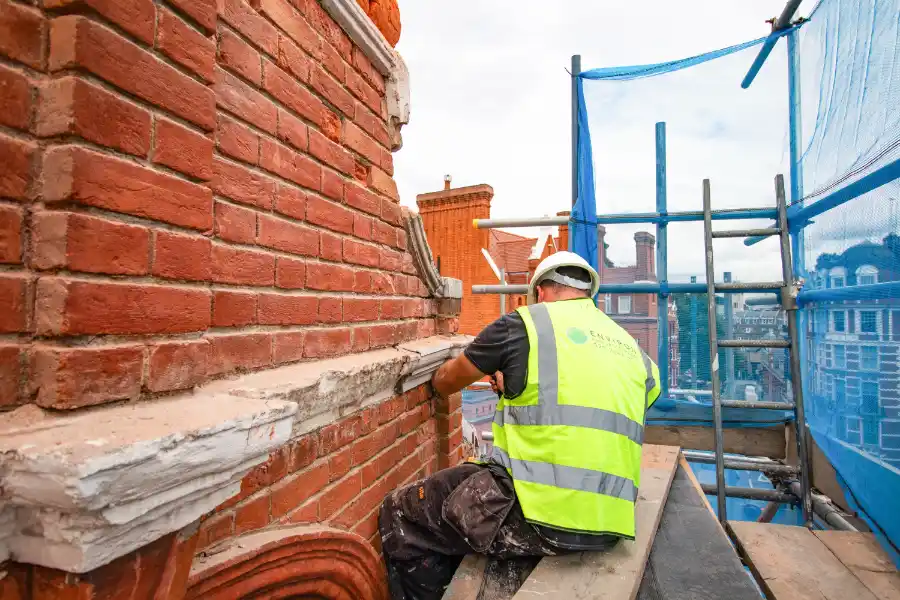
When repointing brickwork or stonework, carefully rake out old mortar to a consistent depth, about twice the joint thickness, using hand tools or specialised, low-speed grinders. Clear debris, lightly dampen the surface, then pack a matched lime or cement mortar firmly into each joint and tool to the original finish. Proper, controlled curing prevents shrinkage and ensures a strong bond. For homeowners looking to enhance the longevity and appearance of their masonry, understanding brick cleaning techniques for homeowners can be invaluable. Regular maintenance, including gentle cleaning methods, can preserve the integrity of brick surfaces and prevent the buildup of grime and moss. Additionally, utilizing appropriate cleaning solutions tailored for brick can help restore its original luster without causing damage.
Why Is Mortar Condition Critical for Property Health?
Mortar does more than hold bricks together; it also seals the wall. When joints crumble or crack, rainwater soaks into the masonry, damaging internal finishes and timber. Left unchecked, damp can lead to mould, joist rot, and costly repairs. Keeping joints sound protects both your property’s appearance and its interior.
How Does Repointing Protect Against Damp and Water Ingress?
By resealing joints with the right mortar, especially breathable lime on older buildings, repointing channels moisture vapour outwards instead of trapping it. This moisture management reduces internal condensation, prevents salt crystallisation, and extends the life of brick and stone façades. It also preserves historic materials and limits efflorescence.
DIY Repointing in London: Assessing Feasibility and RisksCan I Repoint My House Myself? Assessing the Feasibility and Risks of DIY Repointing
While small, localised repairs may suit a confident DIYer, full repointing demands technical know-how and specific materials. Lime mortar needs precise mix ratios and controlled curing that most DIYers lack. Recreating joint profiles, matching historic styles, and protecting works from weather mean extensive DIY repointing often creates more problems than it solves.
What Are the Common Risks of DIY Repointing?
Before you pick up a trowel, consider these risks:
- Using the wrong mortar mix can trap moisture, leading to brick spalling.
- Raking out the old mortar too deeply or using power tools incorrectly can chip or damage the brick edges.
- Poor compaction of new mortar can leave the wall weaker overall.
- Uneven finishes and mismatched colours harm kerb appeal.
- Cutting corners on safety increases the risk of falls, harmful dust exposure, and tool accidents.
These risks often make professional remedial work cost far more than hiring an expert from the start.
Risks of Incompatible Mortar and DIY Repointing
Using hard, impermeable cement mortar on historic buildings designed for lime can trap moisture and accelerate decay and spalling. DIY without adequate expertise risks wrong mortar selection, poor technique, and safety issues, often causing structural damage and expensive remediation.
How Can Using the Wrong Mortar Affect Historic and Modern Properties?
Older, historic buildings typically need lime mortar because it’s breathable and flexible. Modern brickwork often uses cement mortar for strength. Using strong cement on soft, porous historic bricks can trap moisture, causing faster decay and cracking. Conversely, weaker lime on dense modern blocks may lack compressive strength. Choosing the right mortar is essential for long-term performance.
When Is DIY Repointing Suitable and When Should You Avoid It?
For experienced DIYers, small tasks around window frames or on garden walls can be feasible with the right tools and materials. Avoid DIY repointing when:
- Large areas of failing mortar are present.
- You live in a historic or listed property requiring heritage materials.
- You see signs of damp or structural movement.
- Work is at height and needs scaffolding or specialised access.
For large-scale or sensitive repairs, hire a professional.
What Safety Considerations Should DIYers Be Aware Of?
Working at height, on ladders or scaffolds carries a real risk of falls. Dust from old mortar can contain harmful silica. If you use power tools, wear appropriate PPE: respirator, eye protection, gloves, and hearing protection. Always assess the work area, use the right equipment, and follow local regulations before you start.
When Should You Hire Professional Repointing Services in London?
Knowing when to call experts saves time, money, and disruption. Environ Restoration Services offer comprehensive brick repointing with extensive experience across historic and modern London properties, delivering work to high standards and in line with relevant regulations.
What Property Types Require Specialist Repointing Expertise?
- Properties that are listed or located in conservation areas have strict requirements for heritage mortar.
- Tall buildings or multi-storey blocks require safe, compliant access solutions.
- Commercial façades are exposed to heavy traffic and pollution.
- Period terraces with decorative pointing styles.
- Stone-built townhouses require bespoke techniques to match existing materials.
How Do Professionals Ensure Correct Mortar Matching and Quality?
Skilled masons analyse the porosity of your bricks or stone, the joint profile, and the original mortar composition before creating a custom on-site lime or cement mix. They may carry out trial repairs and use blended pigments to match colour and texture. Following guidance from bodies like SPAB and Historic England helps preserve your property’s original character.
What Are the Long-Term Benefits of Professional Repointing?
Having your property professionally repointed strengthens the structure and can extend façade life for decades. It restores visual appeal and ensures the mortar resists weathering while allowing walls to breathe, helping prevent damp-related decay. High-quality workmanship also improves kerb appeal and can support resale value.
Benefits of Professional Repointing for Longevity and Value
Professional repointing uses correctly matched mortars and precise techniques, following heritage guidance where required. This approach enhances structural integrity, extends façade lifespan, restores visual appeal, and helps prevent costly future repairs, supporting overall property value.
How Does Professional Repointing Prevent Costly Future Repairs?
By addressing failing mortar joints, expert repointing blocks water ingress, preventing damage to plaster, timber, and finishes. Furthermore, a clear warranty means unexpected issues can be resolved without additional cost, making professional repointing a cost-effective long-term solution.
How Much Does Repointing Cost in London? Understanding Pricing Factors and Estimates
Repointing costs in London vary by property type, mortar, building condition, and access (including scaffolding or traffic management). A detailed site survey provides the most accurate estimate.
What Factors Influence Repointing Costs in London?
Here’s a breakdown of the main factors that affect the price:
| Cost Element | Impact on Price | Typical London Range |
|---|---|---|
| Property Size | Larger areas usually mean a lower cost per square metre | £35–£90 per m² |
| Mortar Type | Lime mortar requires more specialised mixing and application | An additional 30–50% compared to cement mortar |
| Scaffolding & Access | Includes things like stairs, traffic control, and permits | £1,000–£4,000 per project |
| Conservation Regime | Listed building consents and specific heritage materials | An additional 20–40% for heritage works |
| Site Location | Congestion charges, parking restrictions, and accessibility | An extra £200–£500 |
How Do Costs Differ Between Lime Mortar and Cement Mortar Repointing?
Lime mortar repointing generally costs more: it takes longer, needs controlled curing, and often involves specialised labour. Cement mortar applies faster but is less suitable for older façades. The table below highlights key differences:
| Mortar Type | Characteristic | Cost Factor |
|---|---|---|
| Cement Mortar | Fast curing, forms a rigid bond | Standard rate per m² |
| Lime Mortar (NHL) | Breathable, flexible, allows moisture to escape | 30–50% higher due to increased labour and material costs |
What Additional Expenses Should London Property Owners Expect?
In addition to the basic repointing costs, you might also need to budget for:
- Obtaining approval from a conservation officer or securing listed-building consent.
- Arranging traffic management or hiring a skip if you’re working on a busy street.
- Hiring specialist access equipment for buildings with intricate façades.
- Paying for quality assurance inspections and any associated warranties.
It’s wise to set aside an extra 10–15% of your budget as a contingency to cover any unforeseen expenses.
How Can You Get an Accurate Repointing Quote from Professionals?
The best way to get a precise quote is to arrange a free, no-obligation survey with Environ Restoration Services. We’ll inspect your brickwork, assess mortar condition, and determine any scaffolding needs. A thorough assessment, with sample panels and a detailed specification, lets us provide a clear, fixed-price quotation.
What Are the Signs That Your House Needs Repointing? Identifying Mortar and Brickwork Issues
Spotting early mortar failure is crucial to prevent damp and structural problems. Inspect regularly and act quickly when you notice these symptoms.
How to Spot Crumbling or Cracked Mortar Joints?
If mortar is powdery or cracked, gently probe with a fingernail. If loose material comes away easily and it’s deeper than about 5 mm, repointing is urgent. Ignoring cracks accelerates masonry deterioration.
What Does Damp or Water Ingress Look Like on Brick Walls?
Stains, peeling paint, or white powdery deposits (efflorescence) on internal walls often indicate moisture penetrating through failed joints. Persistent damp around windows or at wall bases is frequently due to compromised pointing, not just rising damp.
How Do Loose or Spalling Bricks Signal Repointing Needs?
If bricks feel loose or faces flake, moisture is likely trapped, and joints have failed. Early repointing can prevent brick replacement and help preserve original materials.
Can Vegetation Growth Indicate Mortar Deterioration?
Moss or small plants starting to grow in your mortar joints can be a sign that moisture is being retained and that the joints have become open and porous. Removing this vegetation and repointing the joints will restore their integrity and prevent the roots from causing further damage.
What Is the Professional Repointing Process? From Survey to Finish Explained
We follow a structured process from initial inspection to final handover to ensure consistent quality.
How Do Professionals Conduct a Site Survey and Assessment?
Our experts examine brick or stone porosity, existing mortar composition, and wall alignment. They use depth gauges to measure loss and moisture meters to identify dampness. A comprehensive report details recommended mortar types, scaffolding requirements, and relevant regulations.
What Are the Steps for Removing Old Mortar Safely?
With access equipment in place, our masons rake out old mortar by hand or use low-impact grinders to a consistent depth, taking care not to damage brick faces. Debris is removed, and joints are lightly misted to aid adhesion.
How Is New Mortar Applied and Finished for Best Results?
Mortar is mixed precisely on-site to match the original composition, colour, and texture. Using specialised pointing irons, our team packs new mortar firmly into each joint, then trowels the surface to replicate historic profiles. The mortar cures under controlled conditions, often with damp hessian coverings, for optimal strength and durability.
What Quality Assurance Measures Ensure Durable Repointing?
Our site foremen conduct interim inspections to verify compaction, colour consistency, and curing conditions. Final sign-off includes photographic records, warranty documentation, and clear maintenance advice.
What Are the Benefits of Professional Repointing Compared to DIY?
Working with qualified masons provides lasting protection, a cohesive finish, and better whole-life value for your property.
How Does Professional Repointing Enhance Structural Integrity?
With well-matched mortars and precise joint packing, professionals reinforce wall stability. This reduces settlement cracks and movement-induced fissures, maintaining consistent compression for uniform load distribution.
In What Ways Does Expert Repointing Improve Property Appearance?
Accurate colour matching, faithful traditional profiles, and clean tool finishes restore your property’s original character. A cohesive, well-maintained façade boosts kerb appeal and complements surrounding details.
How Can Professional Work Increase Your Property’s Market Value?
When buyers and valuers see high-standard repointing, it signals good maintenance. Homes with intact, breathable pointing can attract stronger offers and reduce negotiation issues over damp or structural repairs.
Why Is Professional Repointing a Cost-Effective Long-Term Solution?
While upfront costs may be higher than DIY, professional repointing helps avoid recurring patch repairs, costly damp remediation, and future structural interventions. A professional warranty further protects against unforeseen expenses, supporting a sound long-term decision.
Frequently Asked Questions About DIY and Professional Repointing in London
Can I Repoint My Own House Without Professional Help?
For very small tasks in low-risk areas, experienced DIYers may manage if they follow correct mixing and safety guidelines. For extensive works or heritage-grade materials, specialist skills are essential to avoid long-term damage and wasted effort.
How Often Should a House Be Repointed?
Most brick and stone buildings need repointing roughly every 40–60 years, depending on exposure and original mortar quality. Properties in high-pollution or coastal areas may need more frequent maintenance.
What Is the Best Mortar Mix for Repointing Different Properties?
Historic properties generally benefit from natural hydraulic lime mortars, which allow moisture to evaporate. Modern brickwork typically uses a cement-lime blend for strength. A professional assessment ensures the correct mix for your property.
What Happens If You Don’t Repoint Your House on Time?
Delaying repointing allows water to penetrate walls, causing damp plaster, timber rot, and potential wall destabilisation. Left unchecked, internal repair costs can far exceed the original façade works.
Is Repointing Worth the Investment for London Property Owners?
Professional repointing protects the building envelope, enhances appearance, and helps prevent expensive future repairs. For London homes, especially historic terraces, it supports both longevity and market value.
Keeping mortar joints in good condition is vital for protecting your London property from damp, structural issues, and visual decline. While small isolated DIY repairs may be manageable, comprehensive repointing needs the precision, material knowledge, and safety standards of qualified professionals.
Environ Restoration Services combines time-honoured lime techniques with modern best practices to deliver durable results. Arrange a free, no-obligation survey to protect your home’s brickwork for years to come.