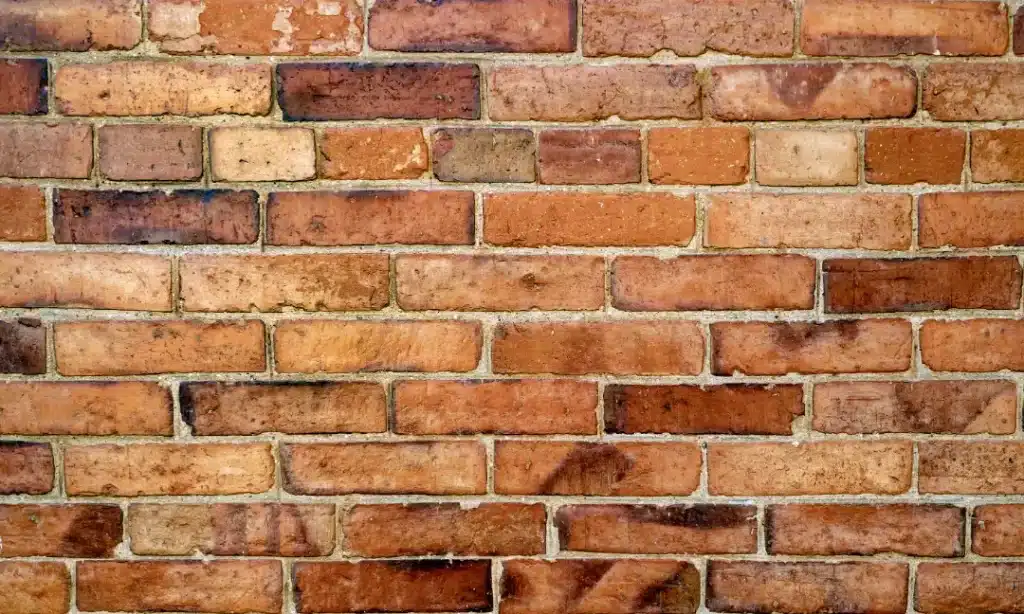
Understanding the Repointing Process: Step-by-Step Guide
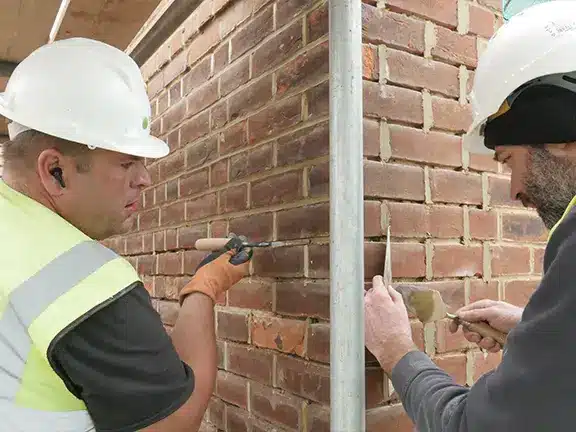
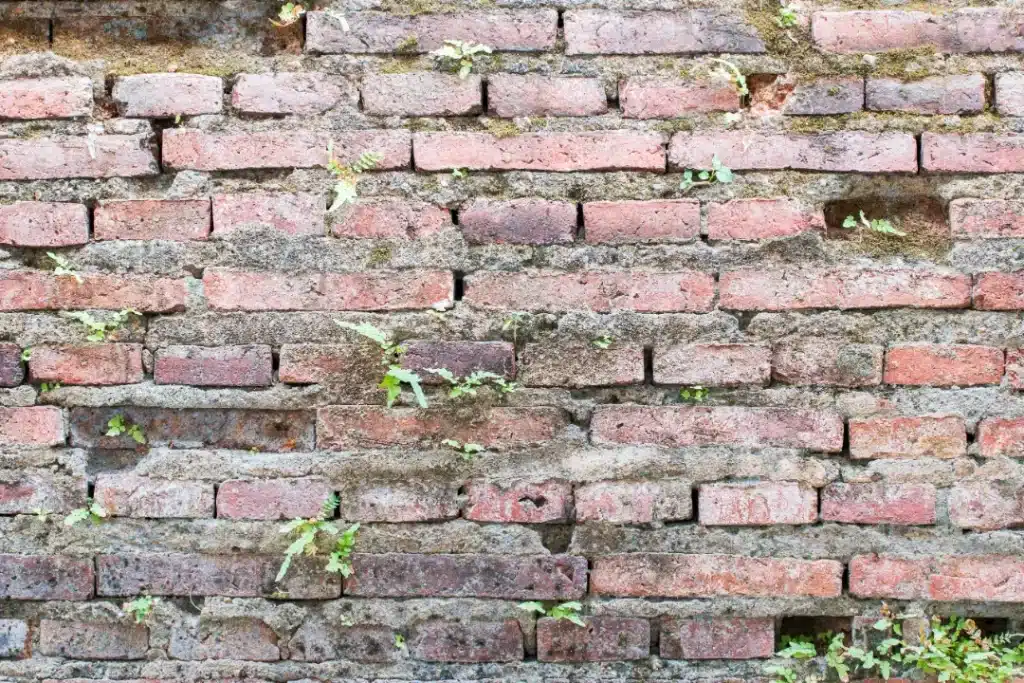
Repointing is a meticulous process that involves removing old, damaged mortar from brick joints and replacing it with new mortar. This procedure not only enhances the aesthetic appeal of a building but also prevents water ingress and structural damage. Homeowners should be aware of the specific steps involved, including assessing the condition of the existing mortar, choosing the right type of mortar, and ensuring proper application techniques.
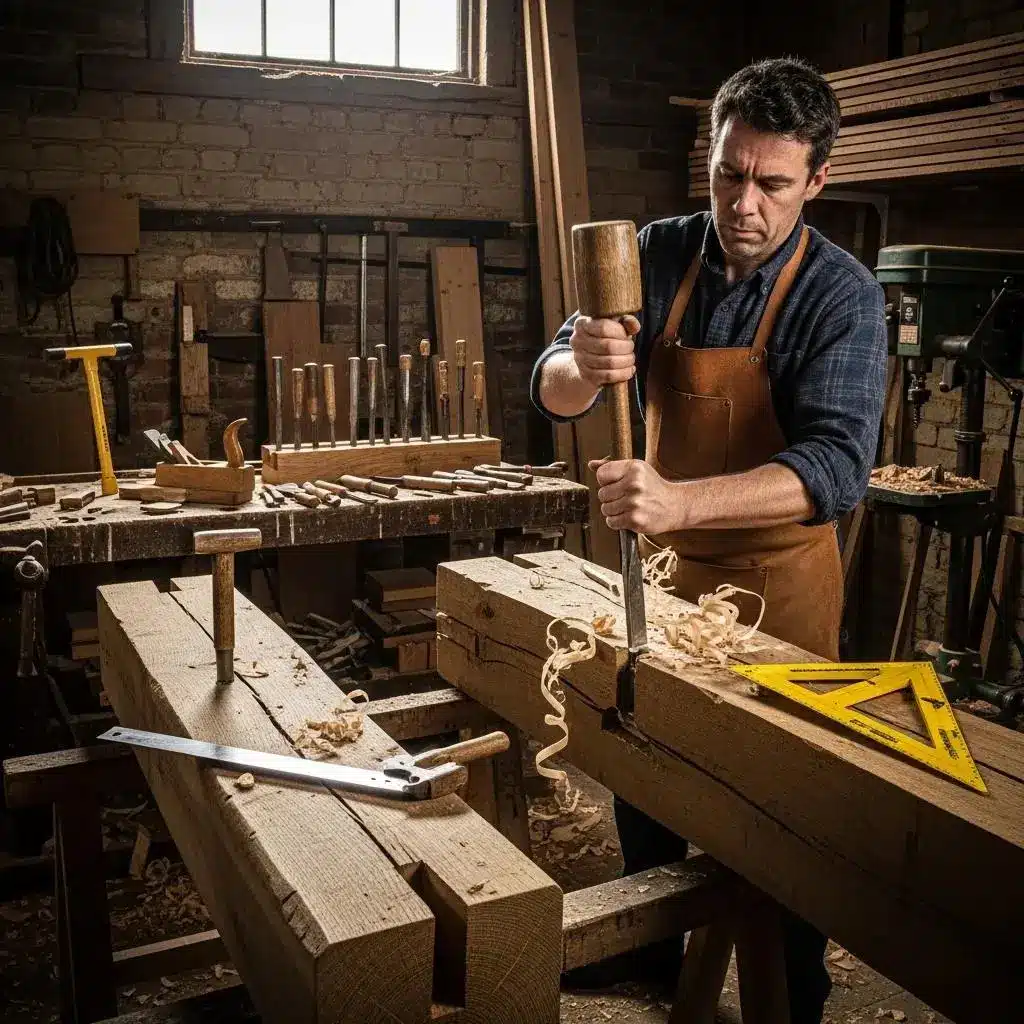
In London, where many buildings feature historic brickwork, using lime mortar is often recommended for heritage properties. This type of mortar allows for flexibility and breathability, essential for preventing moisture buildup. Additionally, understanding the tools required, such as chisels and pointing trowels, can empower homeowners to make informed decisions when hiring professionals or considering a DIY approach.
Common Mistakes to Avoid When Repointing
Many homeowners underestimate the complexity of repointing, leading to common mistakes that can compromise the integrity of their brickwork. One frequent error is using the wrong type of mortar, which can lead to further damage. It's crucial to match the mortar's composition to the original to maintain the building's character and structural health.
Another mistake is neglecting to prepare the surface properly before applying new mortar. Failing to clean out old mortar completely can result in poor adhesion and premature failure of the new joints. By understanding these pitfalls, homeowners can either take the necessary precautions themselves or communicate effectively with contractors to ensure a successful repointing job.
Choosing the Right Materials for Repointing
Selecting the right materials is essential for a successful repointing project. The choice of mortar, especially in historic buildings, should be based on the original materials used and the specific environmental conditions of the property. Lime-based mortars are often preferred for their compatibility with older brickwork, allowing for movement and breathability.
Additionally, homeowners should consider the color and texture of the mortar to ensure it blends seamlessly with the existing brickwork. This attention to detail not only preserves the building's aesthetic but also contributes to its long-term durability. Consulting with restoration experts can provide valuable insights into the best materials suited for specific restoration needs.
Benefits of Professional Repointing Services
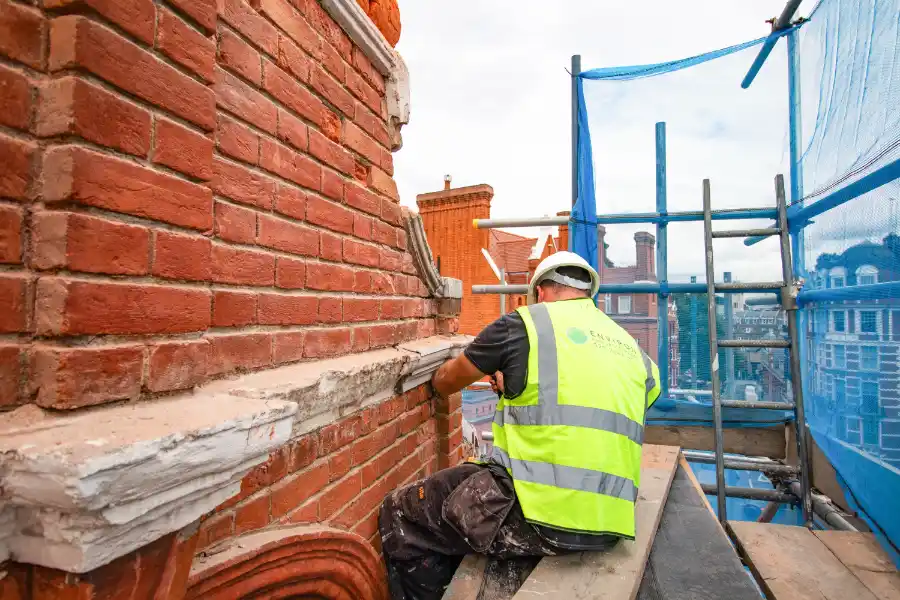
Engaging professional repointing services offers numerous advantages, particularly for intricate historic restorations. Experts bring specialized knowledge and experience, ensuring that the work is completed to high standards and in compliance with local regulations. Their understanding of material science allows for the selection of optimal products that enhance the building's longevity.
Moreover, professional services often provide warranties and guarantees for their work, offering homeowners peace of mind. This can be especially important in London, where the unique architectural heritage necessitates a careful and knowledgeable approach to restoration. Investing in professional services can ultimately save time and money by preventing costly future repairs.
Understanding the Repointing Process: Step-by-Step Guide
Repointing is a meticulous process that involves removing old, damaged mortar from brick joints and replacing it with new mortar. This procedure not only enhances the aesthetic appeal of a building but also prevents water ingress and structural damage. Homeowners should be aware of the specific steps involved, including assessing the condition of the existing mortar, choosing the right type of mortar, and ensuring proper application techniques.
In London, where many buildings feature historic brickwork, using lime mortar is often recommended for heritage properties. This type of mortar allows for flexibility and breathability, essential for preventing moisture buildup. Additionally, understanding the tools required, such as chisels and pointing trowels, can empower homeowners to make informed decisions when hiring professionals or considering a DIY approach.
Common Mistakes to Avoid When Repointing
Many homeowners underestimate the complexity of repointing, leading to common mistakes that can compromise the integrity of their brickwork. One frequent error is using the wrong type of mortar, which can lead to further damage. It's crucial to match the mortar's composition to the original to maintain the building's character and structural health.
Another mistake is neglecting to prepare the surface properly before applying new mortar. Failing to clean out old mortar completely can result in poor adhesion and premature failure of the new joints. By understanding these pitfalls, homeowners can either take the necessary precautions themselves or communicate effectively with contractors to ensure a successful repointing job.
Choosing the Right Materials for Repointing
Selecting the right materials is essential for a successful repointing project. The choice of mortar, especially in historic buildings, should be based on the original materials used and the specific environmental conditions of the property. Lime-based mortars are often preferred for their compatibility with older brickwork, allowing for movement and breathability.
Additionally, homeowners should consider the color and texture of the mortar to ensure it blends seamlessly with the existing brickwork. This attention to detail not only preserves the building's aesthetic but also contributes to its long-term durability. Consulting with restoration experts can provide valuable insights into the best materials suited for specific restoration needs.
Benefits of Professional Repointing Services
Engaging professional repointing services offers numerous advantages, particularly for intricate historic restorations. Experts bring specialized knowledge and experience, ensuring that the work is completed to high standards and in compliance with local regulations. Their understanding of material science allows for the selection of optimal products that enhance the building's longevity.
Moreover, professional services often provide warranties and guarantees for their work, offering homeowners peace of mind. This can be especially important in London, where the unique architectural heritage necessitates a careful and knowledgeable approach to restoration. Investing in professional services can ultimately save time and money by preventing costly future repairs.