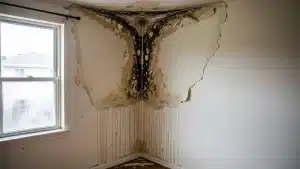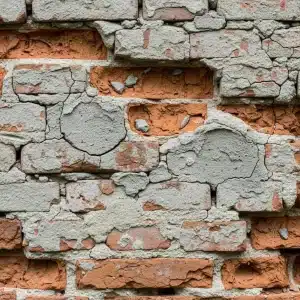
London’s exposed indoor brickwork can show mineral deposits or grime within a decade, largely due to moisture and soot. This guide explains why interior brick attracts efflorescence, soot, mould, and paint stains, outlines effective removal techniques for delicate or historic brick, and shows when to call specialists.
It also covers methods for solid, veneer, and faux brick, essential maintenance and sealing, London-specific cost factors, and common FAQs, always with preservation in mind. Mastering these techniques restores your brickwork’s character and improves its appearance.
Common Issues Affecting Interior Brick Walls
Interior brick surfaces are prone to staining and damage because brick and mortar are porous. Efflorescence appears as powdery white salts when moisture dissolves minerals and evaporates.
Soot stains accumulate near fireplaces or wood burners from incomplete combustion, leaving carbon on the masonry. Mould and mildew flourish in damp areas, discolouring joints and brick faces. Paint overspray or graffiti can bond stubbornly, requiring targeted removal. Identify the stain first to choose a method that cleans without damaging the brick or mortar.
For clarity, here’s a breakdown of common interior brick challenges:
- Efflorescence: Powdery salt deposits on brick surfaces.
- Soot and Carbon Residue: Darkening around hearths and fireplaces.
- Organic Growth: Mould, mildew, and algae in damp zones.
- Surface Grime: Accumulated dust, dirt, and airborne particles.
- Paint and Adhesives: Splatters, smears, and stubborn residues.
Each issue needs a targeted approach, informing the most effective methods for historic and contemporary brickwork.
Understanding and Removing Efflorescence from Interior Brick
Efflorescence is a crystalline salt layer that forms when moisture carries minerals to the surface and evaporates, leaving a powdery deposit that can dull brick and weaken mortar over time.
A mild acidic solution, one part white vinegar to ten parts water, applied with a soft nylon brush, dissolves the salts; thorough drying helps prevent return. Professionals use controlled moisture management and specialised removers to extract salts without harming the brick. Understanding salt migration enables precise treatment and long-term prevention.
Addressing Soot Stains on Interior Brick Fireplaces
Soot on interior brick arises from incomplete combustion of wood or coal, releasing carbon particles that cling to porous surfaces and darken them over time. Effective removal often uses low-pressure steam with pH-neutral detergents to lift residues without altering colour.
For stubborn stains, a carefully applied ammonium-based cleaner can break down carbon bonds before a gentle rinse. Recognising soot’s hydrophobic nature helps select the right steam-and-surfactant combination.
Identifying and Treating Mould, Dirt, and Paint Stains on Interior Brick
Mould and dirt typically appear as dark spots or greenish streaks in areas with poor ventilation or water ingress. Paint stains may form as flaky layers adhered to the masonry. For mould, scrub with a mild, bleach-free fungicidal detergent, rinse until pores are clear, and allow complete air-drying.
General grime responds to non-ionic detergents and soft-bristle brushes that dislodge particles without abrasion. For stubborn paint, a baking-soda poultice can soften the coating before careful removal with a gentle scraper or masonry-specific strippers. Identify each stain’s bond to choose the safest method.
Effective Cleaning Methods for Interior Brick Walls
The right cleaning method depends on brick type, stain severity, and any heritage sensitivity. Gentle steam cleaning (e.g., DOFF) uses controlled low-pressure steam to dissolve dirt and carbon without abrasion, ideal for porous or historic brick.
Chemical cleaning employs mild detergents, vinegar solutions, and baking-soda pastes; precise dilution and pH monitoring prevent etching. Manual cleaning with soft brushes and low-pressure water offers hands-on control for small areas but can be uneven if misapplied. Professionals often sequence methods to maximise removal while protecting mortar and texture.
The DOFF System: Gentle Steam Cleaning for Historic and Delicate Brick
Gentle steam cleaning, utilising systems like DOFF/ThermaTech, uses low-pressure high-temperature steam for sensitive cleaning. It softens and lifts grime, carbon residues, and organic growth without harsh abrasives.
The steam opens brick pores, dissolves contaminants, and flushes them away with minimal water, helping prevent oversaturation and efflorescence. For historic brickwork, steam cleaning preserves original mortar profiles and tooling marks, maintaining authenticity. Precise control protects delicate surfaces and reaches intricate crevices for comprehensive results.
Safe and Effective Use of Chemical Cleaners on Interior Brick
Chemical cleaners suit contaminants that need targeted dissolution, such as mineral deposits or paint residues. A pH-neutral detergent handles general grime, while a diluted vinegar solution can address light efflorescence. Baking-soda paste offers a gentle way to lift paint smears without harsh acidity.
Always test on a discreet area, apply with soft brushes or sponges, and rinse thoroughly to neutralise residues. Professionals follow a strict protocol: test patch → controlled application → dwell time → gentle agitation → thorough rinse → controlled drying, preventing overexposure that could erode brick or weaken mortar.
Manual Cleaning and Low-Pressure Washing: Advantages and Disadvantages
Manual cleaning with brushes and low-pressure water provides precise control for small stains and spot treatments. Operators can adjust pressure to avoid damage, and equipment needs are minimal, useful for minor upkeep.
However, manual methods are labour-intensive and can yield uneven results. Residual moisture may promote efflorescence or mould. Low-pressure washing covers larger areas more uniformly but requires careful water management to prevent oversaturation.
Both approaches complement professional steam and chemical treatments when done by experienced technicians.
Cleaning Different Types of Interior Brick Walls
Bricks vary in thickness, bonding, and backing, so cleaning methods must adapt. Solid interior brick walls are typically load-bearing and thicker; manage water carefully to prevent internal dampness.
Brick veneer has a thin brick layer on a backing, prevents water infiltration that could compromise adhesives. Faux brick panels (polyurethane or fibre cement) mimic masonry but react differently to moisture, needing non-abrasive dusting and gentle detergent wipes. Tailor the process to the wall’s construction to protect the substrate and maintain appearance.
Considerations for Cleaning Solid Brick Walls Indoors
Solid brick walls are highly porous and absorb moisture deeply, so methods must limit water and promote rapid drying. Steam cleaning uses minimal water, helping avoid saturation. Chemical solutions should be dilute, applied sparingly, and given controlled dwell times.
After cleaning, increase airflow and manage humidity to prevent dampness that can trigger efflorescence or mould. Understanding absorption helps set the right cleaning volume and drying strategy.
Safely Cleaning Brick Veneer Walls
Brick veneer has a thin masonry layer bonded to drywall or another backing. Water-based methods risk infiltration behind the veneer and possible delamination. Start with dry dusting, then spot-clean with a barely damp sponge and pH-neutral cleaner to minimise moisture.
For persistent stains, professionals may use low-moisture steam and extraction to capture residual water. A breathable masonry sealant further limits ingress, preserving bonds and preventing substrate damage.
Cleaning Faux Brick Walls: A Different Approach
Faux brick panels need a gentler approach than genuine masonry. Remove dust and cobwebs with a microfibre cloth or soft brush.
Apply a mild detergent in warm water sparingly, avoiding saturation at joints. Avoid abrasive pads and acidic cleaners to prevent scratches or chemical degradation. After cleaning, wipe with a dry microfibre cloth so no moisture remains in grooves or seams.
When to Opt for Professional Interior Brick Cleaning Services in London
DIY may suffice for minor dirt on new or painted brick, but professionals are essential for historic properties, extensive efflorescence, or stubborn soot. Specialists use low-pressure steam and bespoke chemical formulations for uniform, safe cleaning without risking damage.
Experts also follow conservation best practice for listed buildings and high-end London homes, preserving heritage value while achieving a clean, consistent finish.
Risks Associated with DIY Cleaning for Historic or Stubborn Stains
Improper DIY cleaning can cause uneven surface loss, mortar erosion, trapped moisture, and irreversible etching. Harsh acids or wire brushes may strip original tooling marks on heritage brick, reducing authenticity and compromising breathability.
Excessive water without proper drying paths often leads to deeper efflorescence or hidden mould behind brick layers. These risks underscore the value of professional expertise for complex or age-sensitive brickwork.
How Professionals Ensure Safe and Effective Brick Cleaning
Professionals use a phased approach: thorough assessment, stain identification, test patches, method selection (steam, chemical, or manual), controlled application, moisture management, and final inspection. Using DOFF-class steam, pH-balanced cleaners, and soft-bristle tools removes contaminants without abrasion.
Ongoing monitoring of moisture and surface pH supports optimal drying and helps prevent salt migration. This methodology delivers consistent, long-lasting results while preserving brick integrity.
Benefits of Hiring Experts for Interior Brick Restoration and Repointing
Beyond cleaning, brick cleaning specialists provide repointing and restoration to repair eroded joints and replace damaged bricks with matching materials. Repointing restores cohesion and helps prevent moisture ingress, while post-cleaning sealants add ongoing protection against future staining. Investing in comprehensive interior brick care protects your property for the long term.
Protecting and Maintaining Clean Interior Brick Walls
Ongoing maintenance preserves deep-clean results and guards against recurring stains. Breathable masonry sealants repel waterborne contaminants while allowing moisture vapour to escape. Regular inspections and light cleaning remove dust before it embeds in pores.
Control indoor humidity and ventilate kitchens, bathrooms, and fireplace areas to deter efflorescence and mould. These steps keep interior brick clean and sound over the long term.

The Importance of Sealing Interior Brick Walls and Choosing the Right Sealants
Sealing interior brick improves stain resistance and simplifies routine cleaning by forming a micro-thin film that repels water and oil-based substances. Effective sealants are water-based, breathable siloxane or silicone-acrylic formulations for masonry. These maintain vapour permeability to prevent moisture entrapment.
Professional application promotes even coverage and deep penetration without altering texture or colour. Proper sealing extends intervals between deep cleans and adds protection against environmental triggers.
Preventing the Recurrence of Efflorescence and Mould on Interior Brick
Preventing efflorescence and mould requires diligent control of moisture sources and salt migration. Ensure external walls have adequate damp-proof courses and use dehumidification where relative humidity exceeds 60%.
Install extractor fans in kitchens and bathrooms, repair roof leaks promptly, and maintain guttering to prevent ingress. A salt-blocking primer before sealing can trap residual salts. Together, these measures maintain a dry masonry environment and inhibit future deposits and growth.
Regular Cleaning Practices for Maintaining Interior Brick Appearance
Light, regular maintenance extends the life of a deep clean. Monthly dusting with a soft brush or vacuum brush attachment removes loose particles. Quarterly spot-wiping with a pH-neutral cleaner, using a spray-and-wipe technique, prevents grime build-up.
Inspect early for stains or efflorescence and treat promptly with targeted solutions. Consistent, gentle upkeep preserves character and reduces the need for intensive professional intervention.
Professional Interior Brick Cleaning Costs in London
Costs vary by stains, access, and heritage sensitivity. Pricing depends on stain severity, brick type, and any additional restoration. Historic or listed buildings often incur higher rates due to specialised methods, while standard domestic projects trend lower.
Site accessibility, possible scaffolding, and combined works (e.g., repointing or sealing) also influence totals. Clear baseline pricing helps owners budget and compare proposals.
Factors Influencing the Price of Interior Brick Cleaning Services
Several key attributes determine the final service costs:
- Stain Type and Intensity: Ranging from light dirt removal to deeply ingrained efflorescence or soot.
- Brick Condition and Age: Historic masonry demands gentler, more time-consuming techniques.
- Wall Area and Accessibility: High-reach or multi-storey interiors may require scaffolding or specialised access equipment.
- Additional Services: Repointing, brick repair, and sealing extend labour and material costs.
- Equipment Requirements: Advanced steam systems, specific chemical agents, and moisture-monitoring devices add to cost.
Understanding these components helps you request detailed quotations and choose the right service scope.
How to Request a Free Survey or Quote from Professional Cleaners
Property owners can arrange a no-obligation site survey by contacting a reputable restoration service. Provide wall dimensions, images of affected areas, and a brief description of staining. The survey typically includes an on-site inspection to assess brick type, moisture levels, and access.
After assessment, you’ll receive a formal quote detailing recommended methods, timescales and transparent pricing. This consultative process tailors solutions to preservation needs and budget. Understanding how long is the repointing process can help you plan your schedule accordingly. Typically, the duration will depend on the extent of the work required and any weather conditions that may arise. Once we have assessed your property, we can provide a more accurate timeline to ensure your expectations are met.
Frequently Asked Questions About Cleaning Interior Brick Walls
Property owners often ask about cleaner selection, damage prevention, soot removal, and chemical safety. Here are concise answers.
What Is the Best Cleaner for Interior Brick Walls?
The best cleaner depends on the stain: a pH-neutral masonry detergent for general grime, a 1:10 vinegar solution for efflorescence, and a baking-soda paste for paint residues. Start with the mildest option and test on an inconspicuous area to confirm compatibility.
How Do You Clean Old Interior Brick Walls Without Causing Damage?
Clean aged brick with low-pressure steam for surface deposits and gentle non-ionic detergents for embedded dirt. Use soft-bristle brushes and controlled dwell times to prevent mortar erosion. After cleaning, ensure thorough drying and apply a breathable sealant to protect the fabric and prevent moisture entrapment.
Can You Remove Smoke and Carbon Stains from Interior Brick Fireplaces?
Yes. Use low-pressure steam with a neutral-pH surfactant to emulsify carbon particles. For persistent stains, an ammonium-based masonry cleaner can soften carbon bonds before steam extraction, helping restore the brick’s appearance.
Is It Safe to Use Acidic Cleaners on Interior Brick?
Acidic cleaners, such as diluted muriatic acid or vinegar, can strip mineral deposits but must be used with extreme caution. Dilute per manufacturer guidance, use appropriate PPE, work in well-ventilated spaces, and rinse thoroughly to neutralise residues.
For heritage brickwork, professionals often favour non-acidic or buffered formulations to avoid etching and mortar damage.
Interior brick walls add warmth and character to London homes, but they need specialised care to remove efflorescence, soot, mould, dirt and paint stains without harming the fabric. By choosing the right methods, steam, chemical or manual, you can preserve historic details and improve aesthetics.
Post-cleaning maintenance, including sealing and humidity control, helps prevent recurrence and extends service intervals. For complex or heritage projects, a professional survey and tailored quote support safe, efficient restoration and better indoor air quality.