Failing mortar joints harm kerb appeal and structure, inviting water ingress, damp, and decay. Repointing removes defective joints and installs compatible new mortar to restore bonding, reinstate weatherproofing, and protect structural integrity.
This guide explains what repointing is, when to do it, the process, lime mortar for heritage work, London cost factors, and how it differs from tuckpointing. Use it to plan work and request a survey or quotation from Environ Restoration Services.
What Exactly Is Repointing Brickwork? Definition and Core Principles
Repointing brickwork removes failed mortar and replaces it with a compatible mix to restore cohesion, block moisture, and preserve appearance, strengthening bonds, shedding rain, and extending wall service life. Assessing structural damage indicators in buildings is crucial for determining the need for repointing. Regular evaluations can prevent further deterioration and ensure safety, ultimately enhancing the longevity of the structure. By identifying potential issues early, property owners can make informed decisions regarding maintenance and repair. In recent years, there has been a noticeable increase in brick restoration projects in London, reflecting the city’s ongoing commitment to preserving its architectural heritage. Experts emphasize that these projects not only enhance the aesthetic value of properties but also contribute to their structural integrity. Investing in such restoration efforts can significantly improve property value while ensuring that historic buildings remain functional for future generations.
What is the procedure for repointing masonry joints?
Repointing starts by removing old mortar to a consistent depth, cleaning the joints, then applying fresh mortar to improve bonding and block moisture ingress.
- Assessment: Evaluate the existing joints and select the most appropriate mortar type.
- Mortar Extraction: Use hand tools or low-speed grinders to remove deteriorated joints to a uniform depth.
- Joint Preparation: Brush and rinse the joints to eliminate dust and loose particles.
- Mortar Application: Pack new mortar firmly with specialised pointing trowels, ensuring full compaction.
- Finishing Touches: Tool joints to match the original finish and allow proper curing.
Each stage supports strong adhesion and durable, weather-resistant brickwork.
How does mortar support the function of brickwork?
Mortar binds bricks, distributes loads, and seals against water. It fills imperfections, accommodates thermal movement, and resists frost damage.
- Adaptability: Accommodates minor building movements without developing cracks.
- Permeability: Permits trapped moisture to escape, helping prevent damp.
- Load Bearing: Transfers compressive forces uniformly throughout the structure.
Together, these properties maintain structural integrity and long-term weatherproofing, preparing brickwork for effective repointing.
What varieties of mortar are utilised in repointing?
Repointing typically uses lime, cement, or hybrid mortars, selected for compatibility, strength, and breathability to suit the brickwork.
| Mortar Type | Key Characteristic | Typical Use Case |
|---|---|---|
| Lime mortar | Exceptional breathability | Historic buildings and bricks fired at lower temperatures |
| Cement mortar | Rapid strength development | Modern constructions with a stable underlying structure |
| Hybrid mortar | Balanced flexibility and strength | Projects requiring a blend of traditional and modern attributes |
Choosing the right mortar mix preserves period character and ensures new joints work with the original construction.
When to Repoint: Signs Your London Property Needs Attention
Spotting early mortar failure lets you repoint in time, preventing water damage and more costly structural repairs.
What are the common indicators of mortar degradation?
Before repointing, inspect joints for visible deterioration that affects performance:
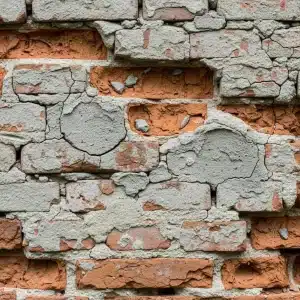
- Crumbling, powdery mortar that falls out.
- Fine hairline or noticeably wide cracks extending across the joints.
- Visible gaps that expose the edges of the bricks.
- Spalled brick faces from moisture trapped in the brick.
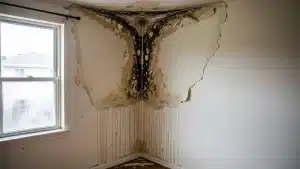
- Damp patches or mould, especially on lower wall sections.
Catching issues early allows repointing before bricks suffer irreversible damage.
How does London’s climate impact the lifespan of mortar?
Damp winters, mild summers, freeze-thaw, and pollutants can accelerate mortar decay. Depending on quality and exposure, service life may be 20–60 years [VERIFY]. Inspect regularly, especially after harsh winters, to time repointing.
Advantages of Professional Repointing for London Properties
Professional repointing improves weather resistance, strengthens walls, and refreshes appearance across London’s building stock for lasting results. One common challenge faced in this process is understanding the various repointing techniques for London bricks, as different structures may require specific approaches. By selecting the appropriate method, preservationists can ensure that the unique character of the city is maintained while also enhancing the durability of its historic buildings. This meticulous attention to detail not only supports architectural integrity but also contributes to the overall charm of London’s urban landscape. Understanding repointing techniques in London is essential for anyone involved in the preservation of the city’s iconic structures. Each method can greatly influence the structural integrity and aesthetic appeal of the buildings, allowing for a seamless blend of modern requirements and historical significance. Emphasizing the importance of using the right techniques will help maintain the beauty and safety of London’s architectural treasures for future generations.
How does repointing contribute to improved structural integrity?
Repointing restores the bond between bricks, reducing weak points that cause uneven loads and cracking. Restoring load paths helps prevent wall bulging and distorted lintels.
In what ways does repointing enhance a property’s appearance and market value?
Expert repointing revives colour and definition, creating sharp, uniform joints that highlight features. It boosts kerb appeal and signals good maintenance, supporting saleability and perceived value.
Why is it crucial to select specialist repointing professionals in London?
London specialists understand local bricks, Victorian, Georgian, and modern stock, so they select compatible mixes, tooling, and finishes. Knowledge of conservation guidance and local rules ensures sensitive work on listed and period properties.
The Repointing Process: A Step-by-Step Guide to Brickwork Restoration
Repointing follows a clear sequence: remove failed mortar, clean joints, mix a compatible mortar, and finish to match original detailing. The result is restored cohesion and better weatherproofing.
What are the key stages of mortar removal and joint preparation?
The initial phases are dedicated to exposing a clean substrate and establishing a firm key for the new mortar:
- Depth Gauge: Mark the joints to a consistent depth of 10–15 mm.
- Mortar Raking: Remove old mortar with manual tools or low-speed grinders.
- Debris Removal: Brush and rinse joints to remove dust and loosened particles.
- Moisture Control: Lightly dampen the bricks to regulate suction and promote optimal bonding.
This preparation creates a uniform joint profile ready for precise mortar placement.
How is new mortar accurately mixed and applied?
New mortar is batched by volume or weight, combining measured sand, binder (lime or cement), and water for the right workability and retention. Our technicians:
- Measure ingredients precisely to support consistent colour and strength.
- Use forced-action mixers to produce a homogeneous mix.
- Pack mortar firmly with specialised pointing irons, avoiding air pockets.
Accurate mixing and skilled application drive long-term adhesion and compatibility with existing masonry.
What finishing techniques are employed in repointing?
Finishing restores the joint profile and original character. Common techniques include:
- Flush Pointing: Filling the joints level with the brick face for a smooth, understated appearance.
- Weathered Pointing: Creating a sloping joint face that effectively directs water away from the wall.
- Recessed Pointing: Setting the joint slightly back from the brick face to accentuate the edges of the bricks.
Each technique balances appearance with performance, ensuring moisture runoff and alignment with heritage standards.
Lime Mortar Repointing: Essential for London’s Historic Properties
Lime mortar repointing uses breathable, flexible mixes matched to historic materials. Moisture can evaporate, protecting period brickwork and preserving its ability to accommodate movement.
What makes lime mortar particularly suitable for historic buildings?
Lime mortar’s flexibility accommodates thermal and minor structural movement, reducing cracking. Its microporous structure lets moisture escape through joints, helping prevent spalling and salt efflorescence.
How does lime mortar prevent damage in contrast to cement mortar?
| Mortar Type | Water Permeability | Flexibility | Impact on Heritage Fabric |
|---|---|---|---|
| Lime mortar | High | Flexible | Promotes breathability and moisture release |
| Cement mortar | Low | Rigid | Can cause brick cracking and spalling |
Because it matches softer, more permeable historic bricks, lime repointing helps avoid damage associated with harder, less permeable cement mortars.
When should lime mortar repointing be the preferred choice over other types?
Opt for lime mortar repointing in the following circumstances:
- When undertaking work on listed buildings or properties located within conservation areas.
- When repairing bricks that are soft-fired, handmade, or reclaimed.
- When the priority is to preserve the original joint profiles and textures of the brickwork.
Under these conditions, lime mortar offers optimal compatibility and supports the long-term preservation of heritage brickwork.
What is the Cost of Repointing in London? Factors Influencing Pricing and How to Obtain a Quote
Repointing costs vary with property size, mortar type, access, and heritage requirements, so you pay for the work your brickwork actually needs. When considering repointing, it’s essential to understand the building regulations for UK properties that may affect your decisions. Compliance with these regulations ensures that the repairs meet safety standards and preserve the property’s integrity. Always consult with a qualified professional to navigate these requirements effectively.
What are the primary factors that influence repointing costs?
- Property dimensions: The total surface area of the joints requiring attention.
- Mortar composition: Lime mortars typically incur higher material and labour expenses.
- Site accessibility: The need for scaffolding or working in restricted areas increases time and equipment costs.
- Brick condition: Extensive brick repair or replacement will broaden the project’s scope.
- Heritage regulations: Adherence to conservation-grade materials and methods often involves specialist premiums.
Understanding these elements helps set a realistic restoration budget.
How is repointing typically priced per square metre in London?
| Scope of Work | Average Rate (£/m²) | Important Considerations |
|---|---|---|
| Standard cement repoint | £50–£60 | Suitable for typical modern brickwork |
| Lime mortar repoint | £70–£110 | Recommended for traditional or listed properties |
| Access & scaffolding provision | £15–£25 | Varies based on building height and complexity |
These prices are a general guide; a detailed site survey will deliver a precise quotation tailored to your brickwork and property.
How can you request a professional repointing survey or quotation?
- Initiate contact with Environ Restoration Services via telephone or our online enquiry form.
- Schedule an on-site inspection at a time that is convenient for you.
- Receive a comprehensive, bespoke report detailing the scope of work, materials, and associated costs.
This process provides a clear scope, costs, and a competitive proposal for your brickwork restoration.
What is the Distinction Between Repointing and Tuckpointing? A Clear Comparison for Property Owners
Repointing replaces all joint mortar for functional repair, while tuckpointing adds a fine, contrasting fillet after repointing for a crisp decorative finish, offering options for performance and aesthetics.
How do repointing and tuckpointing differ in their objectives and methods?
| Technique | Primary Objective | Methodology |
|---|---|---|
| Repointing | Structural repair and ensuring water-tight seals | Complete removal and replacement of all joint mortar |
| Tuckpointing | Decorative enhancement of mortar lines | Insertion of a fine lime or synthetic mortar fillet |
What are the aesthetic differences between repointing and tuckpointing?
- Repointing restores mortar to a uniform colour and profile, effectively concealing joint imperfections.
- Tuckpointing accentuates the joint lines by introducing contrasting fillets, thereby highlighting brickwork patterns.
- Repointing achieves a seamless finish that is authentic to heritage practice.
- Tuckpointing delivers a sharp, stylised appearance, frequently employed on decorative façades.
When should you opt for tuckpointing instead of repointing?
- When the existing mortar joints are structurally sound but have become discoloured.
- When you want to highlight brick coursing with crisp, contrasting lines.
- When the primary objective is decorative restoration rather than fundamental structural renewal.
Tuckpointing provides a durable visual upgrade when full repointing isn’t necessary.Choose the right approach, comprehensive repointing in London or refined tuckpointing, to keep your brickwork beautiful and sound. For personalised advice and a no-obligation survey, contact Environ Restoration Services.